
A New Criminal Complaint Against Jakimovski: A Building Permit Based on a Plan Struck Down Back in 2018
16.09.2026


16.09.2026
16.09.2026

16.09.2026

16.09.2026

16.09.2026

16.09.2026

16.09.2026

15.09.2026

14.09.2026
16.09.2026
16.09.2026

15.09.2026

16.09.2026

15.09.2026
14.09.2026

16.09.2026

16.09.2026

16.09.2026

16.09.2026

15.09.2026
15.09.2026

09.03.2026

27.02.2026

19.02.2026

16.09.2026

15.09.2026

14.09.2026

23.04.2026

23.04.2026

12.04.2026

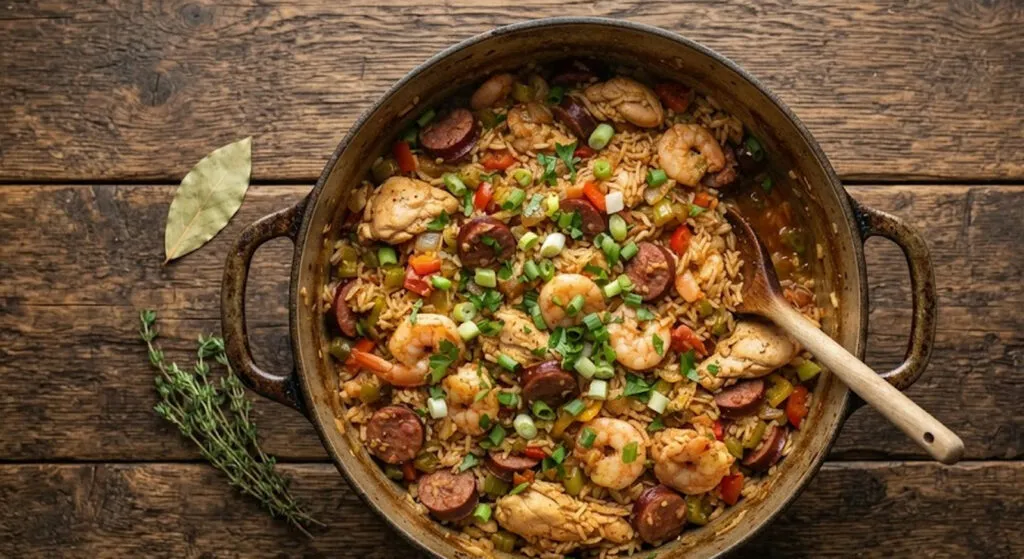
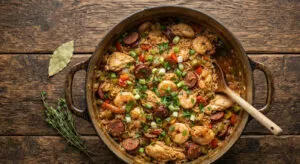
Jose Andres has lived in America for over thirty years and is writing a cookbook about American cuisine. When asked which American dish is his favourite, he said neither burger nor steak. He said jambalaya - and called it a relative of Spanish rice dishes.
That is more accurate than it sounds. Jambalaya comes from Louisiana, and Louisiana is a place where French, Spanish, African and indigenous collided and never separated again. The dish appeared around the middle of the nineteenth century as a practical way to feed a lot of people with whatever was in the house, all in one pot. Every poor place in the world has a recipe like that. We call ours something else.
Two versions exist and this is not up for negotiation: the Creole has tomato, the Cajun does not. The base is the same - chicken, prawns, smoked sausage and what they call the holy trinity: onion, celery and green pepper.
What you need: 2 tablespoons of oil, 450 g of smoked sausage in rounds, 900 g of boneless chicken thigh in cubes, one and a half cups each of finely chopped onion, celery and green pepper, 3 cloves of garlic, 3 cups of long-grain rice, an 800 g tin of chopped tomatoes, 5 cups of chicken stock, 2 tablespoons of fresh thyme, 2 bay leaves, 700 g of large prawns, peeled, 2 teaspoons of salt, 1 teaspoon of black pepper, 1 teaspoon of smoked paprika, half a teaspoon of cayenne, 2 tablespoons of fresh parsley and spring onion to scatter over.
The steps that decide everything: first the sausage and chicken on high heat for five minutes, to take on colour. Then the vegetables for three minutes, the garlic for half a minute. And here comes the step most people skip - the rice goes in dry and is toasted for three minutes before any liquid. That is the same logic as in risotto and in our own pilaf, and that difference is exactly what decides whether the grain stays whole or collapses into mush.
Only then do the tomatoes go in; stir until the rice draws in the juices, then the stock, the thyme and the bay. Bring to the boil, reduce, cover, fifteen minutes. The prawns are tossed separately with salt, pepper, smoked paprika, cayenne and parsley, and go in last - two minutes, until they turn pink. Not a second more, because an overcooked prawn is rubber.
Jose Andres says of it that it is a dish worth applause when it is done well. And that "when it is done well" is the whole bargain with one-pot cooking: there is nowhere to hide a mistake.
The latest 10 news from this category
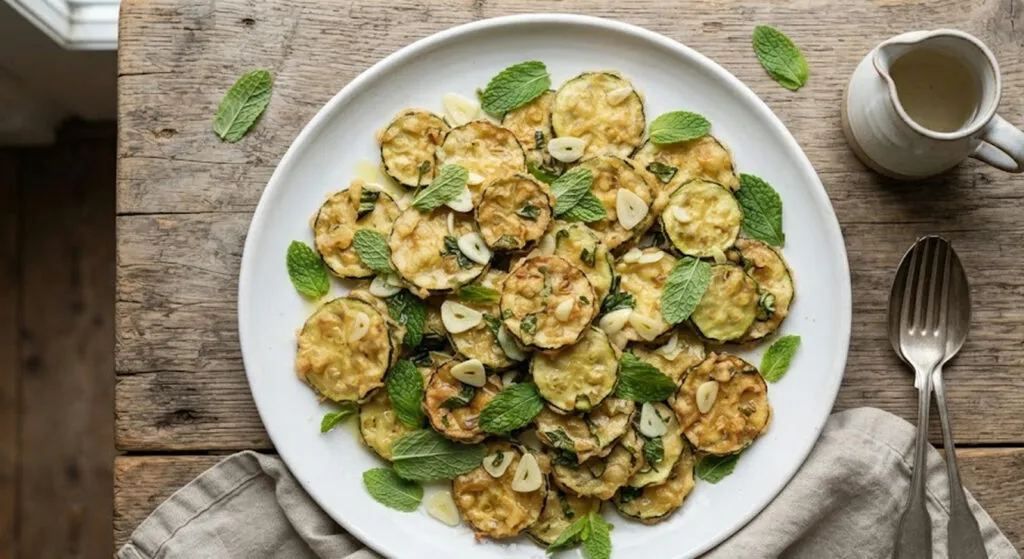
A kilo of courgettes, mint, garlic and eighty millilitres of vinegar. Not one expensive ingredient - and the water you...
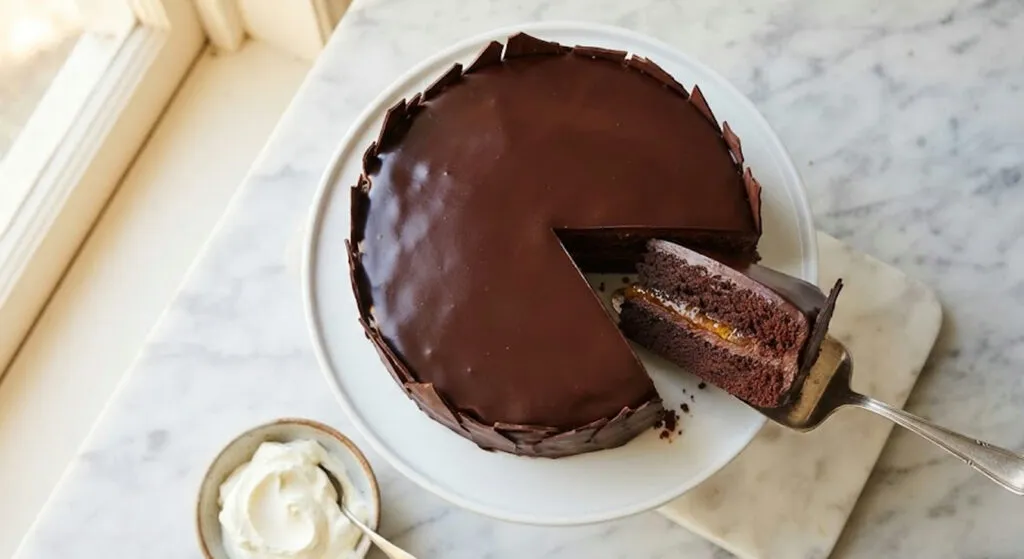
Whoever beat all the eggs together made a different cake. And the glaze must not pass 45 degrees, or the...
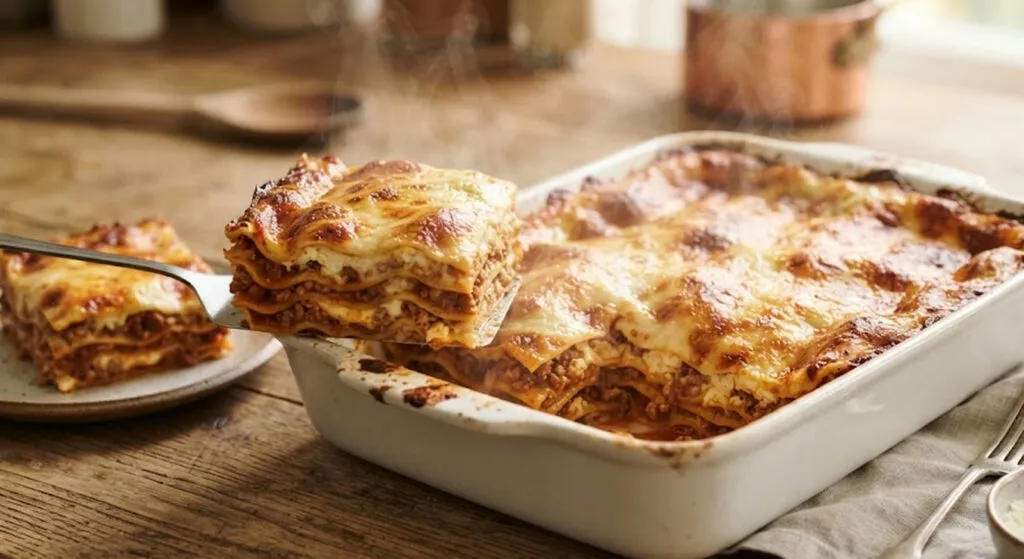
One rule applies to all three and it is the one most often skipped. It is not a recommendation to...
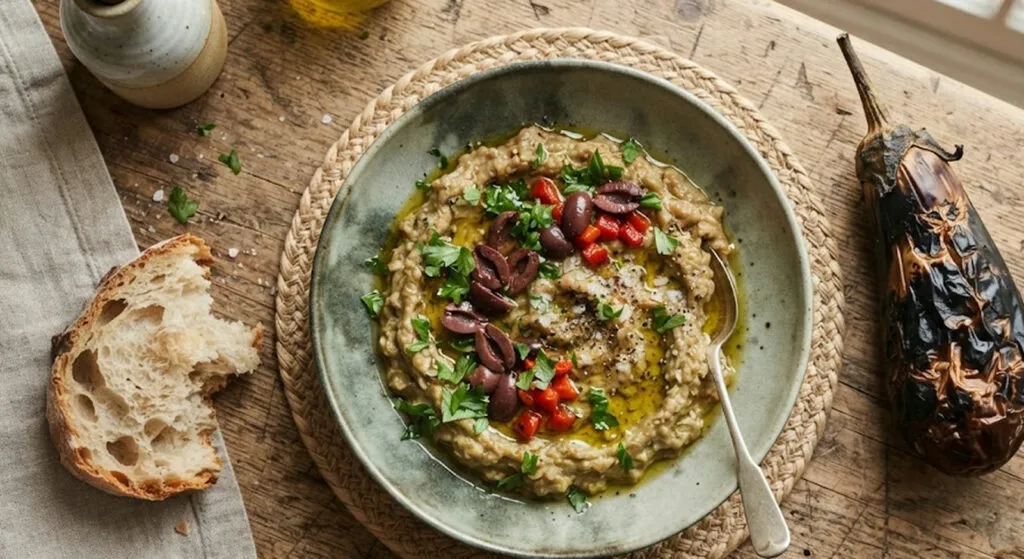
One single ingredient separates melitzanosalata from mutabal - tahini. Three aubergines, one clove of garlic, and an oven at 220...

The chicken ends up in the pan anyway. The salad that was sitting half a metre away does not.
This year the season started as early as August because of the heat. From breakfast to pizza - everywhere a...
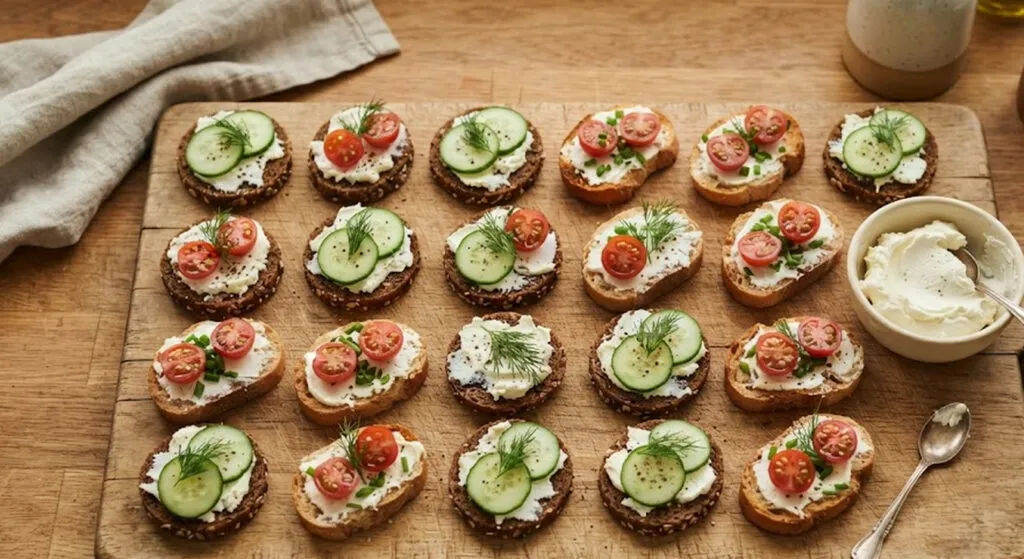
The recipe is not hard, the temperature is wrong. Ten cream cheese canapés and the two rules without which none...
The image of boiled chicken breast is wrong. The indulgence is planned, not broken.
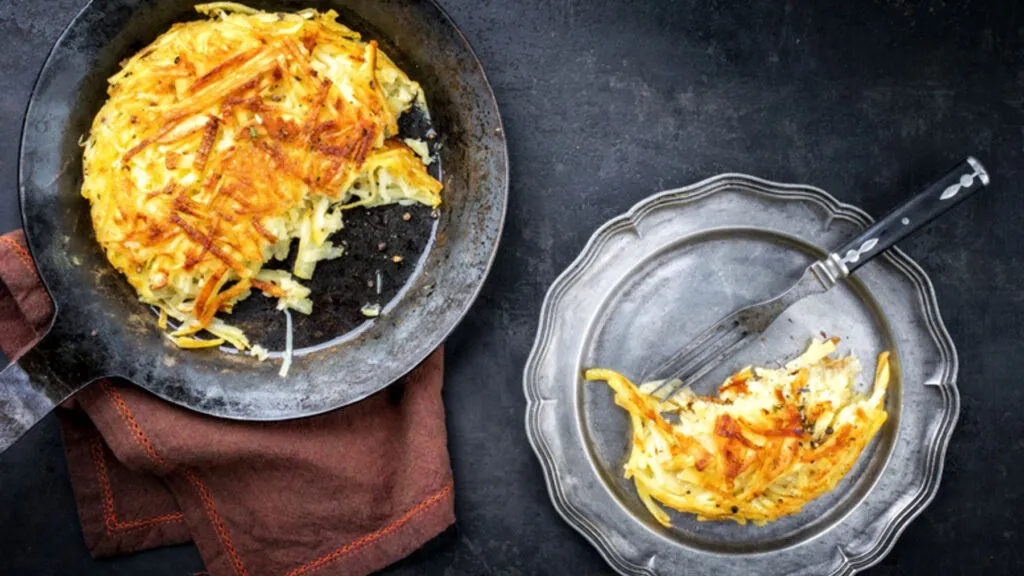
Starch is the natural binder, but only if the water comes out first. Nine versions from Swiss rösti to a...
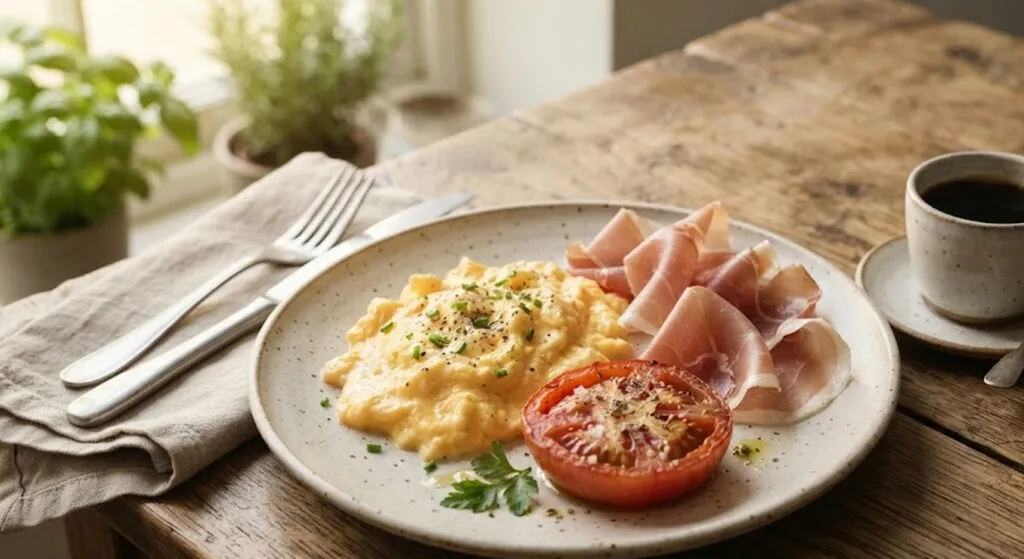
Not one powder, not one supplement, not one name with an English label. Tomato, ham, coffee and an egg -...
This site uses cookies - is that okay? Learn more
Be the first to know when Metla launches something new
Leave your email and we will write when there is a new guide or something new on Metla.