

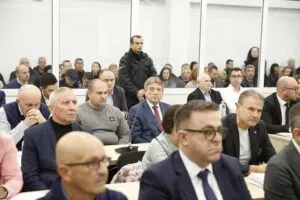
Expert witness at the Puls trial: the change-of-use application had to come from the owner, not the tenant
26.08.2026


26.08.2026
26.08.2026
26.08.2026
26.08.2026

26.08.2026
26.08.2026

26.08.2026

25.08.2026
24.08.2026

26.08.2026

26.08.2026

25.08.2026

26.08.2026

26.08.2026

26.08.2026

26.08.2026

25.08.2026

24.08.2026
26.08.2026

26.08.2026

26.08.2026

26.08.2026

26.08.2026

25.08.2026

09.03.2026

27.02.2026

19.02.2026

26.08.2026

25.08.2026

24.08.2026

23.04.2026

23.04.2026

12.04.2026
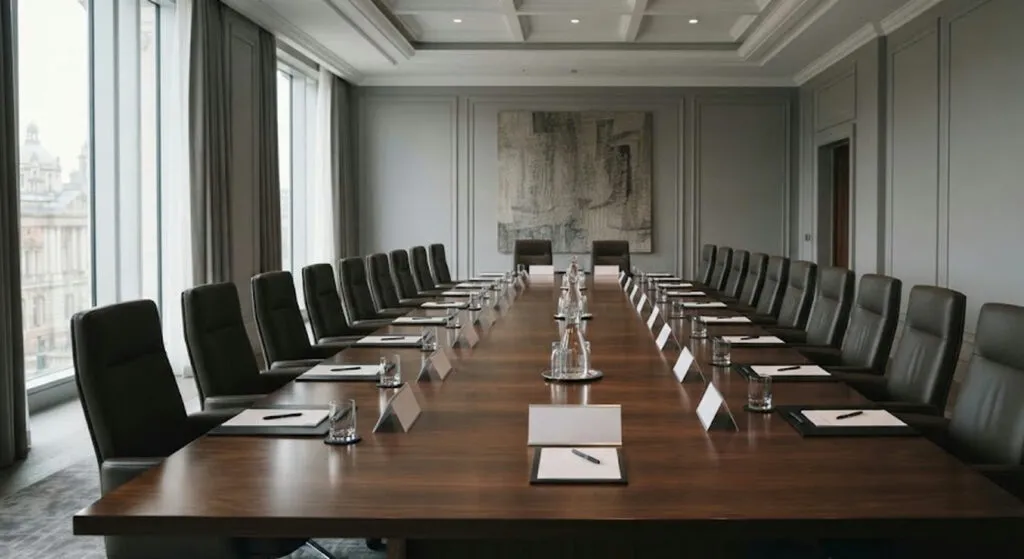
"Serbia is arming itself not only with defensive but with offensive, attack weapons. We have to say that to our Western allies. We must not shy away from it." The sentence was delivered by Gordan Jandroković, speaker of the Croatian parliament, at a conference of Croatian ambassadors, consuls and military attachés.
This is not an anonymous source, nor a party press release. It is the second most senior figure in a state briefing his own diplomats on what to convey abroad. The distinction matters, because sentences like this are rarely spoken by accident.
The European pillar and the American habit
Jandroković tied the statement to a broader argument: Europe must strengthen its own security and the European pillar of NATO, because the international order is shifting. For decades, he said, the continent lived leaning on American security guarantees, which led some states to let their own defence capacities decay.
That is a diagnosis hard to argue with. The question is what follows it. Strengthening a European pillar means budgets, factories and decisions that run for decades. Statements last one working day.
Enlargement is moving, but moving for whom
Another number arrived the same day. Enlargement commissioner Marta Kos announced that 2026 is a record year for progress on EU enlargement: in eight months more negotiating chapters have been opened and closed than in any single year over the past 25. Montenegro, she said, could become a member by 2028.
Eight months against twenty-five years. The figure sounds impressive until you ask why the previous twenty-five were the way they were. The region did not change overnight, nor did administrative capacity. What changed is the geopolitical calculation in Brussels, and that is a different motivation from merit.
Jandroković added something worth remembering: Western leaders often do not know the dynamics of the region, because the new political elites have no knowledge of the history of the former Yugoslavia or of Slobodan Milošević's politics. In other words, those deciding on the Balkans know less and less about what they are deciding on.
So we have enlargement moving faster than ever and allies who know less than ever. Whether that is a good or bad combination depends entirely on who fills the gaps in their knowledge.
The latest 10 news from this category

The deputy head of Russia's Security Council accused Western states of double standards, invoking Kosovo. The point was not the...
Three agencies are working the case, and the conclusion was published ahead of them. Kosovo police rejected the claims. What...

The maize dried out, soy yields halved, dairy cattle are going up for sale. The problem is not this summer...
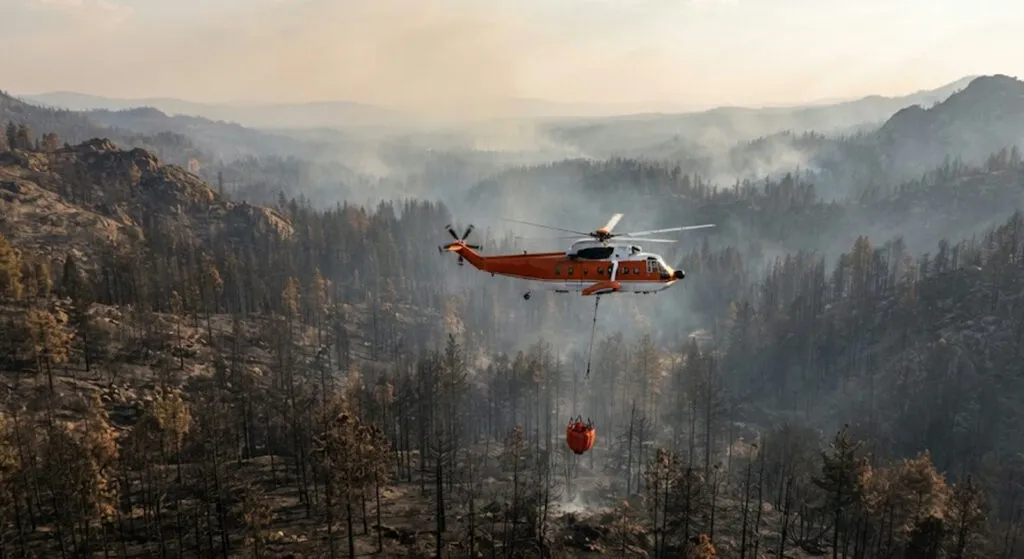
One portable toilet burned down, along with 3,960 hectares, and the helicopters are arriving from Czechia, Slovakia, Romania and Russia....
Four suspects, two of them minors. One admitted he was hired by a man with a record known for recruiting...
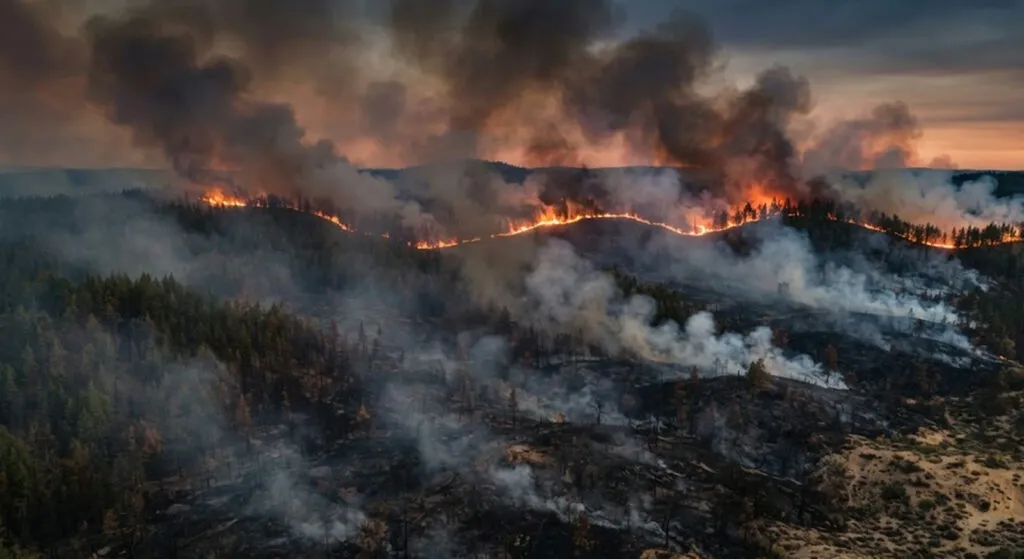
Dacic activated the European civil protection mechanism. The humus is burning below the surface, so areas declared extinguished flare up...
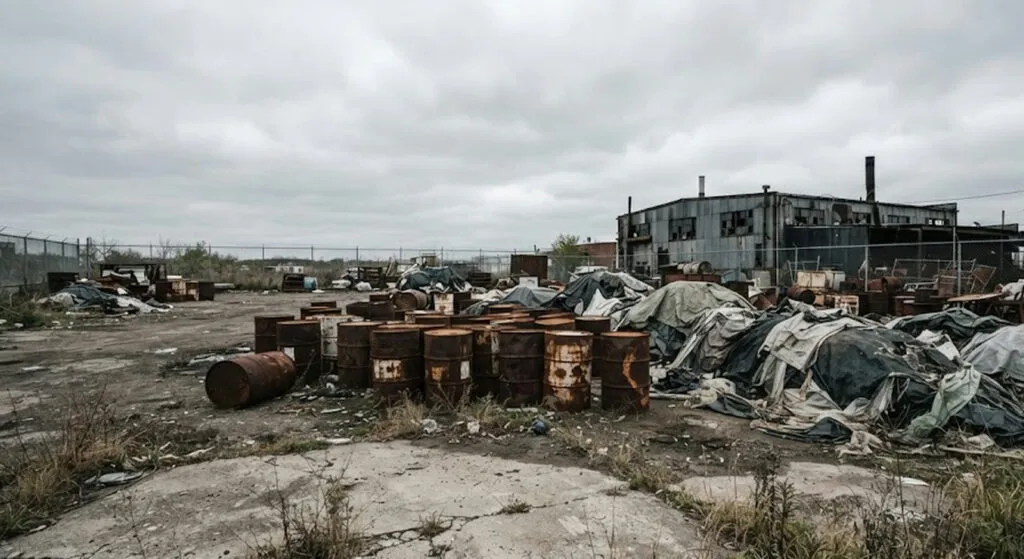
Croatia's prime minister invoked the Serbian canopy scenario to describe his own opposition. In the soil near Gospic, meanwhile, heavy...
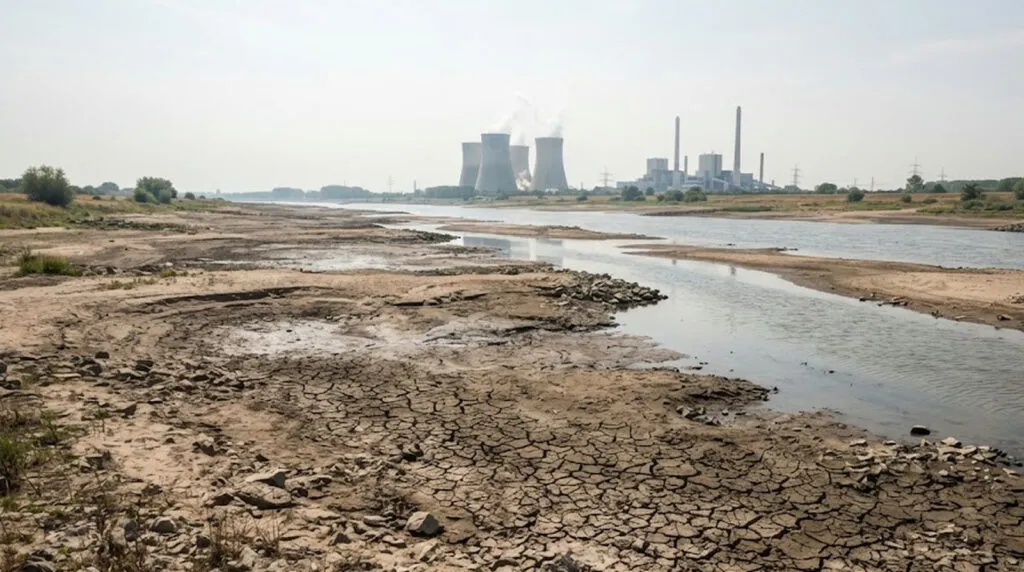
Not a fault, not a sanction - a drought. Kozloduy is cutting 120 megawatts, Paks and Cernavoda already reduced output....
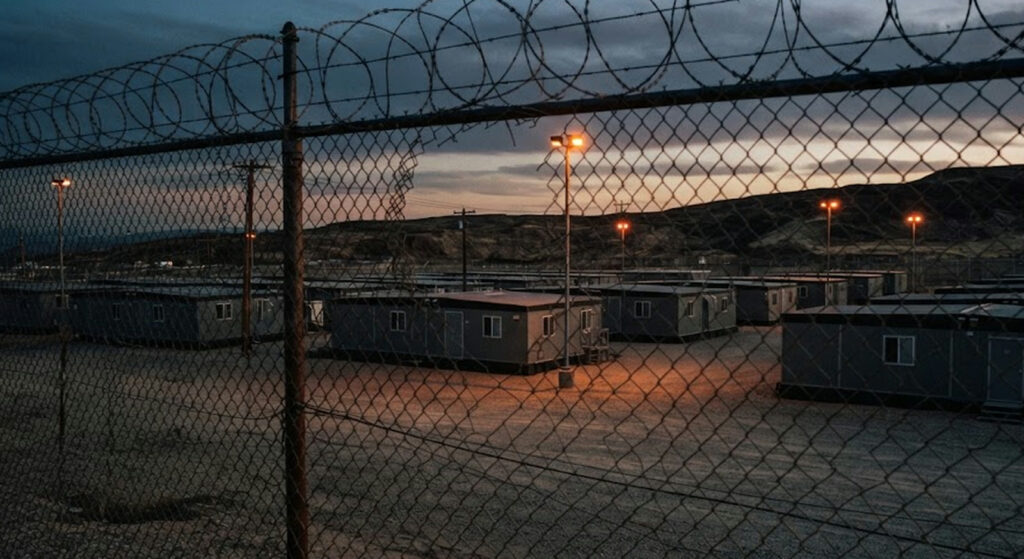
Two attempted hangings and self-harm at Gjader, Amnesty says. Tajani is already calling for similar centres in transit countries -...
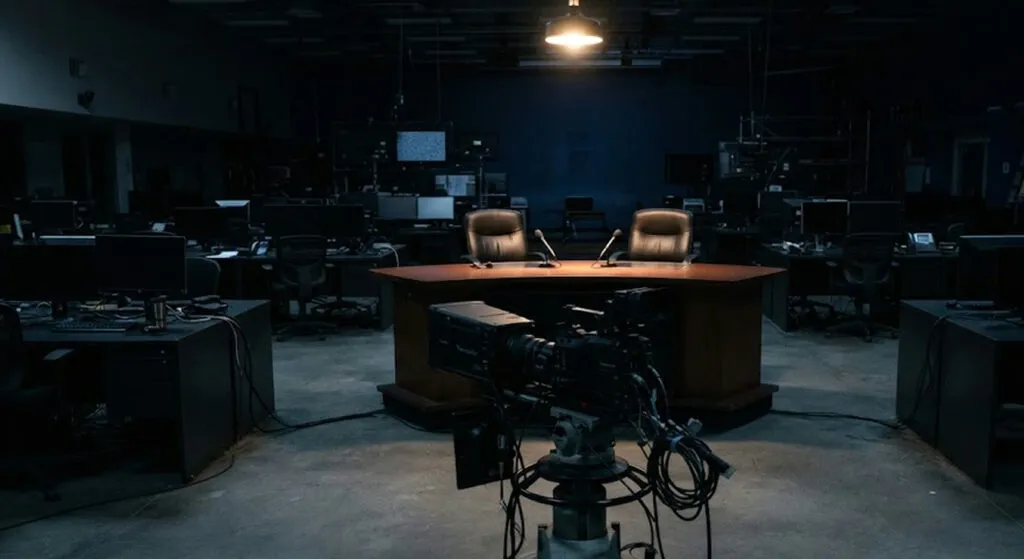
A Portuguese fund has taken over Serbia's loudest critical newsrooms, and the management fell before Luxembourg approved the transaction. In...
This site uses cookies - is that okay? Learn more
Be the first to know when Metla launches something new
Leave your email and we will write when there is a new guide or something new on Metla.
