

They Rode In on Scooters, Torched the Shops and Left: The Fire in Shuto Orizari Burned for Three Hours, Setting It Took Fifty Seconds
13.09.2026


13.09.2026

13.09.2026

13.09.2026

13.09.2026

13.09.2026

13.09.2026
13.09.2026

12.09.2026

11.09.2026

13.09.2026

13.09.2026

12.09.2026

13.09.2026

13.09.2026

13.09.2026
13.09.2026

12.09.2026

11.09.2026

13.09.2026

13.09.2026

13.09.2026

13.09.2026

13.09.2026

12.09.2026

09.03.2026

27.02.2026

19.02.2026

13.09.2026

12.09.2026

11.09.2026

23.04.2026

23.04.2026

12.04.2026

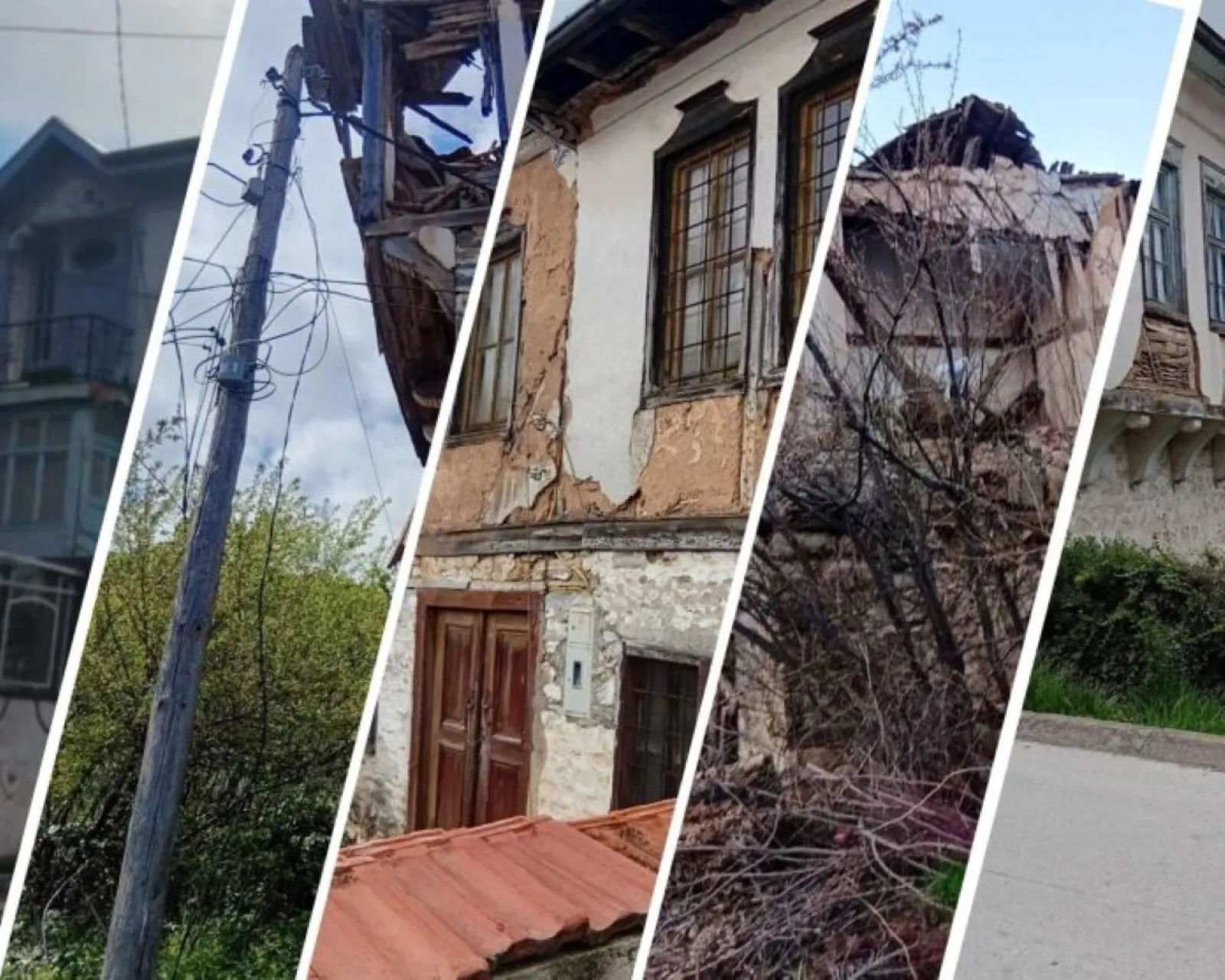
The houses of Kruševo survived wars, uprisings and two world wars - but they can't survive their own state. These architectural masterpieces of stone and wood, with the distinctive "tympanon" bearing the family crest, are today crumbling precisely under state protection. A paradox that says everything about how heritage is treated here.
The numbers are brutal. Kruševo has 32 privately owned protected residential houses declared individual cultural assets, plus another 12 protected buildings. But five houses are already in complete decay, dangerous to passers-by nearby. One house on "Manču Matak" street, once called "the beauty of Kruševo," is today a ruin.
The owners are trapped between status and reality. "Apart from on paper, the state hasn't invested a single denar in maintaining my protected house," says Kosta Mickovski. The protected status creates obstacles even for the smallest repairs: you need construction firms with an A-licence (of which there are barely any), multiple institutional approvals, and tenders often fail with the money returned to the budget. One resident waited five years to finish a roof.
The Ministry of Culture allocated around 7 million denars for 2026 for interventions on heritage - a sum that, for protecting an entire town, sounds almost symbolic. Installing solar panels on protected houses is also banned, and even municipalities aren't allowed to put panels on public buildings like schools.
The former director of the institute in Prilep proposes that municipalities set up "intervention funds" for co-financing. The municipality, for its part, says it has no direct authority - the decisions rest with the central institutions. And so the ball is passed from hand to hand, while "the beauty of Kruševo" turns to dust. Who will answer when the last one falls?
The latest 10 news from this category
Ivanovska recalls why Vodno was forested in the first place. Gerasimovski says the court annulled the old plan and a...

Three Bulgarian ministries, MPs from different parties and flags inside the medical centre. MAEI asks why a check-up in a...
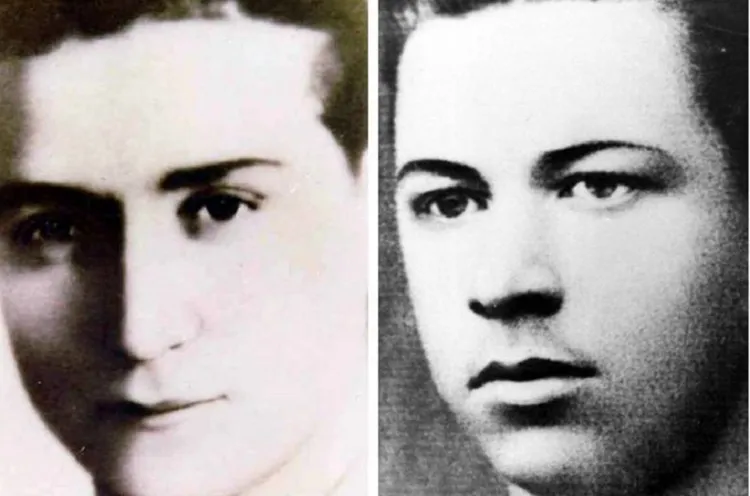
Flowers were laid in Bitola for Stefan Naumov and Dimitar Bogoevski. Behind the anniversary stand two biographies that ended at...
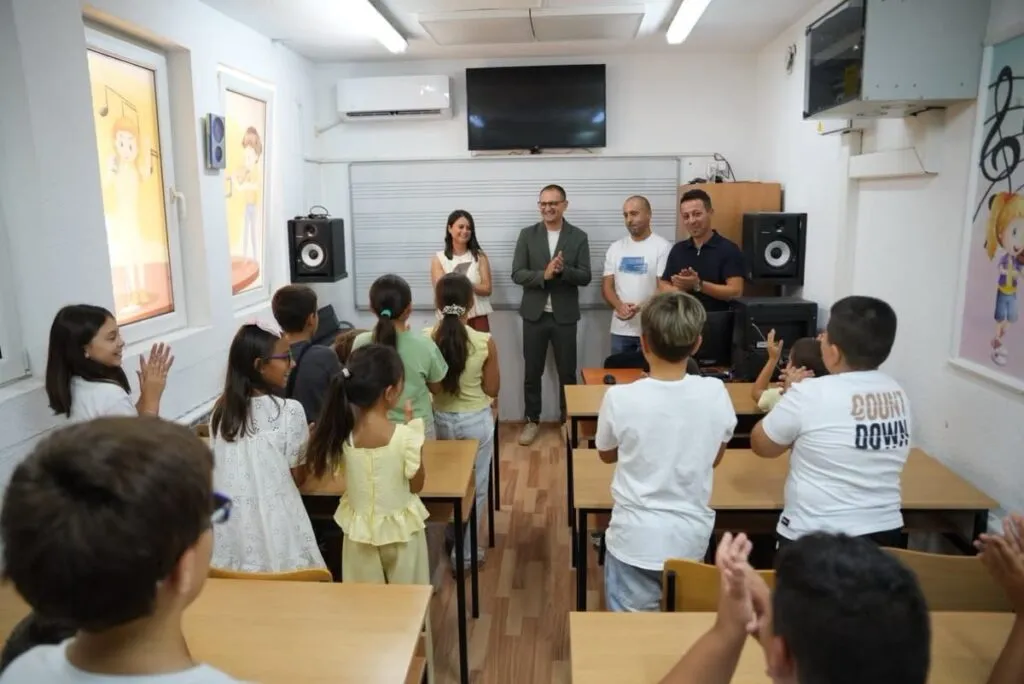
Eighty children do not simply appear out of nowhere. The question no ceremony answers is whether there are enough instruments...
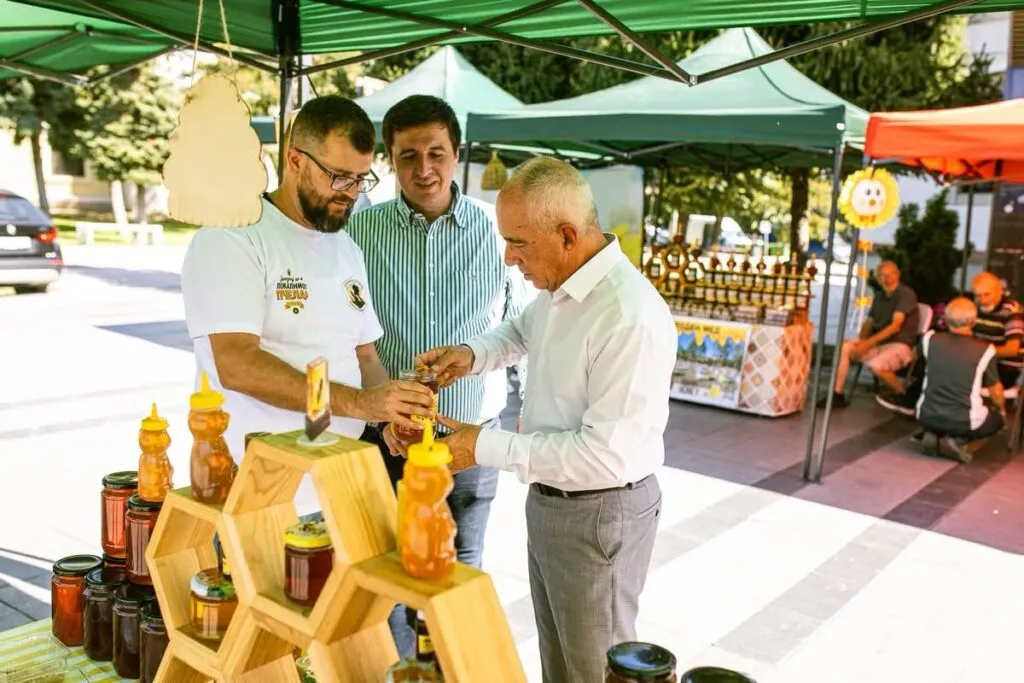
When you buy honey from the man who tells you which village it came from, you bypass the entire trade...
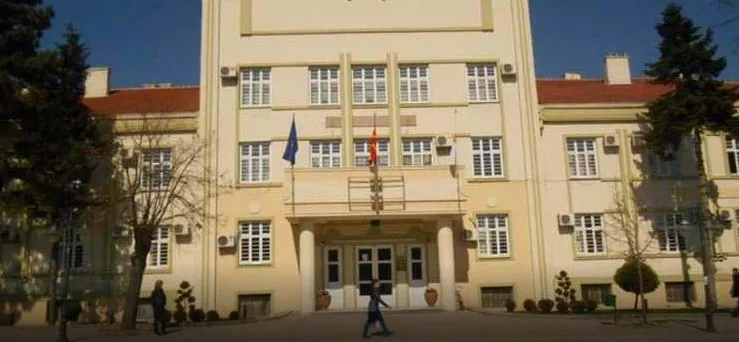
Any citizen can submit a nomination. That is exactly where these competitions either come alive or become an internal affair...
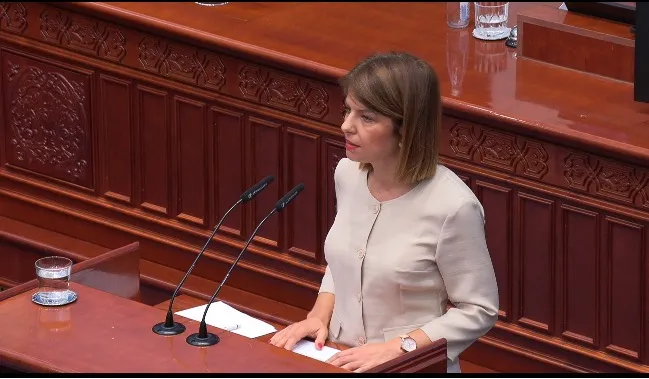
The minister answered that pupils are not a risk group because the youngest patient was 25. The MP had asked...
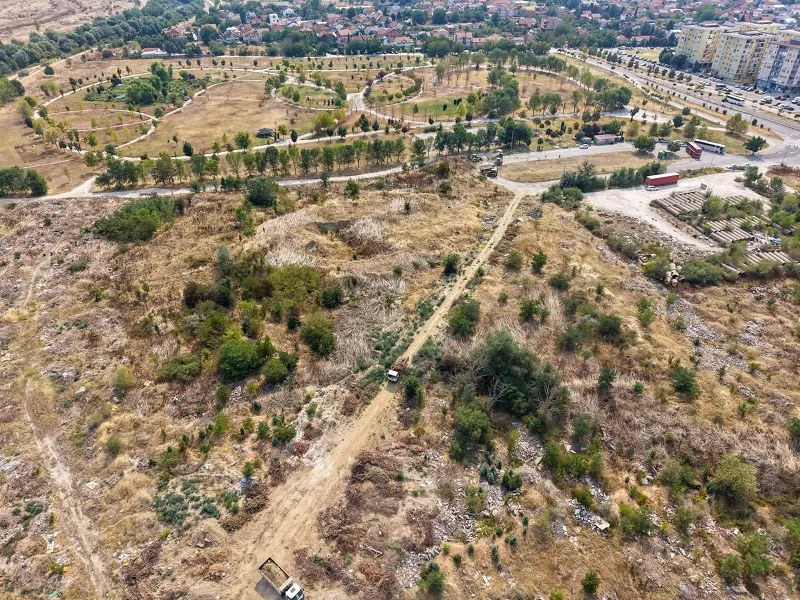
For five years after the promise, the dump stayed a dump. The two neighbouring parks tell the story that comes...
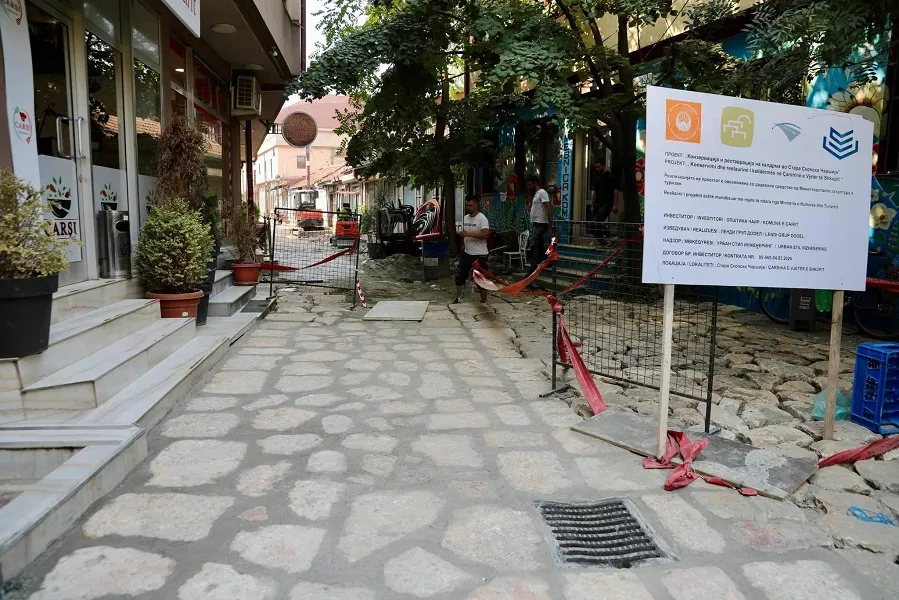
The most visited historic space in Skopje waited fifty years for someone to replace the pipe under the cobblestones. The...
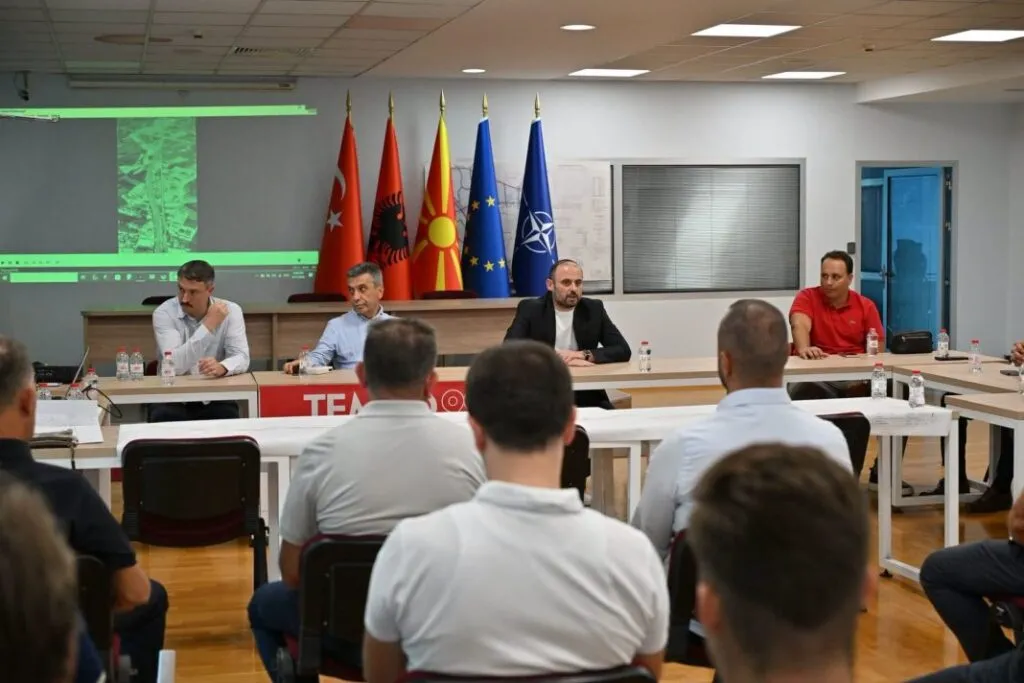
There is a route, there is a presentation and there is agreement that the road is needed. There is no...
This site uses cookies - is that okay? Learn more
Be the first to know when Metla launches something new
Leave your email and we will write when there is a new guide or something new on Metla.
