НАУЧНИЦИТЕ ОТКРИЈА: ТАЈНАТА НА ПОБАВНОТО СТАРЕЕЊЕ МОЖЕ ДА СЕ КРИЕ ВО НАШИТЕ ЦРЕВА!
27.10.2026


27.10.2026

27.10.2026

27.10.2026
27.10.2026
27.10.2026

27.10.2026

27.10.2026

27.10.2026
26.10.2026

27.10.2026

27.10.2026

26.10.2026

27.10.2026

27.10.2026

27.10.2026

27.10.2026

26.10.2026

25.10.2026

27.10.2026

27.10.2026

27.10.2026

27.10.2026

26.10.2026
26.10.2026
27.10.2026
26.10.2026
24.10.2026

23.04.2026

23.04.2026

12.04.2026

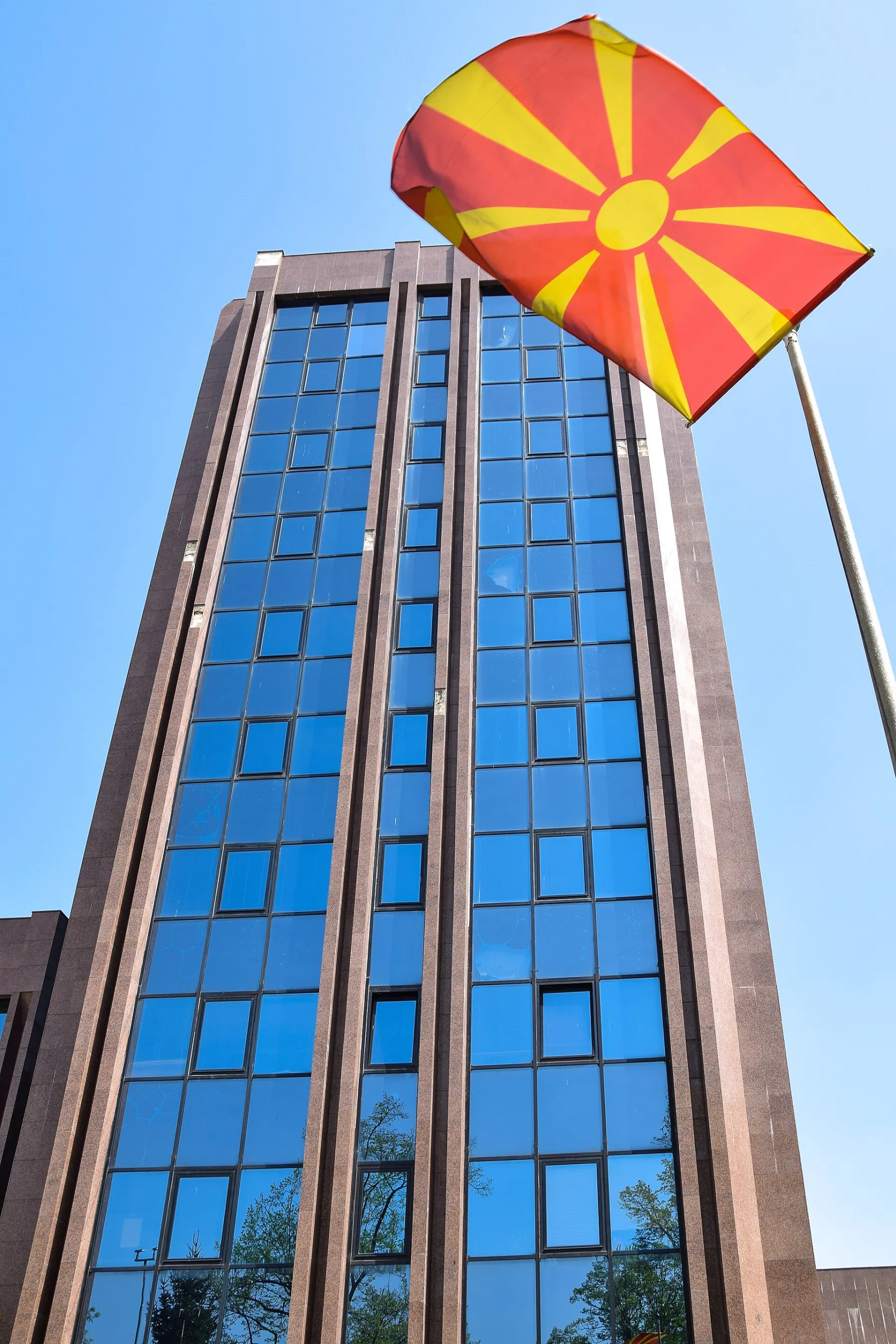
Sixteen people died in the bus crash near Laskarci in February 2019. Around thirty were injured. Seven years later, the Supreme Court has overturned the second-instance verdict and the case returns to the Court of Appeal for fresh proceedings. In the same breath, the Supreme Court also overturned both the first- and second-instance verdicts against Stevco Jakimovski.
Jakimovski was sentenced to one year in prison over the legalisation of the temporary seat of the Municipality of Karpos. By the time the verdict was overturned, he had already served two thirds of that sentence. Read that sentence again - the man served almost the entire term, and only now is it established that the verdict was flawed.
Legal exhibitionism
Lawyer Vladimir Tufegdzic called the two overturned verdicts a serious test and an alarm for the legal system. His question is direct: are the lower courts increasingly engaging in legal exhibitionism, positioning themselves as an auxiliary service to the prosecution and improvising with evidence to secure a conviction at any cost - even when prosecutors explicitly state there is no evidence.
He also raised a second question that is rarely asked out loud: for decisions of public interest it is announced that they have been made, but the written reasoning remains unavailable. So the public learns what the court decided, but not why.
That unavailability is not theoretical. The Criminal Court and the Court of Appeal have still not received the written decisions from the Supreme Court, which is why they cannot act and release the people currently serving their sentences. People are sitting in prison on the basis of verdicts that no longer exist, because the document has not been written yet.
The prosecution stood behind the court
State Public Prosecutor Nenad Saveski came to the defence of the Supreme Court's institutional independence. He rejected the impression that courts decide under pressure, under influence, or in the service of the Public Prosecutor's Office, stressing that verdicts are handed down in the name of the citizens, based on the law and the evidence.
Saveski clarified that in these cases the Supreme Court did not assess the charges but the lawfulness of the lower courts' decisions. The overturning, he says, is not a judgement on the prosecutors' work but judicial oversight of how the lower courts conducted themselves.
What is left
Formally, Saveski is right - the Supreme Court exists precisely to check whether lower courts acted lawfully. The problem is not that the oversight existed. The problem is that it arrives seven years after 16 people died, and after one convicted man served almost his entire sentence.
Justice that arrives after the sentence has been served is not a corrected error. It is a system that managed to punish and to fail to convict at the same time. The families from Laskarci now start waiting from the beginning - and those who did their time are waiting for someone to write the document that lets them out.
The latest 10 news from this category
Filipče says that after Vučić and Orbán, Mickoski is next. VMRO-DPMNE answers with footage from parties and a shared favourite...

The deputy speaker of Poland's Sejm, Szymon Hołownia, spoke in Skopje about support and his hope that the open issues...
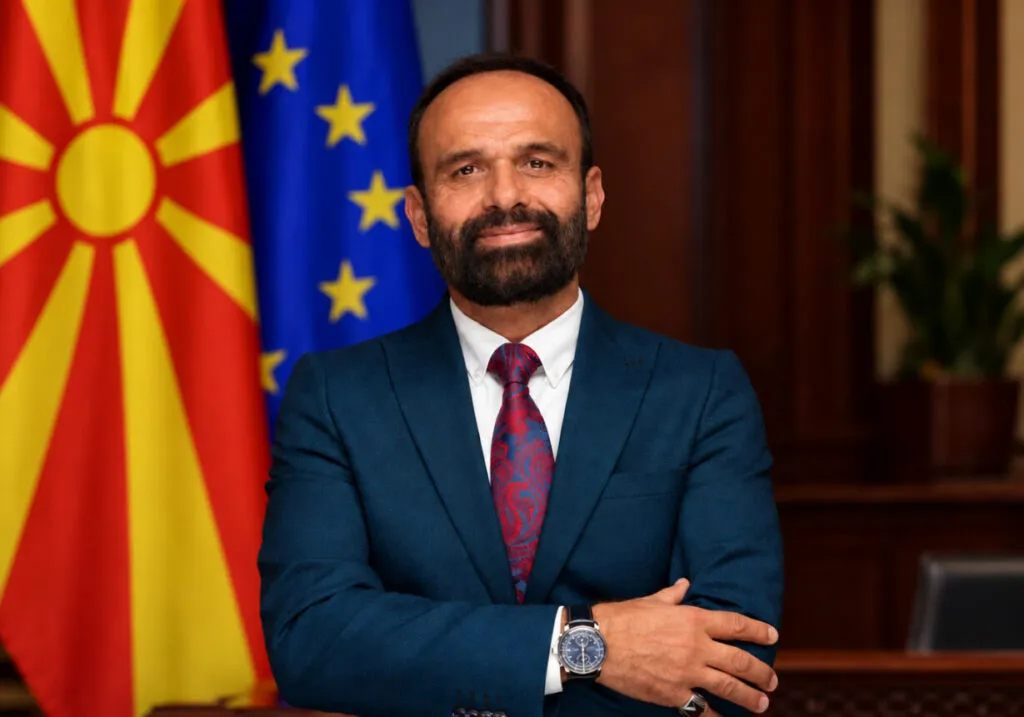
The justice minister wants an independent judiciary and non-selective prosecutors. Meanwhile, the European Commission records that the share of citizens...
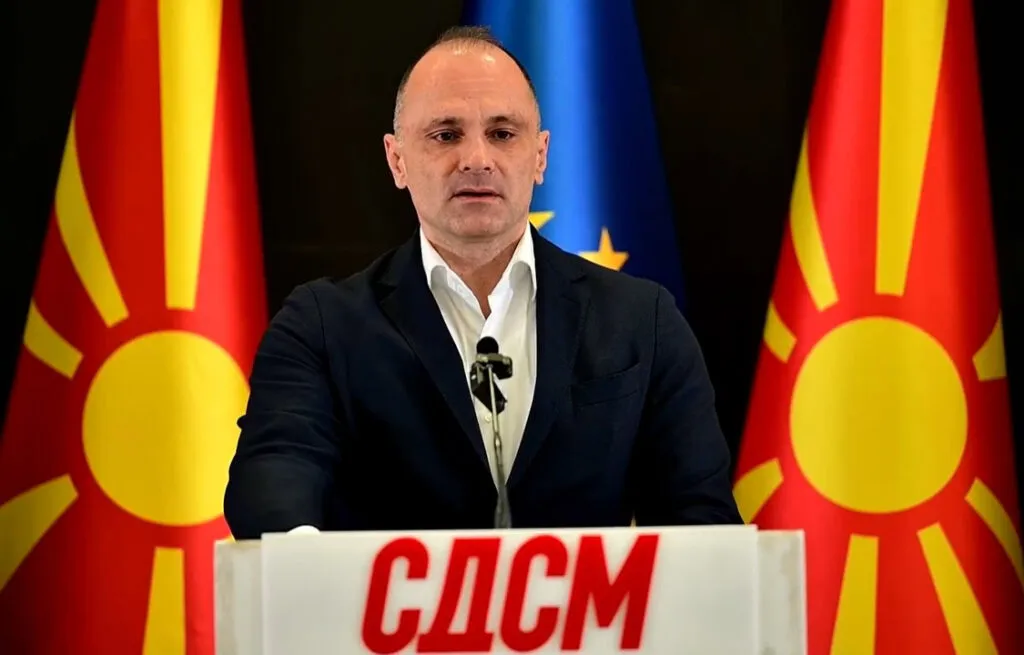
In Serbia the students won, and the leader of Macedonia's SDSM is already counting which government should fall next. No...
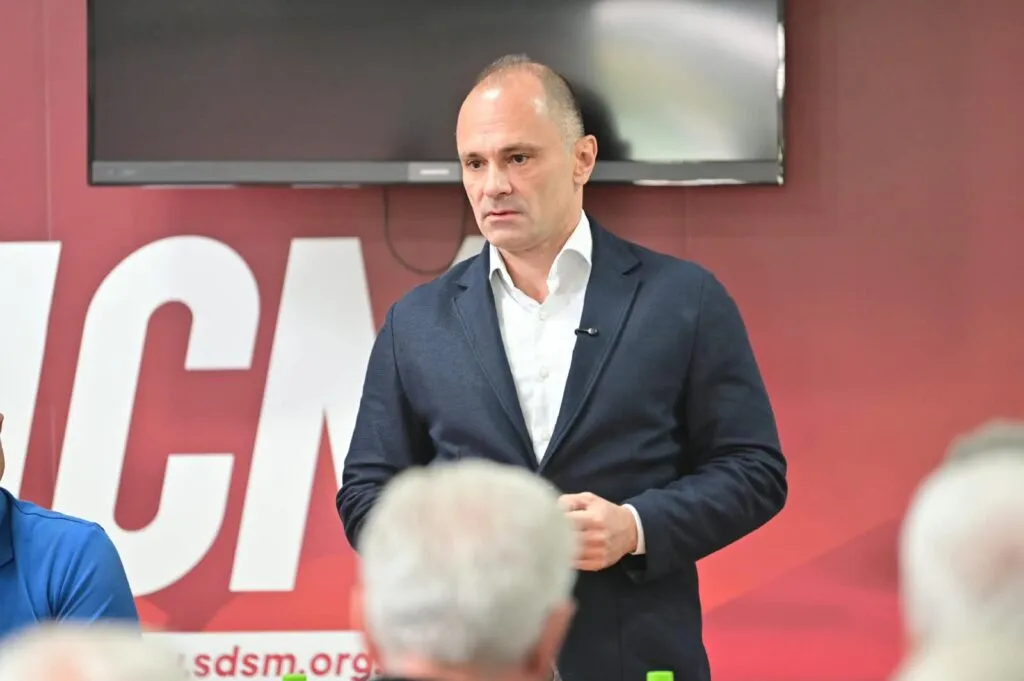
A day before Serbia votes, Filipche accuses Vučić of preparing to steal the election, while the same post calls for...
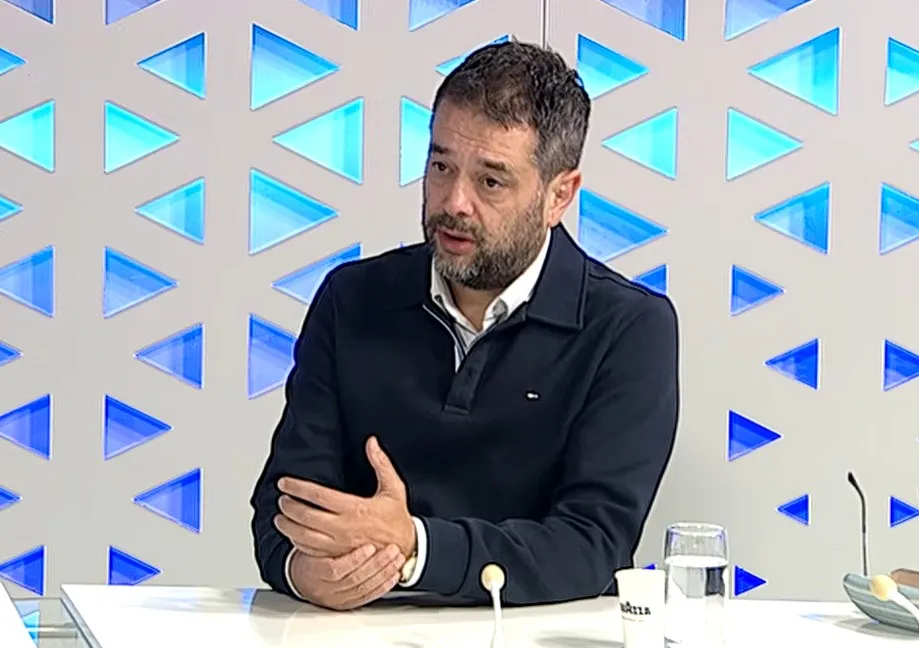
Protests from Tirana to Paris, and in Skopje the search is on for foreign spies. Arsovski names the uncomfortable reason:...

The party leader is also the prime minister, and ahead of the runoff he is on the ground in Brvenica....
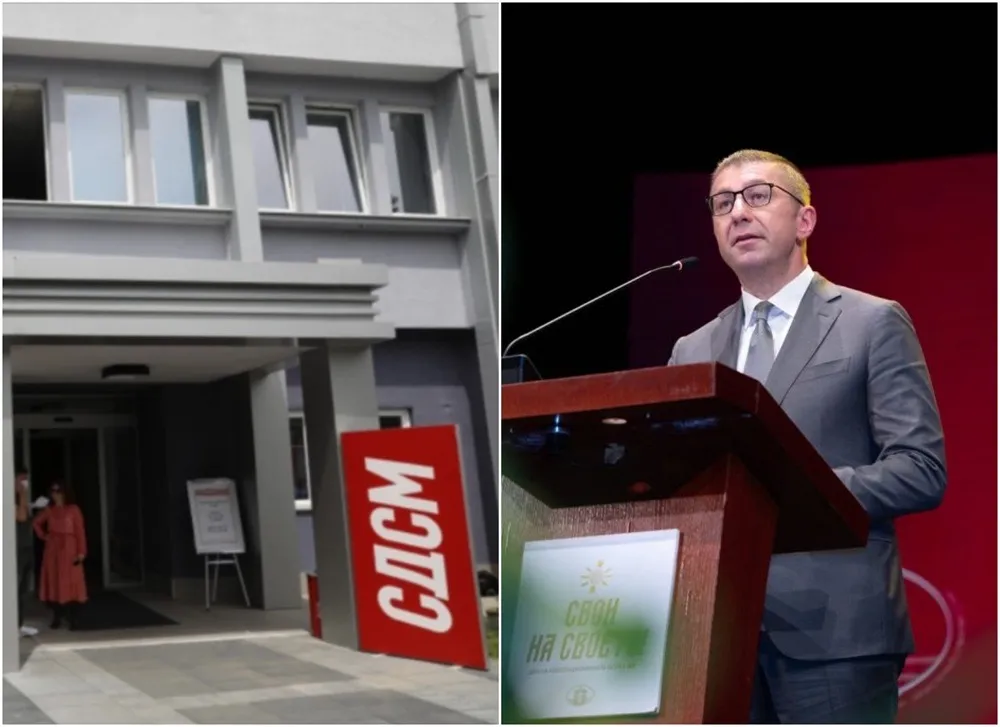
The opposition is counting who Brussels mentioned this week - Montenegro, Albania, Serbia, Kosovo. Not Macedonia. The prime minister, for...
SDSM's initiative was rejected unanimously, and the opposition cries political orders without proof. The bigger irony: the government that condemned...
A civil servant with two consecutive "1" ratings will lose their job by force of law. The rule sounds tough...
This site uses cookies - is that okay? Learn more
Be the first to know when Metla launches something new
Leave your email and we will write when there is a new guide or something new on Metla.