

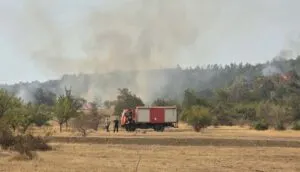
The smoke over Skopje is coming from Kosovo: for the first time our helicopter is fighting a fire outside the country
04.09.2026


04.09.2026

04.09.2026
04.09.2026
04.09.2026
04.09.2026
04.09.2026

04.09.2026

03.09.2026

02.09.2026

04.09.2026
04.09.2026

03.09.2026

04.09.2026

04.09.2026

04.09.2026

04.09.2026

03.09.2026

02.09.2026

04.09.2026

04.09.2026

04.09.2026

04.09.2026
03.09.2026
02.09.2026

09.03.2026

27.02.2026

19.02.2026

04.09.2026

03.09.2026

02.09.2026

23.04.2026

23.04.2026

12.04.2026
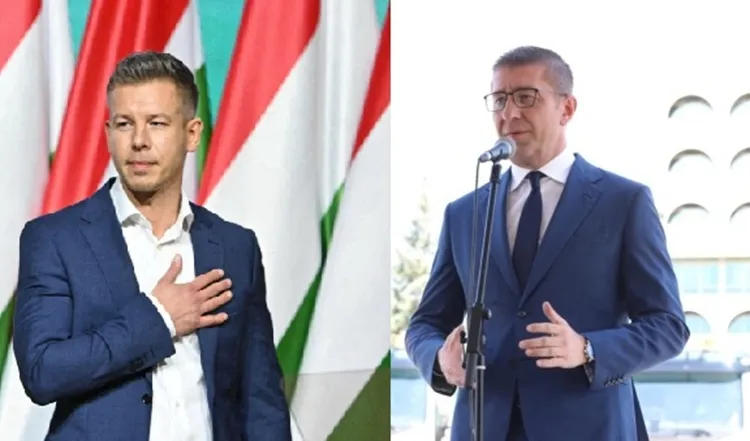
Prime minister Hristijan Mickoski answered two questions that touch each other even though they come from different directions: the investigation opened in Hungary into the loan its Eximbank approved for Macedonia, and Hungarian prime minister Viktor Orban's statement against accelerated EU membership.
On the investigation
"The investigation into the Hungarian loan is Hungary's internal matter. I assume the institutions there will do their job," Mickoski said.
Asked whether he feared it, the answer was direct: "Absolutely not, because all of that is part of our strategic partnership, plus it was confirmed by both parliaments and both governments, and the funds were spent transparently."
He expressed gratitude to Hungary, saying it was the first to help at a time when, as he put it, he was fighting to pull the country out of the state inherited from the previous government.
The claim that the loan was confirmed by both parliaments is a verifiable fact and the strongest part of the answer. But "spent transparently" is a different category from "approved by parliament" - one means the borrowing was legal, the other means every denar has a trace. The investigation in Budapest is not about our parliament.
On Orban's statement
On 2 September, after meeting European Council president Antonio Costa in Budapest, Orban announced that Hungary does not support accelerated procedures for any candidate country.
Mickoski is convinced this does not refer to us. "I am convinced that my colleague Orban did not mean the Balkans with that statement, because since he was elected prime minister of our strategic partner Hungary, there are several dozen statements in which he says the support for the Western Balkans, where we geographically belong, for accession to the European Union is unambiguous and sincere and has never been called into question. I think it refers to other candidate countries for EU membership."
Perhaps. But Orban's statement contains no exception - it says "no candidate country". Reading it as being about somebody else is an assumption, not a quotation, and it leans on earlier statements rather than on this one.
The Balkans has long experience of this. Every less favourable sentence out of Brussels or out of some capital is first read as being addressed to somebody else, and it usually turns out it was addressed to everyone.
The strategic partnership with Hungary is a reality with a loan behind it. The question is whether that partnership changes Budapest's position on enlargement, or merely creates the expectation that it will.
The latest 10 news from this category
The manager of the firm that won all three contracts was a business partner of the state secretary's husband. An...
Levica is proposing the state write off 20 percent of a family's housing loan for every child. Households owe almost...
Around 3,000 fewer first-graders than last year and 148 school buildings with no pupils. Consolidation is a response to the...
The opposition wants a resignation. But there is an older question first: what did the anti-corruption commission establish in the...
The anti-corruption commission opened the question of how the budget splits money between parties on its own initiative. It is...
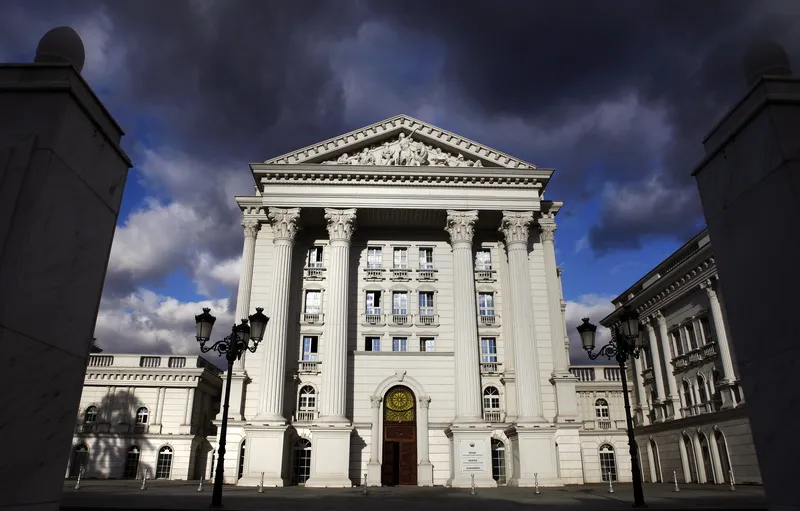
Dalibor Kitanovikj placed Ratko Mladic among "generals of the heavenly army". The Government wants him to withdraw the post. The...

Three institutions, three different speeds. The competition commission already said yes, the media regulator now says wait, and the financial...
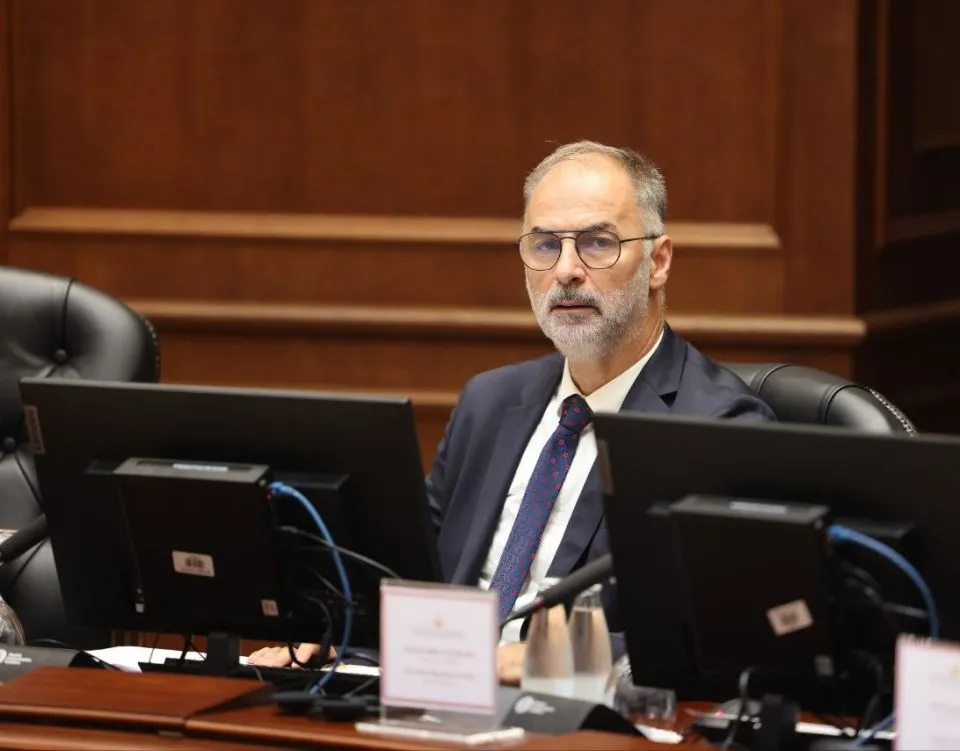
When the party of a sitting minister publicly pays tribute to a convicted war criminal, asking whether that is the...
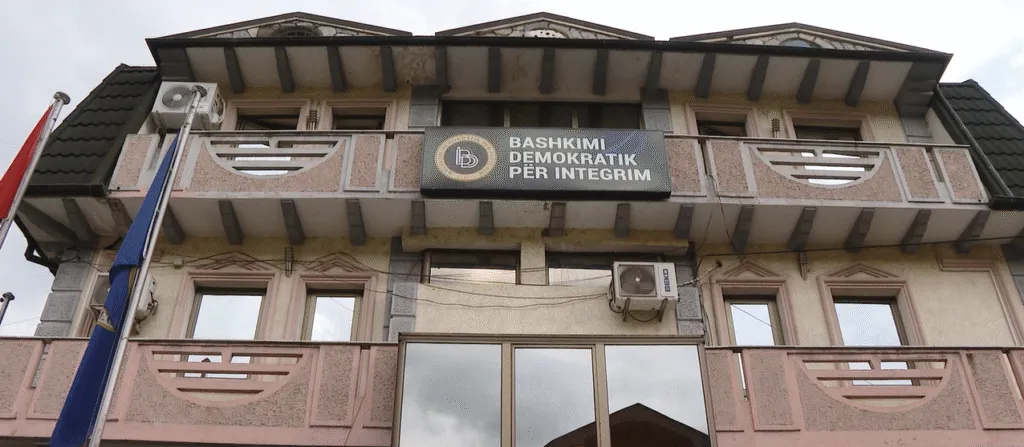
How many applied, how many turned up for testing, how many passed. The ministry has that data in the same...
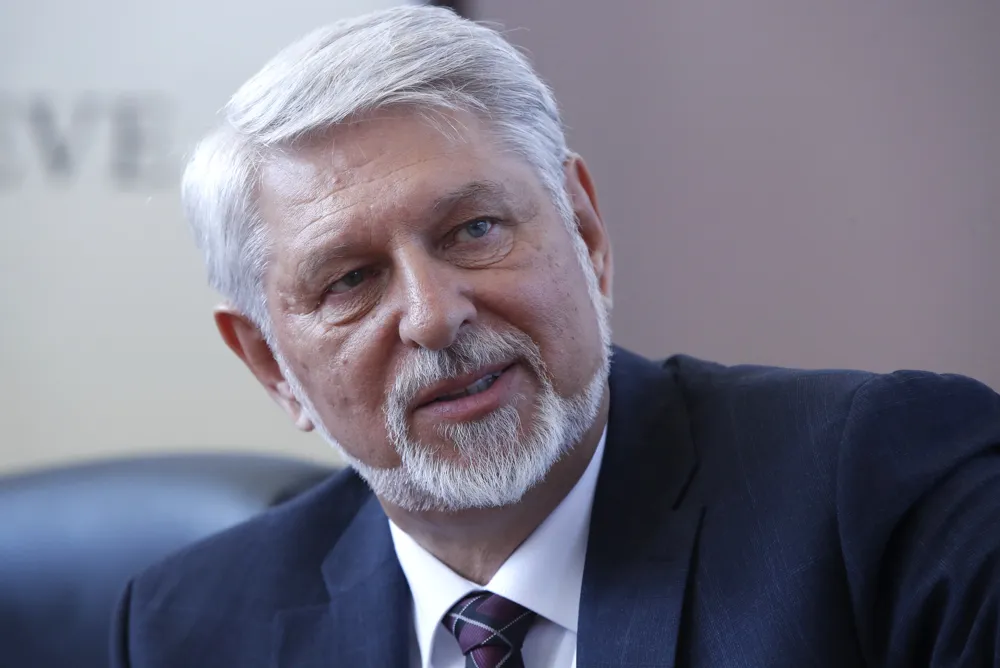
Three weeks of hospital treatment, a return to Skopje Prison on 26 August, and already an emergency transfer back. The...
This site uses cookies - is that okay? Learn more
Be the first to know when Metla launches something new
Leave your email and we will write when there is a new guide or something new on Metla.
