
Bear cub killed on the Skopje-Tetovo motorway: the fence is a legal obligation, while the rescue team exists only in a Viber group
25.10.2026


25.10.2026

25.10.2026

25.10.2026
25.10.2026
25.10.2026
25.10.2026

25.10.2026
25.10.2026

25.10.2026

25.10.2026

25.10.2026

24.10.2026

25.10.2026

25.10.2026

25.10.2026

25.10.2026

24.10.2026

23.10.2026

25.10.2026

25.10.2026

25.10.2026
25.10.2026

25.10.2026

25.10.2026
25.10.2026
25.10.2026
24.10.2026

24.10.2026
22.10.2026
20.10.2026

23.04.2026

23.04.2026

12.04.2026

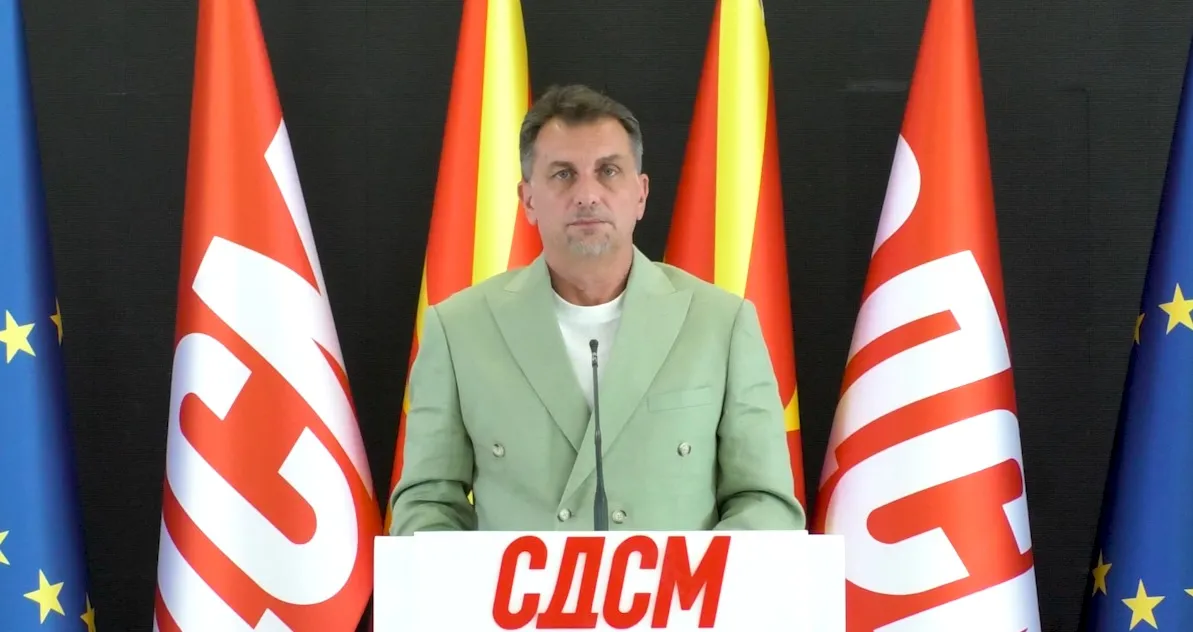
Around 250 children with disabilities, most of them first-graders, started the new school year without a teaching assistant. That is the claim of the opposition SDSM. The ministry of education and science answers that the claim is inaccurate and hypocritical, and states that 1,358 teaching assistants are currently engaged in primary and 166 in secondary education - 1,524 in total, the highest number so far.
Both sides are quoting real numbers. The problem is that they are talking about different things, and it is precisely in that gap that the children are sitting.
What the opposition says
Jovanče Manaskov of the SDSM education committee said at a press conference: "Around 250 children, most of them first-graders, are without the teaching assistants they need on 1 September. For them and for their parents, the first day of school was not a day of joy, but a day of fear, disappointment and uncertainty."
He also asked the most concrete question in the whole debate: schools submitted the requests for teaching assistance for first-graders by 30 June, once enrolment had closed. What did the ministry do with those requests in the two months that followed? And he added the arithmetic - if the hiring procedure takes more than 20 days, some of these children would realistically only get an assistant after 20 September.
What the ministry says
The ministry turns the lens backwards: "Four ministers in the government led by SDSM for seven years failed to secure teaching assistants for all pupils with disabilities." In 2024, according to the response, the last SDSM minister secured 800 teaching assistants, and only in primary education, while in secondary schools no specialist staff were engaged at all.
The ministry also states that a procedure is under way to engage an additional number of specialists in line with the needs reported by parents, that specialist services in schools are being strengthened, that ramps and accessible toilets are being installed, and that continuity of teaching has been introduced through online classes for pupils in longer hospital or home treatment. From the new academic year, scholarships for students with disabilities and rare diseases are also being introduced.
The two numbers are not in conflict
1,524 assistants today against 800 in 2024 is real growth and should not be minimised. But growth in the total number and the answer to the question "does this particular child in this particular classroom have an assistant on 1 September" are two different measures. One gets announced at a press conference. The other is lived by a parent walking a child to school.
Neither side claims that every child has an assistant. The ministry says the procedure is under way - which is an admission that there are children waiting. The whole question comes down to how many there are and how long they will wait.
That is a number neither statement gives. The parents know it by heart.
The latest 10 news from this category
A day before Serbia votes, Filipche accuses Vučić of preparing to steal the election, while the same post calls for...
Protests from Tirana to Paris, and in Skopje the search is on for foreign spies. Arsovski names the uncomfortable reason:...

The party leader is also the prime minister, and ahead of the runoff he is on the ground in Brvenica....
The opposition is counting who Brussels mentioned this week - Montenegro, Albania, Serbia, Kosovo. Not Macedonia. The prime minister, for...
SDSM's initiative was rejected unanimously, and the opposition cries political orders without proof. The bigger irony: the government that condemned...
A civil servant with two consecutive "1" ratings will lose their job by force of law. The rule sounds tough...
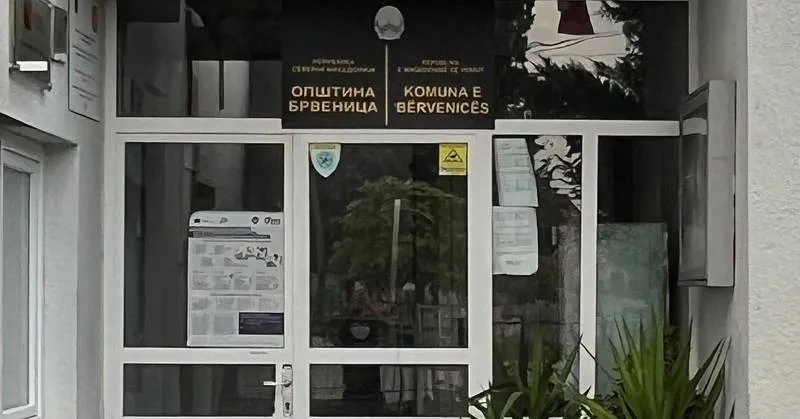
Radički and Jahij face off on 1 November. Every party found its own victory in the results, and the quietest...
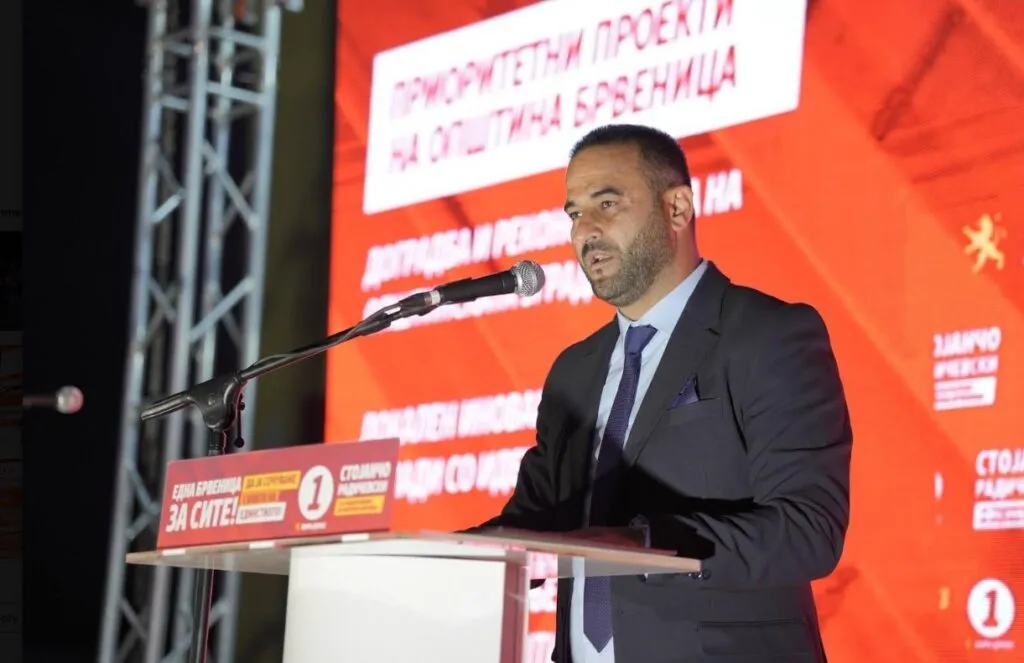
DUI nearly doubled its votes, Vlen lost 493 and SDSM grew from a low base. Radičevski and Jahij go into...
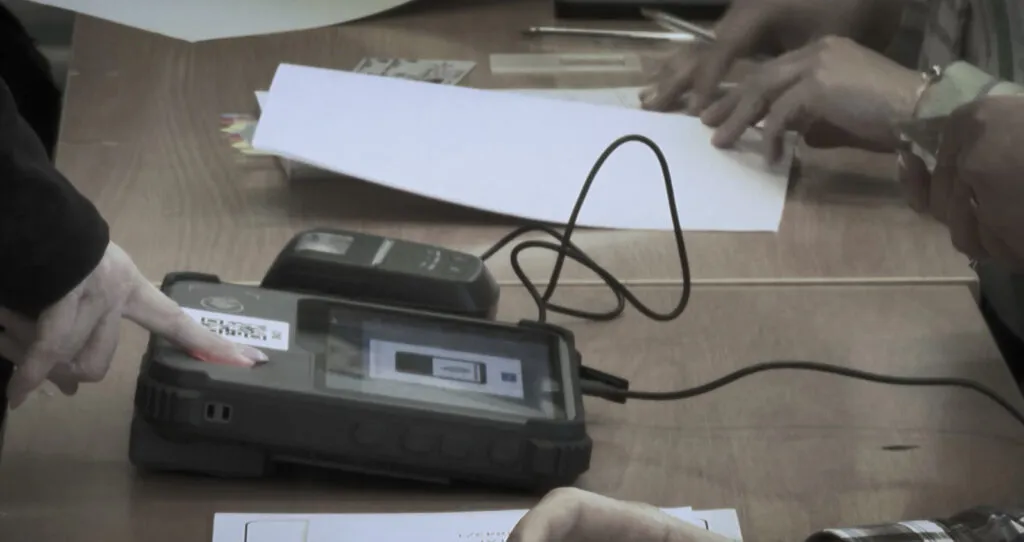
A new mayor is being elected on machines that only work thanks to a last-minute deal - even though the...
The Government says NATO allies will be the first to see the evidence about her escape. The question that remains...
This site uses cookies - is that okay? Learn more
Be the first to know when Metla launches something new
Leave your email and we will write when there is a new guide or something new on Metla.