Fire Near Veles Swallowed the Motorway in Smoke: Two Planes, Six Firefighters and Villagers With Shovels
29.07.2026


29.07.2026
29.07.2026

29.07.2026

29.07.2026

28.07.2026

27.07.2026
29.07.2026

29.07.2026

28.07.2026

29.07.2026
29.07.2026

29.07.2026

29.07.2026

28.07.2026

27.07.2026

29.07.2026

29.07.2026

29.07.2026

29.07.2026

29.07.2026
28.07.2026

09.03.2026

27.02.2026

19.02.2026

29.07.2026

28.07.2026

27.07.2026

23.04.2026

23.04.2026

12.04.2026
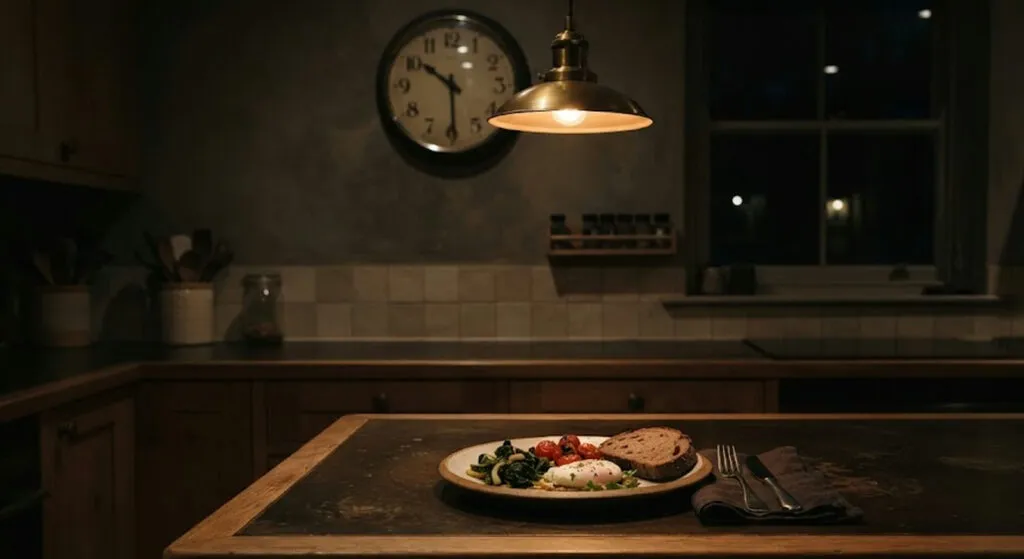
Every summer the same story: you eat later, you go to bed later, and in the morning you get up as if you had not slept at all. Then comes the conclusion everyone repeats - the hour of dinner is to blame. A nutritionist and biologist says there is truth in that, but not the truth we think.
Paula Hernandez, a specialist in digestive and hormonal health, frames the problem precisely: there is no magic hour after which the body stops working properly. What actually hurts is the quantity and heaviness of the meal, not the number on the clock. „If we have a very large or heavy meal late, especially close to bedtime, digestion is slower, reflux or heaviness appears, sleep quality worsens and the next day we wake up tired,” she says.
So you do not sleep badly because you ate at eleven. You sleep badly because at eleven you ate so much that your body spends the whole night working instead of resting. The difference is fundamental, because the first thing you cannot always change, and the second you can.
What she says about weight is more interesting still: „Eating late, in itself, does not make you gain weight.” What decides is the energy balance over time - how much you eat, how much you burn, and the quality of your diet. Weight does not look at the clock.
There is a biological layer nonetheless. The body follows circadian rhythms, so there are moments when we digest food better and moments when glucose tolerance, insulin sensitivity or digestive motility decline - late afternoon and evening, for instance, when melatonin secretion rises to prepare us for sleep. The body really does change through the day. That is just not a licence to blame one meal for everything.
The nutritionist insists that fatigue has many layers: „We cannot isolate the hour of eating alone. Many people who eat late also sleep less, have long working days, more stress or very large dinners.” That is the sentence most missing from the diet advice circulating online - there is always one culprit there, never five.
The practical part is unexpectedly simple. Do not arrive at your main meal ravenous - a few hours earlier eat something with protein and fibre so you do not overeat later. Balance the meal: protein, vegetables and a reasonable amount of carbohydrates. Leave at least two to three hours between the last substantial meal and bed. If lunch was late and large, make dinner lighter.
The final piece of advice is the least scientific and the most needed: no guilt. „Not everyone can eat at two in the afternoon or have dinner at eight, and a diet has to fit real life,” Hernandez says. That is the whole point - the quality of your diet, rest, stress and movement do far more for your energy than the exact hour of dinner.
The latest 10 news from this category
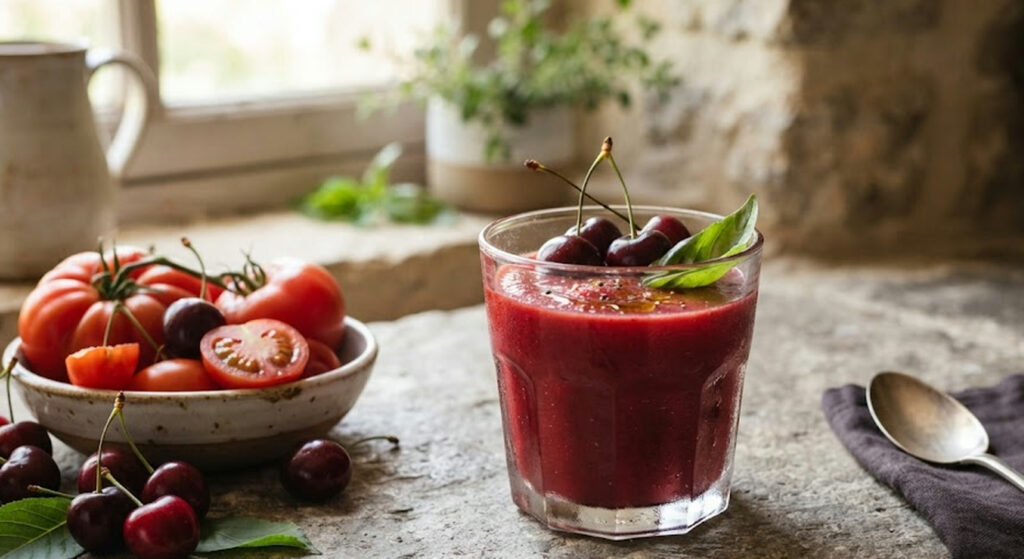
Vinegar, onion and pepper smother the taste of the fruit. That is why the cherries go in last, not together...

Not to weep, not to rage, but to understand. A 17th-century philosopher wrote the manual for family group chats, except...
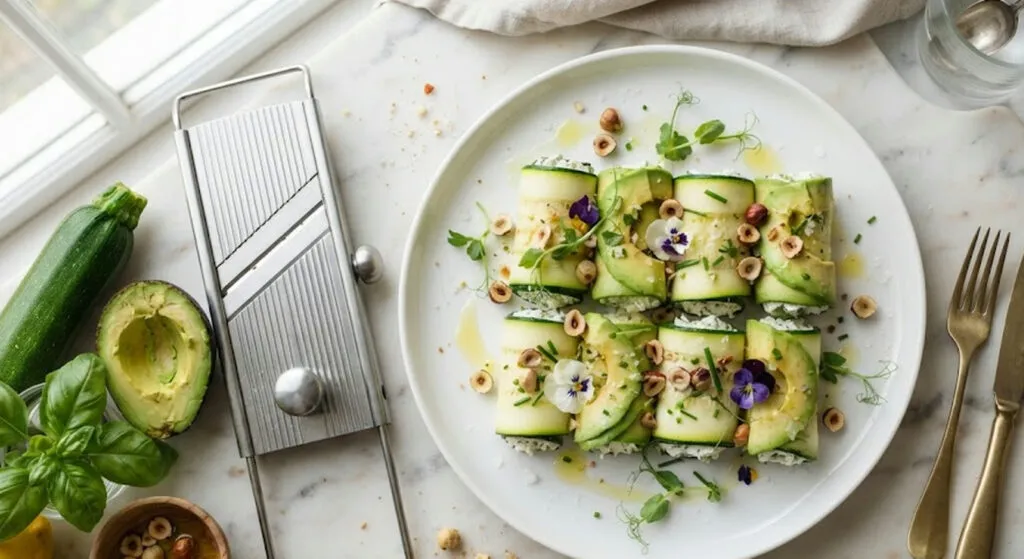
Everyone assumes cannelloni means oven and béchamel. It does not. Four cold versions, not a single degree of oven heat,...

The brain holds on to one criticism longer than to ten compliments. That is not weak willpower - it is...
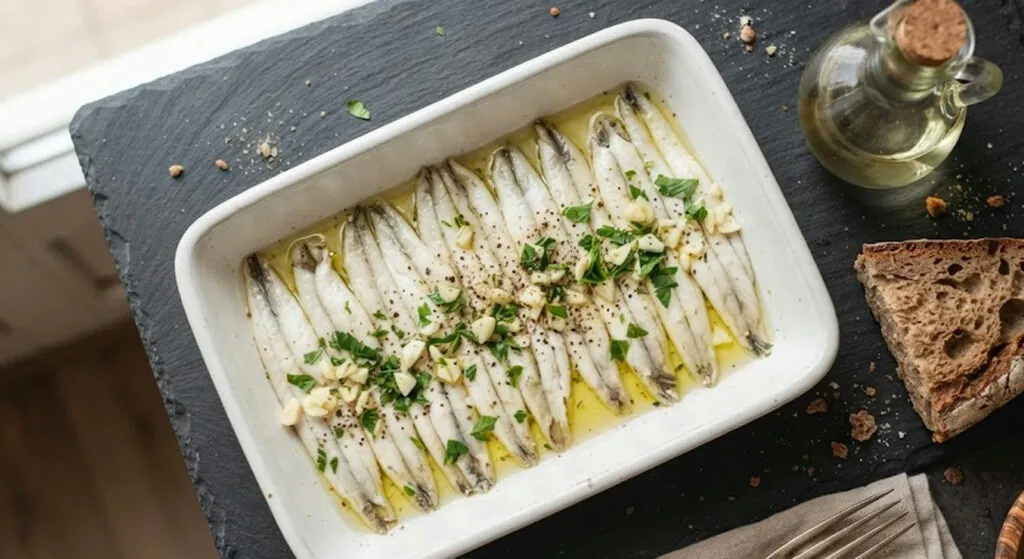
48 hours in the freezer is not a tip for better flavour. Anyone who tells you vinegar is enough is...
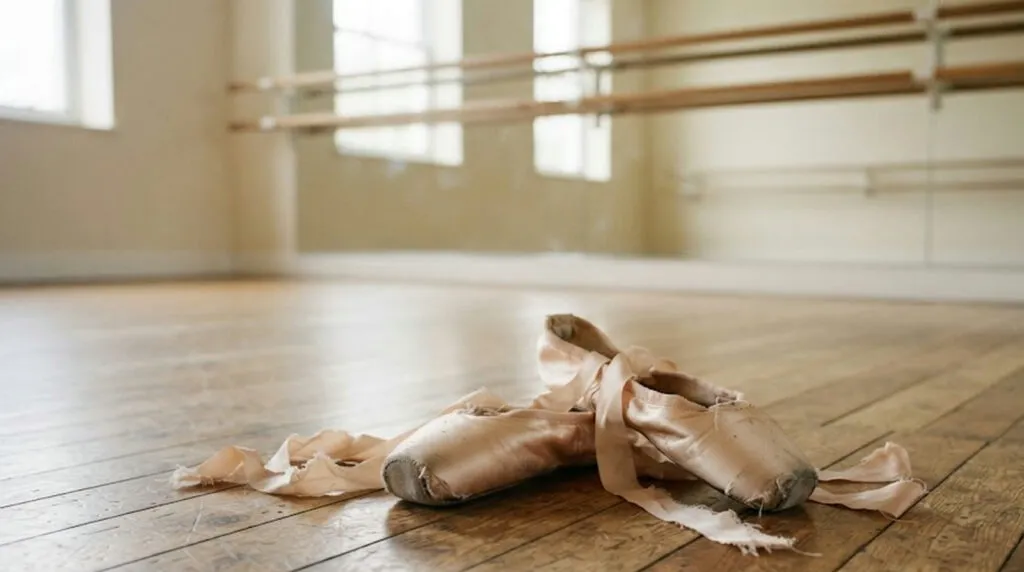
What looks like aesthetics has strength, balance and control behind it. A ballerina explains what actually changes in the body,...

The rough morning is usually not the drink's fault but the fault of a choice made in a shop for...
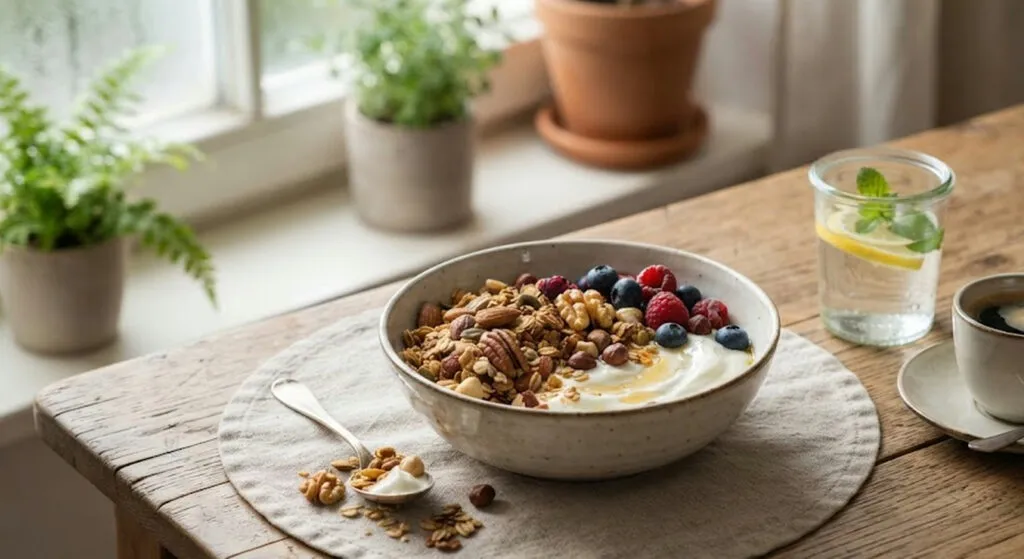
Yogurt, homemade granola and a little nuts. A nutritionist explains why fullness is a better indicator than the „healthy” label...

A dish everyone knows and no one makes the way it should be. An award-winning chef reveals why most versions...

You're always last on your own list, and that “everything else” never ends. An empty vessel fills nothing - not...
This site uses cookies - is that okay? Learn more
Be the first to know when Metla launches something new
Leave your email and we will write when there is a new guide or something new on Metla.