
Six Years of Fake Licence Categories Issued From an Interior Ministry Desk: Six Charged, 21 More Under Investigation
21.09.2026


21.09.2026

21.09.2026

21.09.2026

21.09.2026

21.09.2026

21.09.2026

21.09.2026

20.09.2026

20.09.2026

21.09.2026

21.09.2026

20.09.2026

21.09.2026

21.09.2026

21.09.2026

21.09.2026

20.09.2026

19.09.2026

21.09.2026

21.09.2026

21.09.2026

21.09.2026

21.09.2026

21.09.2026

09.03.2026

27.02.2026

19.02.2026

21.09.2026

21.09.2026

20.09.2026

23.04.2026

23.04.2026

12.04.2026

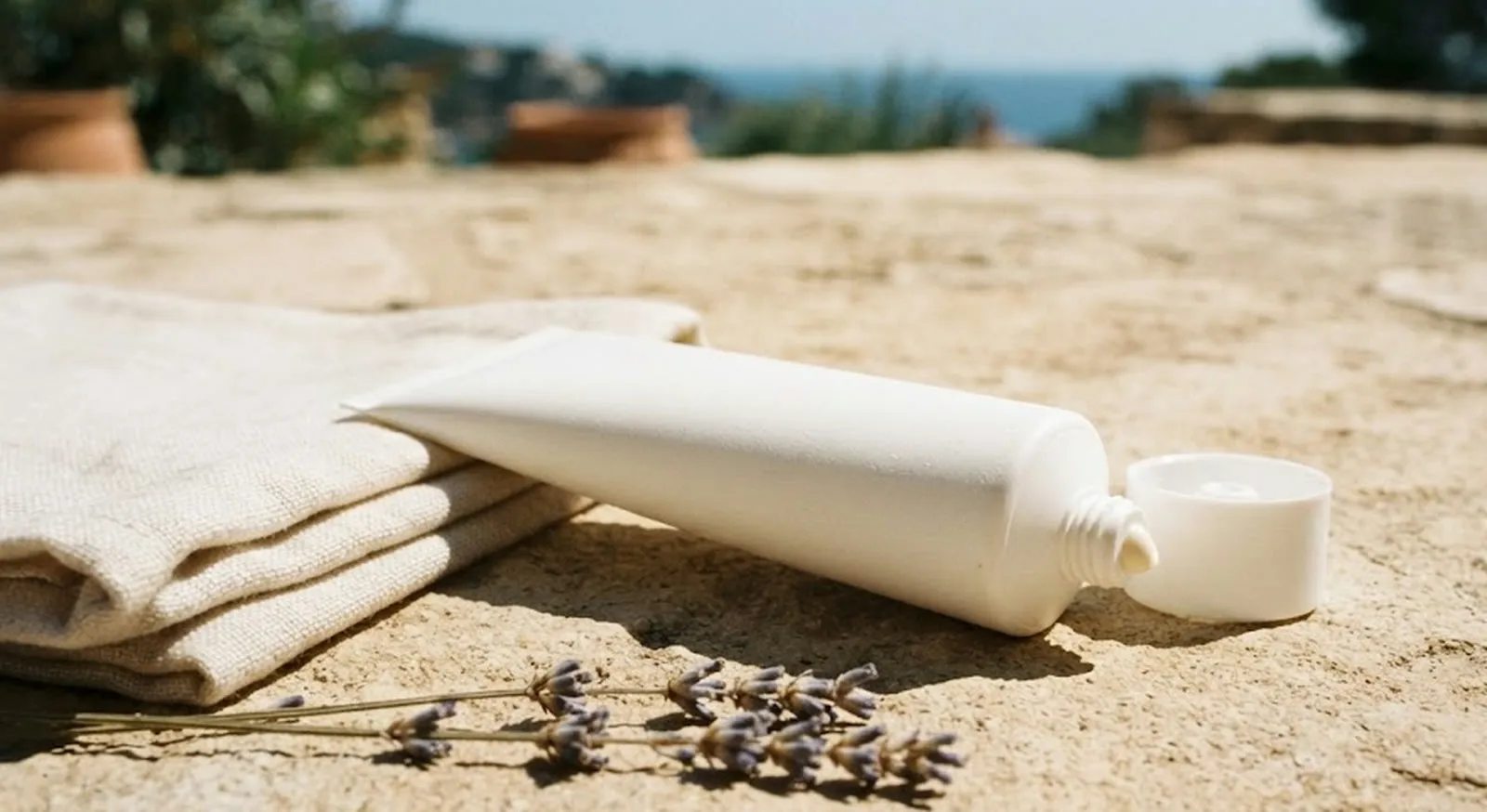
In summer the skin goes through a small obstacle course: sweat, sand, sunscreen, salt water and a heat that does not let up even in the evening. For some the result is a darker tan, for others irritation that lasts for weeks. The question of why the difference is so large has an answer that is rarely spoken in the adverts.
Dr Ana Huertas, a specialist in aesthetic medicine, frames the problem the opposite way round from usual: „The skin is an organ that reflects how our tissues age.” So the skin is not a surface on which something happens. It is a screen on which the state of the organism becomes visible.
From that follows the explanation for the differences between people: „Not all skins age at the same pace, because tissues do not retain the same capacity for regeneration. Heat and UV radiation act as external factors, but how each organism responds depends on different biological processes in each person.” The very same two weeks on the beach, then, do not mean the same thing for two different skins.
There is also the term thermal ageing - high temperatures increase the production of free radicals, which damages the skin independently of the sun's rays. That is the part most people overlook. Shade is not protection from heat, only from direct sun.
Her sharpest observation is about how we misread our own faces: „Ageing is often attributed to the sun or the heat, when in fact those factors reveal how skin tissue is ageing. Some skins retain a good capacity for repair for years, others lose it before any wrinkles even appear.” In other words, when you see a change after summer, the summer did not create it - it only revealed it.
The practical part is neither expensive nor new, and that is what stings most: daily hydration, avoiding the midday sun, sun protection every day and reapplying it through the day. Cream applied at eight in the morning is not working at four in the afternoon. That is physics, not marketing.
The last thing she says is what the skincare industry advertises least: sun damage is cumulative and starts accumulating in childhood. No bottle of serum brings back summers spent without protection. Which is why the best investment in your own skin is not the one you make at 40, but the one you make for your children today.
The latest 10 news from this category

Three days in a lab coat with colorimetry scientists to produce a collection in lime and tangerine. The design director...
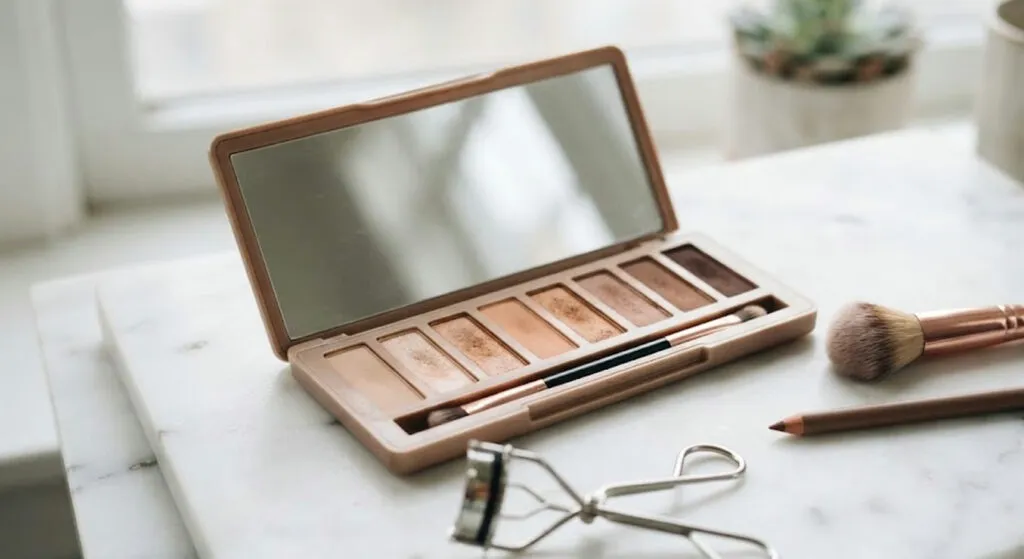
Cream concealer instead of powder, a brown pencil instead of black eyeliner, and a curler before the mascara. Not one...

A boat-neck gown and wildflowers that deliberately refuse to compete with the jewellery. A fourth generation under the same diadem,...

A communications expert says the trouser suit sidesteps sexist readings of hemlines and necklines. The same expert warns that the...
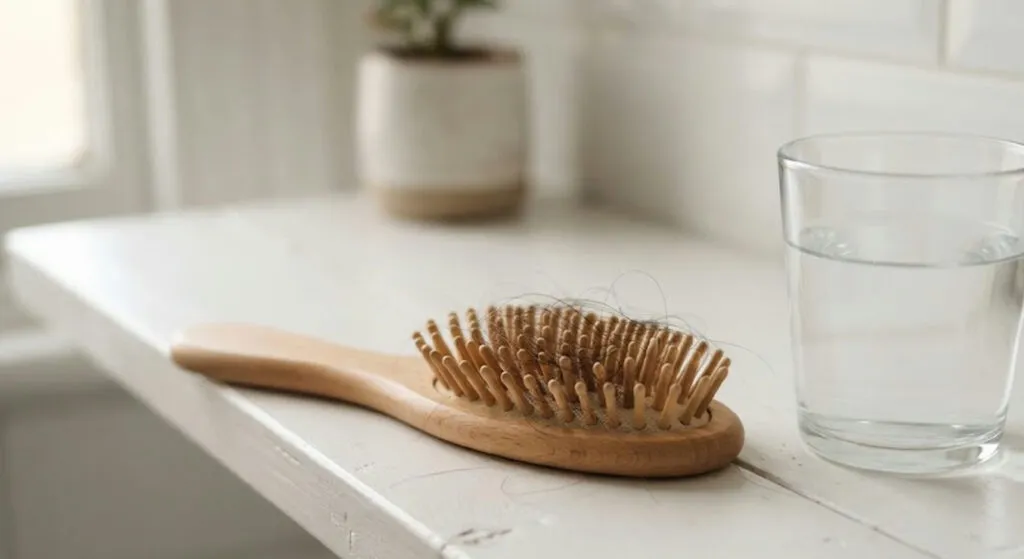
Dermatologists explain why the shedding arrives with a two to three month delay and why iron and vitamins do not...

Silk bambula muslin, a hand-draped waist and a veil of crystal organza. The wedding was held in Cadiz, where the...

An industry that spent decades selling a flawless illusion is suddenly showing the shoot itself. That is not candour -...

The classic bob promised one perfect day. This version works against the salon business model - and that alone is...

The crowns were held by four men who would all later sit on thrones of their own. Nobody in that...

Kate Middleton dropped the beige and the same cut suddenly looked twice as expensive. The industry sells a new silhouette...
This site uses cookies - is that okay? Learn more
Be the first to know when Metla launches something new
Leave your email and we will write when there is a new guide or something new on Metla.