Mickoski Said the Sentence Sofia Doesn't Want to Hear: "We Have a Bilateral Dispute"
27.09.2026


27.09.2026
27.09.2026
27.09.2026
27.09.2026
27.09.2026
27.09.2026
27.09.2026
26.09.2026
25.09.2026
27.09.2026
27.09.2026
26.09.2026
27.09.2026
27.09.2026
27.09.2026
27.09.2026
26.09.2026
25.09.2026
27.09.2026

27.09.2026

27.09.2026

27.09.2026
27.09.2026

27.09.2026

09.03.2026

27.02.2026

19.02.2026
27.09.2026
26.09.2026
25.09.2026

23.04.2026

23.04.2026

12.04.2026

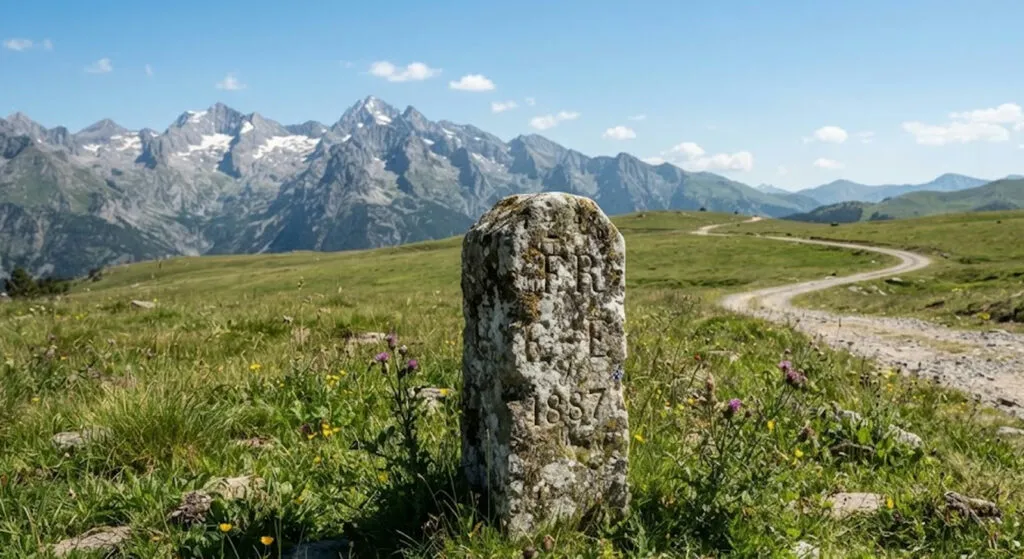
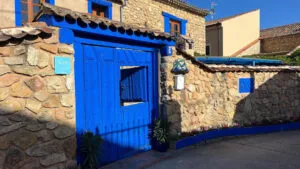
Drive out of Puigcerdà, on the Spanish side of the Pyrenees, along the N-154, and within a few minutes you're in France. A little later - without ever turning around - you're back in Spain: Spanish postcode, its own municipality, its own school. This is Llívia, an administrative island of 12.9 square kilometers home to about 1,500 people, completely surrounded by French municipalities, on a plateau more than 1,200 meters above sea level.
One word that redrew the map
In 1659, Philip IV and Louis XIV signed the Treaty of the Pyrenees, which ended the war between Spain and France and made the Pyrenees the border. The treaty handed 33 villages of Upper Cerdanya to France. But Llívia wasn't a village: back in 1528, King Charles I had granted it the status of "vila," meaning town. That legal detail saved it. The exception was confirmed in a separate agreement, and the borders were sealed by the Treaty of Bayonne in 1866 - with an obligation that Spain would never fortify Llívia militarily.
The umbilical cord linking it to the rest of Spain is the N-154, seven kilometers long. The 1866 treaty guarantees Spaniards free passage across French territory on the direct road between Llívia and Puigcerdà, and the bridge over the river Reur, according to the same document, belongs equally to both countries. The road even had its comic episode: in the eighties, in the so-called "stop sign war," Spaniards kept pulling out the signs French authorities put up at two points along the short stretch. Today there are two roundabouts there.
In the Balkans, where so many borders were drawn after wars and in foreign capitals, a story like this sounds almost like a fairy tale: a town entirely surrounded by a neighboring country, with a road through foreign land that people drive every day without anyone lifting a barrier. Spain and France are both in Schengen, so the border here is more history than obstacle. How many borders in our part of the world could ever be this boring?
A pharmacy more than four centuries old
The greatest treasure of the old town is in the Municipal Museum, in the same building as the town hall. On display there is the Esteve pharmacy, documented by the municipality from 1594 - the Catalan government even dates it to 1415 - and considered one of the oldest in Europe. The Esteve family ran it from the early 17th century until it closed in 1926. Four decades later the provincial government of Girona bought it and preserved everything: the furniture, the lab equipment, the preparations, the 19th-century glass jars. The most beautiful pieces are the Renaissance wooden boxes painted with saints, apothecaries and doctors, and the cobalt-blue ceramic vessels.
A church with towers and a Roman forum beneath it
At the top of the town stands the Church of Our Lady of the Angels, in Catalan Gothic style, its south facade guarded by two round defensive towers - it looks more like a fortress than a place of worship. Inside are 13 tombstones from the 15th to the 19th centuries and a 13th-century wooden crucifix. The clock on the bell tower stood at 3:40 pm for years until it was repaired in 2025. Since 1981 the church has hosted a classical music festival. Opposite the museum is the Bernat de So tower, first mentioned in 1366. The current building dates from the 16th century, and in the 19th century it served as a royal prison.
A few steps above the church, archaeologists are still digging up the forum of Iulia Libica, the Roman town that preceded Llívia - the only forum ever found in the Pyrenees, built in the 1st century BC. Rome chose the spot for its hill with a 360-degree view over the valley, and from 49 BC it had a military fort there. The church itself stands on the remains of the forum. Highest of all are the ruins of the castle that French King Louis XI ordered torn down - today the best natural viewpoint in the valley, reached by a loop trail under three kilometers long.
Wine from 1,200 meters and a mountain in another country
In 2011, Anna and Isaac, together with three friends, founded Llivins - the first winery in Cerdanya, with organic vineyards at over 1,200 meters. Among their wines is an ice wine, and in 2025 their Floc de Gel earned a quality label from the province of Girona. Llívia even has its own mountain - in France. The Bac de Llívia, 1,300 hectares of forests, pastures and lakes at the foot of the Carlit peak, is owned by the municipality, and the 1866 treaty guarantees Llívia's livestock free passage across French territory to the pastures.
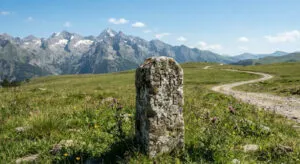
For border lovers, the best walk is along the perimeter, marked by 45 boundary stones placed in the 19th century - each with its own story of neighborly lawsuits over pastures, water, roads and taxes. The best time to visit is October, during the European Heritage Days, and autumn is also mushroom season in Cerdanya. A tip for visitors: take the full guided tour of the museum, because the pharmacy, the forum, the church and the castle are hard to read on your own.
The latest 10 news from this category
Cologne, Zurich, Lugano and Lake Como in one night, with stations in the centre of every city. Europe's night train...
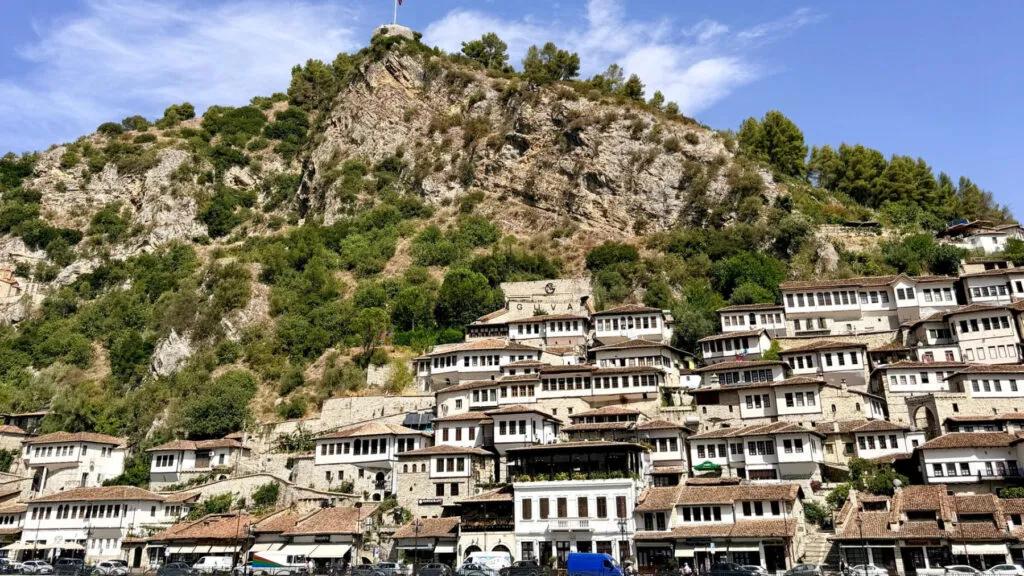
UNESCO-listed stone towns, Ottoman bazaars, bunkers turned into museums and beaches compared to the Caribbean. A neighbour that deserves more...
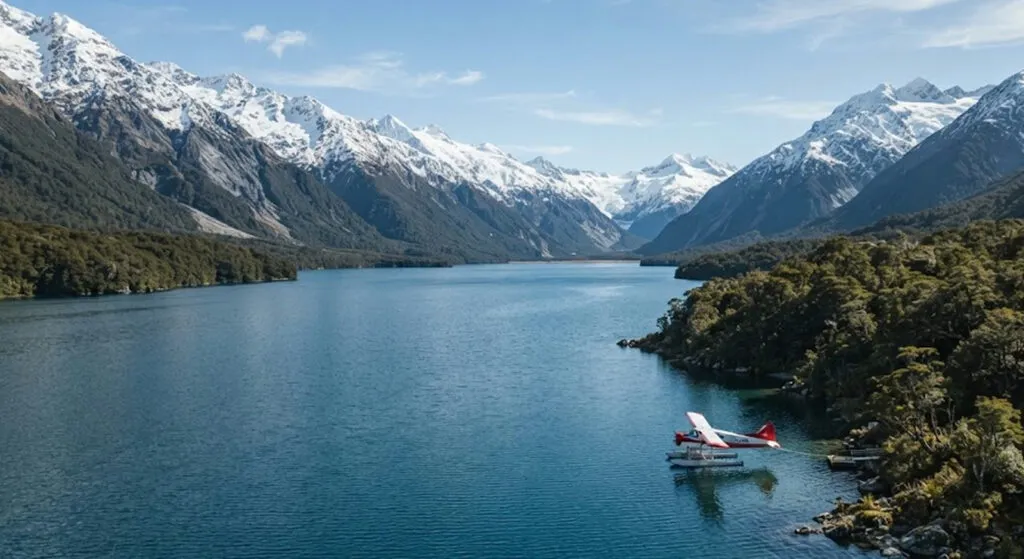
Brad Pitt fights to survive the Alaskan wilderness, while the camera stood in New Zealand the whole time. Where exactly...
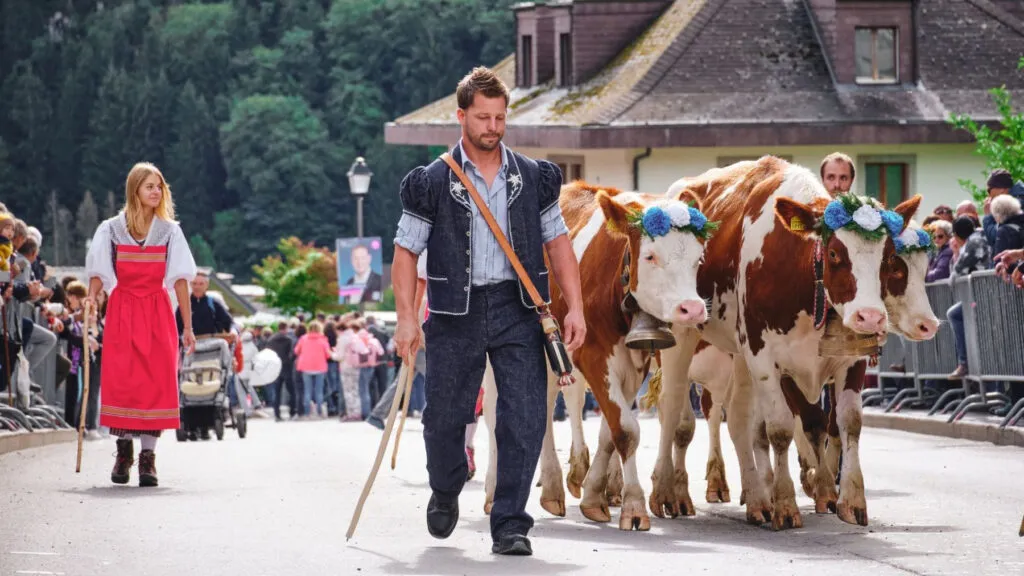
UNESCO protected the tradition in 2023, and the song sung there is documented as far back as 1545 - it...
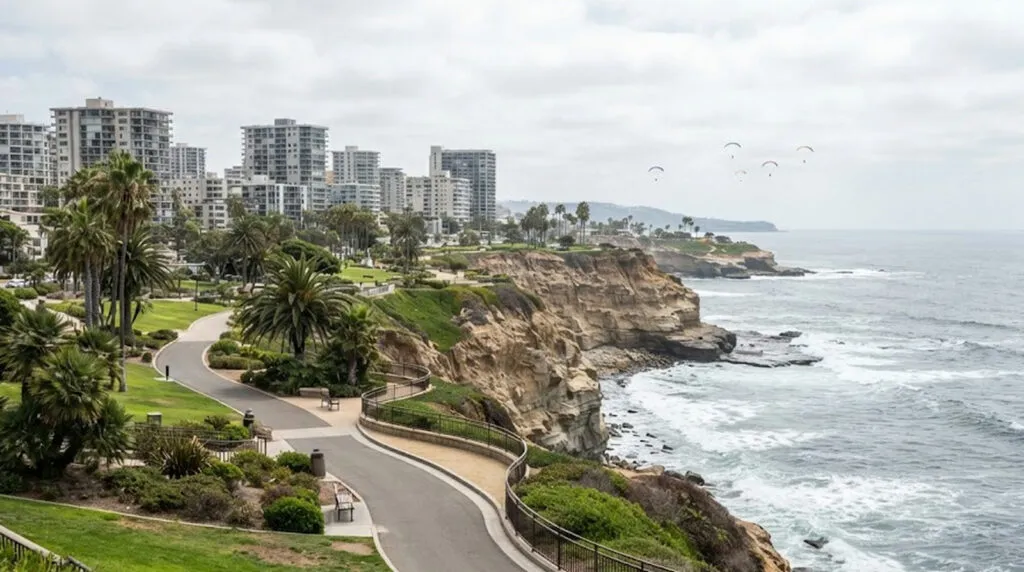
Miraflores sits on the edge of cliffs above the Pacific and has a fourth-century ceremonial centre in the middle of...
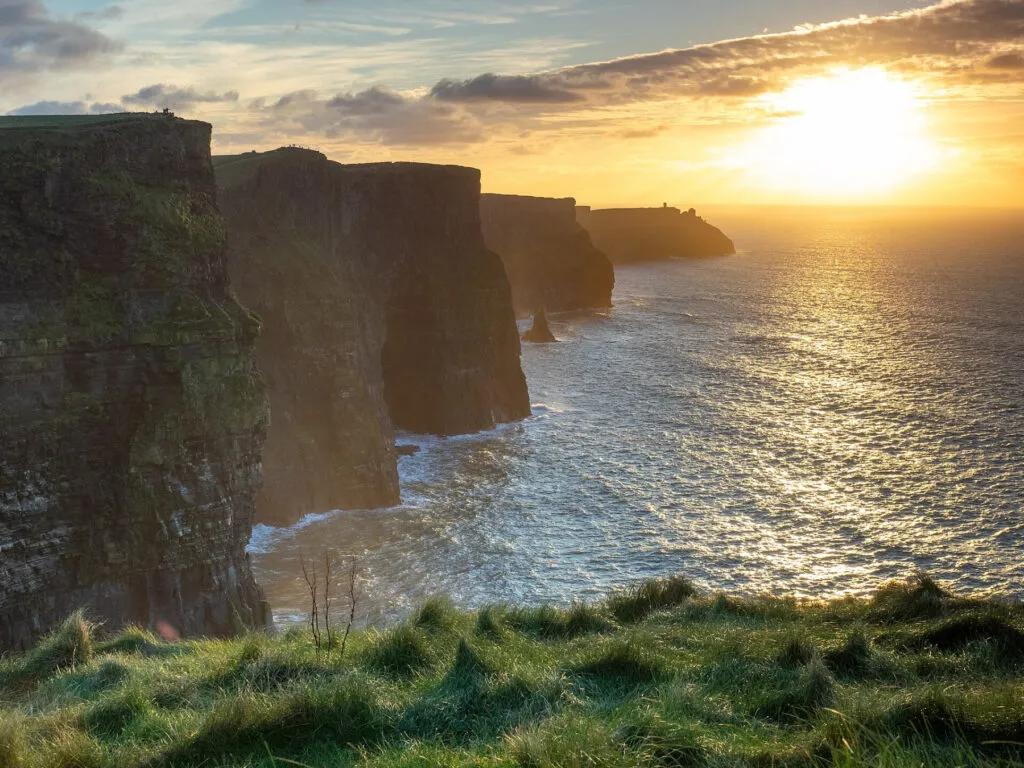
A castle with a banquet every night, a pub from 1620, a dolmen with an arrowhead still in a pelvis,...
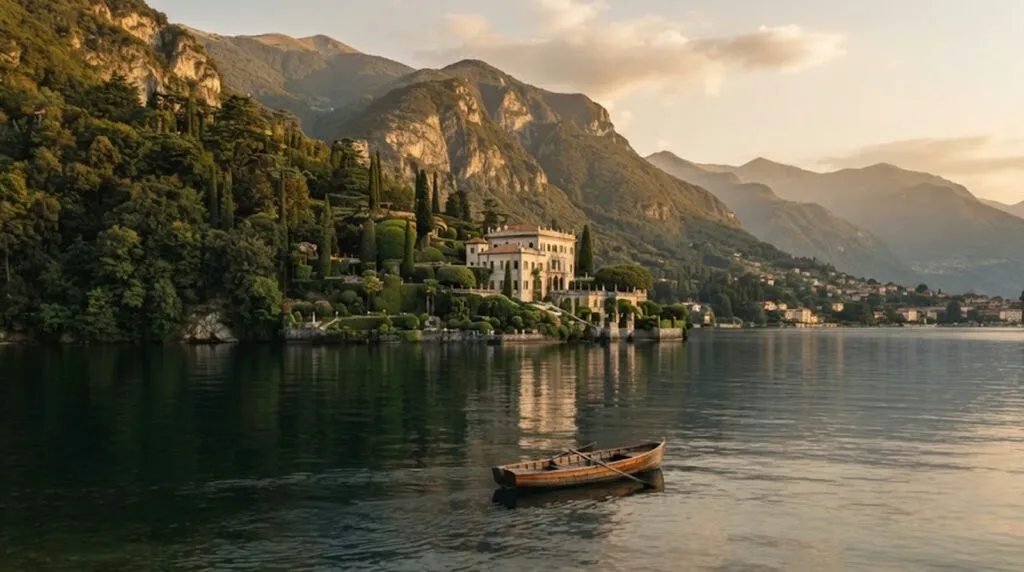
Tremezzo, Bellagio, Varenna and the villa where Star Wars and Casino Royale were filmed - all on the same line...
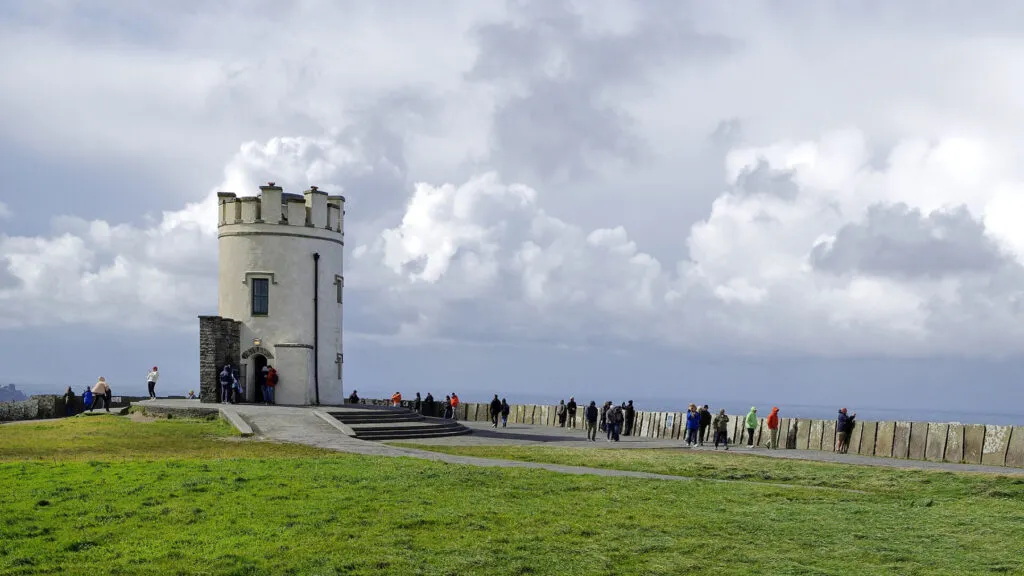
Every airport on the planet copies that model, and almost nobody knows where it started. Around it - cliffs 214...
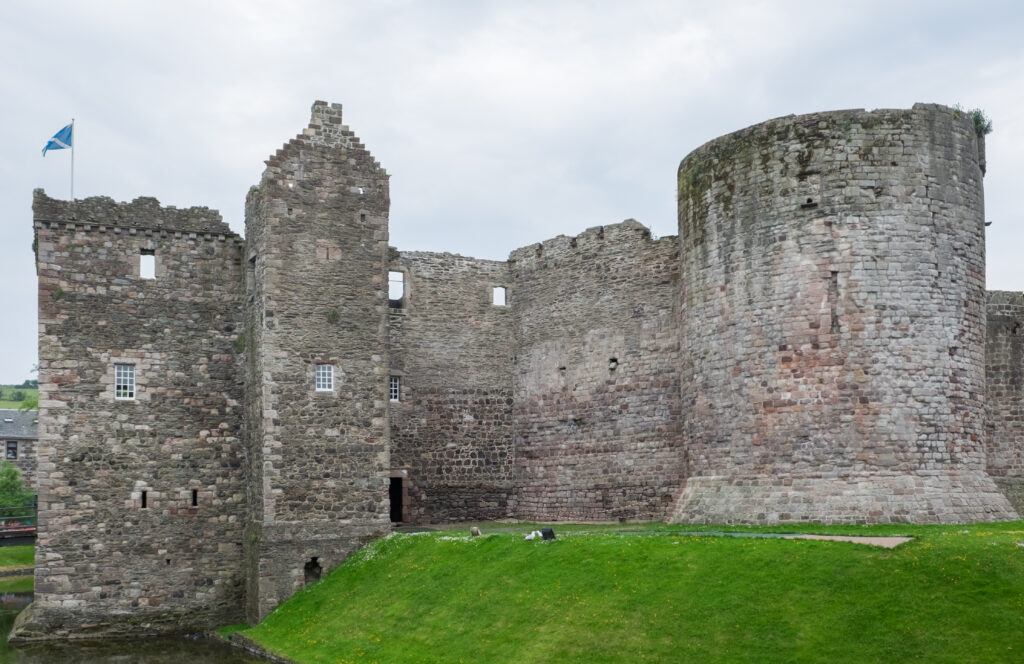
The royal couple walked yesterday into a pub the village bought back for itself. How many buildings like that sit...

Of twenty-five new inscriptions, five are natural - and only one is in Europe. For the richest of them, the...
This site uses cookies - is that okay? Learn more
Be the first to know when Metla launches something new
Leave your email and we will write when there is a new guide or something new on Metla.