
Mickoski Said the Sentence Sofia Doesn't Want to Hear: "We Have a Bilateral Dispute"
27.09.2026


27.09.2026
27.09.2026

27.09.2026

27.09.2026

27.09.2026
27.09.2026

27.09.2026

26.09.2026

25.09.2026
27.09.2026

27.09.2026
26.09.2026
27.09.2026

27.09.2026
27.09.2026

27.09.2026

26.09.2026

25.09.2026
27.09.2026

27.09.2026
27.09.2026

27.09.2026
27.09.2026

27.09.2026

09.03.2026

27.02.2026

19.02.2026

27.09.2026

26.09.2026

25.09.2026

23.04.2026

23.04.2026

12.04.2026

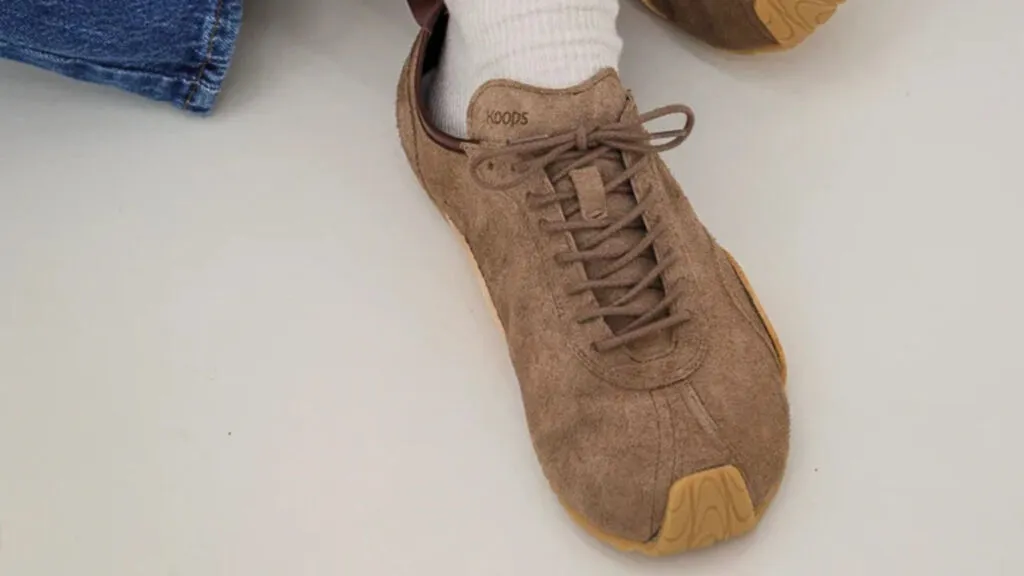
For centuries, footwear was one of the quietest ways to show who was in charge. A heel marked the courtier, a rare material the man who didn't have to think about practicality, and a certain color of sole that you stood above everyone else. That's why what royal houses are doing today is almost subversive: they're choosing shoes because they're comfortable.
The heel, in fact, wasn't invented for beauty. Persian horsemen in the 10th century used a small heel to secure the foot in the stirrup and stay steady while shooting from horseback. Centuries later, in 16th- and 17th-century Europe, the practical solution became a symbol - and it was aristocratic men who adopted it first, before women. Louis XIV understood the political power of the shoe better than anyone: at his court, red heels were tied to the privileges of the nobility. Impracticality was the point - a shoe you can barely walk in shows you don't have to walk.
The British crown has the opposite example too. Queen Victoria is credited with popularizing the elastic-sided boots that later became Chelsea boots: her shoemaker J. Sparkes-Hall created a lace-free model that was easy to put on and practical for riding. The answer to a practical problem became a fashion icon - from the court to London's mod culture in the sixties.
The real turning point came with Princess Diana. She wasn't the first royal in sneakers, but she was one of the first to turn them into a recognizable language: tracksuit, leggings, sneakers - and still an icon of elegance. In 1988, visiting the Royal Hampshire Regiment, she showed up in pink Converse. From today's perspective that looks trivial. At the time, it wasn't.
Kate Middleton then didn't have to break any rules - she just had to wear them. Superga, Nike, New Balance and, most often, Veja became a normal part of her casual wardrobe. When Diana put on sneakers, it was news. When Kate does, they're just sneakers. Queen Letizia and her daughters Leonor and Sofía, meanwhile, brought espadrilles, the traditional canvas-and-jute shoes, to their summer outings in Mallorca in 2022. The irony is that Queen Elizabeth II, according to the British press, couldn't stand wedge shoes, and Kate kept wearing them anyway.
Letizia and the shoe that doesn't get in the foot's way
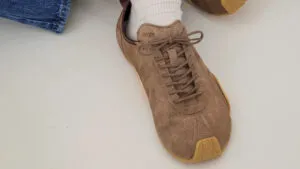
In 2024, after an injury to her right foot, Letizia began appearing in so-called barefoot sneakers - one of the most talked-about was the Geo Court III by Vivobarefoot, which she wore to several public events. The category proposes a different relationship with the foot: a wider toe box, a flexible flat sole, as little as possible between the foot and the ground. A sober note is needed here: studies point to possible changes in foot muscle strength, but the latest reviews say the certainty of evidence for several outcomes is low or very low. Philosophy is one thing, marketing promises another.
Spanish brands in this category know that well. Manel García Prats, co-founder of Ohne Project, says these shoes "no longer correspond to one specific profile" and that the goal isn't for a queen to wear a particular model but normalization: "Visibility always helps, but what really matters is normalization." His sharpest line is about status: "Status used to be much more tied to the conspicuous, even to the uncomfortable. Today it's also about quality, design, authenticity and how a product makes you feel."
Sofía Vega-Penichet of Koops explains the reverse order of the sale: first you have to like the shoe, and only then do you ask what it does. "To introduce the world to this, it was essential for aesthetics to go hand in hand with function," she says. Their Zen model, developed with podiatrist Neus Moya, is made of unlined natural leather, with a wide toe and a flexible sole. "We were much more surprised when we saw Queen Letizia in barefoot shoes, above all because of the strict standards of etiquette," Vega-Penichet admits. She calls her philosophy "no compromise" - neither on looks nor on comfort.
The brands themselves admit the movement is smaller than it looks from the inside - "there's still a way to go," says García Prats. But the line is clear: Diana democratized sneakers, Kate normalized them, and Letizia is opening a conversation about what it means for a shoe to be truly comfortable. How many women will stand through the next wedding in heels just because "that's how it's done"?
The latest 10 news from this category
The Hollywood star has an alarm for going to bed and keeps her bedroom no warmer than 24 degrees. Skin...
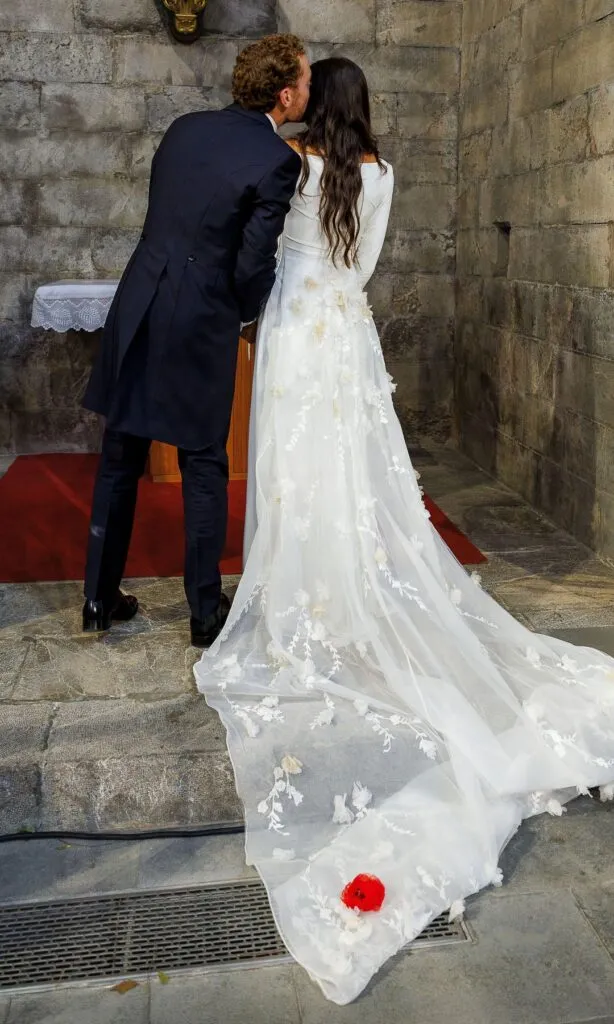
Over 600 guests from Spanish business, politics and media, yet the most talked-about thing was a tiny detail at the...

After six years the Belgian designer leaves for Maison Margiela, signing off with a collection where nothing is what it...
When summer fades, plenty of people reach for a foundation one shade darker. Make-up artists say a tan is built...
Silk crêpe from a bridal atelier with four decades behind it, a waltz and guests from the Spanish aristocracy. The...
An industry that sells something new every season, and one of its biggest fashion houses came out with one garment...
For years we were scared off with blue light. Now even skincare experts say eight hours in front of a...
An engagement announced just five months before the wedding, a banquet packed with royals and a bride without a crown....
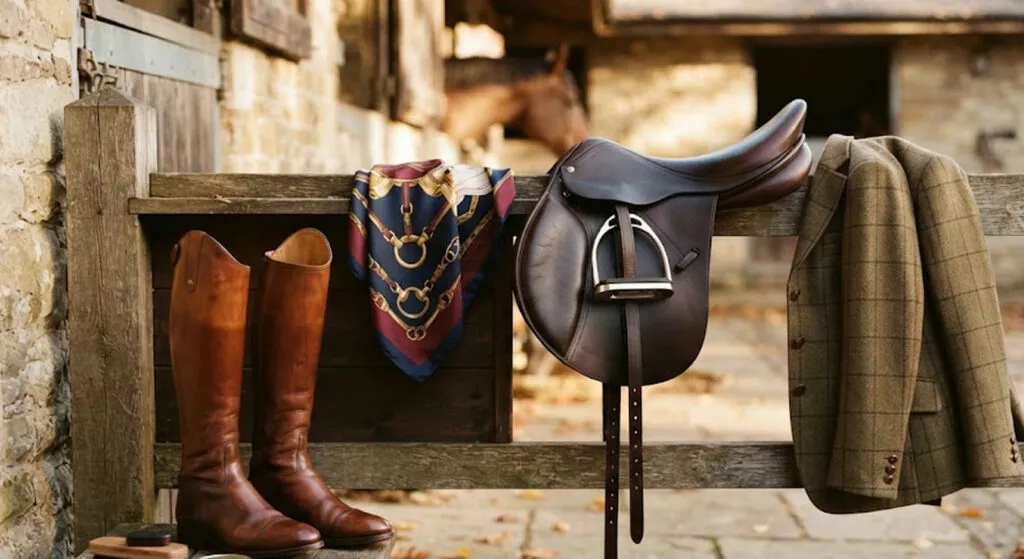
Hermès started out making horse tack, and Longines has been timing racecourses since 1912. The equestrian trend isn't a story...

A higher percentage sounds better on the label, but experts say that's exactly where the mistakes begin. Two or three...
This site uses cookies - is that okay? Learn more
Be the first to know when Metla launches something new
Leave your email and we will write when there is a new guide or something new on Metla.