
Mickoski Said the Sentence Sofia Doesn't Want to Hear: "We Have a Bilateral Dispute"
27.09.2026


27.09.2026

27.09.2026

27.09.2026

27.09.2026

27.09.2026
27.09.2026

27.09.2026

26.09.2026

25.09.2026

27.09.2026
27.09.2026
26.09.2026
27.09.2026

27.09.2026

27.09.2026

27.09.2026

26.09.2026

25.09.2026

27.09.2026

27.09.2026

27.09.2026

27.09.2026
27.09.2026

27.09.2026

09.03.2026

27.02.2026

19.02.2026

27.09.2026

26.09.2026

25.09.2026

23.04.2026

23.04.2026

12.04.2026

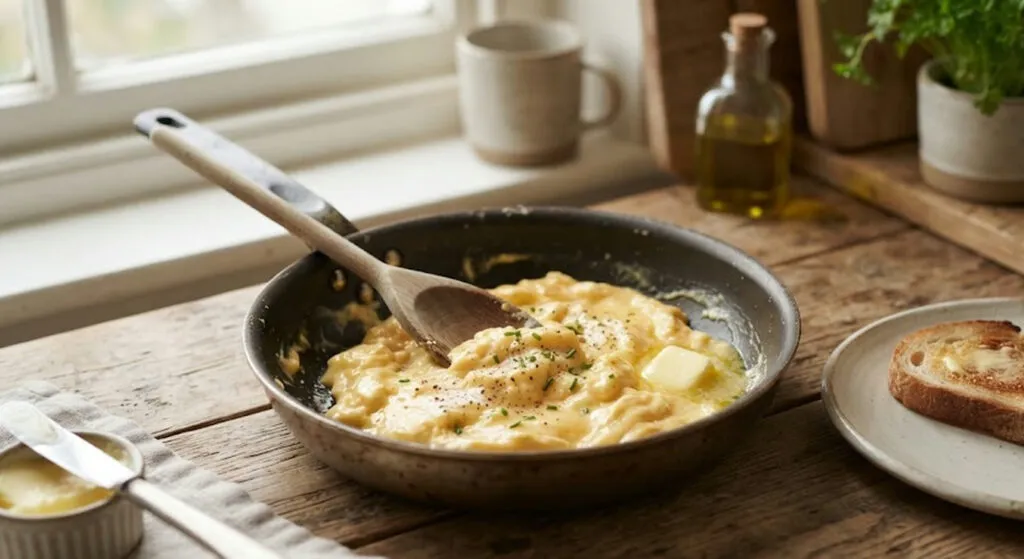
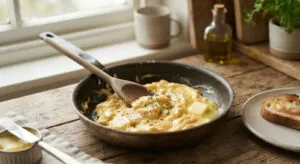
Everyone knows how to scramble eggs - or so we think. As with fried eggs or an omelet, the seemingly simplest recipes in the kitchen are the easiest to ruin. The reason is almost always the same: heat that's too high and bad timing while the eggs set.
The golden rule: take the eggs off the heat when they're a shade less done than you want to eat them. The residual heat will finish the job on the plate. That way the eggs stay juicy and slightly glossy. Overcook them and they turn dry and dull - and there's no coming back from that.
The heat should be medium-low and the stirring constant, so you control how the proteins set. For total control, some chefs make them in a water bath, where the temperature never goes above 100 degrees. But an ordinary pan works too, as long as you respect a few things.
Five steps to creamy scrambled eggs
First, the eggs have to be fresh, and it's a good idea to take them out of the fridge a few minutes early so they warm up. Second, you don't have to beat them beforehand - cracking them straight into the pan is enough. If you do beat them, don't overdo it: beaten eggs come out more even, while unbeaten ones give curds of different sizes and a more irregular texture. Third, a spoonful of butter, oil or a mix of the two is enough, in a non-stick pan sized to the number of eggs. Heat the fat over low heat before adding the eggs.
Fourth, season with salt and pepper, stir with a wooden spoon or silicone spatula, let them set a little, then keep stirring from the edges toward the middle. Fifth, repeat without stopping and watch for the moment they stop being raw and the texture turns creamy - usually within two to three minutes. Take them off the heat and serve immediately.
Famous chefs have their own tricks. Spain's Alberto Chicote adds one extra yolk for creamier eggs and salts them only at the end. Karlos Arguiñano recommends mixing the eggs, but not all the way - so you can still see bits of white and yolk. Gordon Ramsay starts with a cold pan, turns the heat up gradually as he stirs, and finishes with a little sour cream.
Once you've mastered the technique, the variations are endless: bacon, which the English-speaking world made the standard companion, but also vegetables, fish, seafood, cheese, tomato, cured meats, mushrooms. Still, no add-in can save eggs that stayed on the heat a minute too long.
The latest 10 news from this category
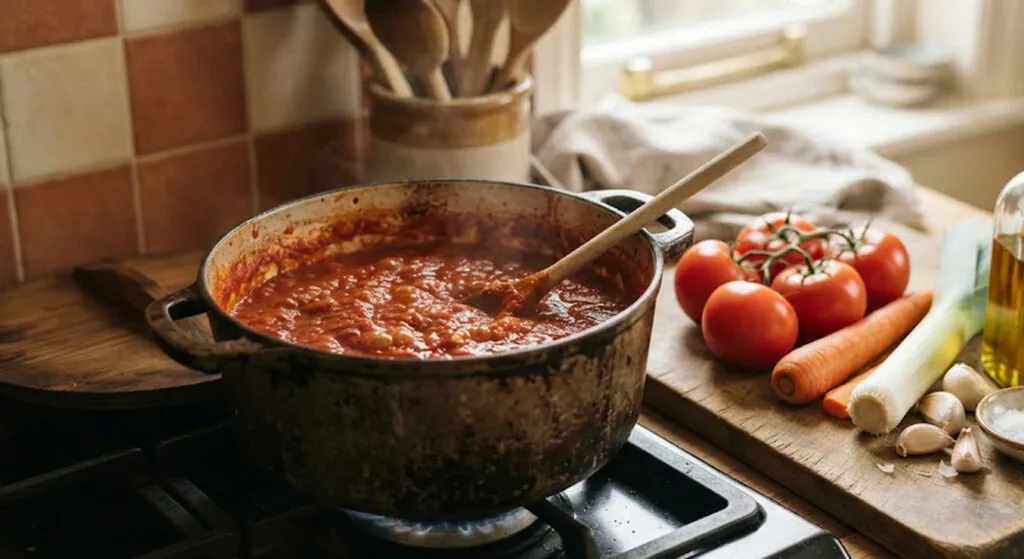
Six tomatoes, two carrots, a leek, garlic and patience. The recipe is simple, and the only secret is the time...
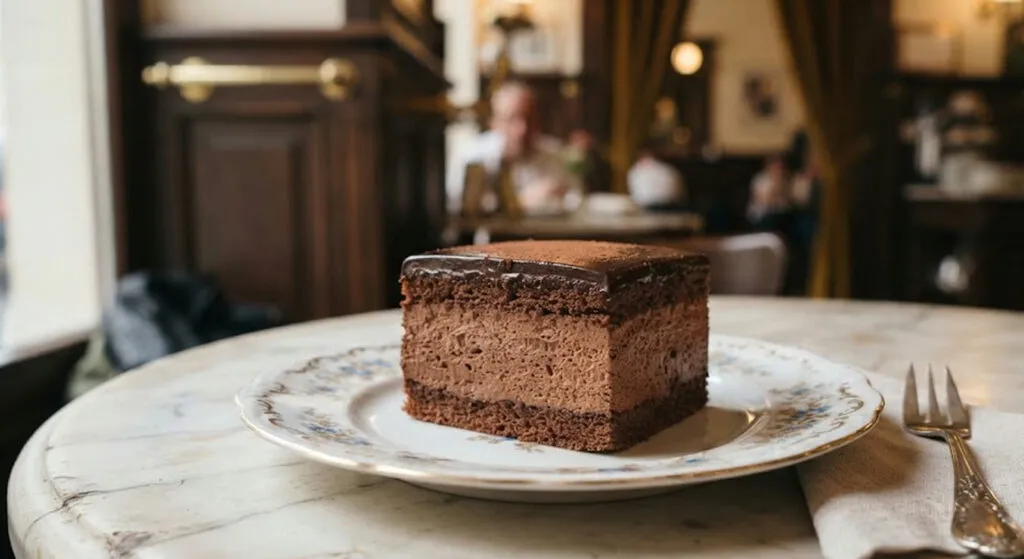
The scandal lasted less than a decade; the cake has survived more than a century. The step that makes it...
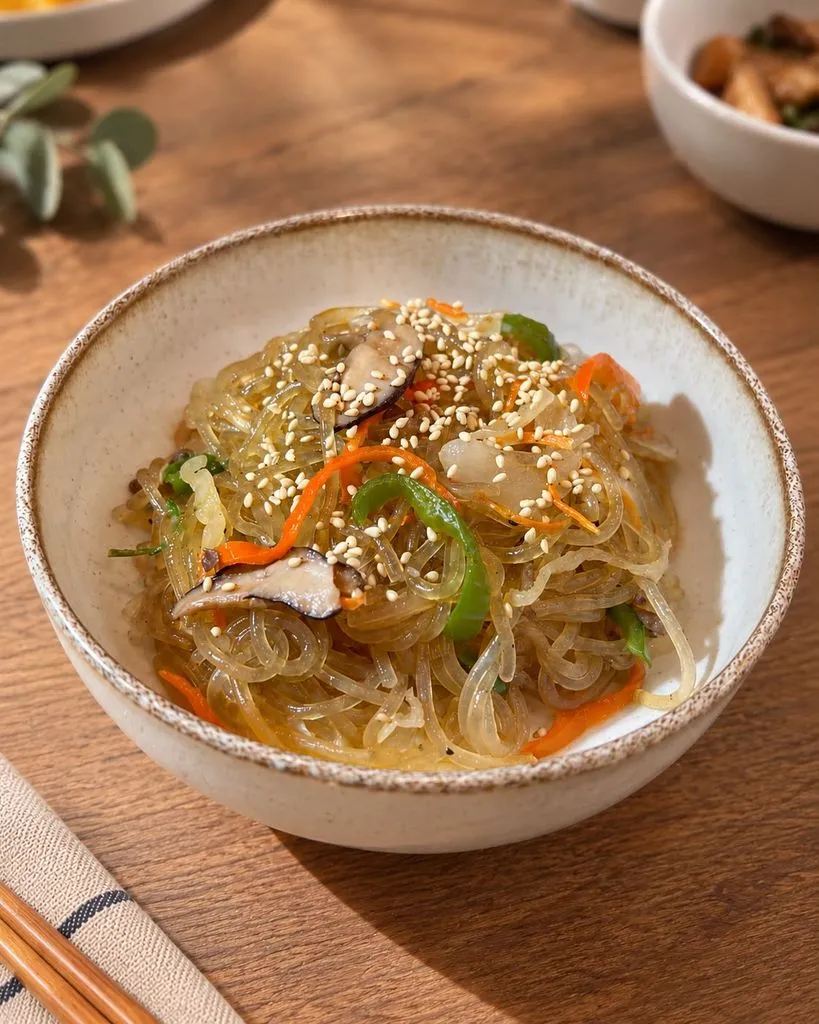
The five dishes of Chuseok take days of work, and fewer and fewer people have the time. Why slowness is...
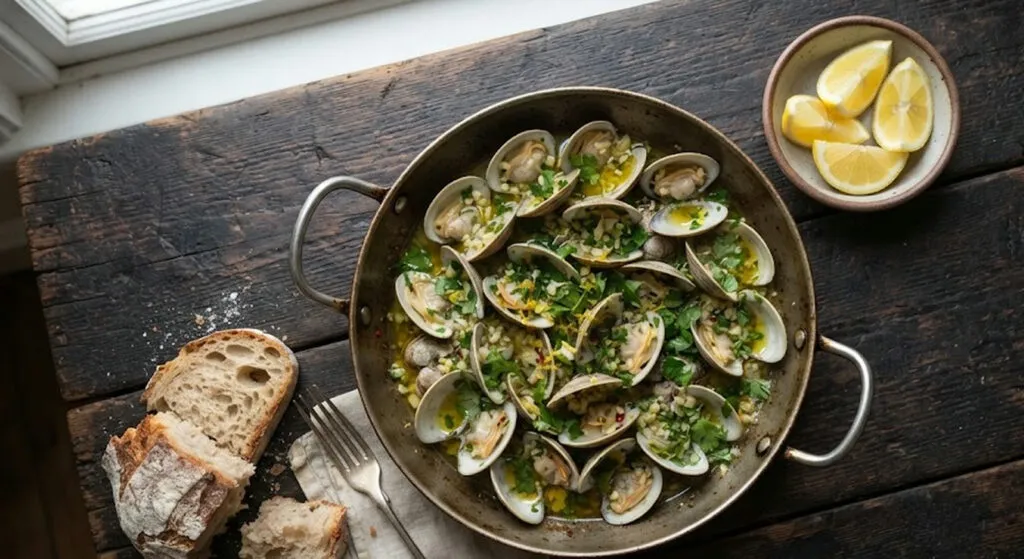
Five ingredients, fifteen minutes of cooking and the name of a nineteenth-century poet. Skip the soaking and you get a...
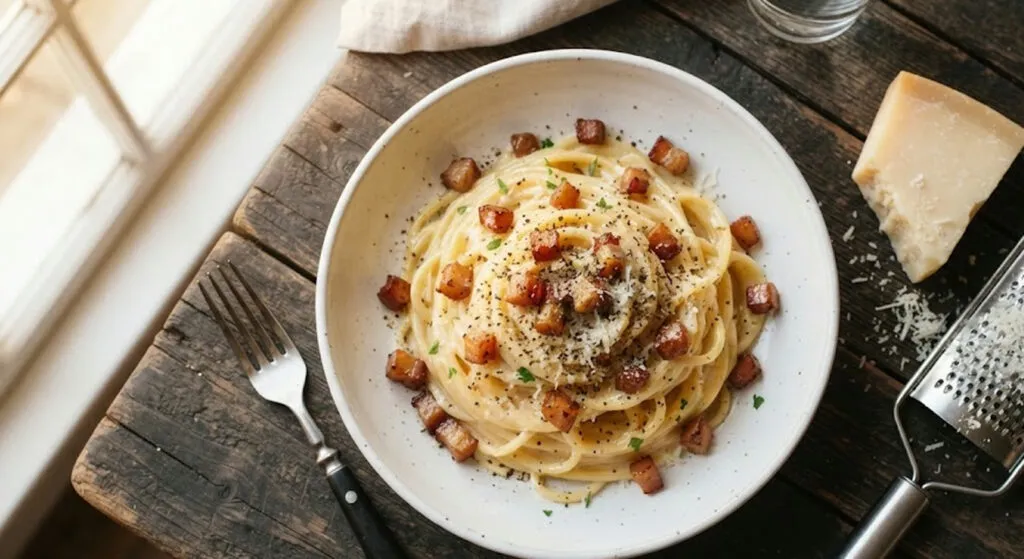
Cream in carbonara is an invention that took hold outside Rome. If the pan is hot when the eggs go...
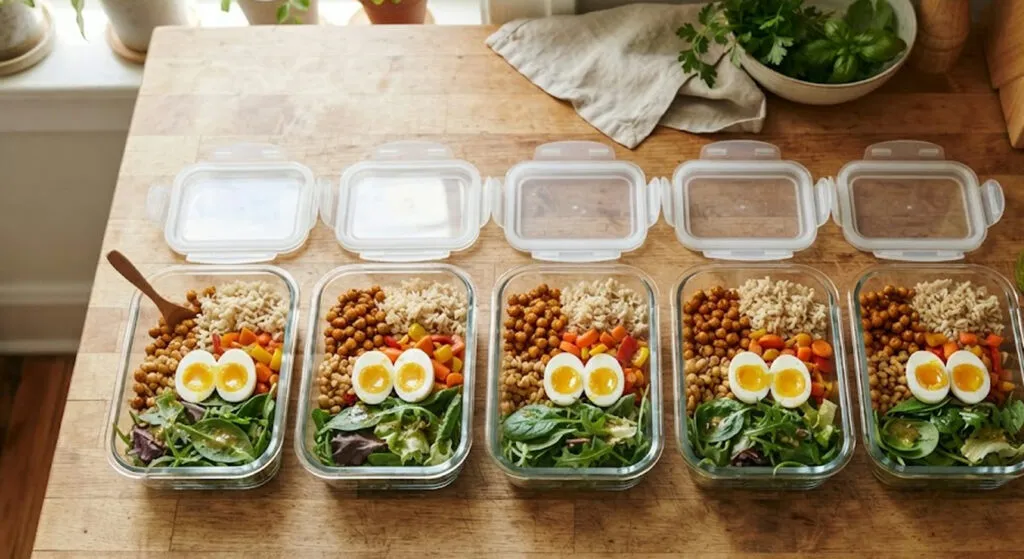
Components separately, or full boxes ready to reheat. One gives you variety, the other speed, and blanching your vegetables before...
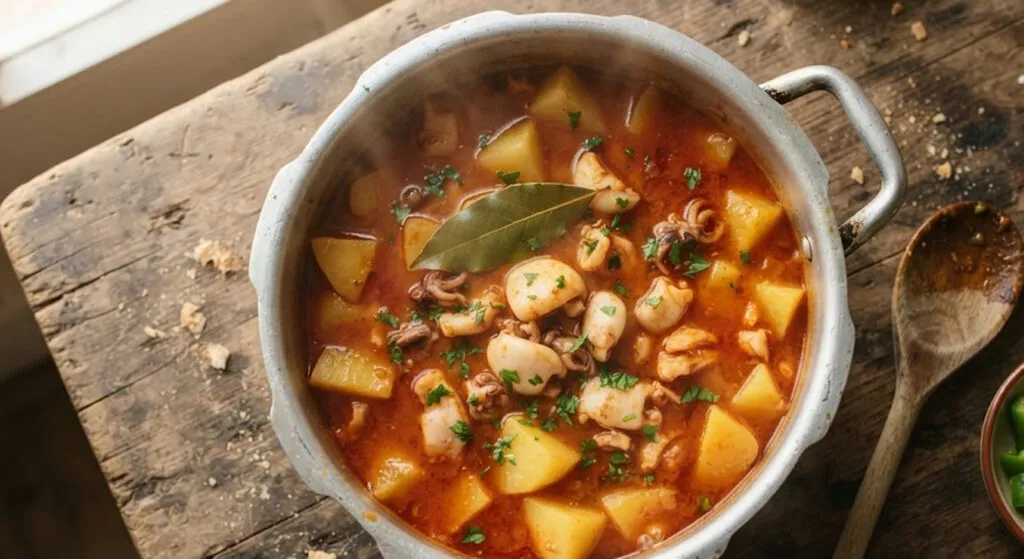
The cuttlefish goes in before the potatoes - the other way round and you get potato in water with pieces...
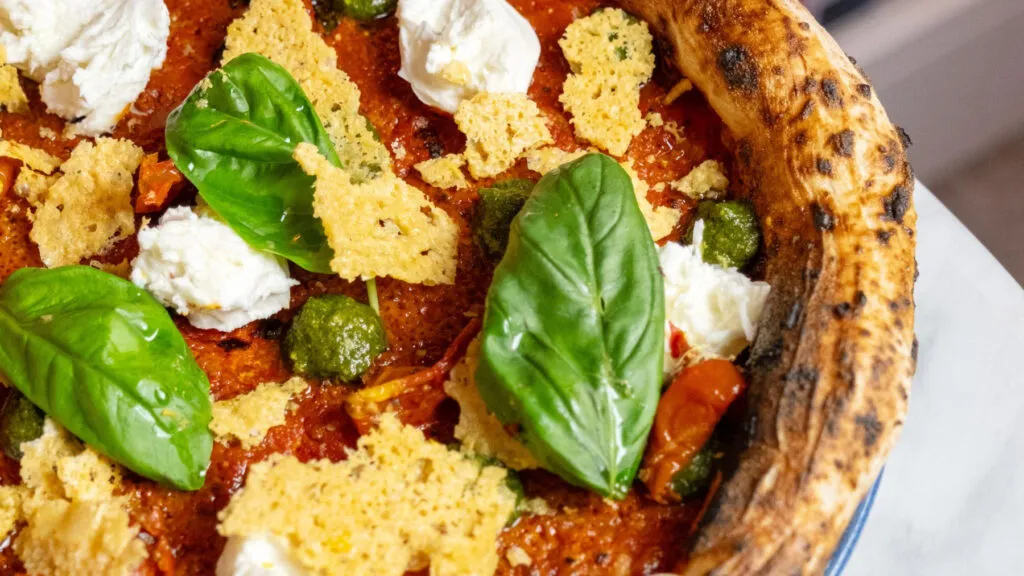
An Italian guide, a gala in Naples, first place for a London restaurant. Spain gets six entries - but only...
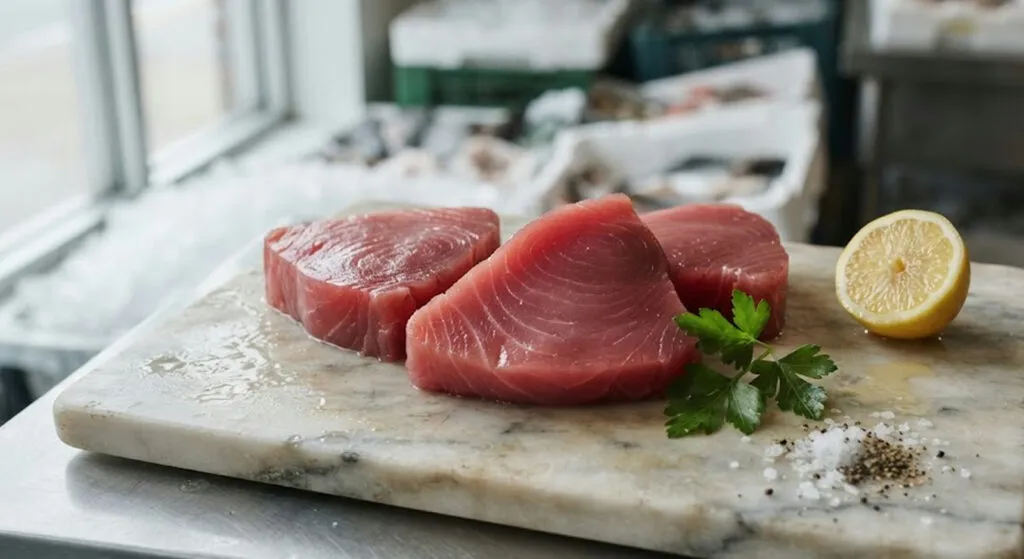
It is caught with hook and line, not with nets, and you can taste that on the plate. The three...
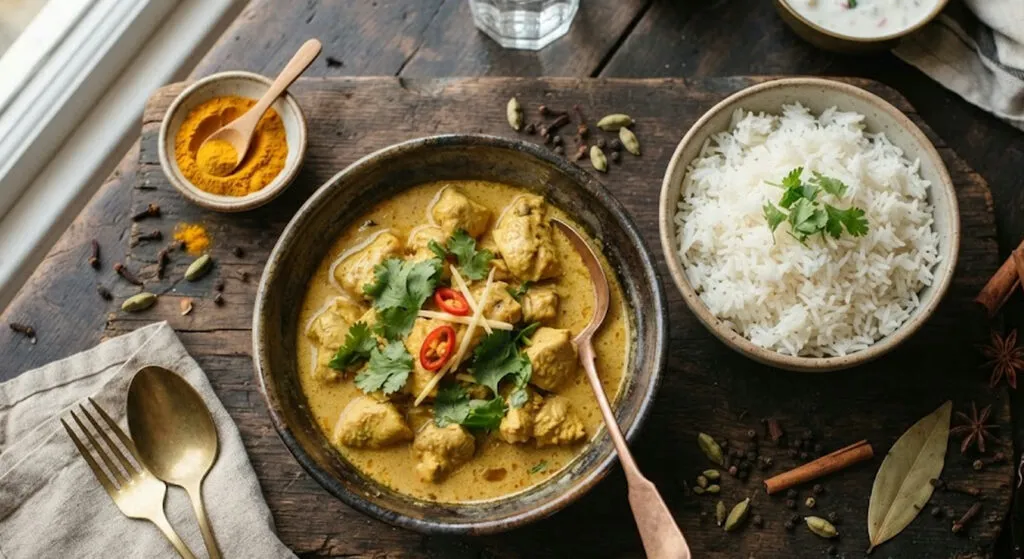
Home-made chicken curry fails at the same point for everyone. The difference is made by one step that has nothing...
This site uses cookies - is that okay? Learn more
Be the first to know when Metla launches something new
Leave your email and we will write when there is a new guide or something new on Metla.