
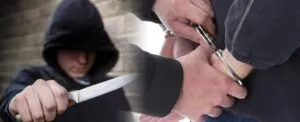
Kratovo man stabs police officer mid-intervention: prosecutors want the 40-year-old detained
15.09.2026


15.09.2026

15.09.2026

15.09.2026

15.09.2026

15.09.2026
15.09.2026

15.09.2026

14.09.2026

13.09.2026

15.09.2026

15.09.2026
14.09.2026

15.09.2026
15.09.2026

15.09.2026

15.09.2026

14.09.2026

13.09.2026

15.09.2026

15.09.2026

15.09.2026
15.09.2026

15.09.2026

14.09.2026

09.03.2026

27.02.2026

19.02.2026

15.09.2026
14.09.2026
14.09.2026

23.04.2026

23.04.2026

12.04.2026

Netflix invented the "binge" - watching a whole season at once - and built an empire on it. Now, according to new data, the same habit may be starting to work against it. A Bloomberg report citing Netflix's internal figures shows that viewers increasingly abandon popular series before the second season.
The reasons are not hard to guess. Netflix often cancels series after a single season, the gaps between seasons drag on too long, and much of the content is tailored for an algorithm, not for a story. When you know the series you love may never get an ending, why get attached to it at all?
But behind that lies a deeper change in how we watch in the first place. When Netflix released the whole of "House of Cards" at once in February 2013, it was a revelation - television without ads, freed from the "one episode a week" rhythm. Back then the competition was classic television. Today the competition is something else entirely.
The numbers tell the shift. YouTube already eats around 99 minutes a day per viewer - more than Netflix's 93 minutes. TikTok grabs between 58 and 95 minutes a day. And micro-drama apps are growing explosively: ReelShort spent 1.2 billion dollars in 2025, a jump of 119 percent. The "binge" model - devised to fight television - now looks like a relic from another era, when attention lasted longer than a minute.
Netflix is thinking of a way out: fewer series with several seasons each, more limited series, and even a return to the weekly rhythm it abolished itself (with "Love Is Blind" it already worked). The irony is perfect - the company that killed the weekly episode is now thinking of bringing it back. Technology promised it would forever change the way we watch. It turned out the way we watch changes faster than any technology, and it waits for no one.
The latest 10 news from this category
A scientist at the same company puts the probability of human extinction above 10 percent within the next decade. The...
The president called in while the event was running, and the man who makes the chips answered that there would...
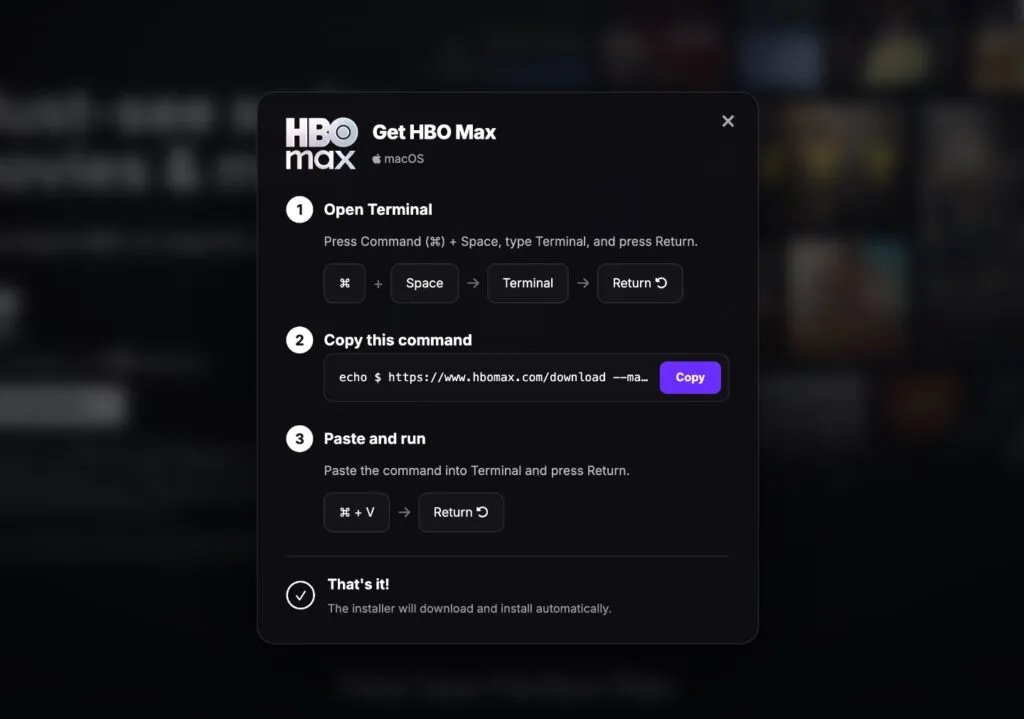
No virus attached, no suspicious file. Just a box that looks like the "I am not a robot" check and...

A researcher quit because the firms are gambling with our lives. Instead of denying it, Anthropic confirmed it - with...
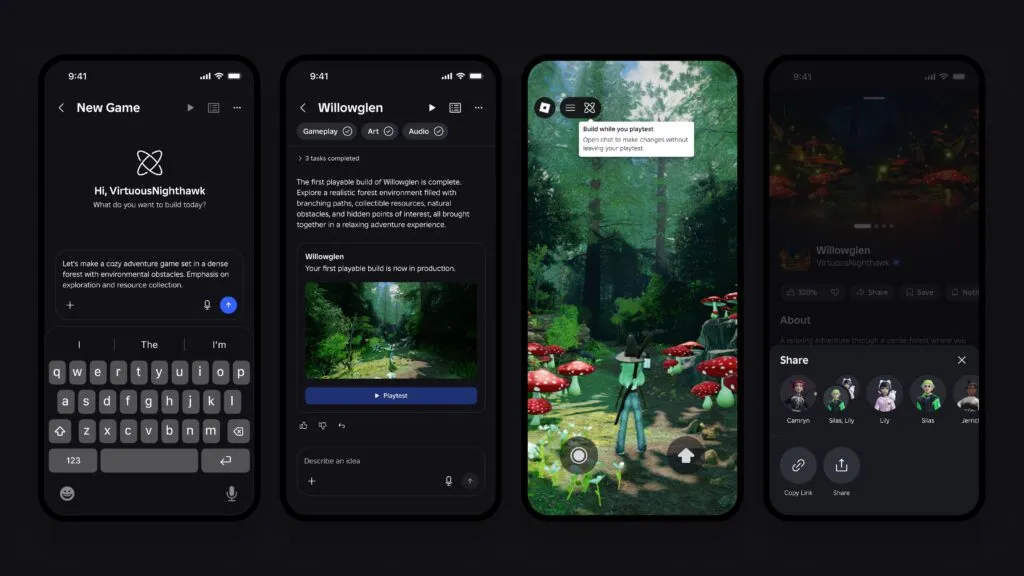
Write a sentence, get a game. Until now it worked only in New Zealand, now in Belgrade too. Creators on...
When the two biggest firms in an industry ask for rules on how fast anyone may run, the rules rarely...

Not a single password fell. What fell was the assumption that a request from a government domain is automatically a...
The biggest names in mathematics have signed a letter against the AI labs. The dispute is not whether the machine...

Five campaigns, 200 million exchanges, and the defences fell to a request for a Japanese translation. The industry that harvested...

The hackers were inside for a whole year. The company confirmed it only after a journalist found his own licence...
This site uses cookies - is that okay? Learn more
Be the first to know when Metla launches something new
Leave your email and we will write when there is a new guide or something new on Metla.
