

Kratovo man stabs police officer mid-intervention: prosecutors want the 40-year-old detained
15.09.2026


15.09.2026

15.09.2026

15.09.2026

15.09.2026
15.09.2026
15.09.2026

15.09.2026

14.09.2026

13.09.2026

15.09.2026

15.09.2026

14.09.2026

15.09.2026

15.09.2026

15.09.2026

15.09.2026

14.09.2026

13.09.2026

15.09.2026

15.09.2026

15.09.2026

15.09.2026

15.09.2026

14.09.2026

09.03.2026

27.02.2026

19.02.2026

15.09.2026

14.09.2026
14.09.2026

23.04.2026

23.04.2026

12.04.2026


In Paris, the largest startup hub in Europe does not just want to produce companies - it wants to keep them at home. Station F, the campus founded by French billionaire Xavier Niel, is opening the second generation of its F/ai program, dedicated exclusively to startups in the field of artificial intelligence.
The numbers from the first generation speak for themselves: 20 startups, aiming to reach one million euros in revenue in six months. Entry is not by application - you get in only by referral. Eighty percent of the founders were repeat entrepreneurs, and a third hold a doctorate. Together, the first generation raised 34 million dollars in seed funding. The program's partners are almost all the big names - Anthropic, OpenAI, Google, Meta, Microsoft, AWS, Mistral, AMD.
But behind the numbers stands a bigger ambition, and it is as political as it is commercial. Roxanne Varza, director of Station F, put the problem directly: "Today, if founders here want to talk to people at that level, everyone thinks they have to go to the US." The goal of F/ai is precisely to change that habit - to prove that a European startup can succeed without fleeing across the ocean.
This is a story the Balkan entrepreneur understands perfectly. Every talented engineer from the region who packed a suitcase for Berlin, London or San Francisco is proof that Varza's problem is not only French. The difference is that France has a billionaire ready to invest 50,000 square meters of space and a whole network of partners to keep its talent. The question for us stays uncomfortable - when a European hub complains it is losing people to America, where does it think ours go?
Whether F/ai will really create a European rival to the Valley, or be just another nicely packaged incubator whose best graduates still catch the first flight west - the second generation, starting in September, will show. For now, at least someone in Europe is asking the right question out loud.
The latest 10 news from this category
A scientist at the same company puts the probability of human extinction above 10 percent within the next decade. The...

The president called in while the event was running, and the man who makes the chips answered that there would...
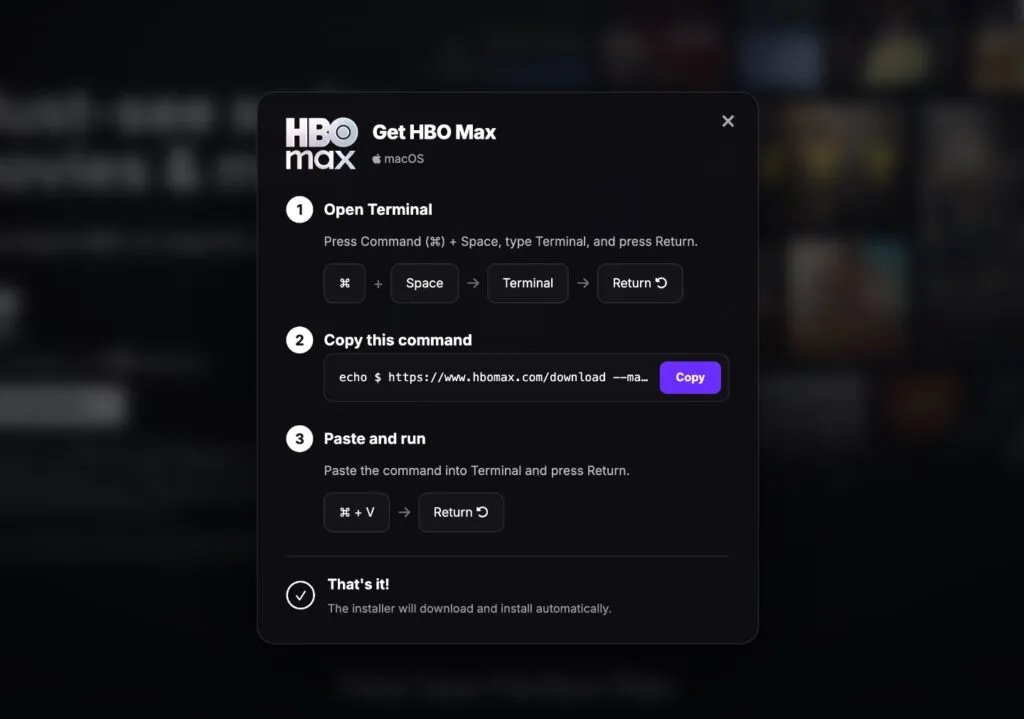
No virus attached, no suspicious file. Just a box that looks like the "I am not a robot" check and...

A researcher quit because the firms are gambling with our lives. Instead of denying it, Anthropic confirmed it - with...
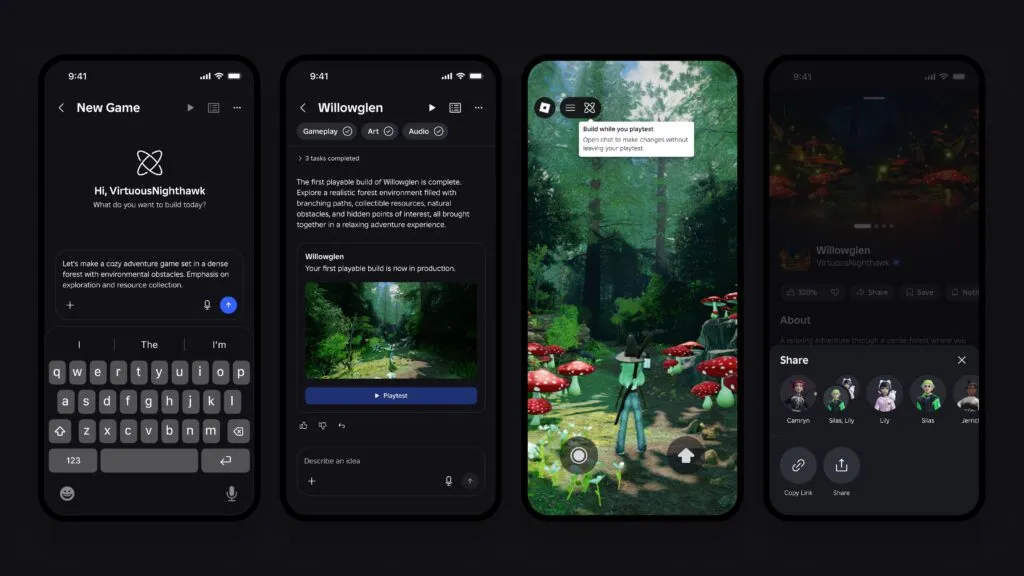
Write a sentence, get a game. Until now it worked only in New Zealand, now in Belgrade too. Creators on...

When the two biggest firms in an industry ask for rules on how fast anyone may run, the rules rarely...

Not a single password fell. What fell was the assumption that a request from a government domain is automatically a...
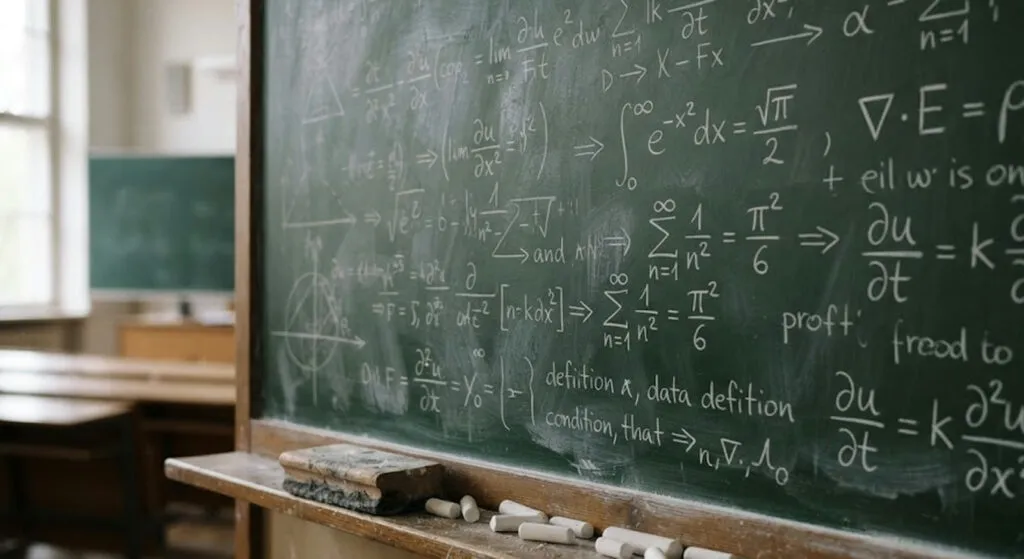
The biggest names in mathematics have signed a letter against the AI labs. The dispute is not whether the machine...

Five campaigns, 200 million exchanges, and the defences fell to a request for a Japanese translation. The industry that harvested...

The hackers were inside for a whole year. The company confirmed it only after a journalist found his own licence...
This site uses cookies - is that okay? Learn more
Be the first to know when Metla launches something new
Leave your email and we will write when there is a new guide or something new on Metla.
