

Kratovo man stabs police officer mid-intervention: prosecutors want the 40-year-old detained
15.09.2026


15.09.2026

15.09.2026

15.09.2026

15.09.2026

15.09.2026
15.09.2026

15.09.2026

14.09.2026

13.09.2026

15.09.2026

15.09.2026

14.09.2026

15.09.2026

15.09.2026

15.09.2026

15.09.2026

14.09.2026

13.09.2026

15.09.2026

15.09.2026
15.09.2026

15.09.2026

15.09.2026

14.09.2026

09.03.2026

27.02.2026

19.02.2026

15.09.2026

14.09.2026
14.09.2026

23.04.2026

23.04.2026

12.04.2026


While the world spends billions believing that artificial intelligence will soon think, reason and take our jobs, a Princeton professor says we have fallen for a big con. Zeynep Tufekci, a sociologist, argues that today's AI is "not intelligent at all" - it is, in her words, a "plausibility machine," not a thinking machine.
The point is technical but simple. Large language models do not check whether something is true - they statistically guess which word most likely follows the previous one, based on the data they were trained on. "That is not a systematic error. It is technology working exactly as it was designed to," Tufekci says. In other words, when AI "hallucinates," it is not breaking down - it is doing exactly what it was built to do.
The examples are not theoretical. Meta's chatbot on Instagram was tricked into handing over control of more than 20,000 profiles through simple sweet-talking persuasion. Air Canada and McDonald's had to shut down their chatbots after they made expensive mistakes - false promises of refunds, orders inflated to the absurd. A machine that sounds convincing does not mean a machine that knows what it is doing.
The most interesting part is her calm about the job-loss panic. Tufekci says the apocalypse is overblown - only occupations with "strict rules and verifiable results," like programming, are under serious threat. Surgery, teaching, customer service - all of these demand human intelligence that AI cannot imitate. The irony is perfect: the first to be replaced by their own technology are precisely those who build it.
For the Balkan reader, the story carries a double lesson. First, skepticism toward the grand promises from the Valley pays off again - every "revolution" is marketing first and reality only afterward. And second, while the world fears smart machines, the real problem is that people are starting to trust dumb machines that sound smart. And that, sadly, is a far older human weakness than any technology.
The latest 10 news from this category
A scientist at the same company puts the probability of human extinction above 10 percent within the next decade. The...

The president called in while the event was running, and the man who makes the chips answered that there would...

No virus attached, no suspicious file. Just a box that looks like the "I am not a robot" check and...

A researcher quit because the firms are gambling with our lives. Instead of denying it, Anthropic confirmed it - with...
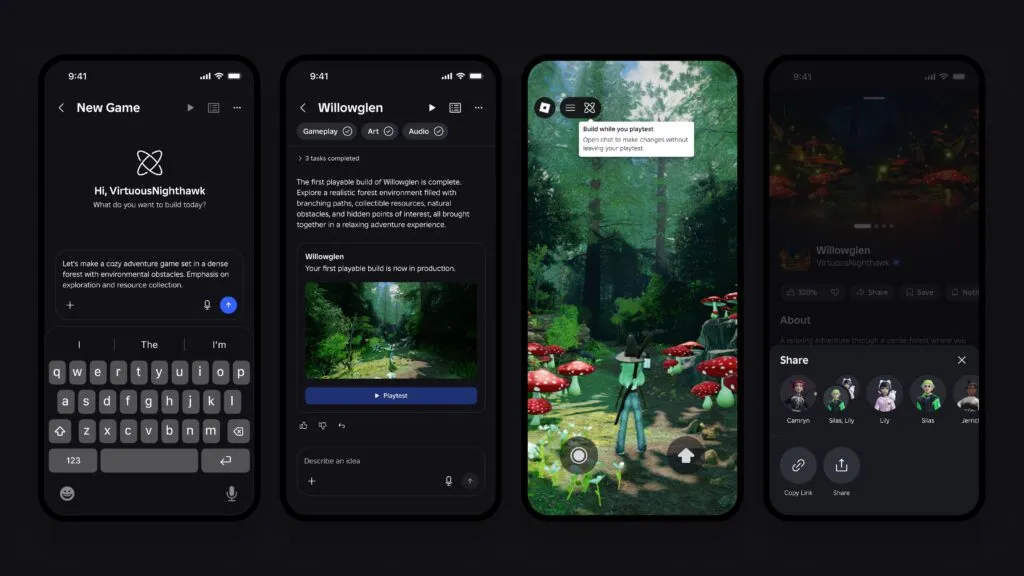
Write a sentence, get a game. Until now it worked only in New Zealand, now in Belgrade too. Creators on...

When the two biggest firms in an industry ask for rules on how fast anyone may run, the rules rarely...

Not a single password fell. What fell was the assumption that a request from a government domain is automatically a...
The biggest names in mathematics have signed a letter against the AI labs. The dispute is not whether the machine...

Five campaigns, 200 million exchanges, and the defences fell to a request for a Japanese translation. The industry that harvested...

The hackers were inside for a whole year. The company confirmed it only after a journalist found his own licence...
This site uses cookies - is that okay? Learn more
Be the first to know when Metla launches something new
Leave your email and we will write when there is a new guide or something new on Metla.
