


They Rode In on Scooters, Torched the Shops and Left: The Fire in Shuto Orizari Burned for Three Hours, Setting It Took Fifty Seconds
13.09.2026


13.09.2026

13.09.2026

13.09.2026

13.09.2026

13.09.2026

13.09.2026

13.09.2026

12.09.2026

11.09.2026

13.09.2026

13.09.2026

12.09.2026

13.09.2026

13.09.2026

13.09.2026

13.09.2026

12.09.2026

11.09.2026

13.09.2026

13.09.2026

13.09.2026

13.09.2026

13.09.2026

12.09.2026

09.03.2026

27.02.2026

19.02.2026

13.09.2026

12.09.2026

11.09.2026

23.04.2026

23.04.2026

12.04.2026

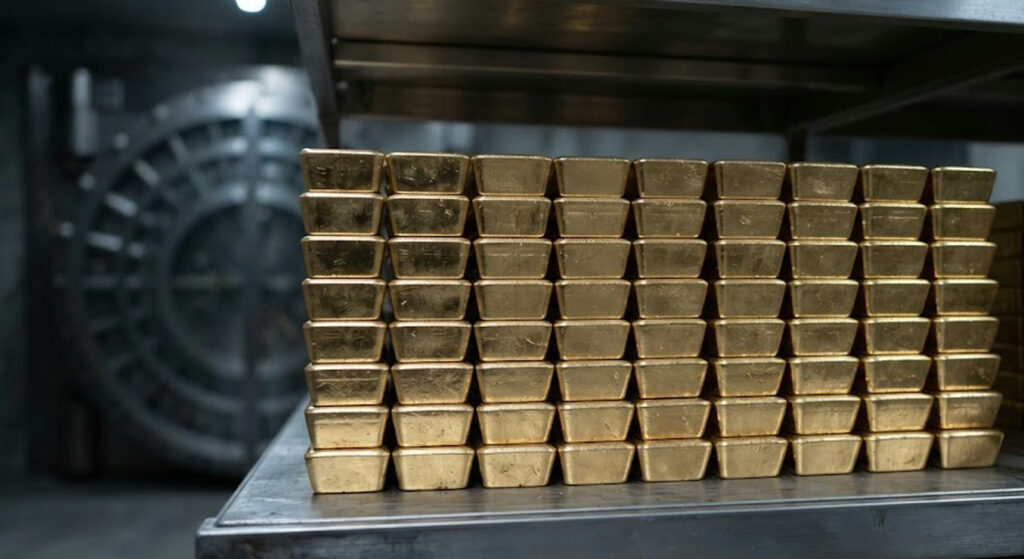
The Netherlands last week withdrew 86 tonnes of gold from the US and Canada. The explanation was phrased with that banking politeness which always means something heavier than it sounds: protection against "extreme systemic risks". France had already pulled all its gold reserves out of New York. Germany is debating the same step.
None of those states said they do not trust Washington. All three are behaving as though they do not.
The world's largest fund is also pulling back
Norway's sovereign pension fund, the biggest on the planet, announced it is cutting its share of US government bonds. The reason it gives is instability in the Treasuries market. When a fund of that size utters the word "instability" about the safest paper in the world, that is a message to every smaller player at the same time.
According to an Axios analysis, the US is gradually losing its position as the first choice for foreign governments in three things: where they keep their money, who they buy weapons from, and where they send their students. It is not a complete reversal - but even smaller shifts erode, over time, the advantages that have underpinned American economic and geopolitical power for decades.
The weapons and the cloud
Europe plans to procure more military equipment from local manufacturers in order to depend less on the American defence industry. On the technology front, the European Union this summer presented plans to reduce dependence on American companies, and rules on cloud services are being prepared that would restrict Amazon, Google and Microsoft in tenders for sensitive contracts.
That is the part that rarely reaches the headlines, and it is the hardest. Gold can be loaded up and gone overnight. The software your entire administration runs on cannot.
People vote with plane tickets
The number of international applications to American universities fell by 10 percent in the last admissions cycle, driven by stricter visas for foreign students and the Trump administration's general stance on immigration.
International travel to the US fell by 5.5 percent in 2025 - the first decline since the pandemic. Travel from Canada dropped 25 percent last year, and the trend continued into 2026. The number of German travellers to the US has fallen by 25 percent since the start of Trump's term, and the German travel agents' association names politics as one of the key factors.
This is the category of data no government invents. Nobody fills in a survey when they cancel a holiday - they simply do not buy the ticket.
Only two countries still say "yes"
According to a recent Pew Center survey, America's standing is particularly damaged in Western countries. Of ten states polled, only in Hungary and Poland does a majority of citizens still see the US as a reliable partner. In all ten countries, including those with right-wing populist leaders, a majority of respondents say they have no confidence in Trump's decisions in world affairs.
Note that detail: even where the leaders are ideologically close, the voters do not follow. Sympathy for a president and trust in a country are evidently no longer the same thing.
But the dollar has not even wobbled
Here it is worth stopping before anyone writes the obituary. The dominance of the US dollar is still not under threat. Allies still rely heavily on American military power. The US is still the leading destination for foreign students.
This is not the end of an order - this is the phase in which everyone starts preparing a backup plan without announcing it out loud. In Germany, Italy and Spain, public pressure is growing to bring the gold reserves home from the United States. That will be the clearest indicator of what comes next.
The Balkans knows this scene by heart - the moment when everyone is still smiling in the same photographs while the ledger already says something else. The question is not whether the alliance will fall apart. The question is what small states do in the years while the big ones quietly move their money.
The latest 10 news from this category
The warning reached the president three years before 9/11. The problem was not a lack of information, but that nobody...

In 1976 tradition demanded the future king choose a bride with no past. Thirty years later that same king married...
Five institutions declined to comment on damaged infrastructure the global oil market depends on. When that many addresses have nothing...

One unidentified object on the tracks, 180 passengers on board, 140 firefighters on site. The difference between railways is not...
We are preparing for war so that it does not come, Lukashenko says. Put the neighbours' numbers side by side...
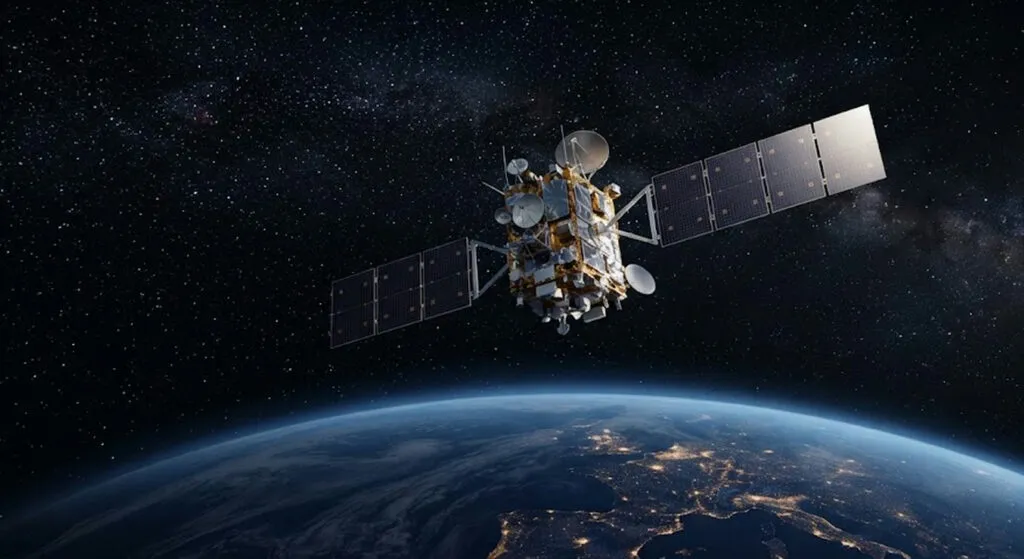
Three years ago the Polish army waited twenty days for satellite images, today it gets them in minutes. And one...

At 22 she had to become Norway's first lady because her mother had died. At 29 she married a divorced...

The tool lets you draw an area on a map and returns a list of everyone who posted to Instagram...

The Athens declaration of friendship lasted less than three years. Now the Aegean is being divided through ecological zones, while...

The aircraft registered RA-82040 is the same one that carried missiles to Belarus in 2022. The flight lasted two days,...
This site uses cookies - is that okay? Learn more
Be the first to know when Metla launches something new
Leave your email and we will write when there is a new guide or something new on Metla.
