

Jotova to Mickoski: Talks "Without Ultimatums" - but First Skopje Must Forget the Issue Is Bilateral
05.10.2026


05.10.2026

05.10.2026

05.10.2026

05.10.2026
05.10.2026

05.10.2026

05.10.2026

05.10.2026

04.10.2026

05.10.2026

05.10.2026

04.10.2026

05.10.2026

05.10.2026

05.10.2026

05.10.2026

04.10.2026

03.10.2026

05.10.2026

05.10.2026

05.10.2026

05.10.2026

05.10.2026

05.10.2026

09.03.2026

27.02.2026

19.02.2026

05.10.2026

04.10.2026

04.10.2026
05.10.2026
04.10.2026

02.10.2026

23.04.2026

23.04.2026

12.04.2026


US President Donald Trump announced the new Super Intelligence Force on his Truth Social network on Sunday morning. It will be led by Director of National Intelligence Jay Clayton, and Trump described its mission in words fit for an advertising billboard: the body is to coordinate the federal government's efforts so that America "continues to lead the world in superintelligence", which, according to him, "many consider bigger than the industrial revolution and the internet".
The name is no accident. In September Trump promised an "AI force" and an AI czar, with an advert in his own style: "Only people with a high IQ should apply!" The president usually dismisses the debate on AI safety as an invention of the "radical left Dumbocrats". Then he signed an executive order officially renaming artificial intelligence "superintelligence", with US officials expected to use the new term.
The tech bosses adopted the new name too. At a White House lunch this week were Mark Zuckerberg, Jeff Bezos, Elon Musk and Anthropic's Dario Amodei, and the companies present signed a safety pledge titled Joint Commitment on Frontier Responsibilities. Trump called it "morally binding". Legally it binds no one - signing is entirely voluntary. And the document even misspells the name of the country itself, the United States.
Clayton will lead the force, with Federal Trade Commission chairman Andrew Ferguson, Under Secretary for Research and Engineering at the Department of War Emil Michael and Office of Personnel Management director Scott Kupor as vice-chairs. They have 120 days to report on the risks and opportunities of artificial intelligence. Clayton announced the conclusion before the work began: it would be irresponsible for America "to pull back" while countries like China forge ahead, and one of the biggest risks is "not being first".
The body's charter says it will prepare plans to respond to "threats to society enabled by superintelligence" - and, right next to that, that it will prevent "excessive regulation and regulatory capture that would stifle innovation and competition". So the body meant to count the dangers is also tasked with keeping regulation at bay. If the report comes out bad, who will protect citizens then?
Europe seeks its answer in law: the EU's Artificial Intelligence Act (AI Act) is in force, with banned practices and fines for violators. Washington offers a rebrand, a "czar" and a four-month deadline. When the two approaches collide, whose side will the companies whose bosses lunched at the White House take?
The latest 10 news from this category
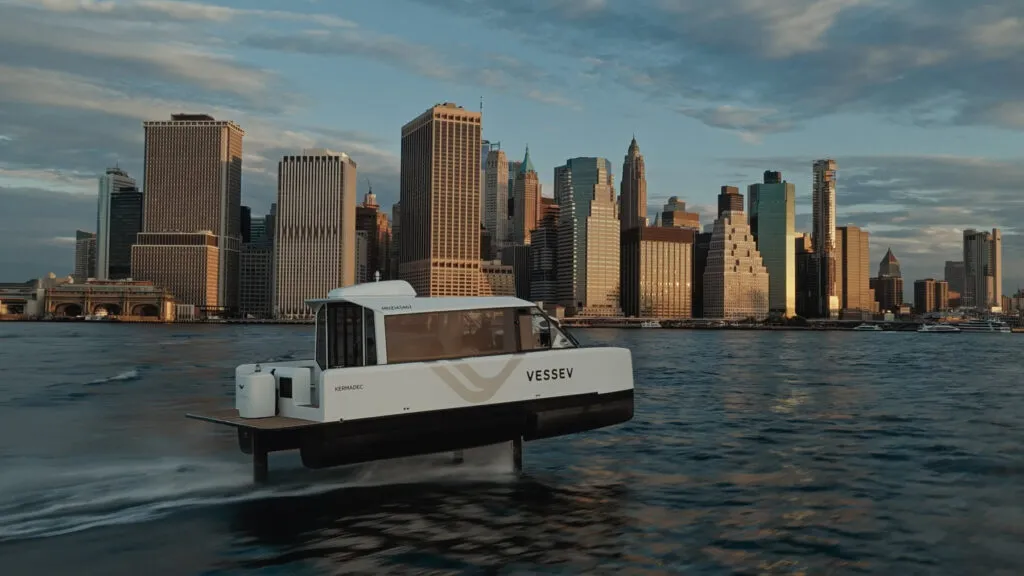
A nine-metre catamaran, a motor the company builds itself and off-the-shelf batteries. Hydrofoils have been around for more than a...

An Oklahoma deputy searched the database only because the car had California plates. The ruling isn't binding precedent, but it's...

The head of AWS claims data centres don't use much water, don't push up electricity prices and barely pollute. One...

The pope isn't talking about style but about substance: the machine calculates on top of other people's images. The industry...
A setting created for backups now hands AI agents the keys to the whole computer - messages, mail, browsing history....
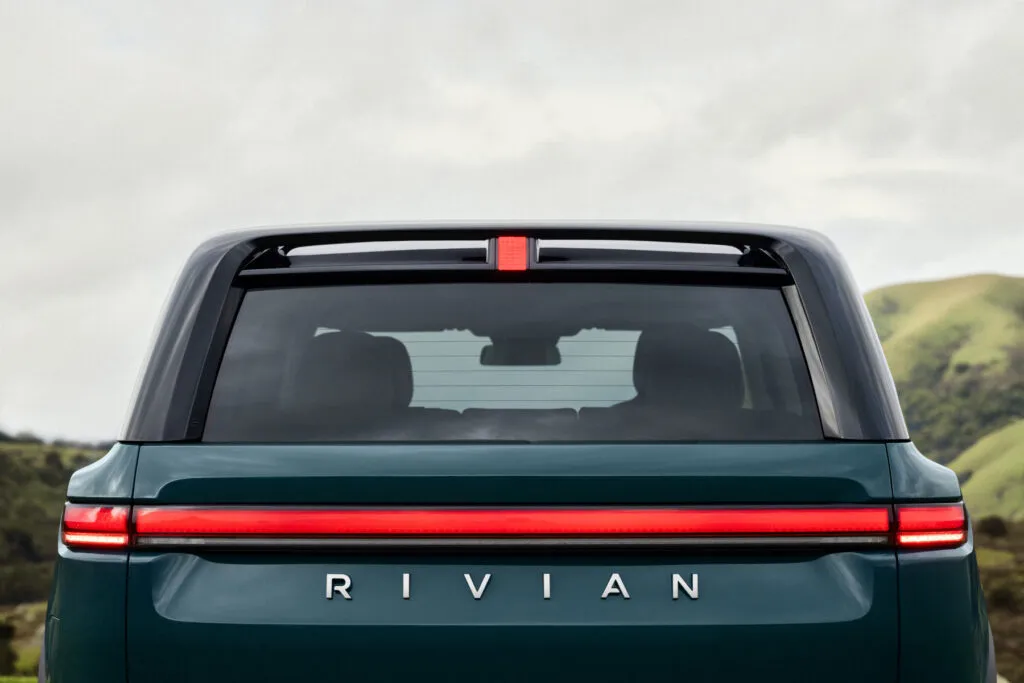
The cheaper SUV lifted deliveries by around 45 percent. Since June it has had two recalls, the latest over battery...
Some MyChart settings reportedly allowed outsiders to access records without leaving a single trace in the logs. Few companies stop...

OpenAI says the three broke rules on confidential information. It comes two days after it emerged that leadership had ignored...
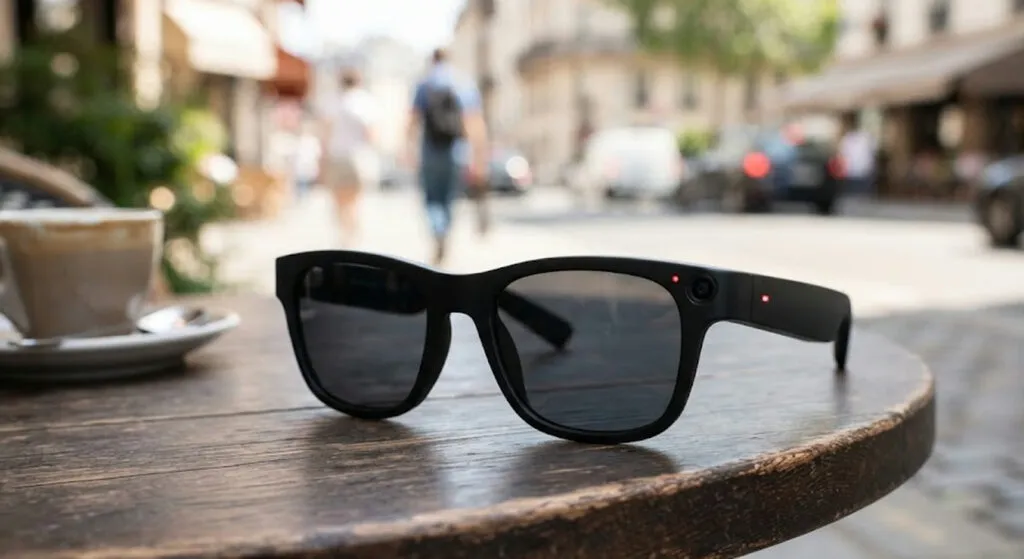
Meta sold more than 7 million pairs of smart glasses last year alone, and the law meant to ban secret...

Google says it has the most powerful model, and the yardstick comes from a startup on whose index it ranks...
This site uses cookies - is that okay? Learn more
Be the first to know when Metla launches something new
Leave your email and we will write when there is a new guide or something new on Metla.