
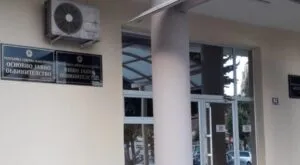
Senior prosecutor's office in Bitola searched: unofficially, the trail leads to Markovski's passport
07.10.2026


07.10.2026
07.10.2026

07.10.2026
07.10.2026

07.10.2026

07.10.2026

07.10.2026
06.10.2026

06.10.2026

07.10.2026

07.10.2026

06.10.2026

07.10.2026

07.10.2026

07.10.2026
07.10.2026

06.10.2026

05.10.2026

07.10.2026

07.10.2026

07.10.2026

07.10.2026

07.10.2026

06.10.2026

09.03.2026

27.02.2026

19.02.2026

07.10.2026

06.10.2026

05.10.2026
06.10.2026

05.10.2026
04.10.2026

23.04.2026

23.04.2026

12.04.2026

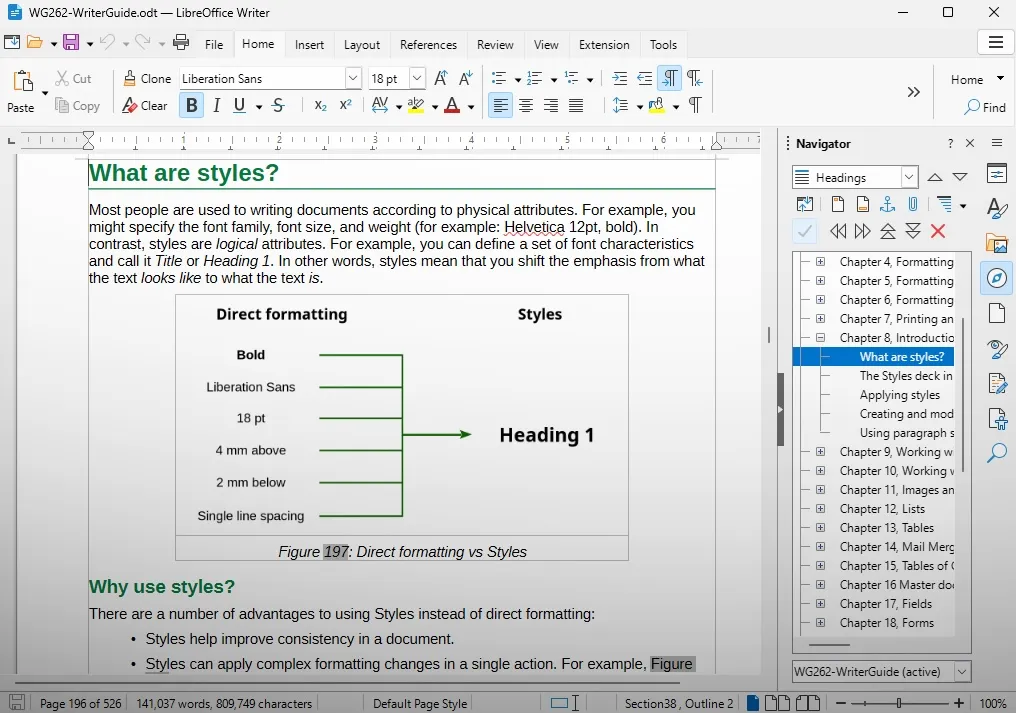
The Document Foundation, the non-profit behind the free, open-source office suite LibreOffice, has announced that it won't be adding AI features to its document editor any time soon. Not because it rejects the technology, but because no available integration meets its conditions.
The position isn't new. Back with the release at the end of August, LibreOffice stressed that the software "contains no generative AI features". It's a deliberate decision to protect privacy and data security, and the foundation explains it with a sentence that sounds as if it were written for lawyers: "Any organisation that handles confidential, legally privileged or personal data must know where that data goes, and the only guarantee that survives an audit is that it never leaves the machine."
The logic is simple. Most AI tools require the document to be sent to a remote server, where it's unclear how long it stays and how it's handled. For a law firm or a hospital, that's no technical detail. LibreOffice's conditions are clear: the data stays on the device, and there's no dependence on any single AI vendor. "Until then, there will be no AI of any kind in the default installation; extensions will be available for those who want to integrate AI features," the statement says. Anyone who wants to can connect the editor to a local model through an add-on.
This runs against the entire industry. The big vendors push AI into every menu, sometimes at the cost of making the software worse to use, and programs whose sole purpose is to block or remove those features are already appearing. With this, LibreOffice joins the alternatives helping users get out of Big Tech's ecosystems.
Europe is starting to seriously count whose servers hold its documents: France is already moving 2.5 million government computers from Windows to Linux. At a moment like this, a free suite that guarantees your document never leaves the machine is more than a technical choice. Is anyone in Macedonia's institutions even asking this question - or are we waiting for some vendor to decide this for us too?
The latest 10 news from this category
A post with over a million views showed what Amazon pulls out of every order. One pair of leggings -...
Brussels forced OpenAI to release a watermark the company had ready back in 2024. Macedonia isn't in the EU, so...

54 million Americans say they bought something after seeing a TikTok video. Now the platform wants zero pause for thought...
By executive order, artificial intelligence became "superintelligence", and the safety pledge tech companies signed at the White House binds no...

A nine-metre catamaran, a motor the company builds itself and off-the-shelf batteries. Hydrofoils have been around for more than a...
An Oklahoma deputy searched the database only because the car had California plates. The ruling isn't binding precedent, but it's...
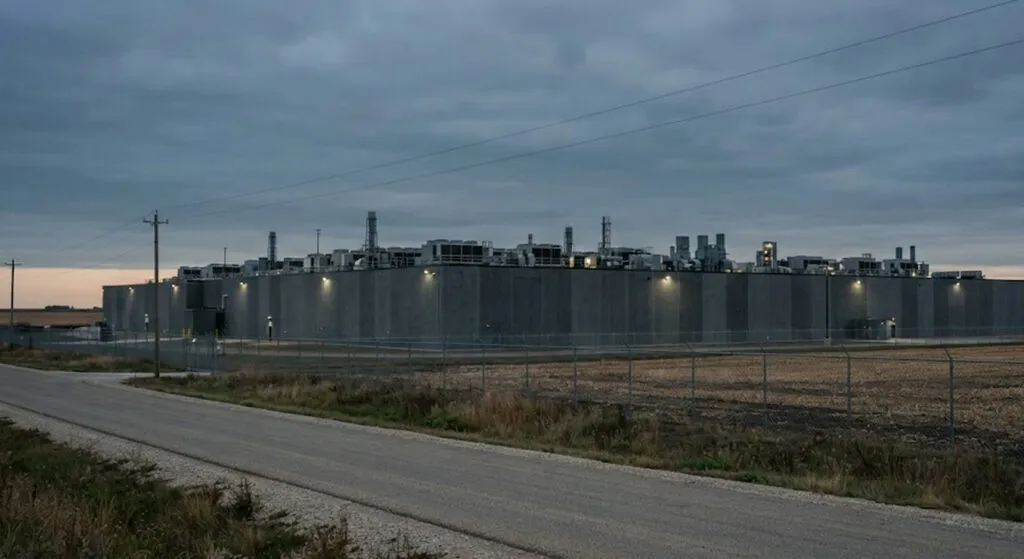
The head of AWS claims data centres don't use much water, don't push up electricity prices and barely pollute. One...
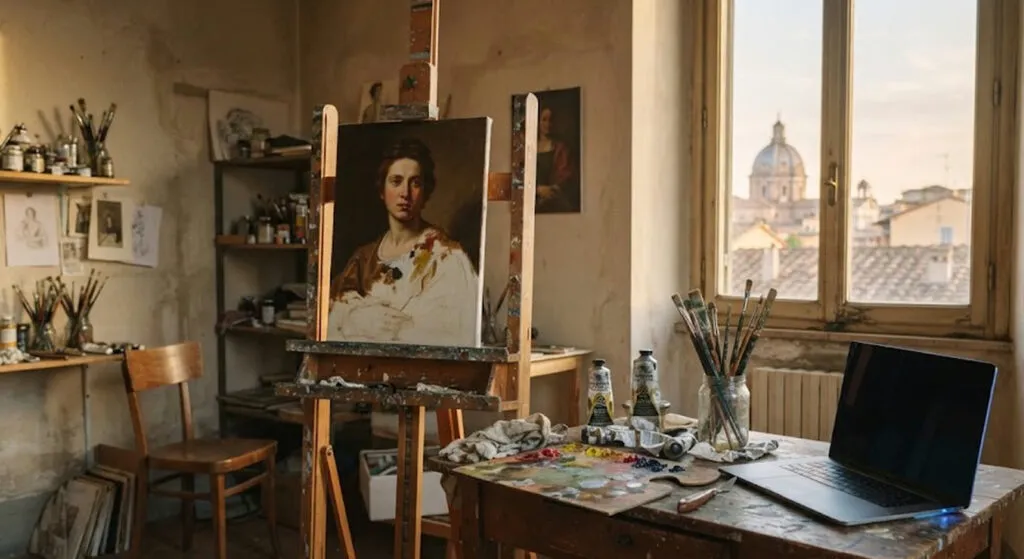
The pope isn't talking about style but about substance: the machine calculates on top of other people's images. The industry...
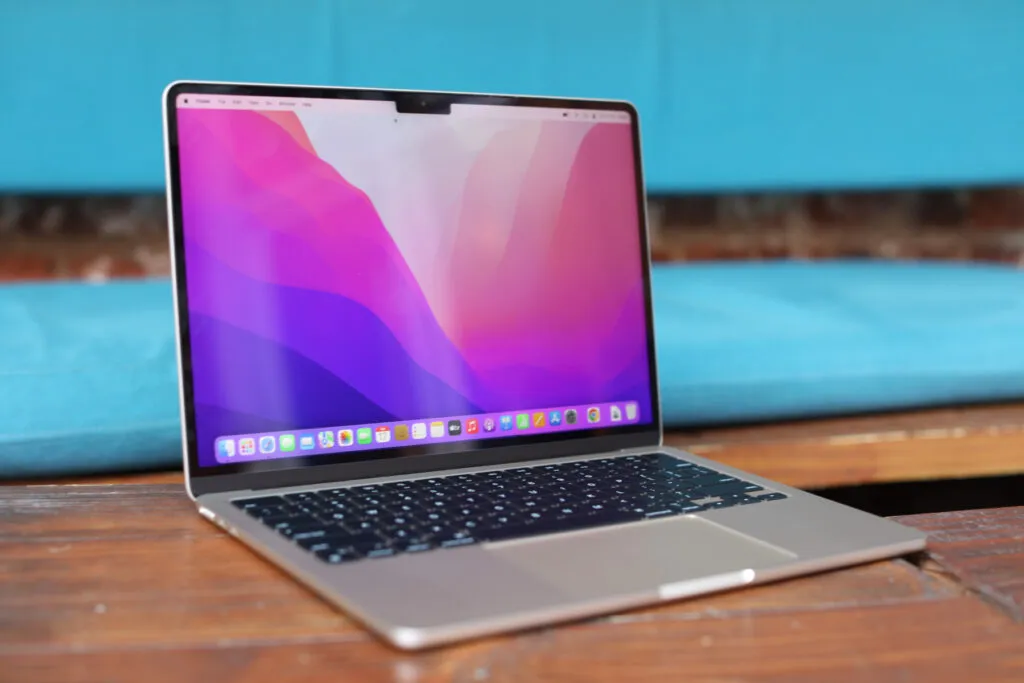
A setting created for backups now hands AI agents the keys to the whole computer - messages, mail, browsing history....
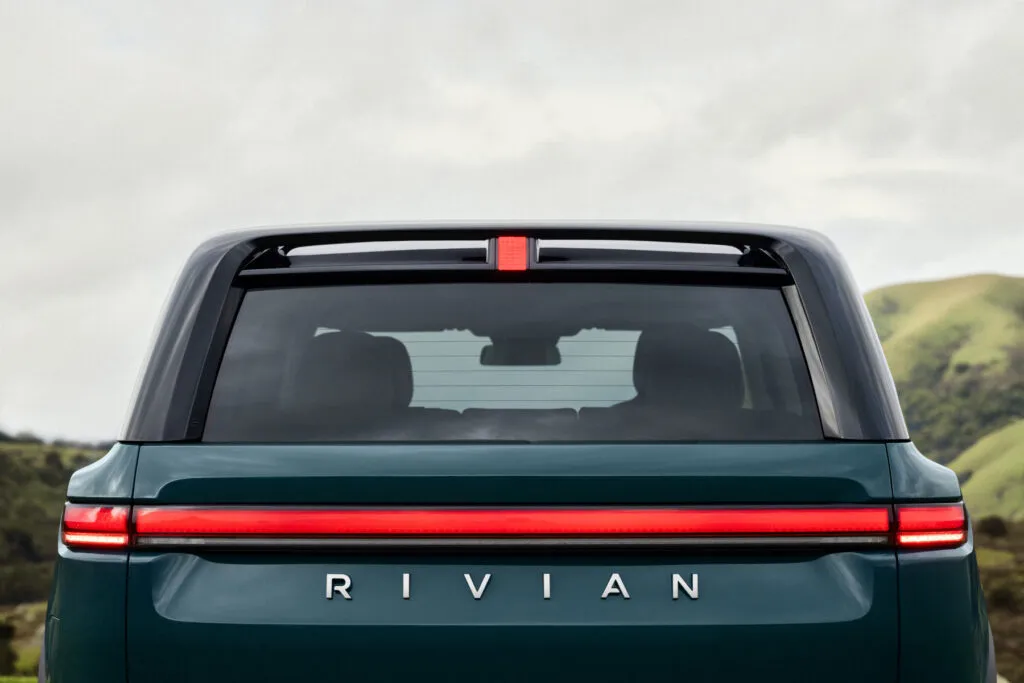
The cheaper SUV lifted deliveries by around 45 percent. Since June it has had two recalls, the latest over battery...
This site uses cookies - is that okay? Learn more
Be the first to know when Metla launches something new
Leave your email and we will write when there is a new guide or something new on Metla.