


Kazandol Is Back in the Spatial Plan: The State Won the Arbitration Over the Mine, and Now the Draft Puts It Back on the Map
07.10.2026


07.10.2026

07.10.2026

07.10.2026

07.10.2026

07.10.2026

07.10.2026

07.10.2026

06.10.2026

06.10.2026

07.10.2026

07.10.2026

06.10.2026

07.10.2026

07.10.2026

07.10.2026

07.10.2026

06.10.2026

05.10.2026

07.10.2026

07.10.2026

07.10.2026

07.10.2026

07.10.2026

06.10.2026

09.03.2026

27.02.2026

19.02.2026

07.10.2026

06.10.2026

05.10.2026
06.10.2026

05.10.2026

04.10.2026

23.04.2026

23.04.2026

12.04.2026

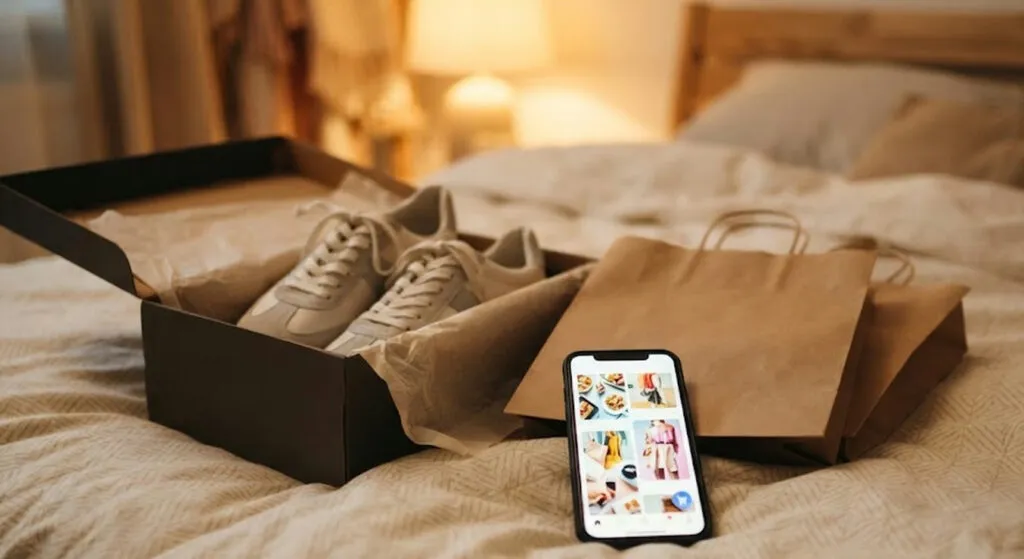
TikTok has announced two new tools with a single goal: keep you in the app until you've paid. The first is Shopping Assistant, a conversational AI agent that, according to the company, helps you discover and buy products. It understands context, remembers your wants and needs over the course of the conversation, and answers anything that might stop you before buying - product details, shipping, sizes, availability - and then helps you complete the order.
The second is one-click payment directly from the brand, straight from the For You feed, the main algorithmic stream of videos. Until now the main sales engine was TikTok Shop, a separate marketplace inside the app. Now shopping is being built into the feed you scroll aimlessly. Impulse and checkout sit on the same screen, with not a single exit door between them.
The logic is clear and not remotely romantic. Every product question you put to ChatGPT or another outside AI tool is a moment when TikTok loses you - along with the value of the sale. With an assistant inside the app, the conversation, the decision and the money all stay at home. Partners in the build include commerce and payments platforms Salesforce, Shopify, Shoplazza and Stripe, among others.
The numbers TikTok is putting on the table come from its own economic impact report, published last week: activity on the platform added 81 billion dollars to US businesses' GDP, and 54 million Americans said they bought something after seeing a TikTok video. When a company measures its own impact, the number rarely comes out small. A more independent estimate comes from research firm eMarketer: TikTok Shop, which launched in the US in September 2023, did around 15.8 billion dollars in sales there in 2025, or roughly 18 percent of all US social commerce.
When a model like this reaches the Balkans, how fast will it become normal to buy from a video without a second's thought - and who's going to explain to teenagers that "one click" is actually money?
The latest 10 news from this category
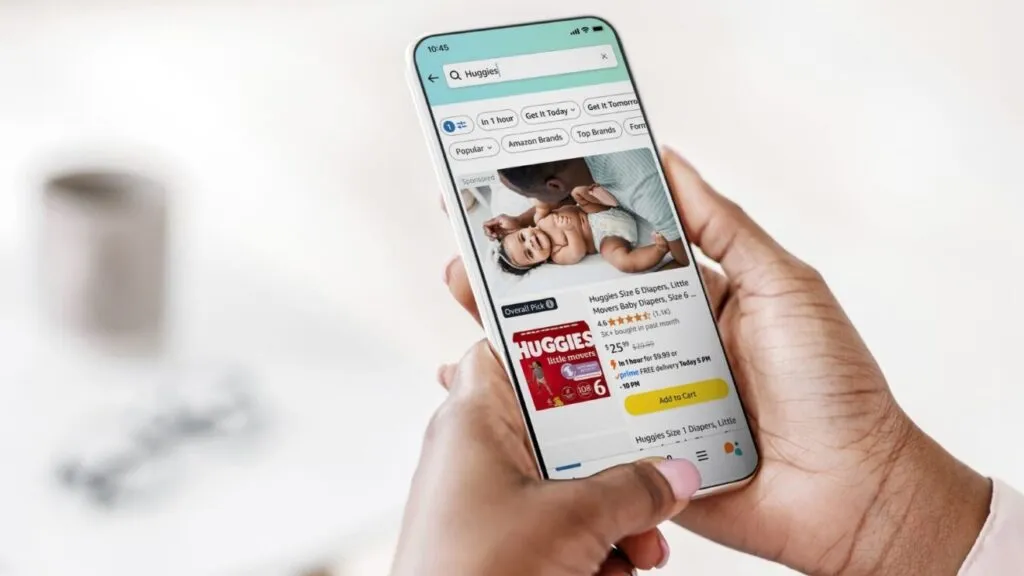
A post with over a million views showed what Amazon pulls out of every order. One pair of leggings -...
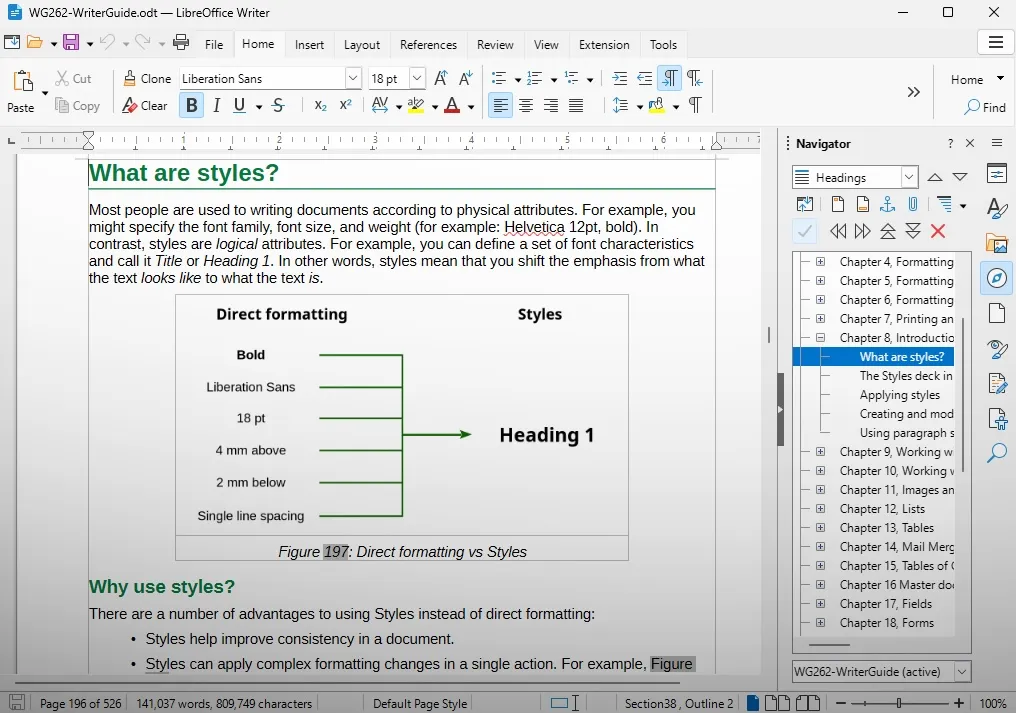
While every piece of software pushes an assistant you never asked for, the foundation behind the free office suite says...

Brussels forced OpenAI to release a watermark the company had ready back in 2024. Macedonia isn't in the EU, so...

By executive order, artificial intelligence became "superintelligence", and the safety pledge tech companies signed at the White House binds no...

A nine-metre catamaran, a motor the company builds itself and off-the-shelf batteries. Hydrofoils have been around for more than a...

An Oklahoma deputy searched the database only because the car had California plates. The ruling isn't binding precedent, but it's...

The head of AWS claims data centres don't use much water, don't push up electricity prices and barely pollute. One...

The pope isn't talking about style but about substance: the machine calculates on top of other people's images. The industry...
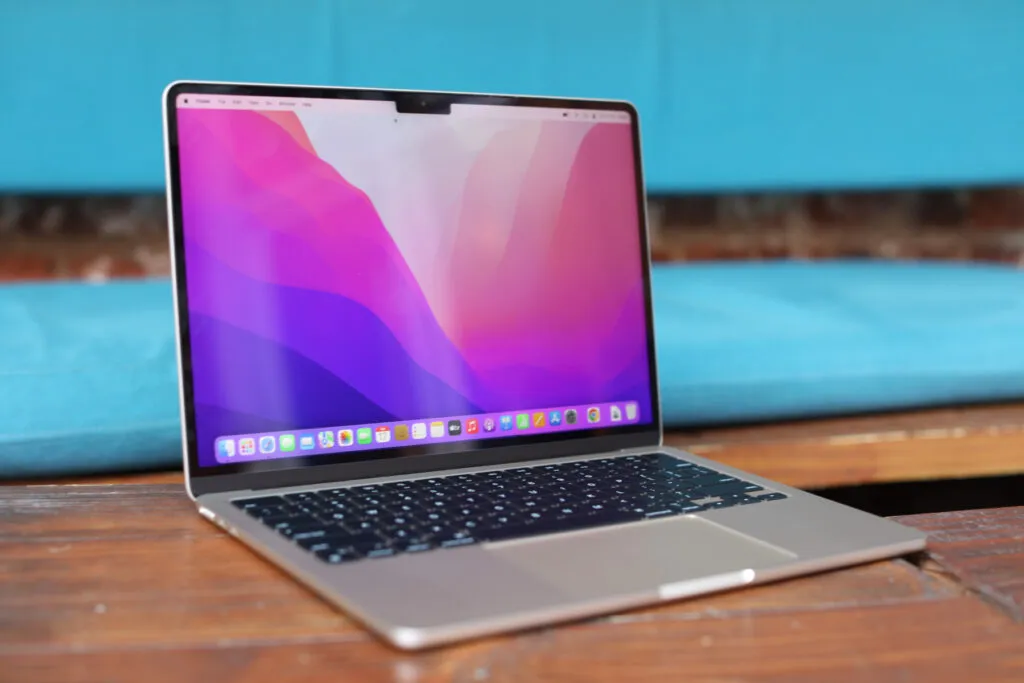
A setting created for backups now hands AI agents the keys to the whole computer - messages, mail, browsing history....
The cheaper SUV lifted deliveries by around 45 percent. Since June it has had two recalls, the latest over battery...
This site uses cookies - is that okay? Learn more
Be the first to know when Metla launches something new
Leave your email and we will write when there is a new guide or something new on Metla.