
Cancer Drug in a First Aid Kit at Bogorodica: Why Was the Driver Also Carrying 30 Labels?
22.10.2026


22.10.2026

22.10.2026

22.10.2026

22.10.2026

22.10.2026

22.10.2026

22.10.2026

22.10.2026
21.10.2026

22.10.2026

22.10.2026

21.10.2026

22.10.2026

22.10.2026

22.10.2026

22.10.2026

21.10.2026

20.10.2026

22.10.2026

22.10.2026
21.10.2026

22.10.2026

22.10.2026
21.10.2026
22.10.2026
20.10.2026

19.10.2026

23.04.2026

23.04.2026

12.04.2026

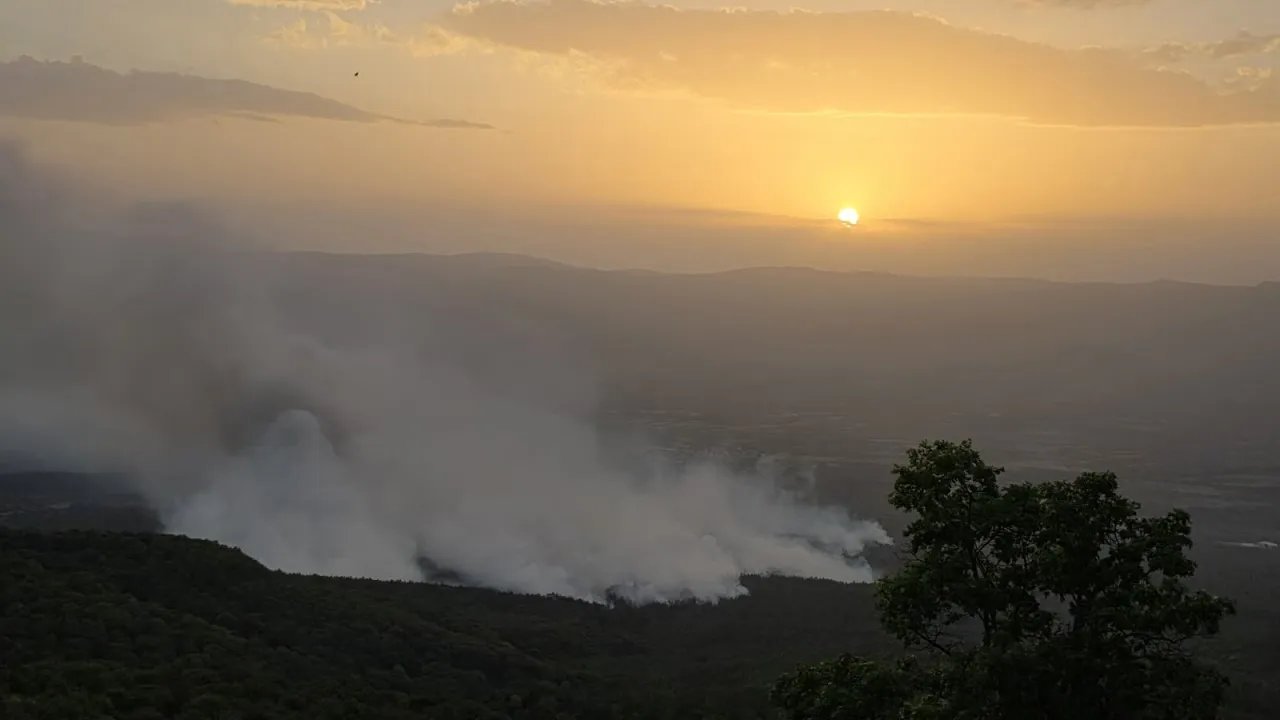
Seventy-two hours of continuous work on the ground and three nights on the fire line. That is what it took to bring the Pelister fire under control, according to the Pelister National Park public institution.
Director Ivancho Toshevski describes it as one of the most complex fires of the season in the country - forest dominated by black and Macedonian pine, terrain that is hard to reach, and unfavourable weather. The black pine on Pelister is not ordinary woodland. Macedonian pine grows there in a way it grows almost nowhere else in the Balkans.
Who was on the ground
The list of participants shows how serious the operation was. Units of the Pelister National Park, the territorial fire brigades from Bitola and Resen, machinery from the public utilities of the Bitola municipality and the Strezhevo public enterprise, firefighting forces of the Protection and Rescue Directorate, the Arhangel and Kochani volunteer fire brigades, army helicopters from the Air Wing and the Directorate's air tractors.
Plus something that rarely makes it into official statements - a large number of private business owners and volunteers, on the ground without a break.
The National Park points out that coordinating that many forces in a relatively small area, on inaccessible terrain, while ground and air operations ran simultaneously, was an exceptionally serious challenge. A good part of the crews stayed awake for more than 48 hours.
"The impossible became possible" - and that is exactly the problem
The sentence in the statement reads: "The impossible became possible because everyone was on the ground without a break." That is honest and deserved. It is also a description of a system that works by wearing people out rather than through equipment and planning.
When success depends on volunteers who have not slept for two days, that is not a model you can repeat every summer. And a summer with fires on Pelister is no longer the exception.
The National Park thanked the Directorate's head, Stojanche Angelov, for the support and coordination of the additional forces, and appealed to the public to behave responsibly in nature so that new fires can be prevented.
Pelister was saved this time. The question the statements do not ask is how many more times it can be saved this way.
The latest 10 news from this category
Part of the roof of the "St. Kliment Ohridski" school in Bitola was renovated with money from the Embassy of...
Mayor Dimitrievski showed off video surveillance and announced gates and lighting. The measures came after months of fires and a...
The initiative was dismissed over a "procedural obstacle," not on the merits. For the second time this year, the Court...
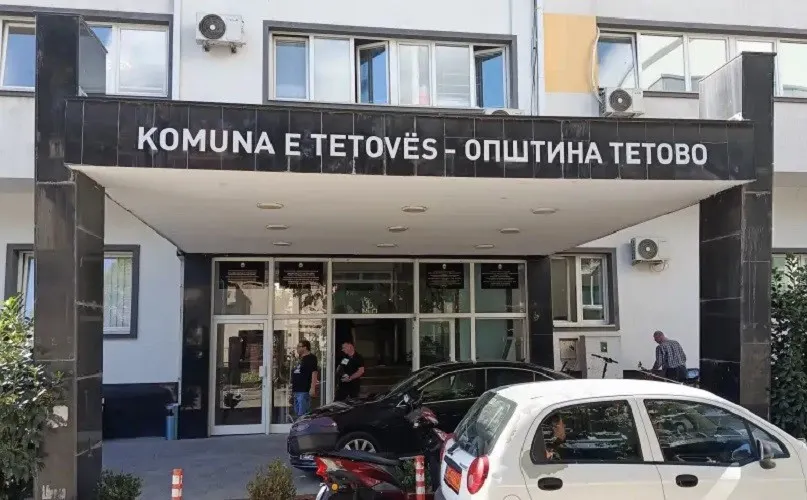
Citizens owe the municipality around 5 million euros, and half of it is already with enforcement agents. At the counter,...
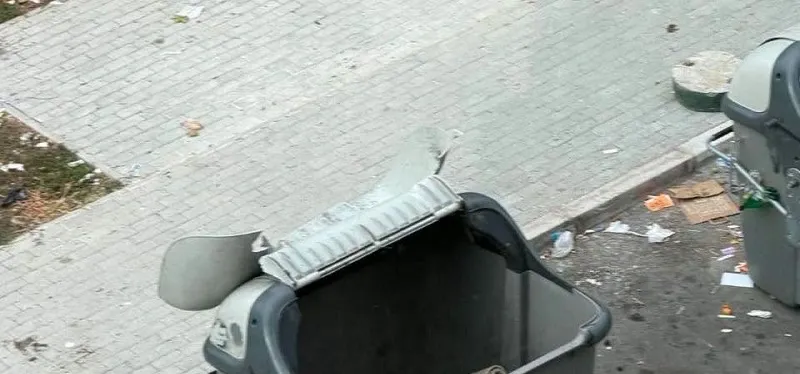
The mayor of Aerodrom put her photo on Facebook and called her irresponsible. She says the bulky waste was reported...
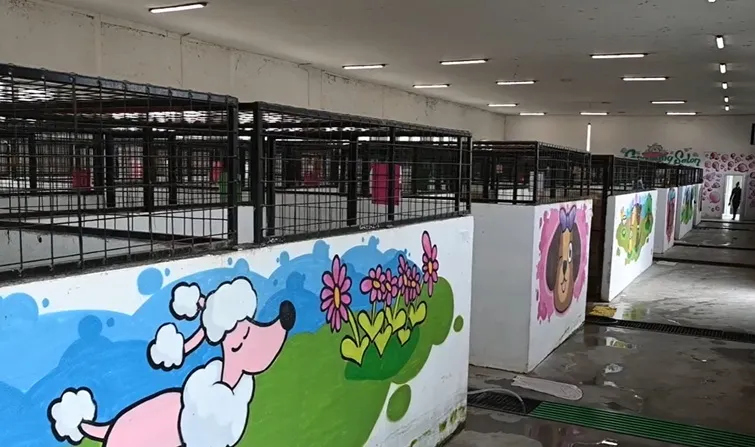
The money for more capacity for stray dogs is secured, but the city company's existing facility isn't in any urban...
The opposition in Centar claims the building inspectorate doesn't work and the complaints are gathering dust in a drawer. The...
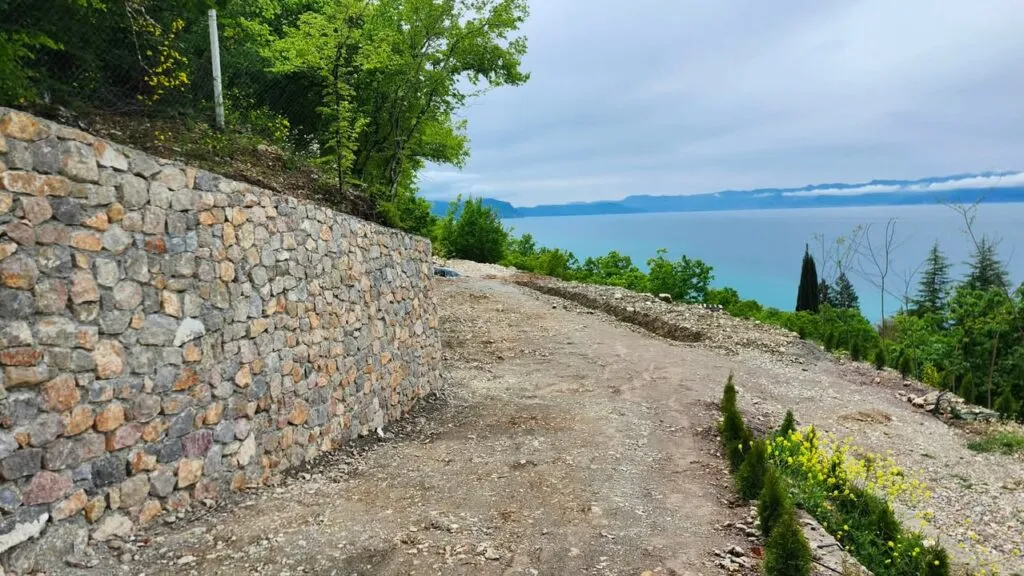
The national park itself established the violations and filed complaints with four institutions. Three years later, the scar at Lagadin...
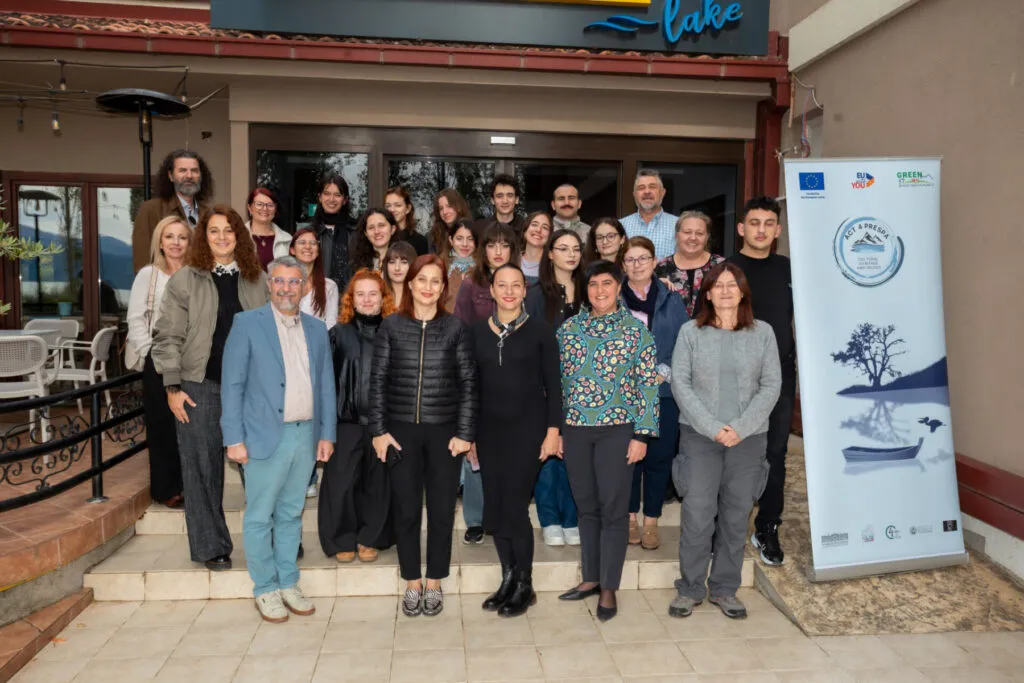
Twelve papers, a field trip to Ljubojno and European money. The question is whether the knowledge will reach the people...
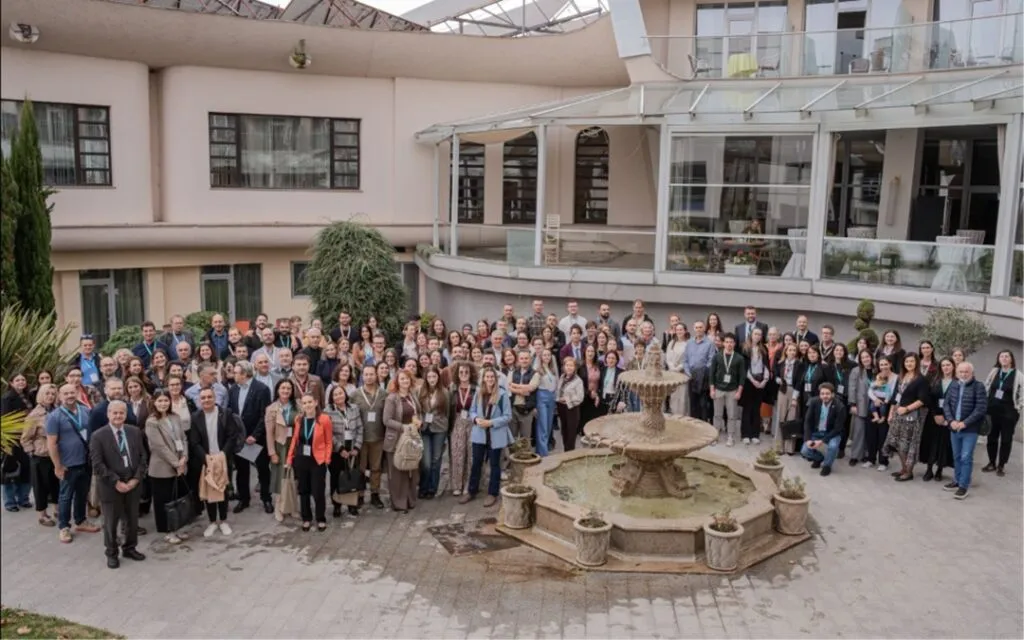
Nickel in the soil, drought among the oaks, Prespa in a climate crisis. The knowledge is there - it just...
This site uses cookies - is that okay? Learn more
Be the first to know when Metla launches something new
Leave your email and we will write when there is a new guide or something new on Metla.