
Cancer Drug in a First Aid Kit at Bogorodica: Why Was the Driver Also Carrying 30 Labels?
22.10.2026


22.10.2026

22.10.2026

22.10.2026
22.10.2026
22.10.2026

22.10.2026

22.10.2026

21.10.2026

20.10.2026

22.10.2026

22.10.2026

21.10.2026

22.10.2026

22.10.2026

22.10.2026

22.10.2026

21.10.2026

20.10.2026

22.10.2026

22.10.2026

21.10.2026

22.10.2026

21.10.2026

20.10.2026
20.10.2026

19.10.2026

17.10.2026

23.04.2026

23.04.2026

12.04.2026

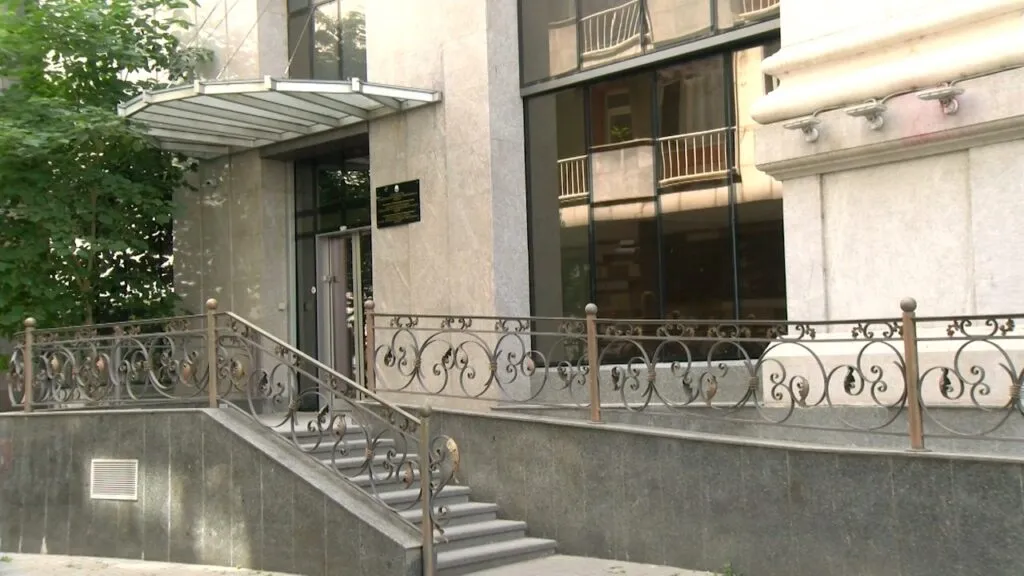
At its session on October 21, the Constitutional Court dismissed the initiative on the flat-rate increase of pensions. But not because it found it constitutional. And not because it found it unconstitutional. Rather, because the provision had - in the meantime - ceased to be in force.
At issue is Article 2 of the amendments to the Law on Pension and Disability Insurance, which governed the adjustment of pensions on September 1, 2025 and March 1, 2026. All pensioners got an increase of the same amount of money, regardless of how big their pension is. The Court found that the provision had a "temporary character," and that once it expired its application ended, so there is a "procedural obstacle" to ruling on the merits.
Those who filed the initiative argued that this is exactly what discrimination is. The initiative in case U.no.96/2025 states that "without objective and reasonable justification, one category of pensioners with low pensions is favoured at the expense of another," while pensioners with higher pensions, based on longer service and bigger contributions, get a smaller increase in percentage terms. Their point: equal treatment of unequal situations.
This isn't the first time the Court has said nothing on the substance. In March 2026, the proposal to strike down Article 2 didn't get enough judges' votes and the proceedings were halted. Now - procedural reasons. The outcome doesn't change: the question of whether the state may level pensions at the expense of those who paid in more remains unanswered, and the law did its job in full.
What does this mean for pensioners? Nothing new in their wallets. The decision doesn't introduce a new increase and doesn't change pensions already paid out. But it leaves a bitter lesson for any future temporary provision: if the decision comes after the provision has stopped being in force, the question of constitutionality simply "expires." So who protects the rights of those who were harmed while the law was in force?
The latest 10 news from this category

Part of the roof of the "St. Kliment Ohridski" school in Bitola was renovated with money from the Embassy of...
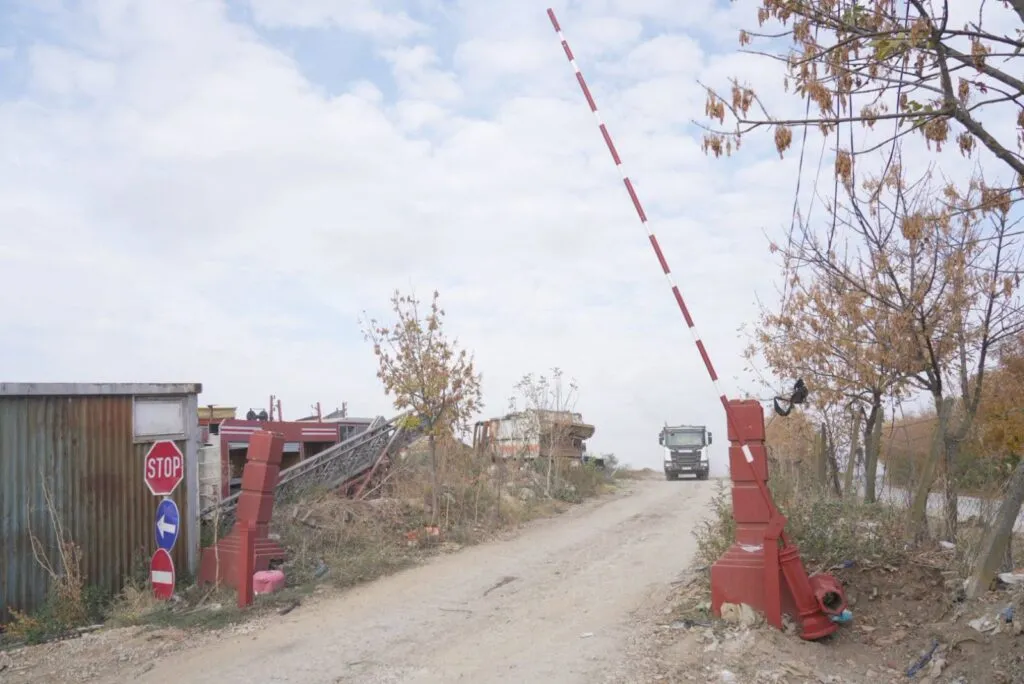
Mayor Dimitrievski showed off video surveillance and announced gates and lighting. The measures came after months of fires and a...

Citizens owe the municipality around 5 million euros, and half of it is already with enforcement agents. At the counter,...

The mayor of Aerodrom put her photo on Facebook and called her irresponsible. She says the bulky waste was reported...

The money for more capacity for stray dogs is secured, but the city company's existing facility isn't in any urban...

The opposition in Centar claims the building inspectorate doesn't work and the complaints are gathering dust in a drawer. The...

The national park itself established the violations and filed complaints with four institutions. Three years later, the scar at Lagadin...

Twelve papers, a field trip to Ljubojno and European money. The question is whether the knowledge will reach the people...

Nickel in the soil, drought among the oaks, Prespa in a climate crisis. The knowledge is there - it just...

In Sofia the topic wasn't even raised, by "tacit agreement". Back home, the violations in her treatment remain - and...
This site uses cookies - is that okay? Learn more
Be the first to know when Metla launches something new
Leave your email and we will write when there is a new guide or something new on Metla.