
"Crime as a service" with call centres in Macedonia too: over 4 million euros in damage, victims in 50 countries
04.11.2026


04.11.2026

04.11.2026

04.11.2026

04.11.2026

04.11.2026

04.11.2026

04.11.2026

03.11.2026

03.11.2026

04.11.2026

04.11.2026

03.11.2026

04.11.2026

04.11.2026

04.11.2026

04.11.2026

03.11.2026

02.11.2026

04.11.2026

04.11.2026

04.11.2026

04.11.2026

04.11.2026

03.11.2026

04.11.2026

03.11.2026

02.11.2026

23.04.2026

23.04.2026

12.04.2026

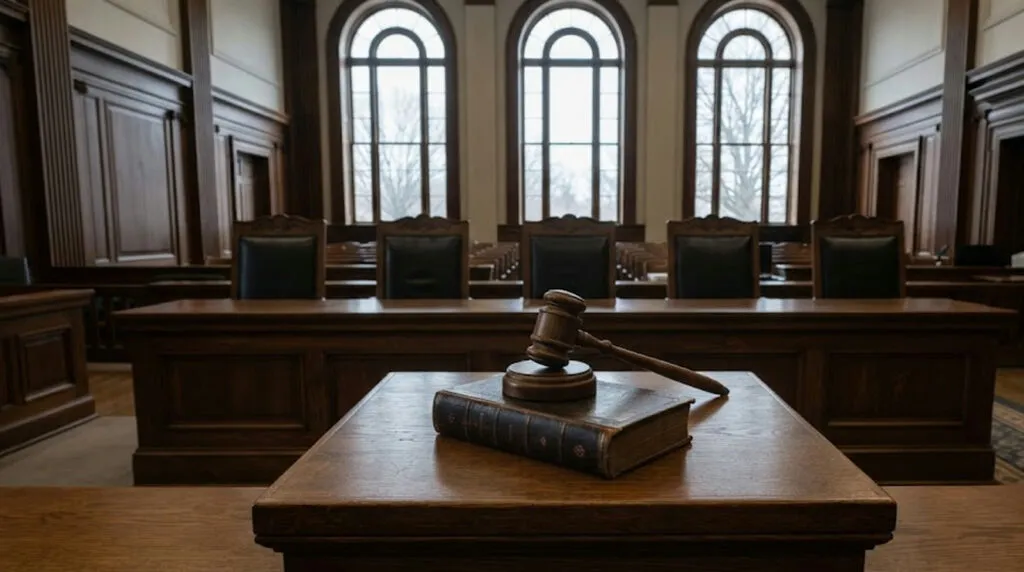
Poland is fighting again over who controls the Constitutional Court - and this time there were police standing outside the building. The crisis erupted on October 30, when Judge Anna Korwin-Piotrowska announced a decision temporarily removing the court's president, Bogdan Święczkowski, and taking over its management herself. Święczkowski, who is close to the opposition Law and Justice party (PiS), does not recognise the decision.
A large number of police officers were deployed outside the building, and opposition supporters came out to protest, calling the ruling coalition's move an attempted coup. The police say they intervened at the request of the authorities over a possible threat to the safety of judges and staff, and categorically deny entering the building or taking over the court's work. Three people were detained after, according to the police, they climbed over the fence.
President Karol Nawrocki cut short an official visit to Africa and rushed back to Warsaw. He accused Prime Minister Donald Tusk of a violent takeover of the Constitutional Court. Tusk hit back that his government is only trying to restore the independence of an institution that, in his view, had for years been under the political influence of the previous government.
If this sounds familiar, it's because the story has been running since 2015. That is when the Law and Justice government began changing the court's composition. When Tusk returned to power in 2023, the new leadership tried to undo some of those changes, but the presidency pushed back. Nawrocki had earlier refused to swear in five judges elected by the parliamentary majority, and the court's leadership did not let them take office. Every government "cleans" the court of the previous one's people - and every one of them calls it restoring the rule of law.
Now the opposition is looking for a way out through elections. Deputy Speaker of the Sejm Krzysztof Bosak of Konfederacja told a protest outside the Constitutional Court that Poland is witnessing lawlessness typical of "banana republics" and that the executive is abusing the police. Konfederacja will propose a resolution to cut short the Sejm's term and will discuss it with President Nawrocki.
Bosak also sees the proposal as a test for the partners in Tusk's coalition. "No double game - saying they're unhappy and then voting with the government anyway," he said. The maths is cold: shortening the term requires two thirds of MPs, or 307 out of 460, and the opposition doesn't have that many votes on its own. Without defectors from the majority, there will be no snap election.
Konfederacja's other leader, Sławomir Mentzen, is offering a "constitutional reset": all 15 judges re-elected by a three-fifths majority in the Sejm, the first terms set by drawing lots, from one to nine years, and judges sworn in before parliament rather than the president. "Neither Tusk nor Kaczyński must ever again have influence over the courts," he said. A nice sentence - except it comes from a politician whose party also wants to govern.
The crisis goes on. Korwin-Piotrowska called a session of judges for November 3 on the institution's 2027 budget, while Święczkowski does not recognise the decisions removing him. Two presidents of one court, police at the door and a parliament without enough votes for a way out. Will Poland find its way back to a court both sides can trust - or are these wars over the courts becoming everyday life in Europe?
The latest 10 news from this category
Texas after three decades, Kansas after 87 years, and Musk's 168 million dollars gone with the wind. Two years after...
"I wasn't on the ballot, and if I had been, we would have won in a landslide." First the veto,...

Meat in the bin, empty fridges, and the attackers aren't asking for money. If someone can remotely spoil the stock...
The King spoke of horror and deep personal sorrow before the leaders of 56 countries. He never said "sorry", and...
The administration wanted the ballots of people it claims aren't citizens set aside - the court refused on an emergency...
Washington once gave lectures on democracy, and now, according to Anne Applebaum, it counts coalitions over dinner. The Balkans have...
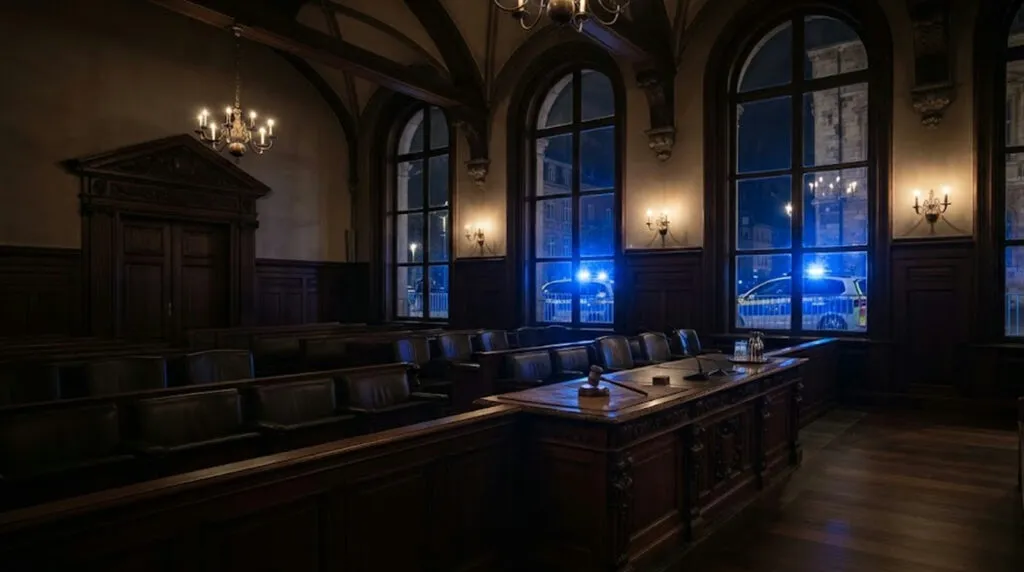
Both sides say they're defending the constitution, and the court won't recognise as a judge the woman suspending its president....
The Norwegian queen's son has a conviction for around thirty offences, a job offer he wants to show the court...
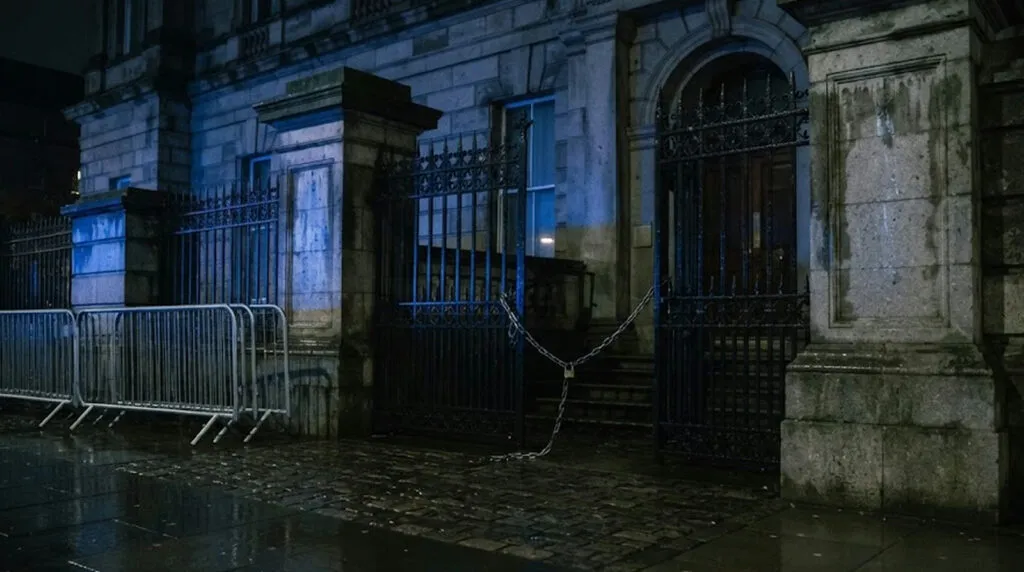
The suspended court president asks for a crowbar, a man from the crowd cuts the chain, and police guard the...
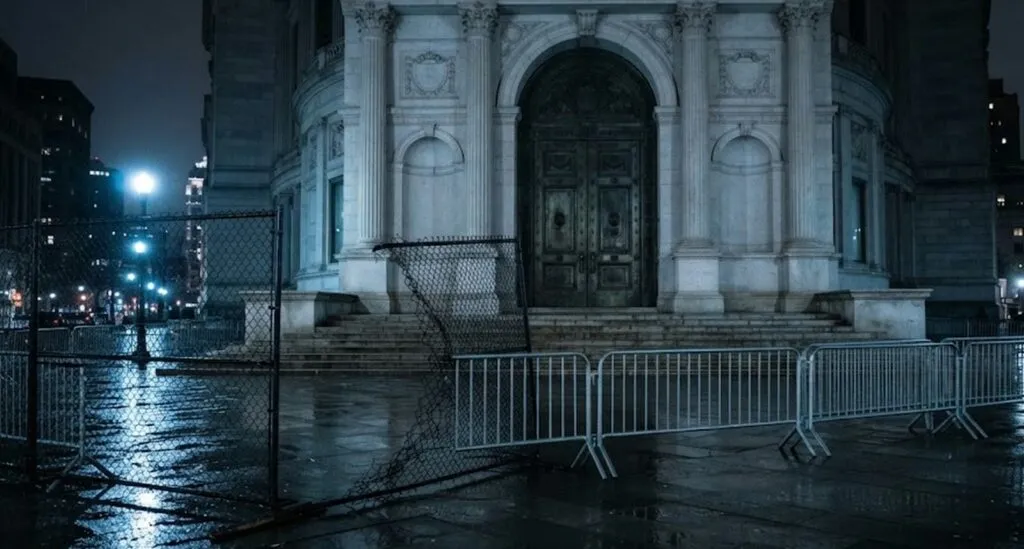
For eleven years two parties have been grinding down Poland's Constitutional Tribunal, and now a police cordon guards the court...
This site uses cookies - is that okay? Learn more
Be the first to know when Metla launches something new
Leave your email and we'll write to you when there's a new guide or something new on Metla.