


"That's not my job": the trial of the 13 Puls police officers restarted from scratch, and witnesses describe help being refused
22.09.2026


22.09.2026
22.09.2026

22.09.2026

22.09.2026

22.09.2026

22.09.2026

22.09.2026

21.09.2026

20.09.2026

22.09.2026

22.09.2026

21.09.2026

22.09.2026

22.09.2026

22.09.2026

22.09.2026

21.09.2026

20.09.2026

22.09.2026

22.09.2026

22.09.2026
22.09.2026

22.09.2026

22.09.2026

09.03.2026

27.02.2026

19.02.2026

22.09.2026

21.09.2026

21.09.2026

23.04.2026

23.04.2026

12.04.2026

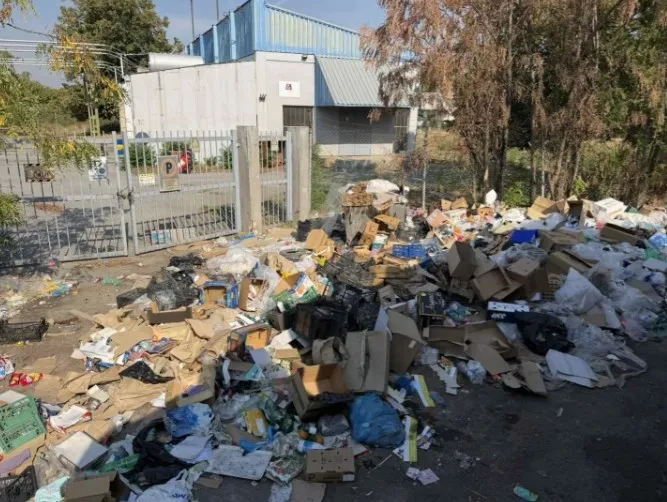
Six hundred and fifty cubic metres. That is how much illegally dumped bulky and construction waste the crews of the public utility Komunalna higijena cleared in a single week from public and traffic surfaces across every Skopje municipality. This is waste somebody deliberately left where it is not allowed.
The largest quantity was lifted in the municipality of Čair - 170 cubic metres from illegal dumps. That is more than a quarter of the total, from one municipality.
Over the same period, 2,700 tonnes of municipal waste were collected and transported from households and businesses across the city. That is the routine work, the reason the utility exists and the thing citizens pay for.
The difference between the two figures
The two numbers describe entirely different things and it is worth not mixing them up. Those 2,700 tonnes are the system working: bin, truck, landfill. Those 650 cubic metres are what goes around the system - somebody loaded up broken concrete, old furniture or building rubble and tipped it beside a street, on an empty plot, behind a fence.
Every cubic metre of that second figure is a bill sent to everyone. Clearing illegal dumps is not free - it is labour hours, fuel, machinery and landfill space, paid out of a budget that the person dutifully putting rubbish in a bin also pays into.
The utility also points out that it continuously maintains public hygiene on boulevards and streets through machine washing with tankers late in the evening, and that squares, the pedestrian bridges in the central city area, the pavements of the Goce Delčev and Sloboda bridges and the Old Skopje Bazaar are washed and swept daily, in three shifts.
All of that is visible work. What is not visible in the statement is the other half of the story: how many penalty reports were filed over those 650 cubic metres, and how many of them ended in a fine that was actually collected. Because the clearing repeats every week precisely because clearing is all that happens.
The latest 10 news from this category
The solution did not come out of a transport study, but out of residents' suggestions. What remains is the most...
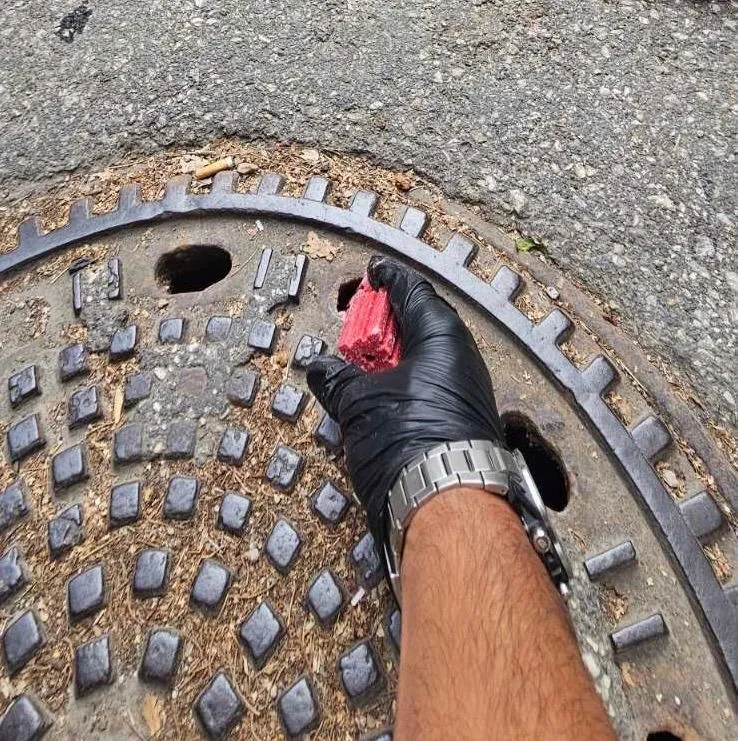
Bunjakovec, Kapištec and Gradski zid are getting poison again. An overflowing bin is food, unsealed sewerage is shelter - and...

This year's European Mobility Week theme is intergenerational fairness - the decisions made about a city are paid for by...
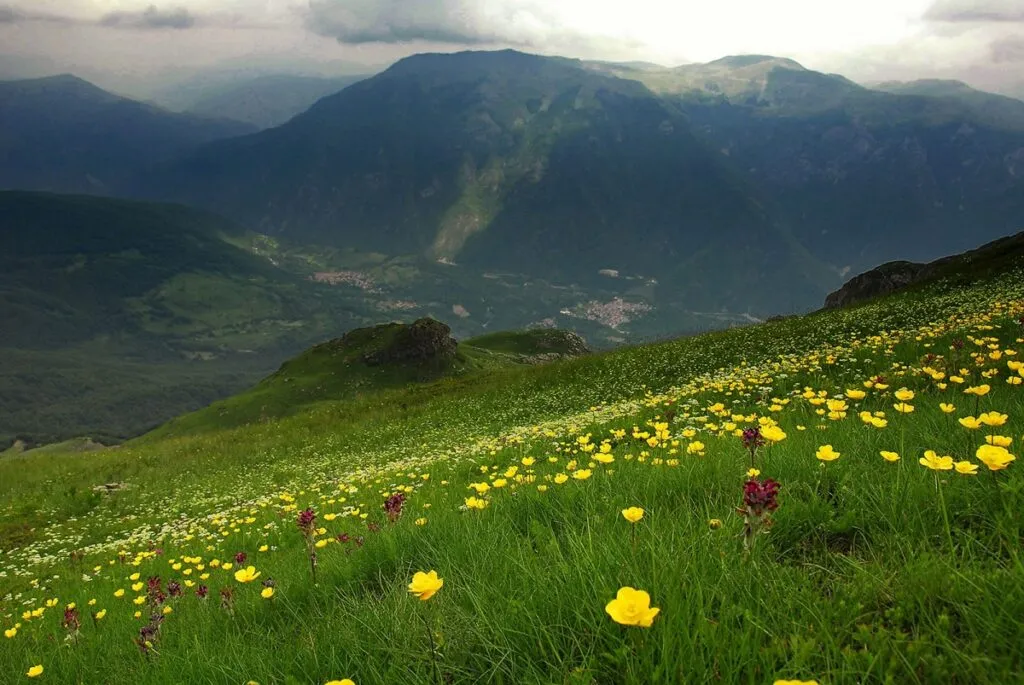
The country's largest national park is run on boundaries from 1952 and zoning from 1988. Pelister and Galichica got new...

The tender collapsed in May, was repeated in July, and Ikarus and EVN came in lowest at 3.12 billion denars....
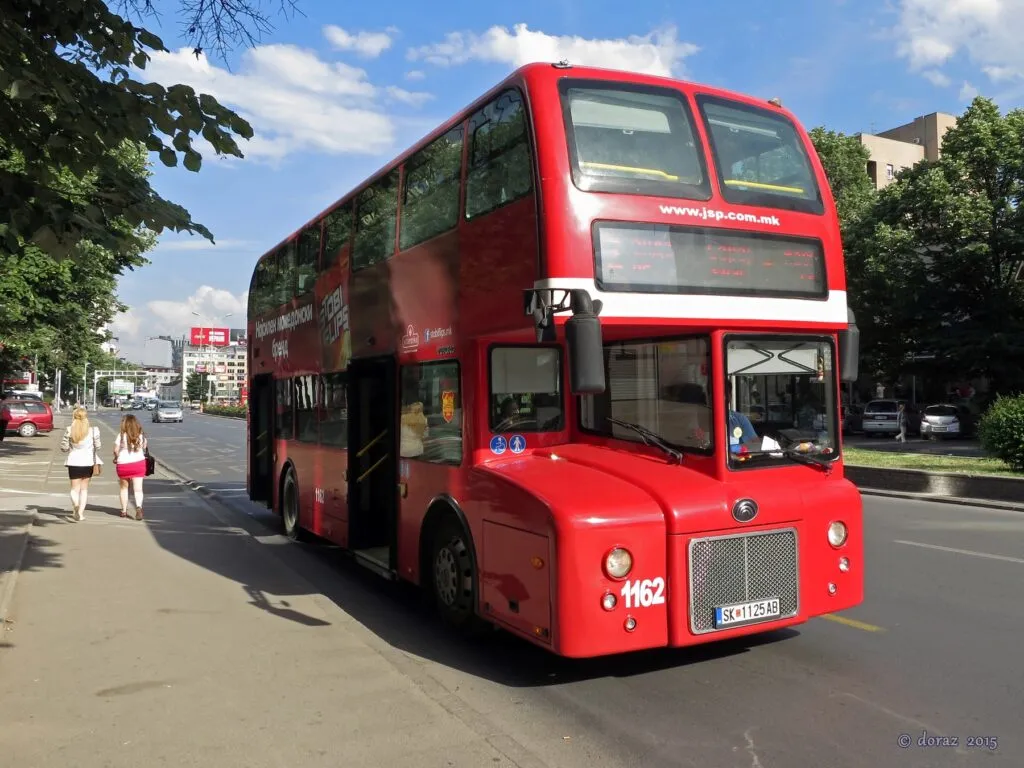
An agreement between Butel, the City of Skopje and the transport company, a new timetable "in the coming days", a...
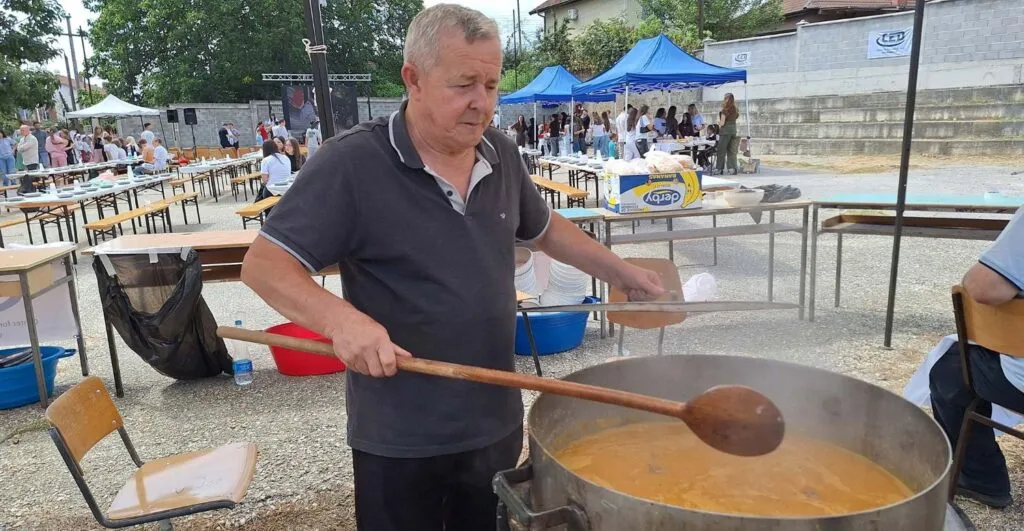
Fourteen years of "Bean Day" in Tearce, and ever fewer beans. A farmer with thirty years behind him says the...
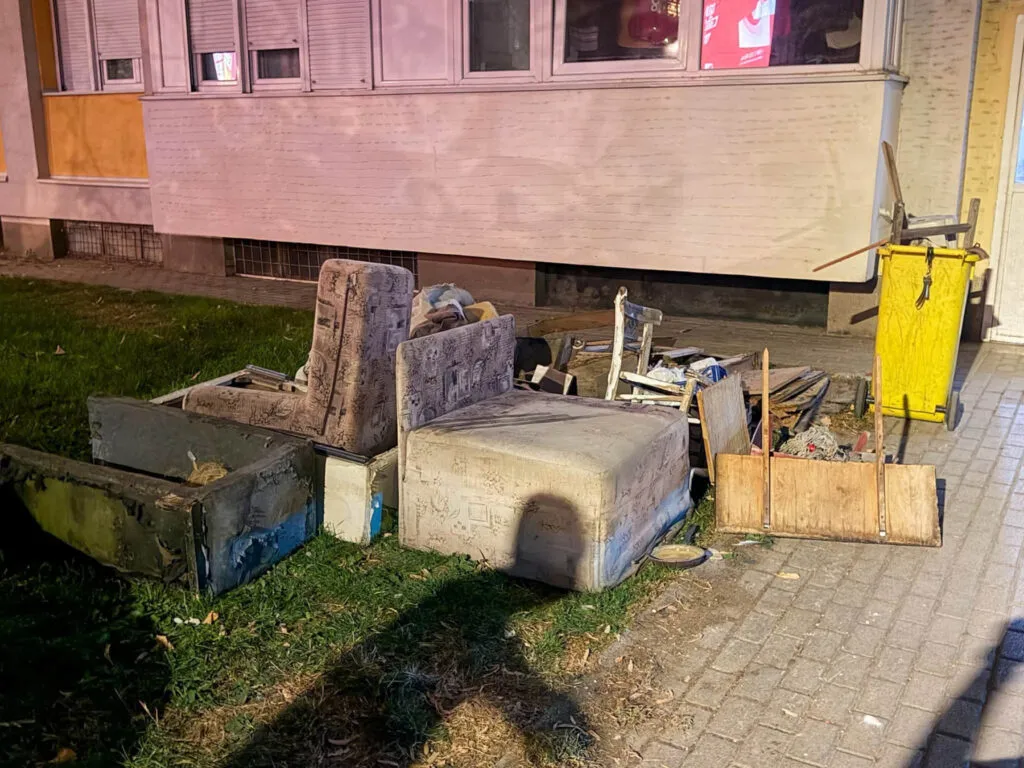
The third case in a few days, this one caught by the City of Skopje's inspectors. The mayor posts "zero...

Speaking to women entrepreneurs in Bitola, the president talked about idealism, law and morality, and about a world that will...

Since 28 July the Veles hospital has been implanting intraocular lenses using the phaco method. Thirty operations on, the queue...
This site uses cookies - is that okay? Learn more
Be the first to know when Metla launches something new
Leave your email and we will write when there is a new guide or something new on Metla.
