
"That's not my job": the trial of the 13 Puls police officers restarted from scratch, and witnesses describe help being refused
22.09.2026


22.09.2026
22.09.2026

22.09.2026

22.09.2026

22.09.2026

22.09.2026

22.09.2026

21.09.2026

20.09.2026

22.09.2026

22.09.2026

21.09.2026

22.09.2026

22.09.2026

22.09.2026
22.09.2026

21.09.2026

20.09.2026

22.09.2026

22.09.2026

22.09.2026
22.09.2026

22.09.2026

22.09.2026

09.03.2026

27.02.2026

19.02.2026

22.09.2026

21.09.2026

21.09.2026

23.04.2026

23.04.2026

12.04.2026


Today, 22 September, Ohrid is a city without cars. The municipality declared the day as part of European Mobility Week, marked from 21 to 27 September, with this year's theme being "Intergenerational fairness".
The local authority, together with the Ohrid police department, is organising a cycling parade through the city's roads. From 11am to 1pm, the parade sets off from the Makedonija promenade in front of the Palas hotel, continues along the promenade and ASNOM street to the junction with Partizanska, then along Partizanska to the junction with Kuzman Josifovski, and finishes back on the Makedonija promenade.
The municipality is calling on residents to take part in numbers and, for at least one day a year, to come to work without a car: "On Tuesday, leave the car at home and enjoy riding a bike, a scooter or walking, knowing you are making the right move for preserving clean air and a clean environment."
One day, and the other 364
The theme was chosen carefully. "Intergenerational fairness" means the decisions made about a city today are paid for by the people who do not drive yet - the children walking to school beside a road designed for cars.
And that is precisely where a one-day action shows its limit. A cycling parade through the centre of Ohrid from 11am to 1pm makes a lovely picture. The question that remains after 1pm is how many kilometres of protected cycle lanes the city has, how many safe pedestrian crossings, and how much of the promenade is permanently free of parked vehicles.
If the answer is satisfactory, then today's parade is a celebration of something that already exists. If it is not, then it is a reminder that once a year it is possible to be a pedestrian in this city without watching a wing mirror.
Ohrid has an advantage few cities have: a centre on a scale where everything is within walking distance, a lakeside promenade and an old bazaar that was never conceived for a car. The infrastructure for a car-free city is largely already built - and was built centuries ago. All that is left is to decide who it is being kept for.
The latest 10 news from this category
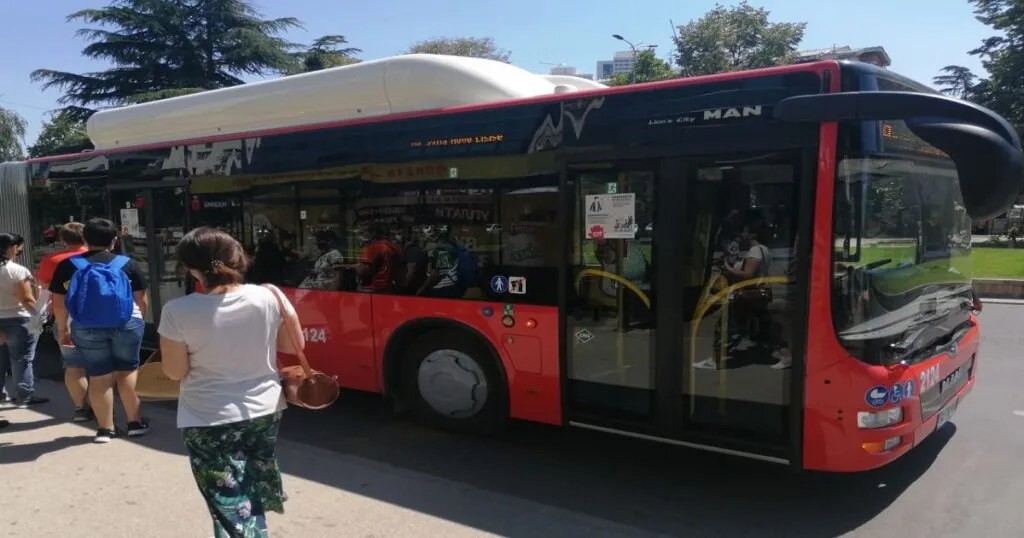
The solution did not come out of a transport study, but out of residents' suggestions. What remains is the most...

Bunjakovec, Kapištec and Gradski zid are getting poison again. An overflowing bin is food, unsealed sewerage is shelter - and...

Every cubic metre from the illegal dumps is a bill sent to everyone. What the statement leaves out is the...
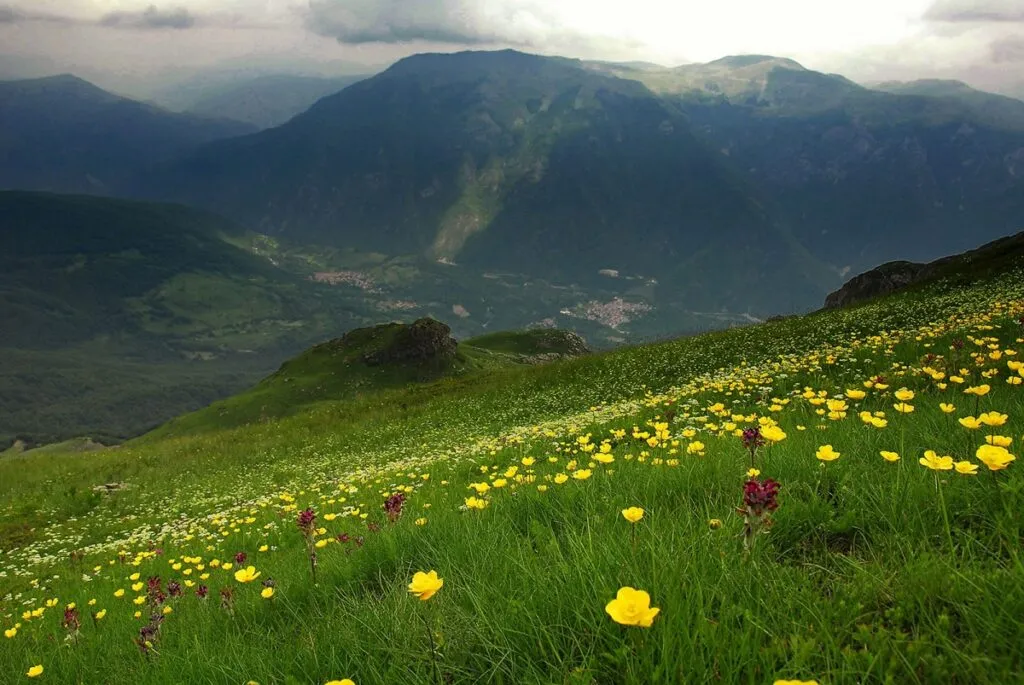
The country's largest national park is run on boundaries from 1952 and zoning from 1988. Pelister and Galichica got new...
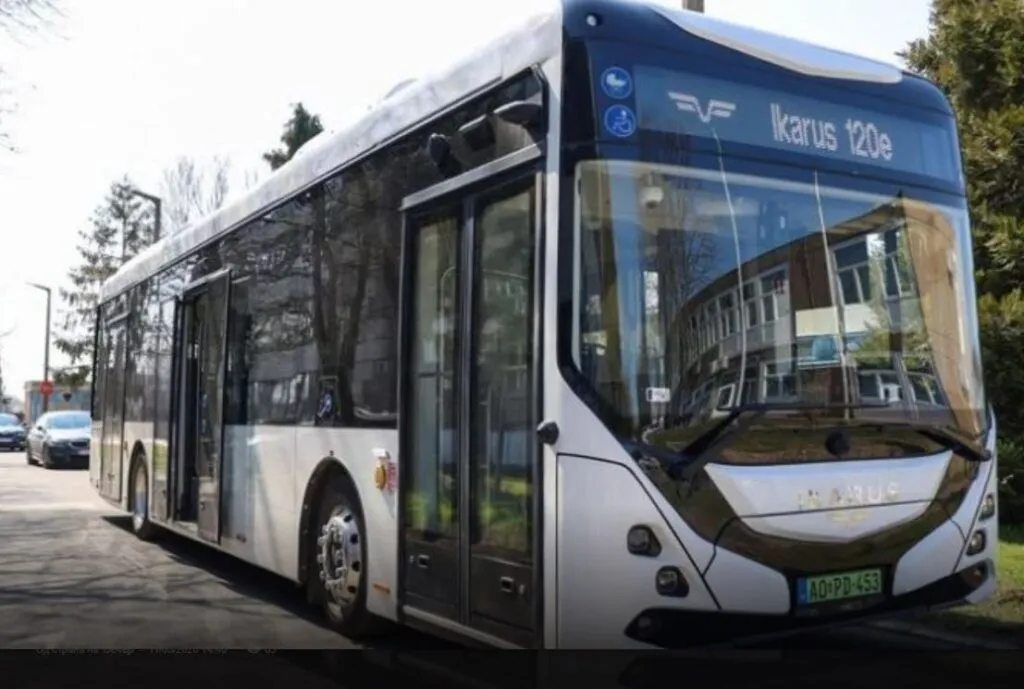
The tender collapsed in May, was repeated in July, and Ikarus and EVN came in lowest at 3.12 billion denars....
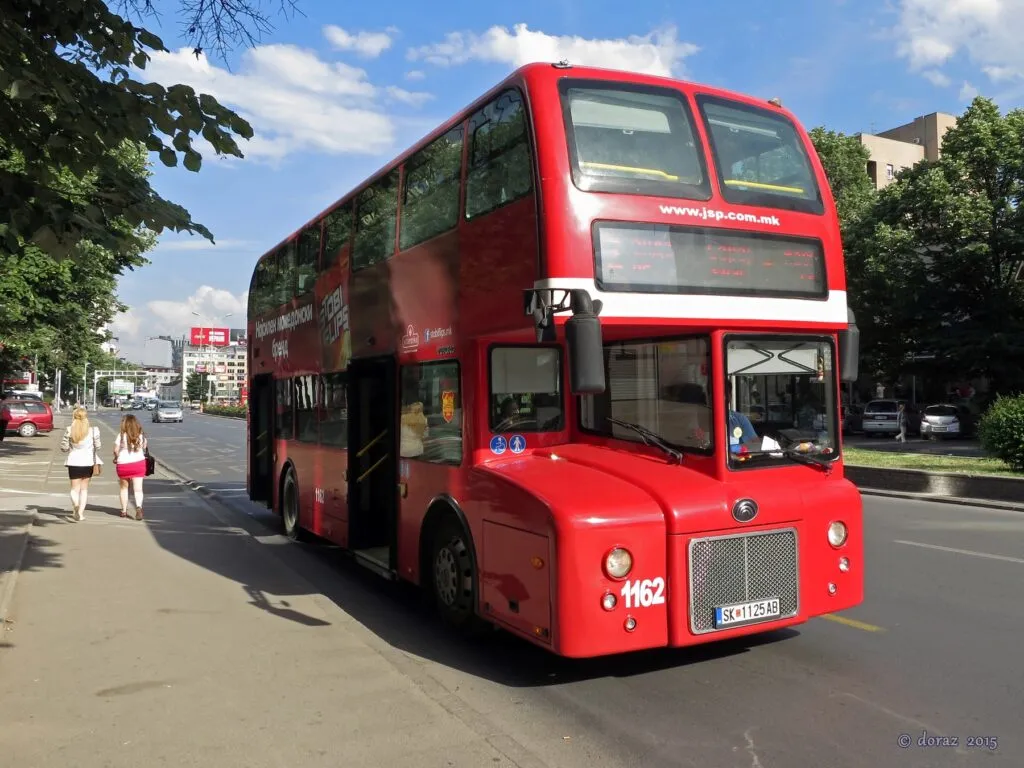
An agreement between Butel, the City of Skopje and the transport company, a new timetable "in the coming days", a...
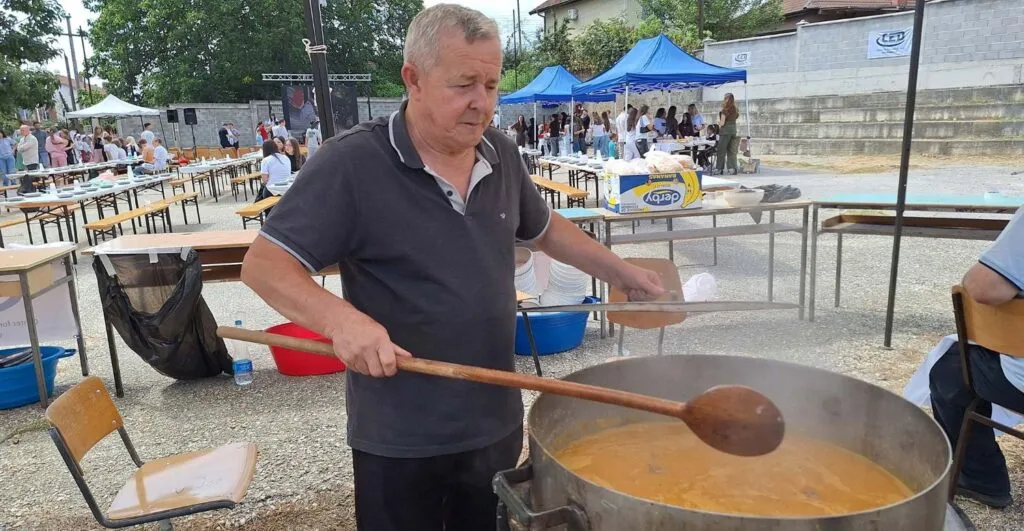
Fourteen years of "Bean Day" in Tearce, and ever fewer beans. A farmer with thirty years behind him says the...

The third case in a few days, this one caught by the City of Skopje's inspectors. The mayor posts "zero...

Speaking to women entrepreneurs in Bitola, the president talked about idealism, law and morality, and about a world that will...

Since 28 July the Veles hospital has been implanting intraocular lenses using the phaco method. Thirty operations on, the queue...
This site uses cookies - is that okay? Learn more
Be the first to know when Metla launches something new
Leave your email and we will write when there is a new guide or something new on Metla.