Six Years of Fake Licence Categories Issued From an Interior Ministry Desk: Six Charged, 21 More Under Investigation
21.09.2026


21.09.2026
21.09.2026
21.09.2026

21.09.2026

21.09.2026
21.09.2026

21.09.2026

20.09.2026

20.09.2026

21.09.2026

21.09.2026

20.09.2026

21.09.2026

21.09.2026

21.09.2026

21.09.2026

20.09.2026

19.09.2026

21.09.2026

21.09.2026

21.09.2026

21.09.2026

21.09.2026

21.09.2026

09.03.2026

27.02.2026

19.02.2026

21.09.2026

21.09.2026
20.09.2026

23.04.2026

23.04.2026

12.04.2026

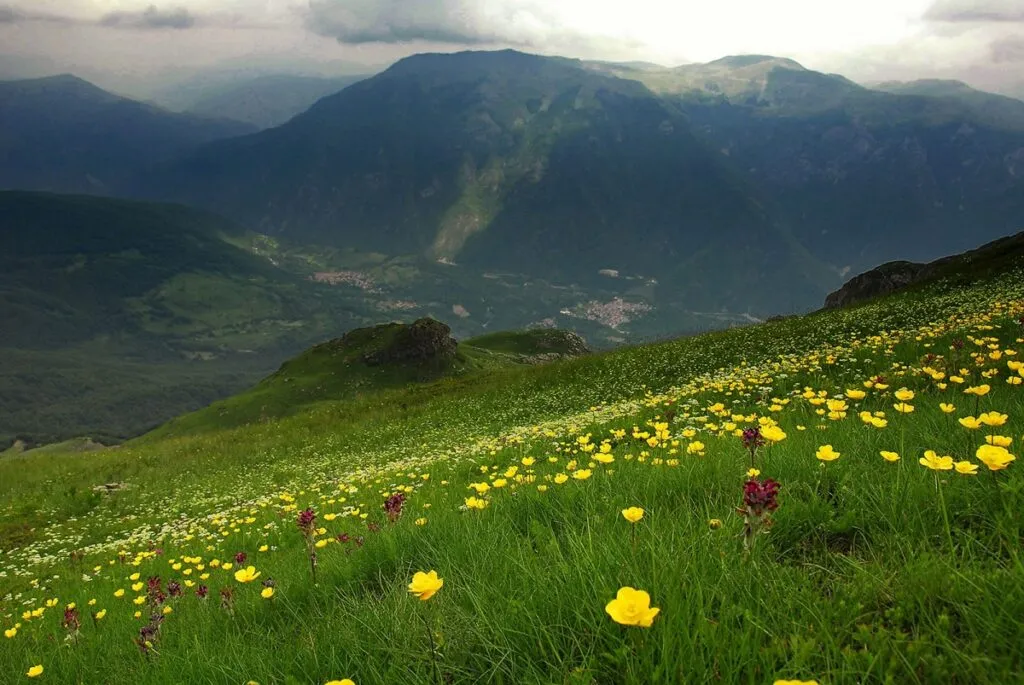
A YouTube video titled "World-class chamois hunting in the mountains of N. Macedonia". Foreign hunters, a Balkan chamois in the crosshairs, a channel called "Pedro Ampuero's Hunting Adventures". In those same days park rangers were pulling illegally set fishing nets out of Mavrovo Lake and reporting the case to the police station in Mavrovi Anovi. Two stories back to back from the country's largest protected area - and both are only a symptom.
Park director Haris Ibraimi says this is not commercial hunting but sanitary culling, approved by the competent institutions, supervised by the park and part of a programme monitoring animal health. Perhaps. But the question the footage raises is not whether there is a stamp on it. It is on the basis of which management plan, which zone and which scientific data a cull gets approved in a park that does not hold a single valid, current management document.
Boundaries from 1952, zoning from 1988
Mavrovo was declared a national park on 19 April 1949. The 1952 amendments expanded it from 11,750 to 73,088 hectares, bringing 37 settlements inside its borders. Those boundaries still apply today. The zoning, according to the park's own records, was drawn up as part of the 1988 Spatial Plan. The park, in other words, is managed with a map older than the state.
In 2004 Macedonia passed a new Law on Nature Protection. Article 187 set a six-year deadline to revalorise the old protected areas and issue new declaration acts. The deadline expired in 2010. Pelister and Galichica completed the process. Mavrovo did not: no new law, no management plan, no spatial plan. Article 184 says the old protection remains in force, so the park has not formally vanished from the map. But "formally protected" and "protected" are not the same thing.
A study, a draft law, a withdrawal with no explanation
The revalorisation study was drawn up between 2011 and 2013. In February 2015 the draft law on re-declaring the park was published on the ENER portal - and then withdrawn without any public explanation, say the environmental group Eko-svest. In 2021 the institutions passed the blame back and forth in public: the government claimed the park had not submitted harmonised zoning, the park claimed the proposal had been ready since 2012 but the ministry refused it. Eleven years of one document walking between two addresses.
Meanwhile environmentalists are counting the consequences: commercial logging, hunting, small hydropower plants, illegal construction. The sharpest example is the small hydropower plant Ribnichka. The investor filed a request to clear the route. The director says not a single tree has been cut or even marked and that the park has not yet sought consent from the Ministry of Agriculture. Yet the investor paid around seven million denars in logging compensation three years ago. Money for felling, paid before the protection regime was even defined - that is the legal vacuum in one sentence. The Bern Convention recommended back in 2025 that hydropower in the park be halted and the re-declaration finished urgently.
Five demands and one answer
Eko-svest and 21 other organisations sent five demands to the government and the institutions: start and finish the re-declaration urgently, put the draft law to public debate, align the zoning with scientific findings, impose a moratorium on damaging projects, and implement the Bern recommendations.
The Environment Ministry's reply: the procedure "should be completed", and the ministry "is open to organising a public debate at the request of civil society organisations". Those organisations requested exactly that, in writing, on 9 September. The ministry is announcing its openness to something already asked for. So much for urgency.
Mavrovo does not need another study. There is a study, a draft law from 2015, a Bern Convention recommendation, and 22 associations with concrete demands on the table. What is missing is a signature. Who will put it there - and in which term of office?
The latest 10 news from this category

The tender collapsed in May, was repeated in July, and Ikarus and EVN came in lowest at 3.12 billion denars....
An agreement between Butel, the City of Skopje and the transport company, a new timetable "in the coming days", a...
Fourteen years of "Bean Day" in Tearce, and ever fewer beans. A farmer with thirty years behind him says the...
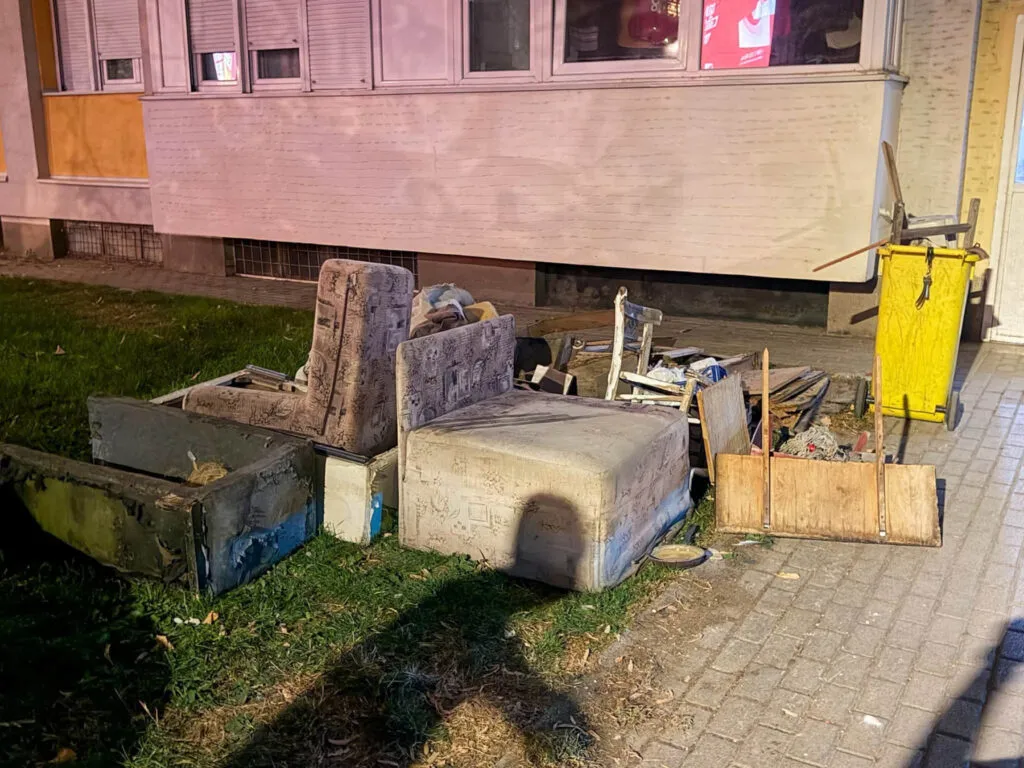
The third case in a few days, this one caught by the City of Skopje's inspectors. The mayor posts "zero...
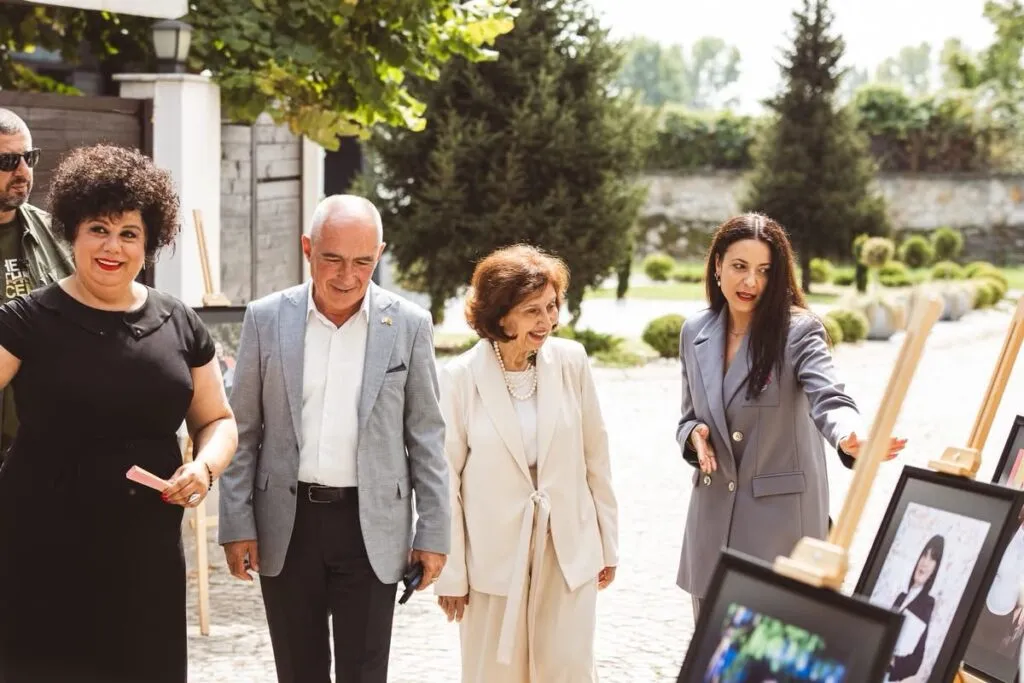
Speaking to women entrepreneurs in Bitola, the president talked about idealism, law and morality, and about a world that will...
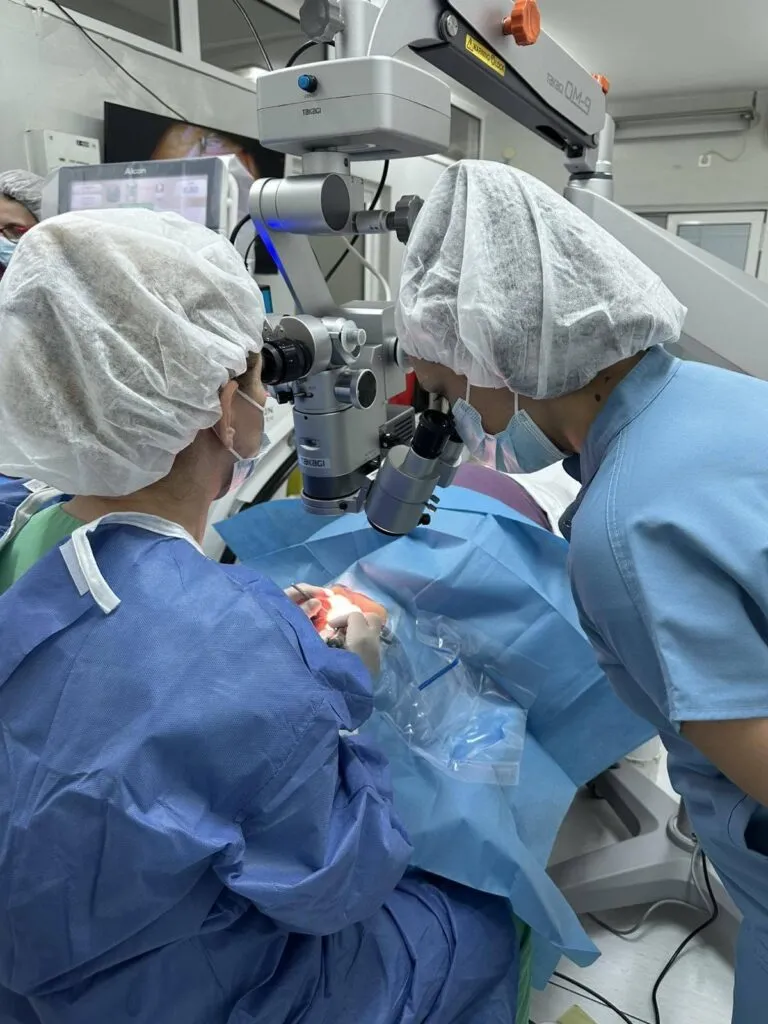
Since 28 July the Veles hospital has been implanting intraocular lenses using the phaco method. Thirty operations on, the queue...
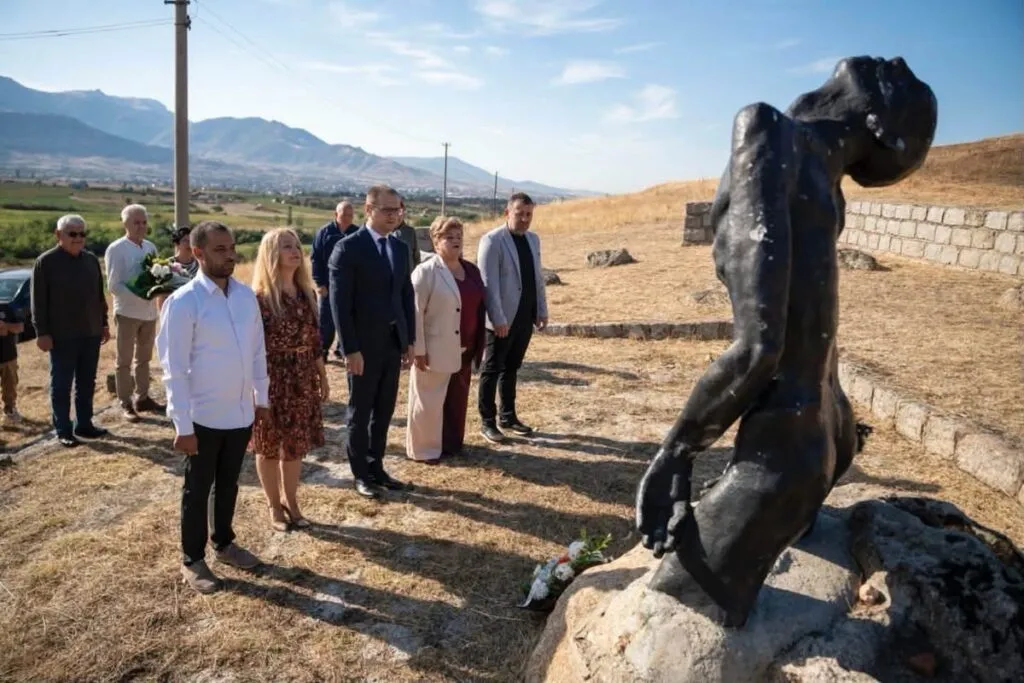
Eighteen people from Prilep killed at Dabnica in 1942. Dejan Prodanoski called for greater care of the memorial - which...
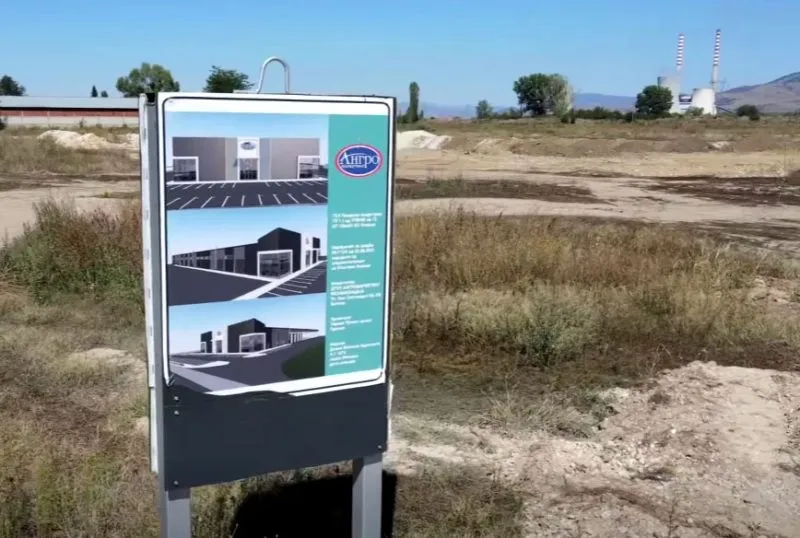
The press release counts 77.5 million denars invested, the mayor announces up to 120 million in total. The number missing...
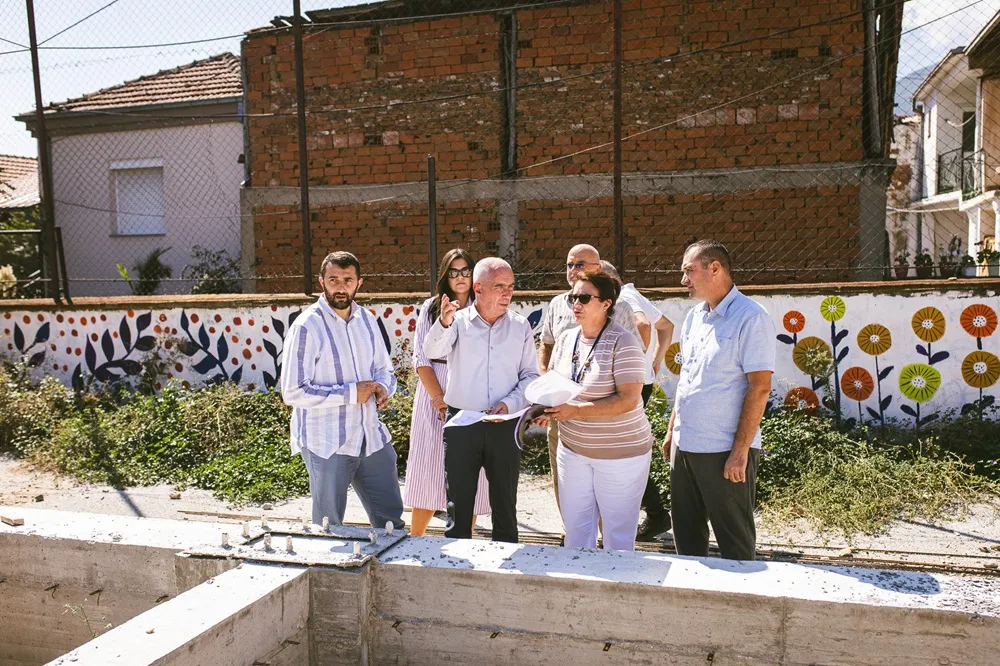
Three schools are getting standard-design halls, a fourth is going up in Bistrica. But the HVAC section had to be...

Darko Vasilevski says he was rejected because of his age. But the problem he describes himself is wider - a...
This site uses cookies - is that okay? Learn more
Be the first to know when Metla launches something new
Leave your email and we will write when there is a new guide or something new on Metla.