"That's not my job": the trial of the 13 Puls police officers restarted from scratch, and witnesses describe help being refused
22.09.2026


22.09.2026

22.09.2026

22.09.2026
22.09.2026

22.09.2026
22.09.2026
22.09.2026

21.09.2026

20.09.2026

22.09.2026
22.09.2026
21.09.2026
22.09.2026

22.09.2026
22.09.2026

22.09.2026

21.09.2026

20.09.2026

22.09.2026

22.09.2026
22.09.2026
22.09.2026
22.09.2026

22.09.2026

09.03.2026

27.02.2026

19.02.2026
22.09.2026

21.09.2026
21.09.2026

23.04.2026

23.04.2026

12.04.2026

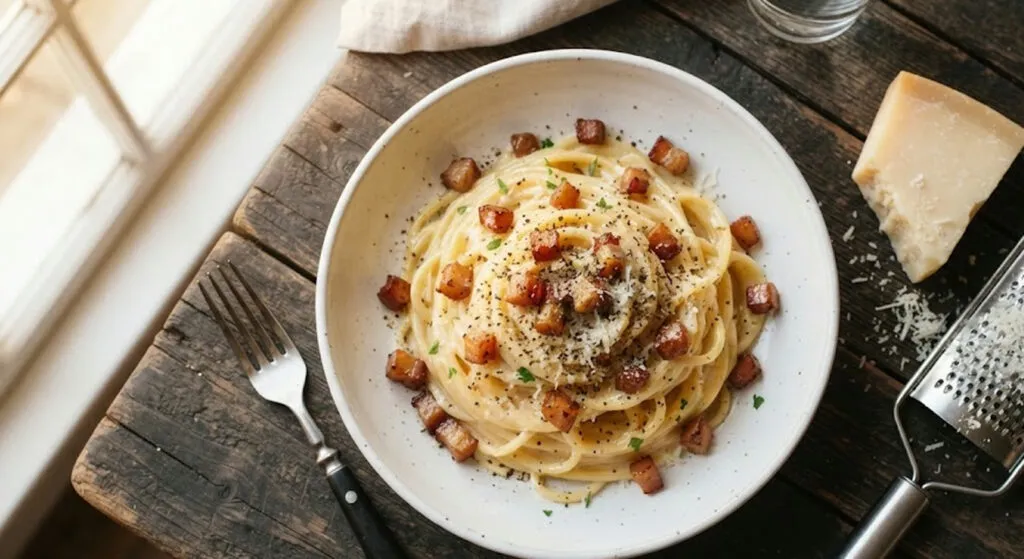
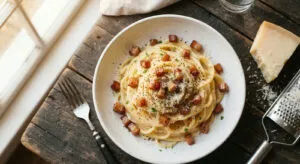
Real carbonara has no cream - that is an addition that took hold outside Rome and stayed there. No mushrooms, no garlic, no bacon either. It has four things: pasta, guanciale, eggs and pecorino romano - plus the cooking water, which is the fifth and the most important.
For four people you need 400 grams of spaghetti, 150 grams of guanciale, four yolks plus one whole egg and 100 grams of pecorino. The water is three to four litres with 30 to 40 grams of salt, and no oil goes into it - oil stops the sauce from clinging to the pasta.
The step where everything falls apart is one and always the same: the pan must be off the heat when the egg mixture goes in. If the pan is hot, you get scrambled eggs with spaghetti. The residual heat from the pasta is enough to thicken the cream without cooking the eggs - and it has to be stirred constantly and vigorously, adding cooking water gradually.
The guanciale is cut into strips and fried slowly, without a drop of oil, until crisp outside and soft inside. The fat that renders out is not waste - it is half the sauce. Chef Massimo Bottura says it plainly: the key to the dish is an emulsion of guanciale fat, egg and the starch from the pasta.
If you have no guanciale, pancetta works, though it is more neutral in flavour. Martín Berasategui recommends cured Iberian pork cheek as the closest substitute. Pecorino can be swapped for parmigiano - that is the only concession the recipe tolerates without becoming something else.
There are several versions of its origin. One links it to the carbonari, the nineteenth-century secret society that cooked simply in the Apennines with eggs, sheep's cheese and pasta. Another points to black pepper resembling coal. A third cites Ippolito Cavalcanti, who published the recipe in his 1839 book.
Four ingredients, three litres of water and one moment when it has to come off the heat. Everything else is adding things nobody asked for.
The latest 10 news from this category
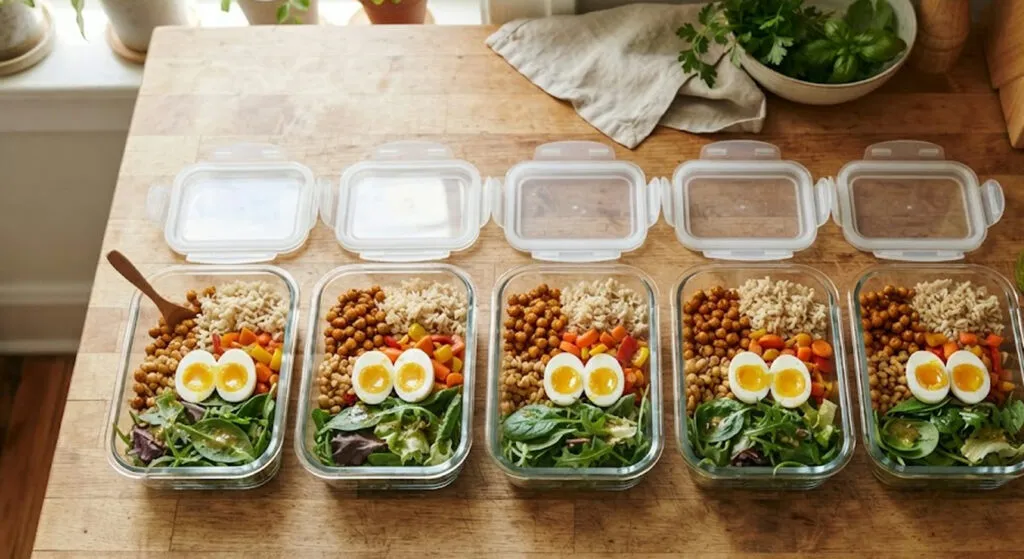
Components separately, or full boxes ready to reheat. One gives you variety, the other speed, and blanching your vegetables before...
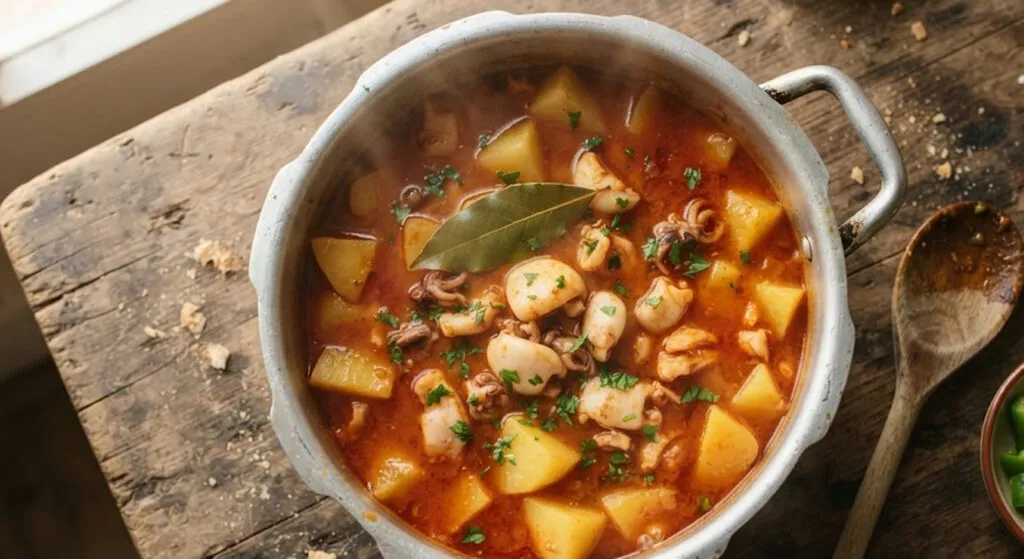
The cuttlefish goes in before the potatoes - the other way round and you get potato in water with pieces...
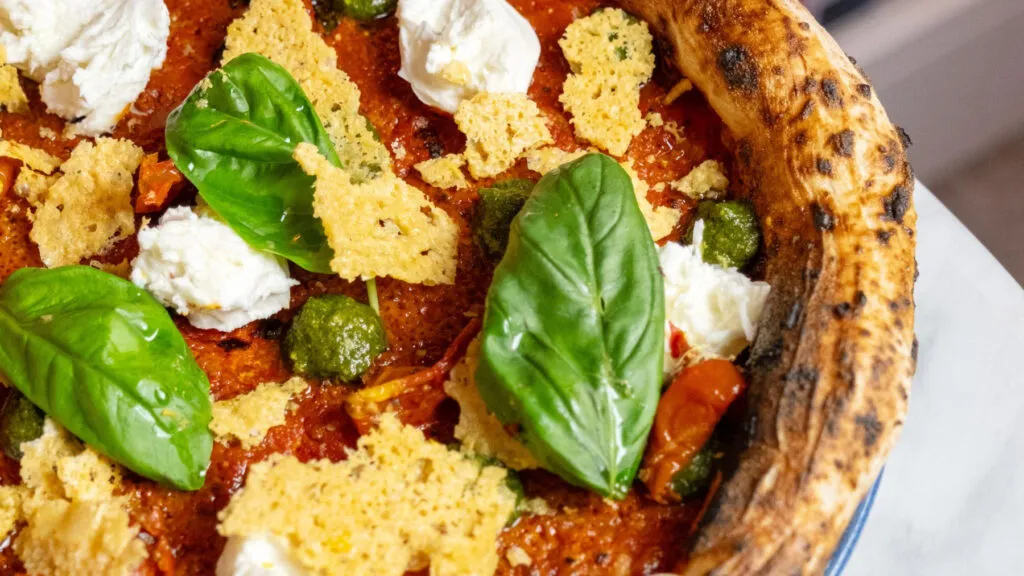
An Italian guide, a gala in Naples, first place for a London restaurant. Spain gets six entries - but only...
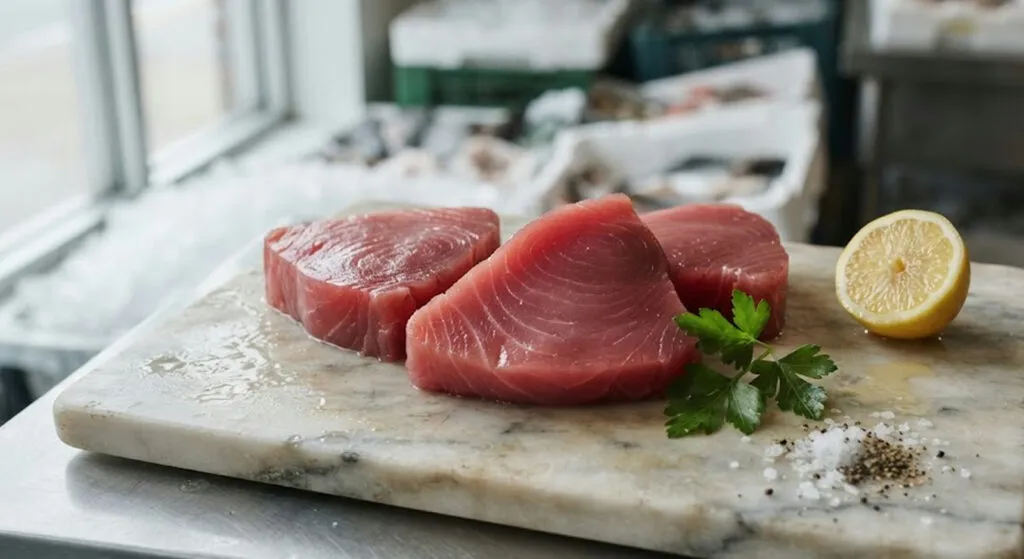
It is caught with hook and line, not with nets, and you can taste that on the plate. The three...
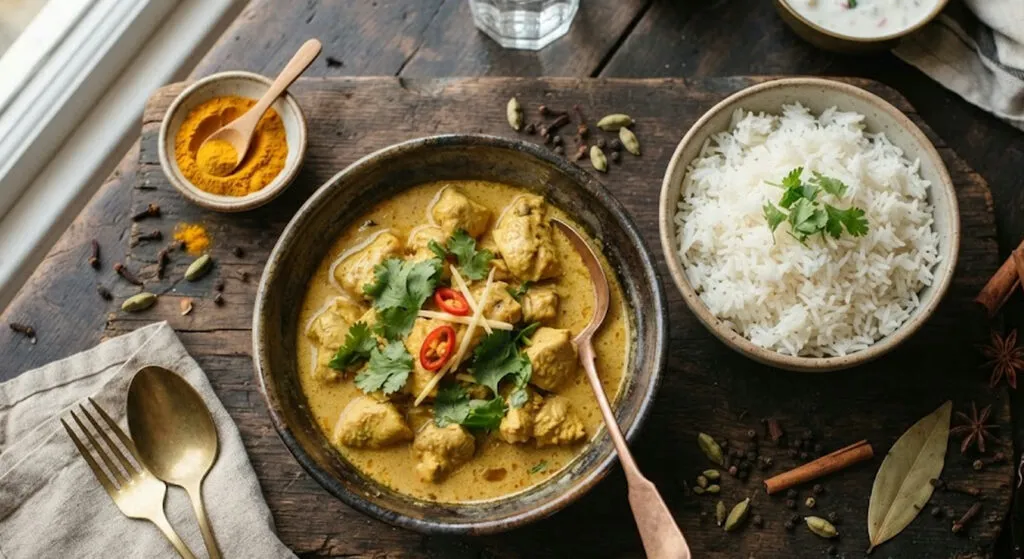
Home-made chicken curry fails at the same point for everyone. The difference is made by one step that has nothing...
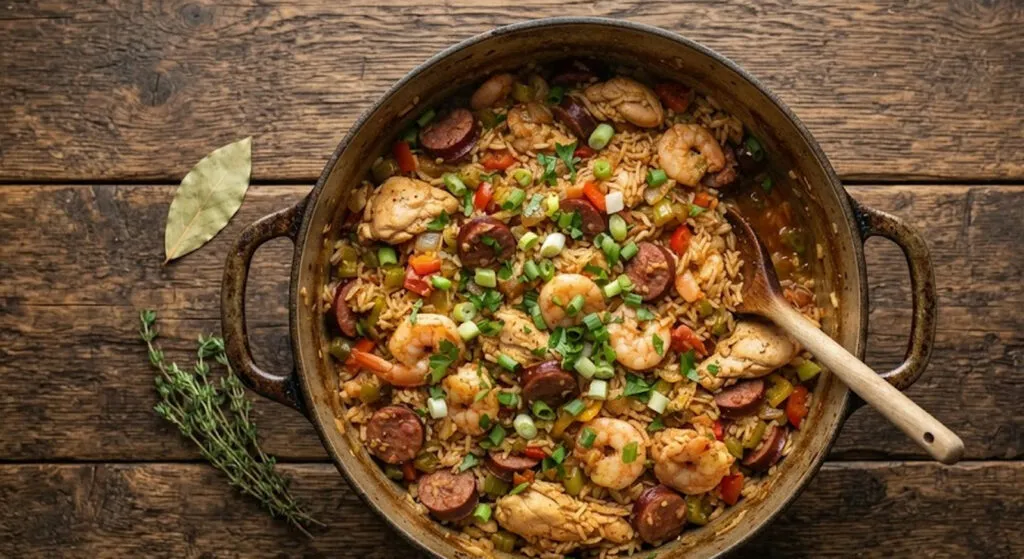
Jose Andres has lived in America for over thirty years, and when asked for his favourite American dish he named...
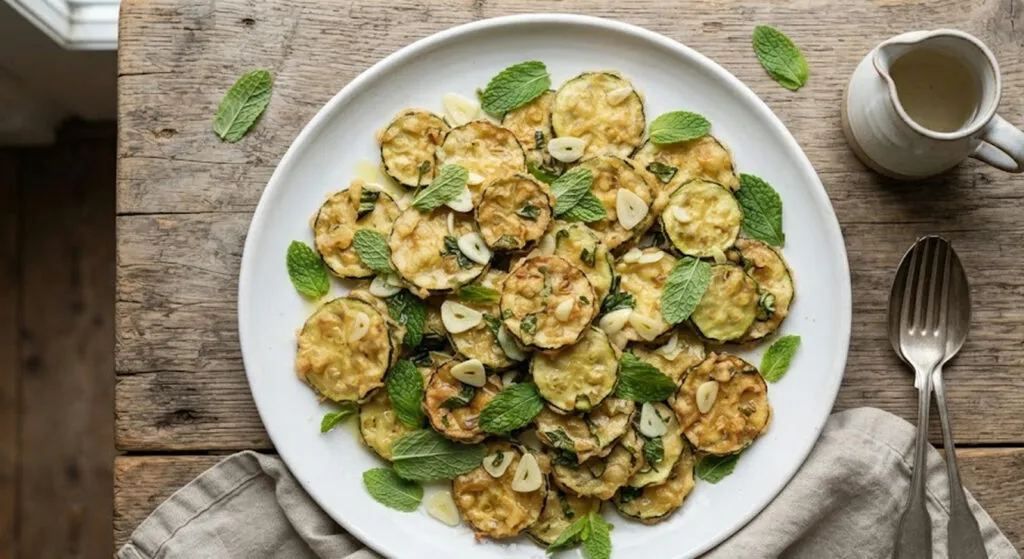
A kilo of courgettes, mint, garlic and eighty millilitres of vinegar. Not one expensive ingredient - and the water you...
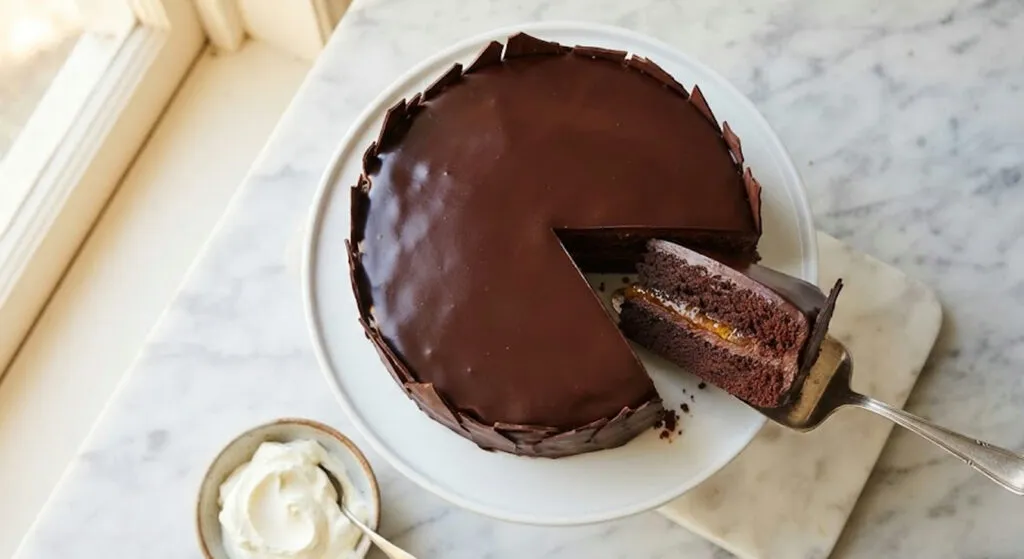
Whoever beat all the eggs together made a different cake. And the glaze must not pass 45 degrees, or the...
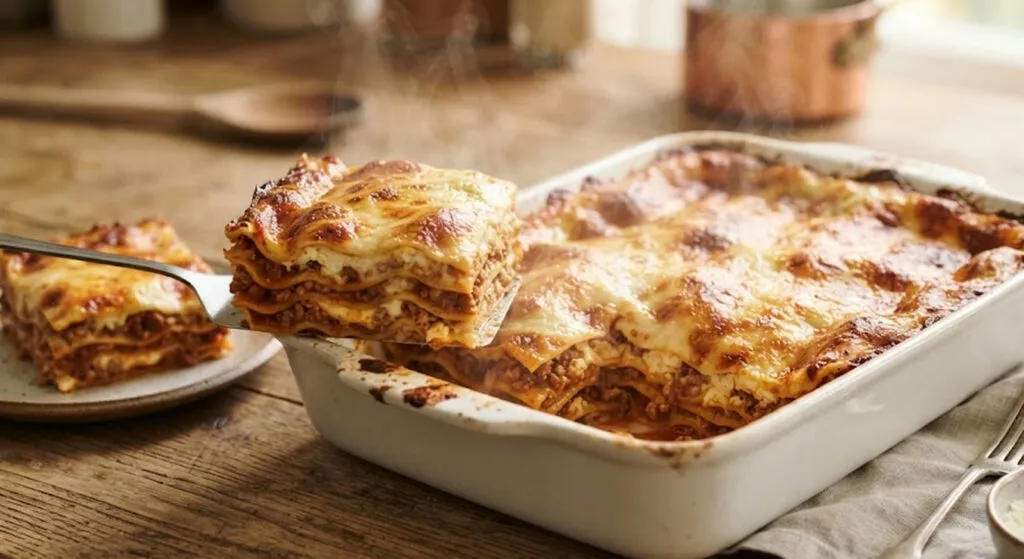
One rule applies to all three and it is the one most often skipped. It is not a recommendation to...
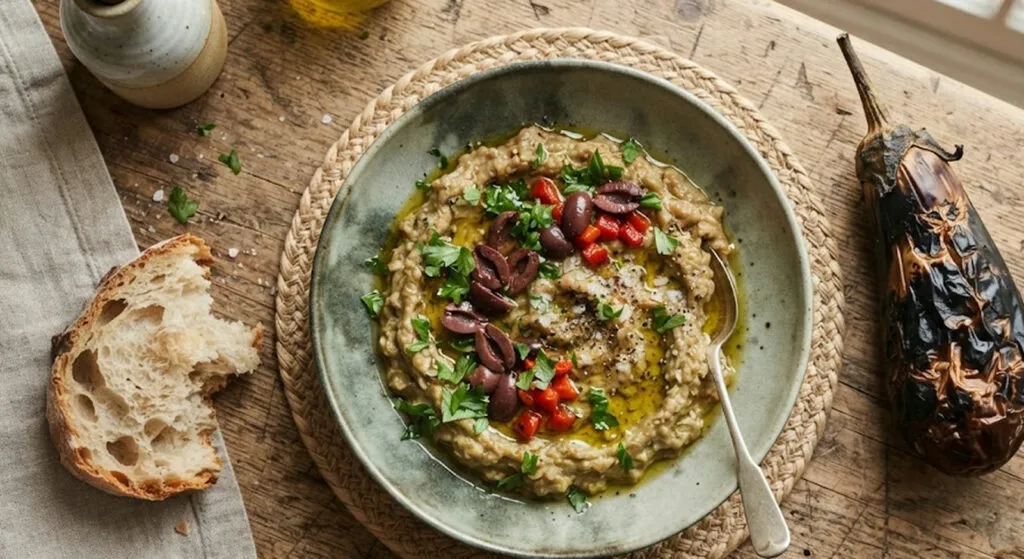
One single ingredient separates melitzanosalata from mutabal - tahini. Three aubergines, one clove of garlic, and an oven at 220...
This site uses cookies - is that okay? Learn more
Be the first to know when Metla launches something new
Leave your email and we will write when there is a new guide or something new on Metla.