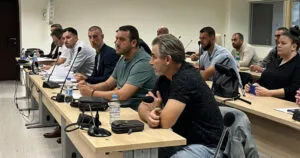
"That's not my job": the trial of the 13 Puls police officers restarted from scratch, and witnesses describe help being refused
22.09.2026


22.09.2026

22.09.2026
22.09.2026

22.09.2026
22.09.2026
22.09.2026

22.09.2026

21.09.2026

20.09.2026

22.09.2026

22.09.2026

21.09.2026
22.09.2026

22.09.2026

22.09.2026
22.09.2026

21.09.2026

20.09.2026

22.09.2026

22.09.2026

22.09.2026

22.09.2026

22.09.2026

22.09.2026

09.03.2026

27.02.2026

19.02.2026

22.09.2026

21.09.2026

21.09.2026

23.04.2026

23.04.2026

12.04.2026

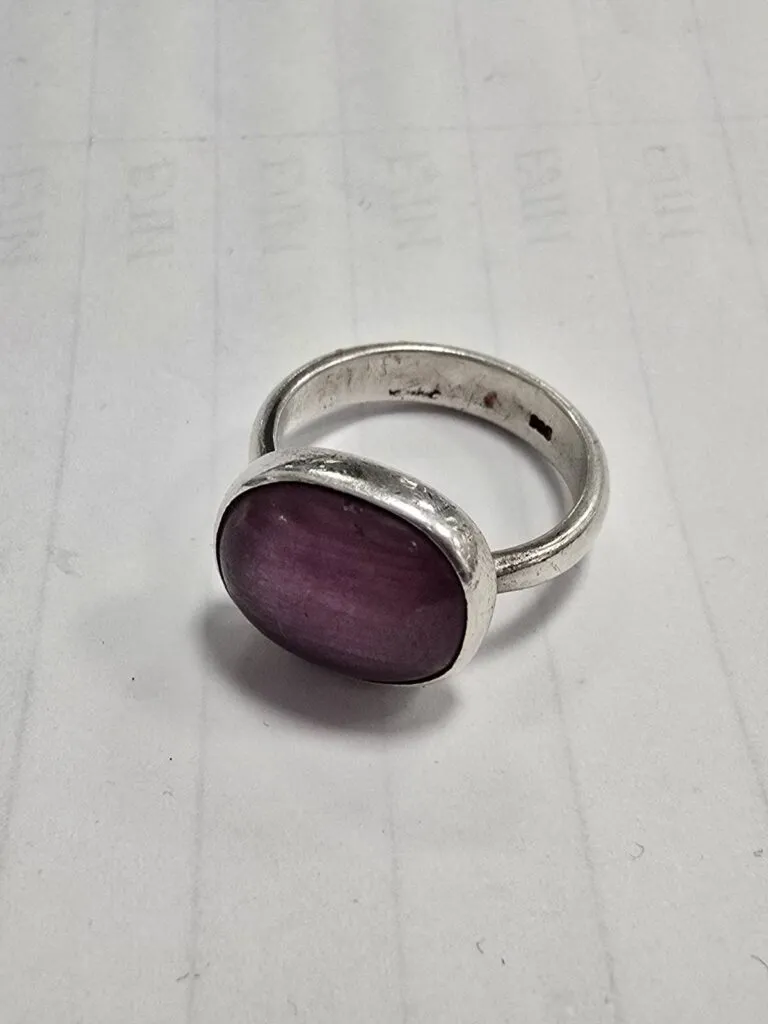
Macedonian ruby is finally getting a legal framework. Or more precisely - it is being announced that it will get one, because what the minister of energy, mining and mineral resources Sanja Božinovska actually said is more interesting than the announcement itself.
"Macedonian ruby does not exist right now, it is not defined anywhere. Everything being done now is unregulated, which is why we want to regulate it," Božinovska said.
Read that sentence exactly as it was spoken. A stone that has been mined, cut, set into jewellery and sold as a Macedonian speciality for years - legally does not exist. No definition, no established quantity, no record of ownership. It exists only on the market.
What the new law brings
The new Mining Act should be drafted by the end of October, with a public debate planned for the middle of the same month. According to geological research adviser Filip Petrovski, the law will regulate how the ruby may be extracted, who may extract it and who carries out oversight. Existing concession holders and other interested legal entities and individuals will both have extraction rights.
A system for protecting the stone's origin is being built in parallel. The geographical indication received legal protection on 17 June 2026, the Geological Institute prepared a study, and the announced system foresees certificates of origin with QR codes and a public register of producers. The aim is a stone with verified origin, established quality and a documented story behind it.
What is still missing is a price. There is no established price per gram or per carat. Jewellery maker Dean Škarkov put it most bluntly: for years they have been asking the state to secure them a supply of raw material so they can exist at all.
And this is the point that makes the story more than an administrative notice. The state now wants to brand, certify and promote the stone it had left without a definition. The craftsmen who live off it waited years for the same thing. The question is not whether protection is a good idea - it obviously is. The question is who will collect the value now being created: the person mining and cutting it, or the person writing the certificate.
The latest 10 news from this category

From midnight a litre of eurodiesel costs 104.50 denars, while petrol drops 1.50 denars. The explanation is not in Brent,...
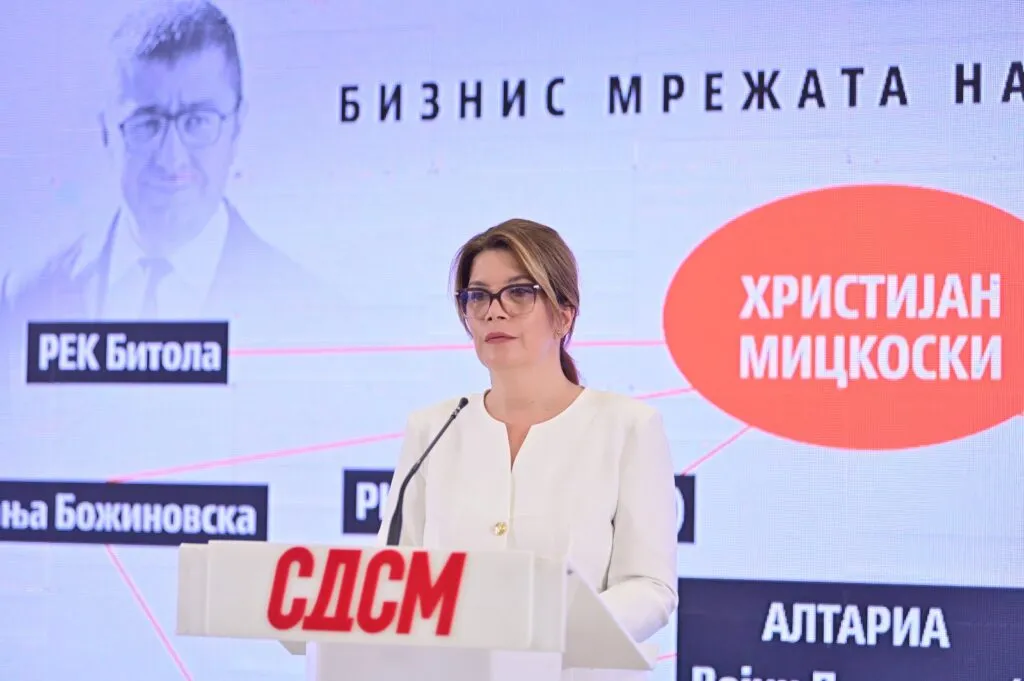
The opposition ties Serbia's METER&CONTROL to Rudnap Group and to Sanja Božinovska's past. The statement, however, came with no document...
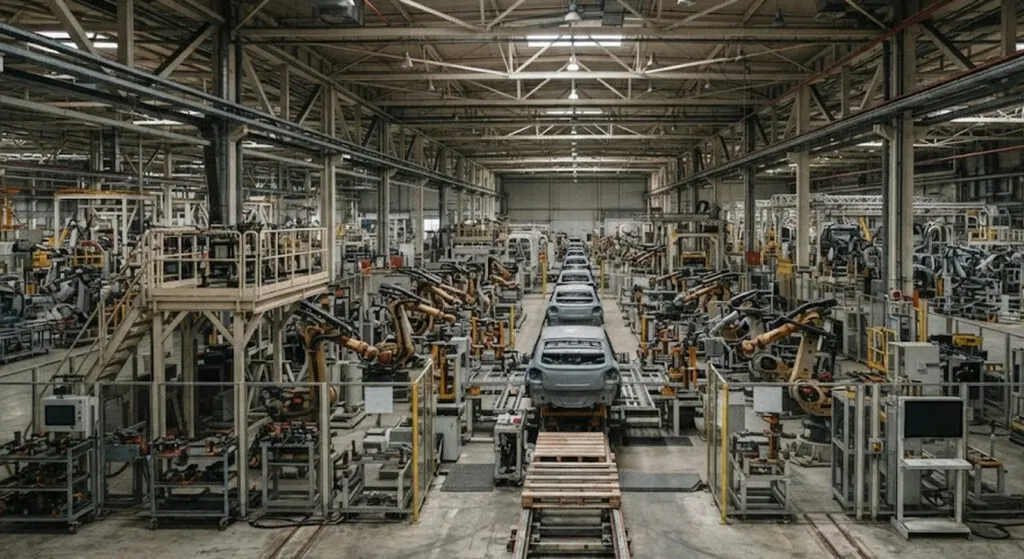
The German giant called it a productivity offensive. Translated: more hours, same pay. On the same day, 175,000 people were...
Nine mathematicians in Princeton will say how much OpenAI's results are worth. Only one of them signed the letter from...

The 50-megawatt reactor is due to start up in 2030, and by 2035 Google wants 500 megawatts. When data centres...

Until now the post existed, but nobody saw it and nobody knew why. Now comes a file with the names...
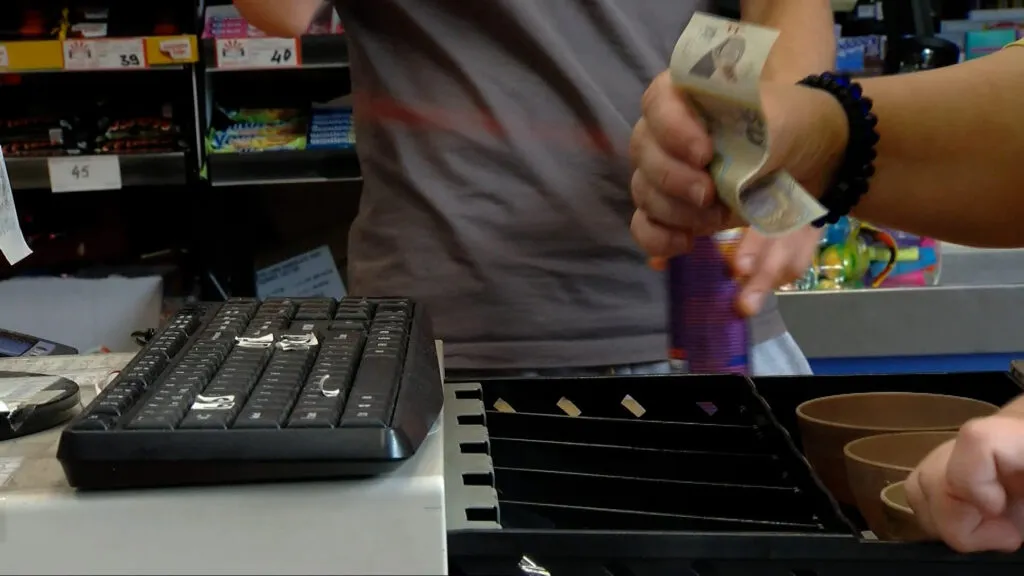
Up 757 denars in a single month, and that is before rent. The unions want a 600-euro minimum wage, the...
Tinex, SuperTinex, Konto and Spot move to a Pristina-based group with 235 million euros in turnover. The commission saw no...
Greece has signed with AWS, Bulgaria is building an AI factory, Serbia has a state data centre. We have an...

Six family members, one agent with its own Gmail and access to everything you forward it. Google says people asked...
This site uses cookies - is that okay? Learn more
Be the first to know when Metla launches something new
Leave your email and we will write when there is a new guide or something new on Metla.