
Six Years of Fake Licence Categories Issued From an Interior Ministry Desk: Six Charged, 21 More Under Investigation
21.09.2026


21.09.2026
21.09.2026

21.09.2026

21.09.2026

21.09.2026

21.09.2026

21.09.2026

20.09.2026

20.09.2026

21.09.2026

21.09.2026

20.09.2026

21.09.2026

21.09.2026

21.09.2026

21.09.2026

20.09.2026

19.09.2026

21.09.2026

21.09.2026

21.09.2026

21.09.2026

21.09.2026

21.09.2026

09.03.2026

27.02.2026

19.02.2026

21.09.2026

21.09.2026
20.09.2026

23.04.2026

23.04.2026

12.04.2026

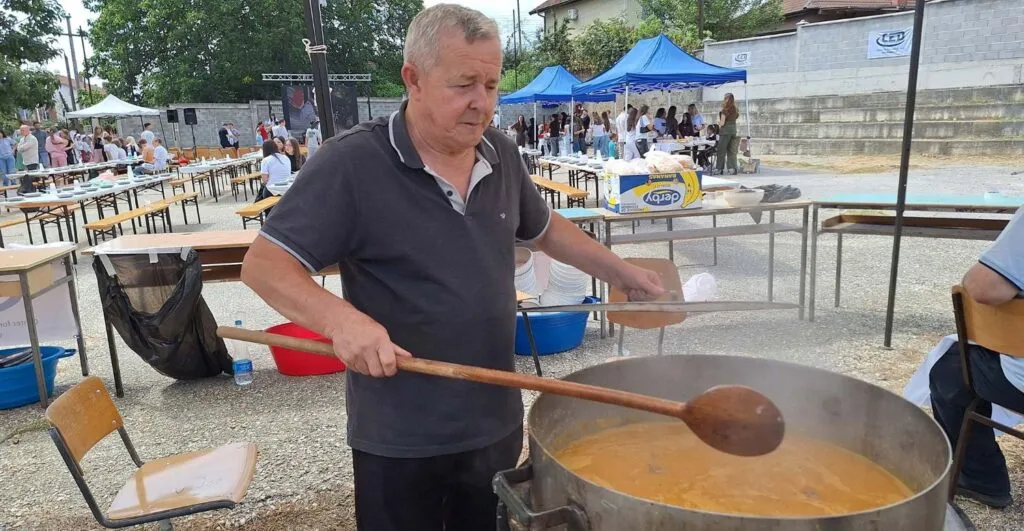
The Tetovo village of Tearce held "Bean Day" for the fourteenth time. A shared table, beans in a huge cauldron, folk ensembles, a message for young people. The organiser, the NGO CED, wants to promote the Tetovo bean as a brand of the Polog region. The problem is that a brand with no growers is just a label: year after year the Tetovo bean is harder to find at the market, and its price keeps climbing.
Abdula Muaremi from Tearce has been planting beans for thirty years. He used to sow three or four decares every year; this year barely two, "because the drought is severe". In the past, he says, watering the crop twice was enough and it yielded 300 to 400 kilos per decare. Now it needs watering seven times, and the harvest is barely 300 kilos - from two decares. The irrigation canal is closed, "there is no schedule for using the water". Half the yield, three times the work. No household budget survives that equation.
Krume Trpcheski tells the same story with a different picture: once every house in the village sowed bean fields, "and now not a single house can find 10 kilos of beans". The people who used to grow them now buy them in supermarkets. There are villages without a single grower left.
There are three causes and only one depends on nobody. The climate - the summer heat drying out the fields - is beyond the control of the municipality and the government alike. But a closed canal and a non-existent water rota are not climate change; they are management. Who closed the canal in Polog and who is supposed to open it? The third cause, the young people who "fled" farming, is a consequence of the first two: nobody stays on land that needs seven waterings and has no water.
The festival sends young people the message that beans can do "something more in rural areas". It is a good message. But the farmer with thirty years of experience told the whole story in two words: "no conditions". Tetovo beans will survive on restaurant menus. The question is whether they survive in the field - and whether any institution considers that its own problem.
The latest 10 news from this category
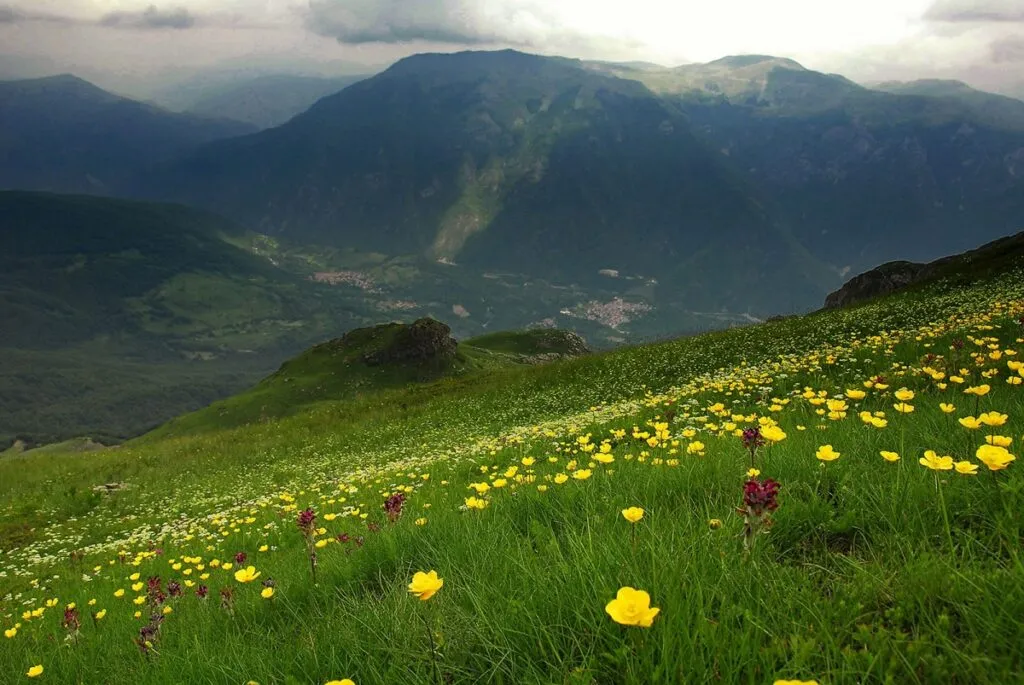
The country's largest national park is run on boundaries from 1952 and zoning from 1988. Pelister and Galichica got new...

The tender collapsed in May, was repeated in July, and Ikarus and EVN came in lowest at 3.12 billion denars....

An agreement between Butel, the City of Skopje and the transport company, a new timetable "in the coming days", a...
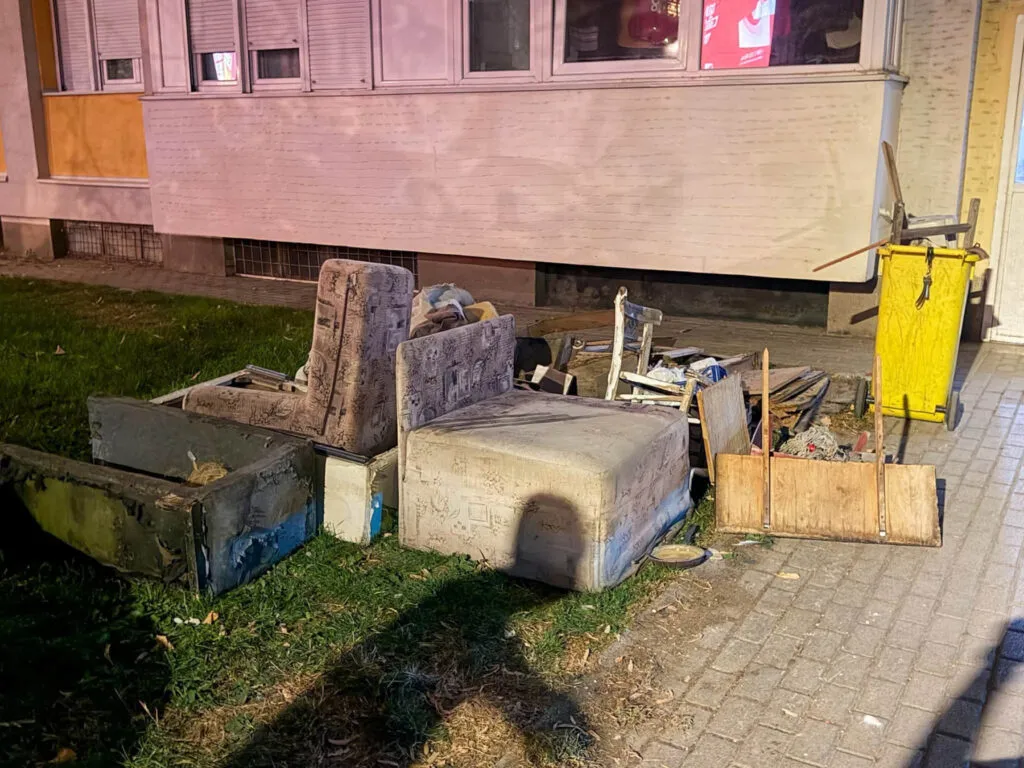
The third case in a few days, this one caught by the City of Skopje's inspectors. The mayor posts "zero...

Speaking to women entrepreneurs in Bitola, the president talked about idealism, law and morality, and about a world that will...

Since 28 July the Veles hospital has been implanting intraocular lenses using the phaco method. Thirty operations on, the queue...

Eighteen people from Prilep killed at Dabnica in 1942. Dejan Prodanoski called for greater care of the memorial - which...
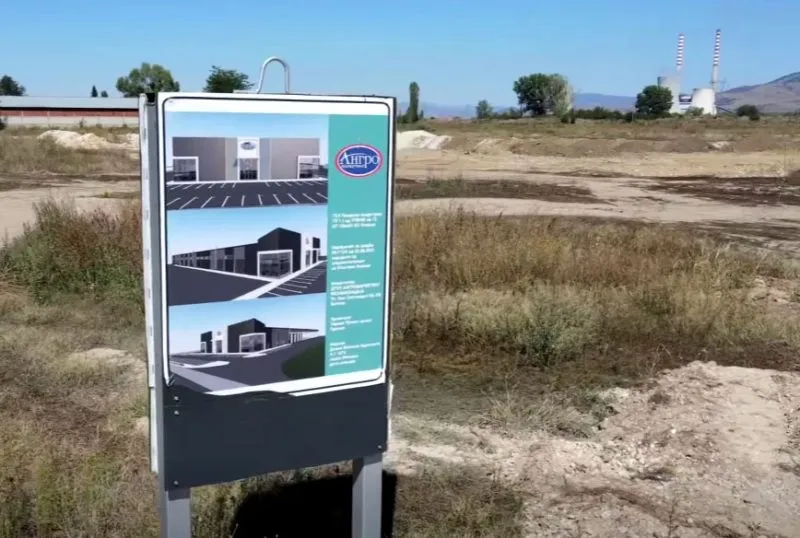
The press release counts 77.5 million denars invested, the mayor announces up to 120 million in total. The number missing...
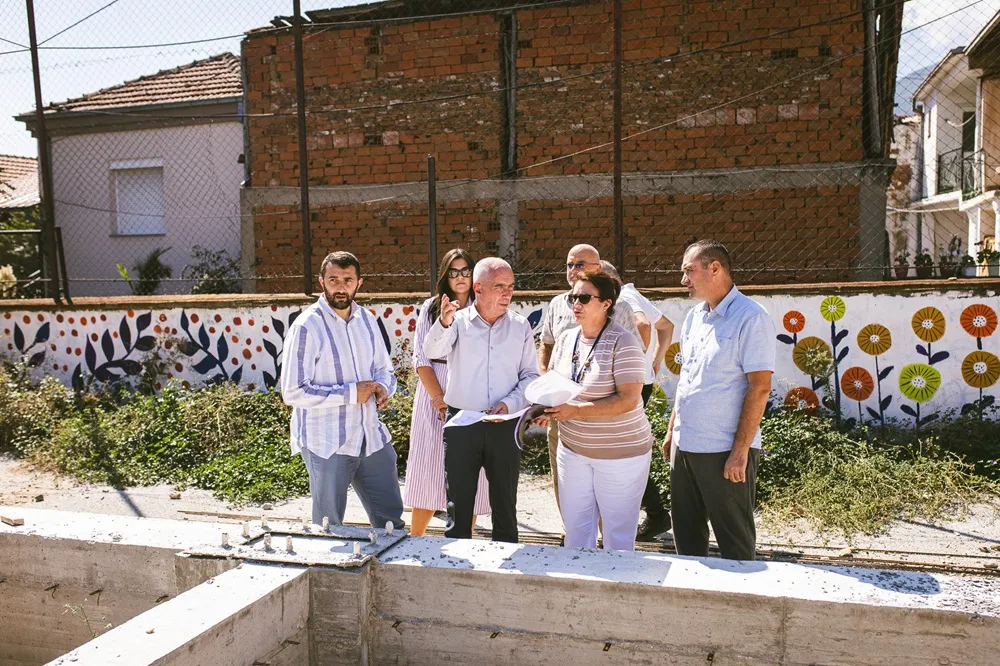
Three schools are getting standard-design halls, a fourth is going up in Bistrica. But the HVAC section had to be...

Darko Vasilevski says he was rejected because of his age. But the problem he describes himself is wider - a...
This site uses cookies - is that okay? Learn more
Be the first to know when Metla launches something new
Leave your email and we will write when there is a new guide or something new on Metla.