


Bogovinje: A 16-Year-Old "Accidentally" Shot a 15-Year-Old With a Pistol - So Where Did He Get the Gun?
26.10.2026


26.10.2026

26.10.2026

26.10.2026
26.10.2026

26.10.2026
26.10.2026

26.10.2026

25.10.2026

25.10.2026

26.10.2026

26.10.2026

25.10.2026

26.10.2026

26.10.2026

26.10.2026

26.10.2026

25.10.2026

24.10.2026

26.10.2026

26.10.2026

26.10.2026

26.10.2026

26.10.2026

25.10.2026

26.10.2026

25.10.2026

25.10.2026

24.10.2026

22.10.2026

20.10.2026

23.04.2026

23.04.2026

12.04.2026

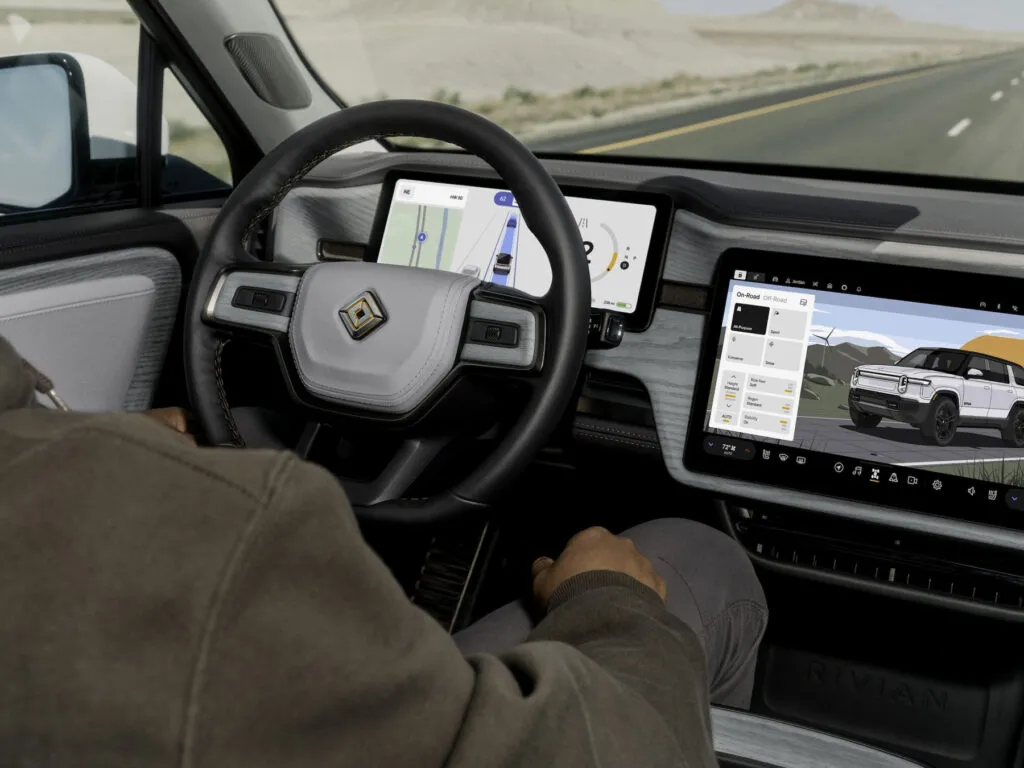
Electric vehicle maker Rivian has bought Third Dimension, a British start-up founded in 2024 that uses artificial intelligence to turn images and video into realistic 3D worlds. The price has not been disclosed. The 15-person team, most of them in the UK, moves into the autonomy and AI division led by James Philbin, and Rivian is expanding its AI hub in London as a result.
Founders Tolga Kart and Piotr Sokulski raised $7 million (about 6 million euros) in seed funding from investors such as Abstract Ventures, MVP, Soma Capital and Solari Capital. The technology was originally built to speed up video game development, but the founders saw uses in defence and autonomous vehicles too. Under Rivian, only the cars remain. "As a small company, it's very hard to serve many different masters," Kart says.
Why does a car company need a firm from the world of video games? Because of simulations. Anyone developing a self-driving system trains and tests it in virtual worlds, but until now those have been built on video game engines and with synthetic data. They look like the real world, and yet they are not. Rivian has a raw material few others have: tens of thousands of R1T pickups, R1S SUVs, delivery vans and R2s on the road, whose owners have switched on sharing from the exterior cameras. The data is aggregated and anonymised, and according to Philbin more than 400,000 recorded driving scenes arrive every day.
"These aren't synthetic, video-game-style scenes, these are real-world situations, but now we have the added ability to move the cameras, reposition other road users, change the lighting or the weather," Philbin explains. That way Rivian can test rare dangerous situations without waiting for them to actually happen on the road.
The goal is clear. Today Rivian offers "Universal Hands-Free", hands-off driving on the motorway with eyes on the road. By the end of the year it promises a version that will drive the whole journey, through the city and on the motorway, though the driver will still have to supervise and be ready to take over. In 2028, robotaxi versions of the R2 SUV are due to appear in the Uber app.
The key question, Philbin himself admits, is whether the system is "ready for release". For that you need to know how far the simulation deviates from reality; otherwise you are measuring something that doesn't tell you how the car will actually behave on the road. A rarely honest sentence for an industry that has been promising self-driving for years. How many times have we heard it is "a year away"?
The latest 10 news from this category
The company says a secure browser has become too expensive to maintain. Users want at least the code opened up...

The state isn't just handing over money, it's taking equity - for electronics that have to survive the plasma. Fusion...
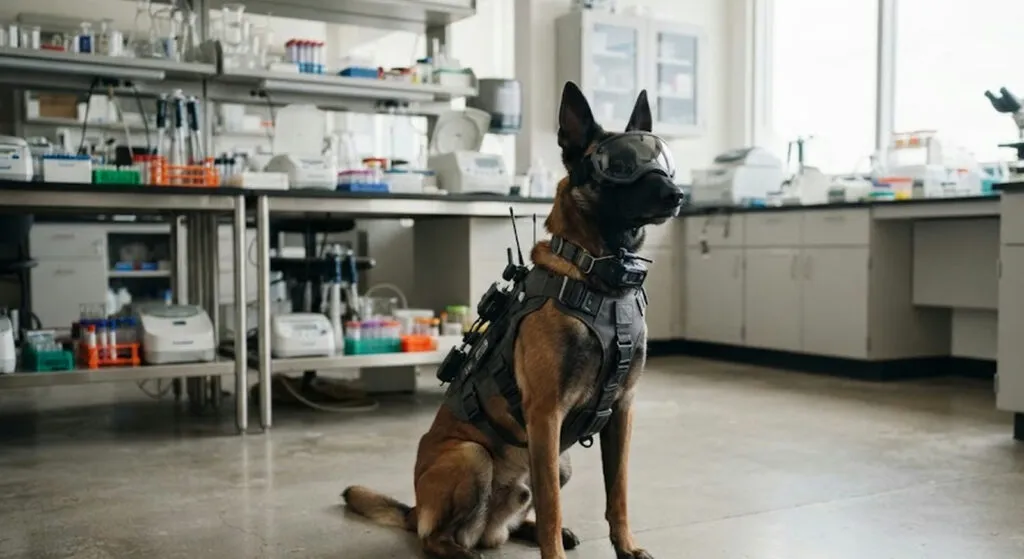
Over 80 percent of the US military's working dogs come from Europe, and fewer than half are fit for service....
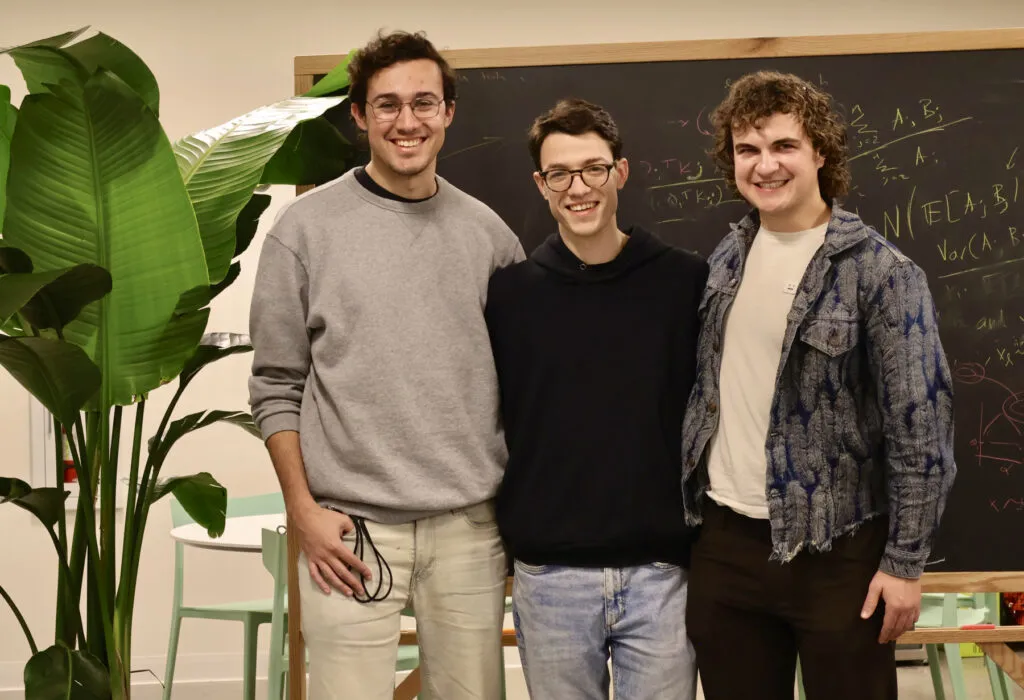
Three founders and a promise that AI can be trained on far less data. In Silicon Valley that's now worth...
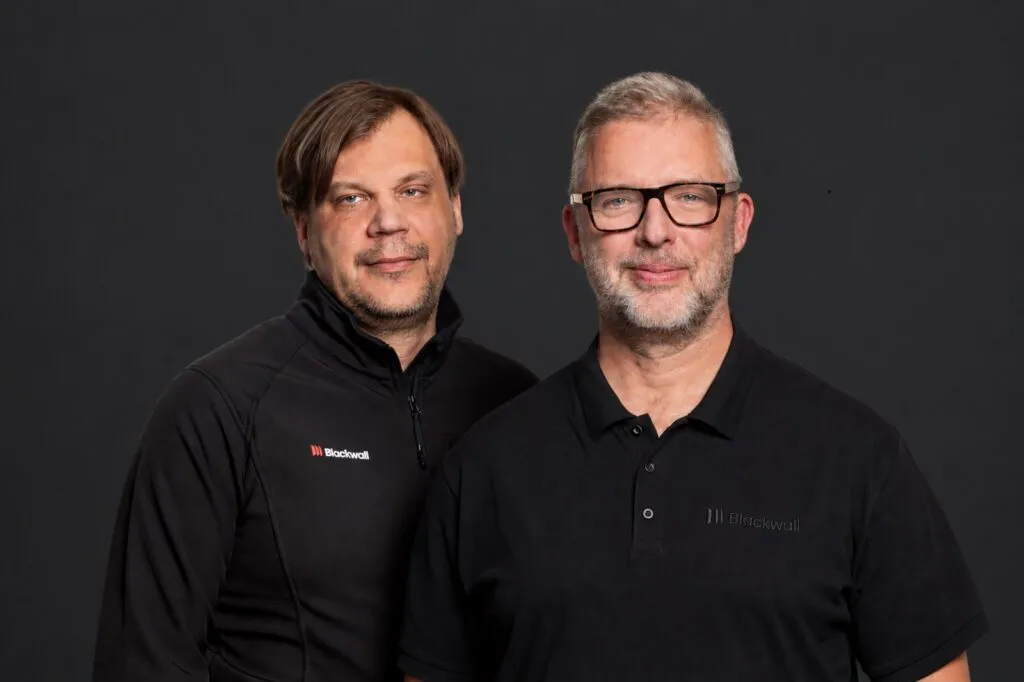
A company from a small Baltic country raised 100 million dollars to tell humans from machines online. The trick is...

The app for emotions and to-dos claims revenue in the tens of millions of dollars. Seventy percent of its users...

Blood tests and ice baths will no longer be a privilege of the rich - or so the Hollywood actor...
From unicorn to bankruptcy in five years: Google took the founders back, Disney takes part of the assets, and the...

Fakes have become so good they've earned their own name. Veritas offers a chip built into the product, and it's...
In four months its valuation jumped by 16 billion dollars. Automating boring expense reports in America is a 60-billion business...
This site uses cookies - is that okay? Learn more
Be the first to know when Metla launches something new
Leave your email and we will write when there is a new guide or something new on Metla.


