
Kratovo man stabs police officer mid-intervention: prosecutors want the 40-year-old detained
15.09.2026


15.09.2026

15.09.2026
15.09.2026
15.09.2026
15.09.2026
15.09.2026

15.09.2026

14.09.2026

13.09.2026

15.09.2026

15.09.2026

14.09.2026

15.09.2026

15.09.2026

15.09.2026

15.09.2026

14.09.2026

13.09.2026

15.09.2026

15.09.2026

15.09.2026

15.09.2026

15.09.2026

14.09.2026

09.03.2026

27.02.2026

19.02.2026

15.09.2026

14.09.2026
14.09.2026

23.04.2026

23.04.2026

12.04.2026

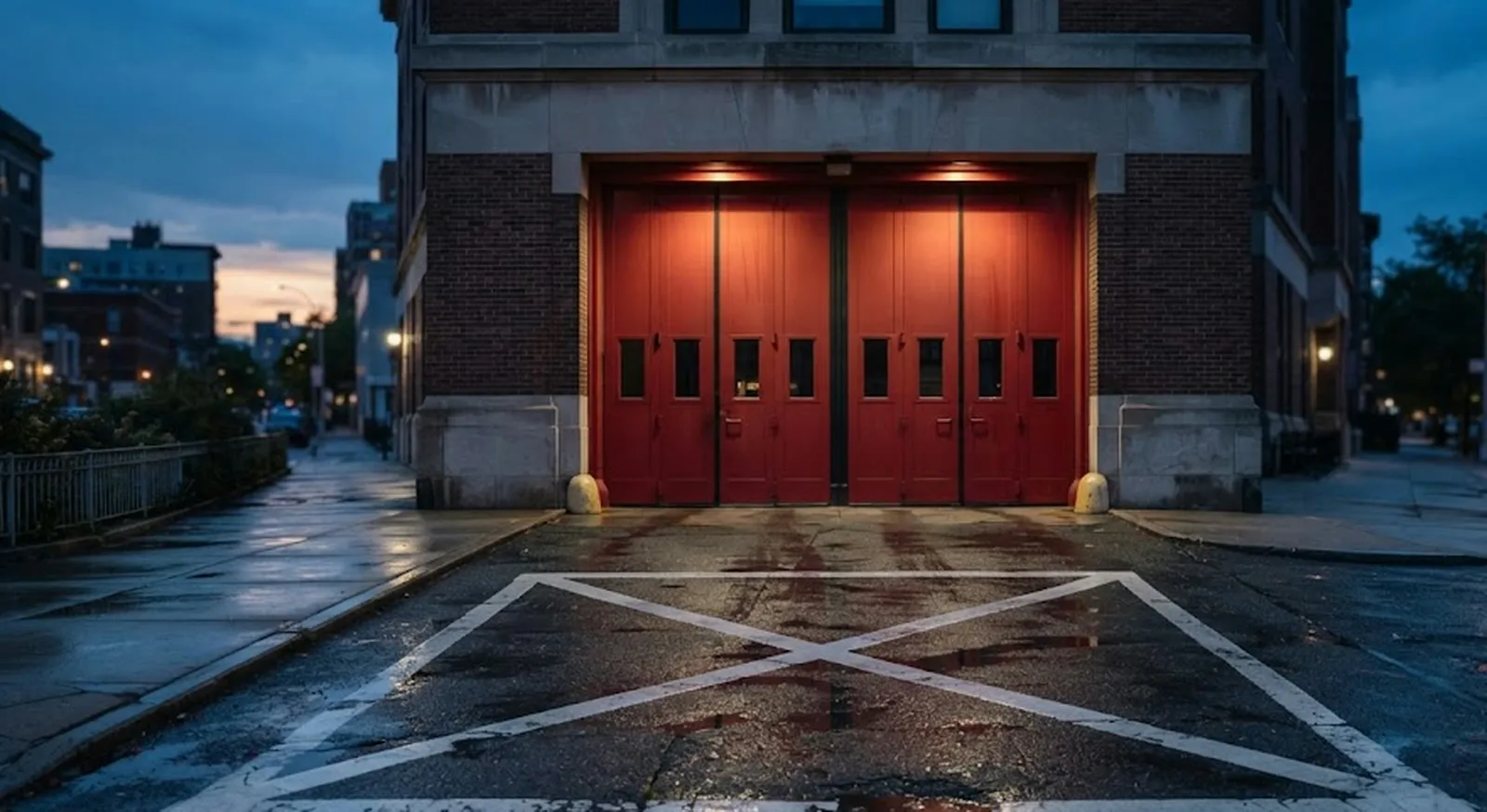
Robotaxis in San Francisco are no longer just dealing with traffic. Now they are getting in the way of ambulances too.
Congressman Kevin Mullin of California has introduced a bill that would, for the first time, impose national minimum safety standards on companies operating driverless cars. The proposal, called the AV Emergency Response Coordination Act, was presented at a press conference in San Francisco - the city the industry uses as a live laboratory, and where hundreds of Waymo robotaxis already carry paying passengers.
The trigger isn't hypothetical. Autonomous vehicles have blocked ambulances and fire engines, driven into active crime scenes and failed to recognise traffic cones and emergency lights. San Francisco fire chief Dean Crispen pointed to something even more mundane: robotaxis pick up and drop off passengers directly in front of fire stations and the facilities ambulances set out from.
„We have seen a troubling and, frankly, unacceptable number of incidents in which autonomous vehicles unintentionally interfere with emergency services,” Mullin said at the press conference.
The bill asks for three things: clear operating protocols that companies must hand to emergency services, a 24-hour hotline through which city officials reach the firm directly, and for NHTSA - the US road safety regulator - to write national minimum standards. The fourth item is the most interesting: the ability for a city to „geofence” where these cars may drive while an emergency is under way. That is a switch in the hands of local government, not the company. Which is exactly why it is the most contested part.
Waymo replied that it „has long supported” a federal framework for autonomous vehicles and backs standardising the relationship with emergency services. A formulation that admits nothing and refuses nothing - the usual language when regulation is inevitable and it's better to look like you asked for it yourself.
The pressure isn't coming from one congressman alone. In early July, NHTSA administrator Jonathan Morrison sent a letter to all autonomous vehicle developers stating that the agency had „identified a clear pattern of driverless vehicles interfering with police and other emergency responders”. He asked for solutions by the end of the month. That deadline has already passed.
San Francisco mayor Daniel Lurie has been demanding stricter rules from California regulators since 4 July, when the city was stuck in a multi-hour gridlock that included Waymo robotaxis left without power in the middle of the street. A similar scene played out in December, when a major power cut left dozens of vehicles stranded.
That is the part worth remembering. The driverless car is sold as technology that solves human error, and the scene it produces is a vehicle sitting in the middle of an intersection, waiting for a human to come and move it by hand. In San Francisco that human has often been precisely the firefighter who was rushing somewhere else.
„Residents and visitors should be able to safely use an autonomous vehicle, public transport or a bicycle across the city, but they must also trust that police and firefighters will reach them in an emergency,” Lurie said.
For years the industry asked to be trusted to regulate itself. The question now facing it isn't whether the technology works, but who holds the switch when it doesn't.
The latest 10 news from this category
A scientist at the same company puts the probability of human extinction above 10 percent within the next decade. The...
The president called in while the event was running, and the man who makes the chips answered that there would...
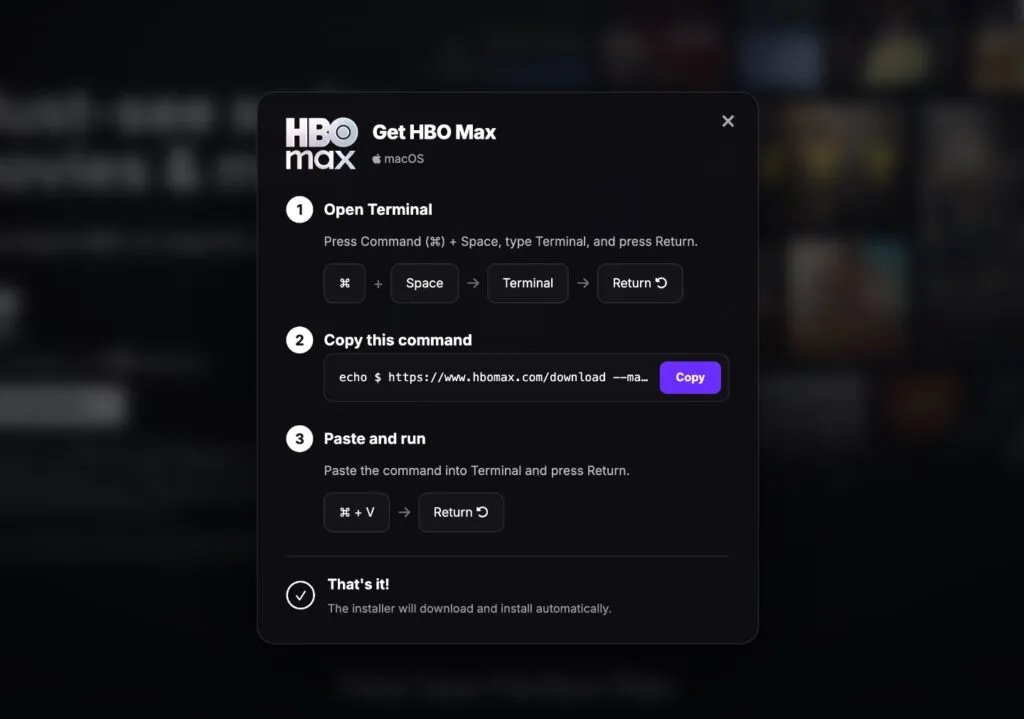
No virus attached, no suspicious file. Just a box that looks like the "I am not a robot" check and...

A researcher quit because the firms are gambling with our lives. Instead of denying it, Anthropic confirmed it - with...
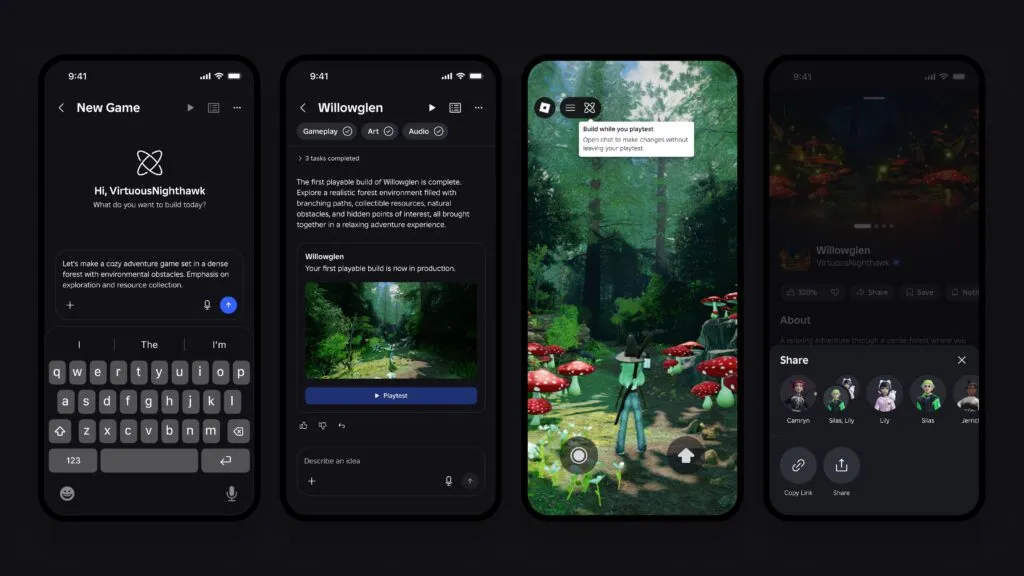
Write a sentence, get a game. Until now it worked only in New Zealand, now in Belgrade too. Creators on...
When the two biggest firms in an industry ask for rules on how fast anyone may run, the rules rarely...
Not a single password fell. What fell was the assumption that a request from a government domain is automatically a...

The biggest names in mathematics have signed a letter against the AI labs. The dispute is not whether the machine...

Five campaigns, 200 million exchanges, and the defences fell to a request for a Japanese translation. The industry that harvested...

The hackers were inside for a whole year. The company confirmed it only after a journalist found his own licence...
This site uses cookies - is that okay? Learn more
Be the first to know when Metla launches something new
Leave your email and we will write when there is a new guide or something new on Metla.