
Smugglers Dragged a Police Officer With Their Vehicle at Blace: the Second Car Is What Tells You This Wasn't an Accident
14.09.2026


14.09.2026

14.09.2026

14.09.2026

14.09.2026

13.09.2026

12.09.2026

14.09.2026
14.09.2026
13.09.2026

14.09.2026

14.09.2026

14.09.2026

14.09.2026

13.09.2026

12.09.2026

14.09.2026

14.09.2026

14.09.2026

14.09.2026

14.09.2026

13.09.2026

09.03.2026

27.02.2026

19.02.2026

23.04.2026

23.04.2026

12.04.2026

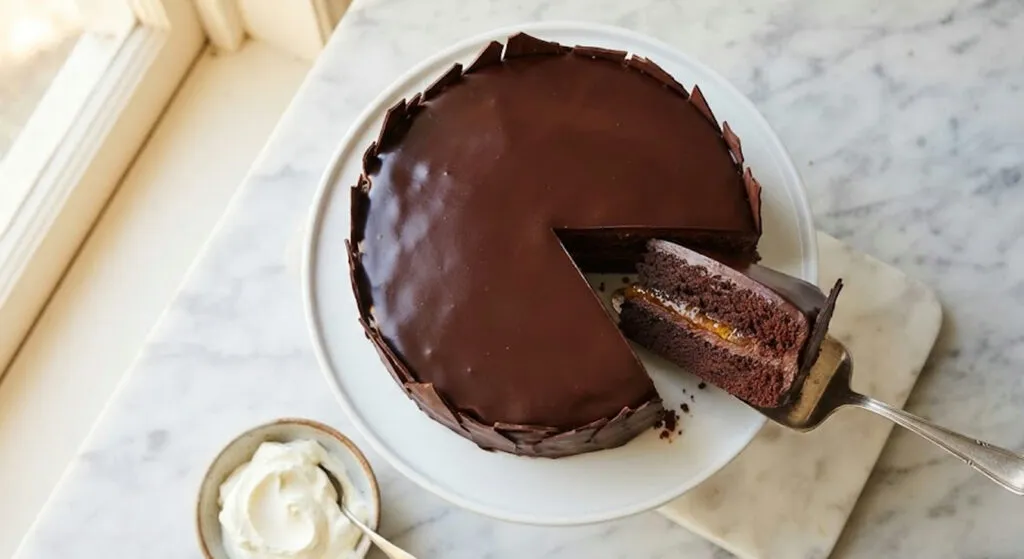
Sachertorte is one of the few cakes that have been the subject of court cases. The original recipe remains a guarded trade secret; what is known is that in 1832 an apprentice pastry chef named Franz Sacher made it for a dinner hosted by Austro-Hungarian chancellor Klemens Wenzel Lothar von Metternich. Two layers of chocolate sponge, apricot jam between them, dark glaze on top and whipped cream on the side.
The home version needs no secret. It needs three things done correctly: air in the batter, apricot between the layers, and a glaze that sets with a shine.
For the batter and filling you need 130 grams of butter, 110 grams of icing sugar, 100 grams of caster sugar, 6 eggs, 130 grams of chocolate, 130 grams of flour, a pinch of salt and 4 tablespoons of apricot jam. For the glaze: 130 millilitres of water, 120 grams of sugar and 200 grams of dark chocolate.
The butter and chocolate are melted together, in the microwave or over a bain-marie, until smooth. The eggs are separated. The yolks are beaten with the icing sugar until creamy, then the melted chocolate goes in, followed by the sifted flour with the salt. The six whites are whipped with 100 grams of sugar until genuinely firm and folded in over several additions, slowly, so as not to knock out the air you have just put in. Bake for 30 to 40 minutes at 170 degrees, in a preheated oven.
The whole point is in separating the egg. When yolks and whites are beaten separately, each with its own sugar, the batter takes in twice as much air, and that is the difference between a spongy and a dense crumb. Whoever beat all the eggs together made a different cake.
Cooling is mandatory before cutting. The cooled sponge is cut horizontally in half, the bottom layer is spread with warmed apricot jam, the top goes back on.
The glaze is where most home attempts fail. Water and sugar go on the heat, stirred until the sugar dissolves, then boiled briefly until the syrup thickens slightly. Leave it to cool a little. The chocolate, finely chopped, sits in a bowl and the syrup is added gradually, with constant whisking, until you get a smooth and glossy emulsion. The temperature of the chocolate must not pass 45 degrees, or the shine disappears and never comes back.
The cake goes on a rack over a tray, the glaze is poured into the centre and spread with a spatula across the top and sides. The excess falls through, which is the point of the rack. If you want the full version, keep a little glaze in a piping bag and write the name across the top.
For the chocolate, in both batter and glaze, 70 percent cocoa is recommended. Apricot is traditional, but raspberry, forest fruits, peach or bitter orange marmalade work just as well. Serve it plain, with whipped cream, or with softly whipped cream.
The latest 10 news from this category
One rule applies to all three and it is the one most often skipped. It is not a recommendation to...
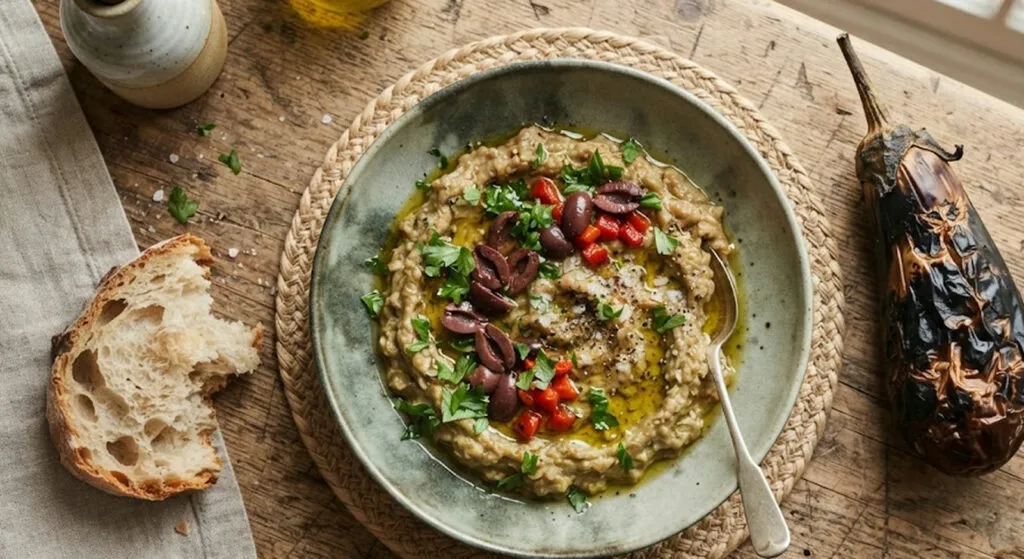
One single ingredient separates melitzanosalata from mutabal - tahini. Three aubergines, one clove of garlic, and an oven at 220...

The chicken ends up in the pan anyway. The salad that was sitting half a metre away does not.
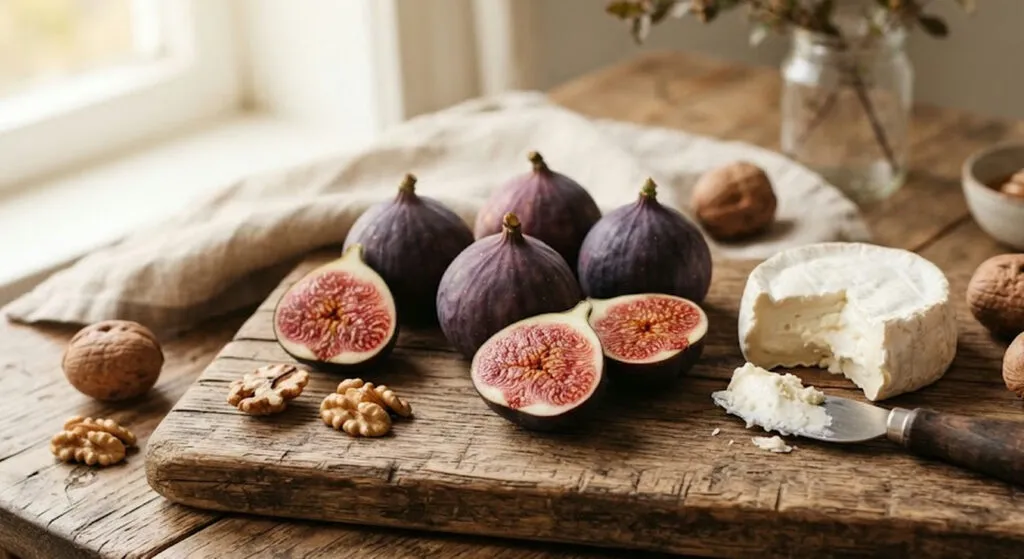
This year the season started as early as August because of the heat. From breakfast to pizza - everywhere a...
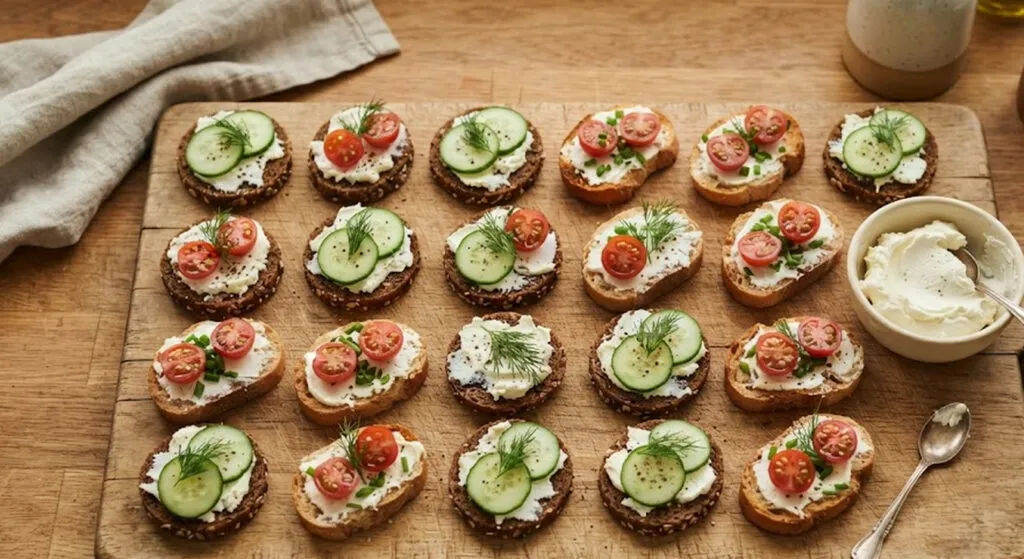
The recipe is not hard, the temperature is wrong. Ten cream cheese canapés and the two rules without which none...
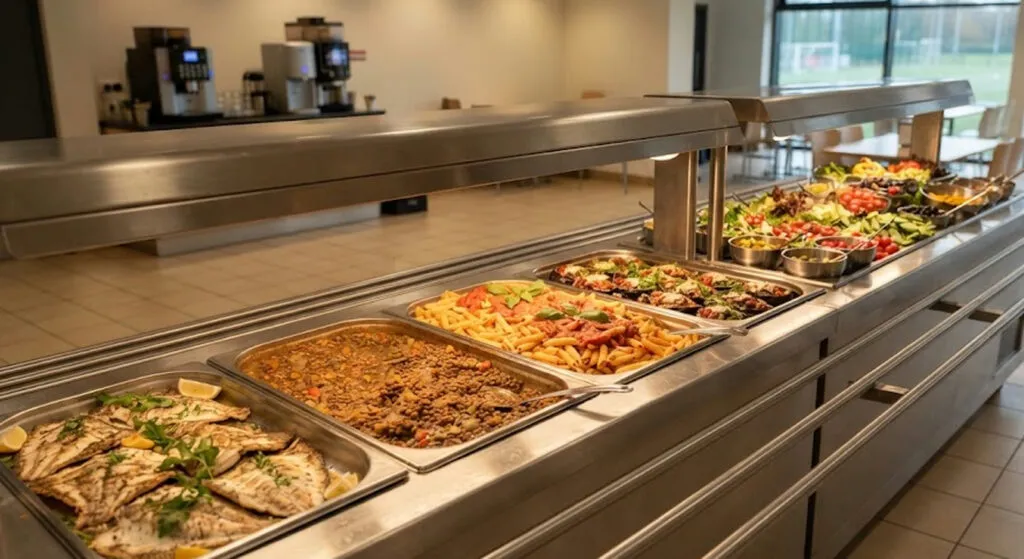
The image of boiled chicken breast is wrong. The indulgence is planned, not broken.
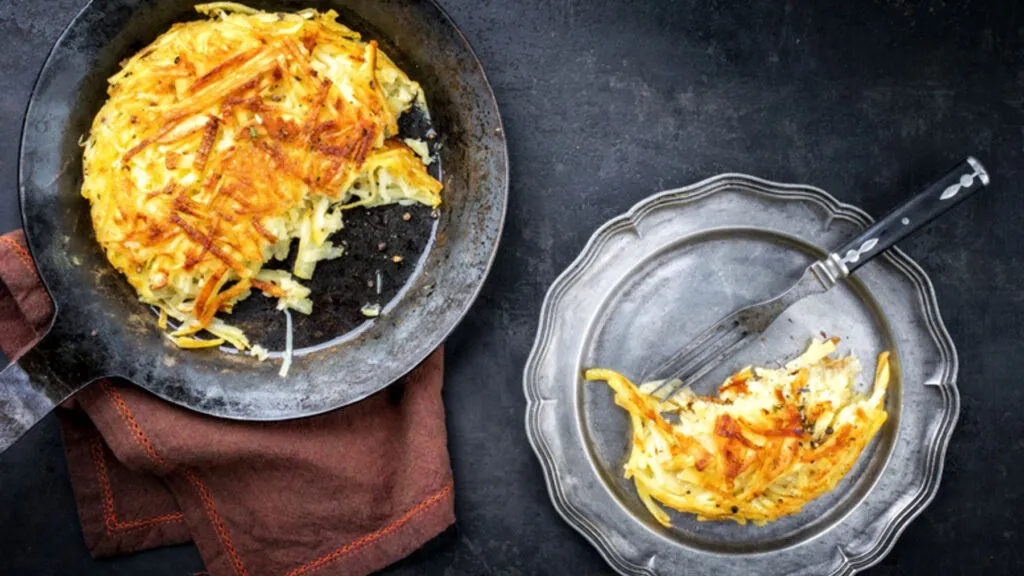
Starch is the natural binder, but only if the water comes out first. Nine versions from Swiss rösti to a...
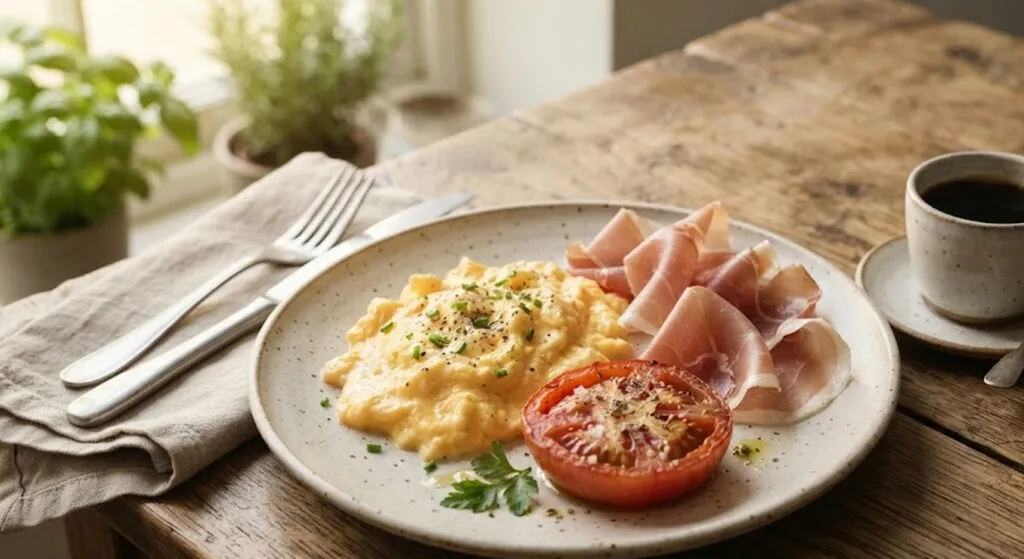
Not one powder, not one supplement, not one name with an English label. Tomato, ham, coffee and an egg -...
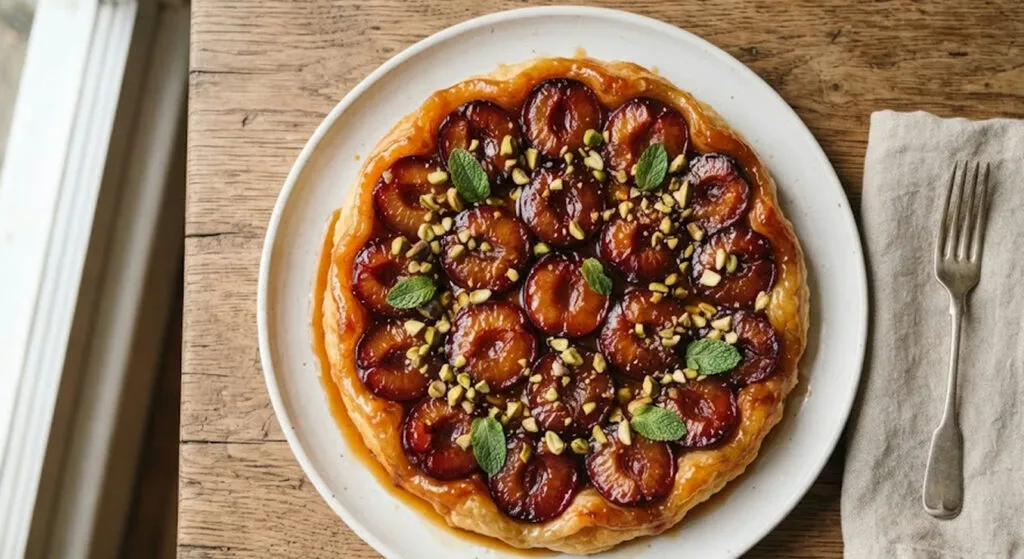
Six to eight minutes on medium-low heat decide whether the pastry bakes or boils. That is nowhere written in capital...
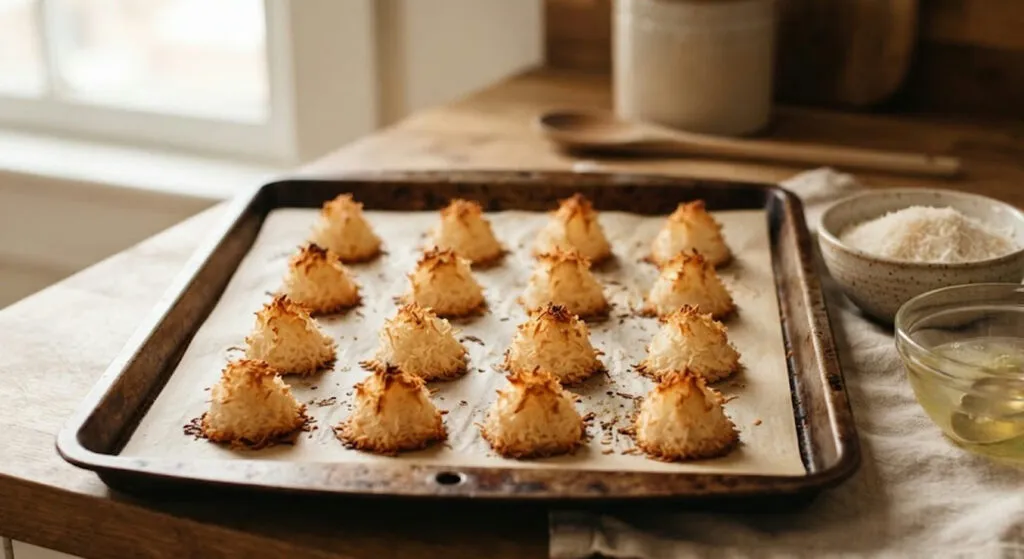
Desiccated coconut, sugar and egg whites. The whites are not whipped, and the mixture is left to rest - those...
This site uses cookies - is that okay? Learn more
Be the first to know when Metla launches something new
Leave your email and we will write when there is a new guide or something new on Metla.