Three of Four Sensors Were Dead: Skopje's Vodno Cable Car Ran Fifteen Years Without a Real Service
17.09.2026


17.09.2026

17.09.2026

17.09.2026

17.09.2026
17.09.2026

17.09.2026
17.09.2026
16.09.2026
15.09.2026

17.09.2026

17.09.2026
16.09.2026
17.09.2026

17.09.2026

17.09.2026
17.09.2026
16.09.2026
15.09.2026

17.09.2026

17.09.2026

17.09.2026

17.09.2026

17.09.2026

17.09.2026

09.03.2026

27.02.2026

19.02.2026

23.04.2026

23.04.2026

12.04.2026

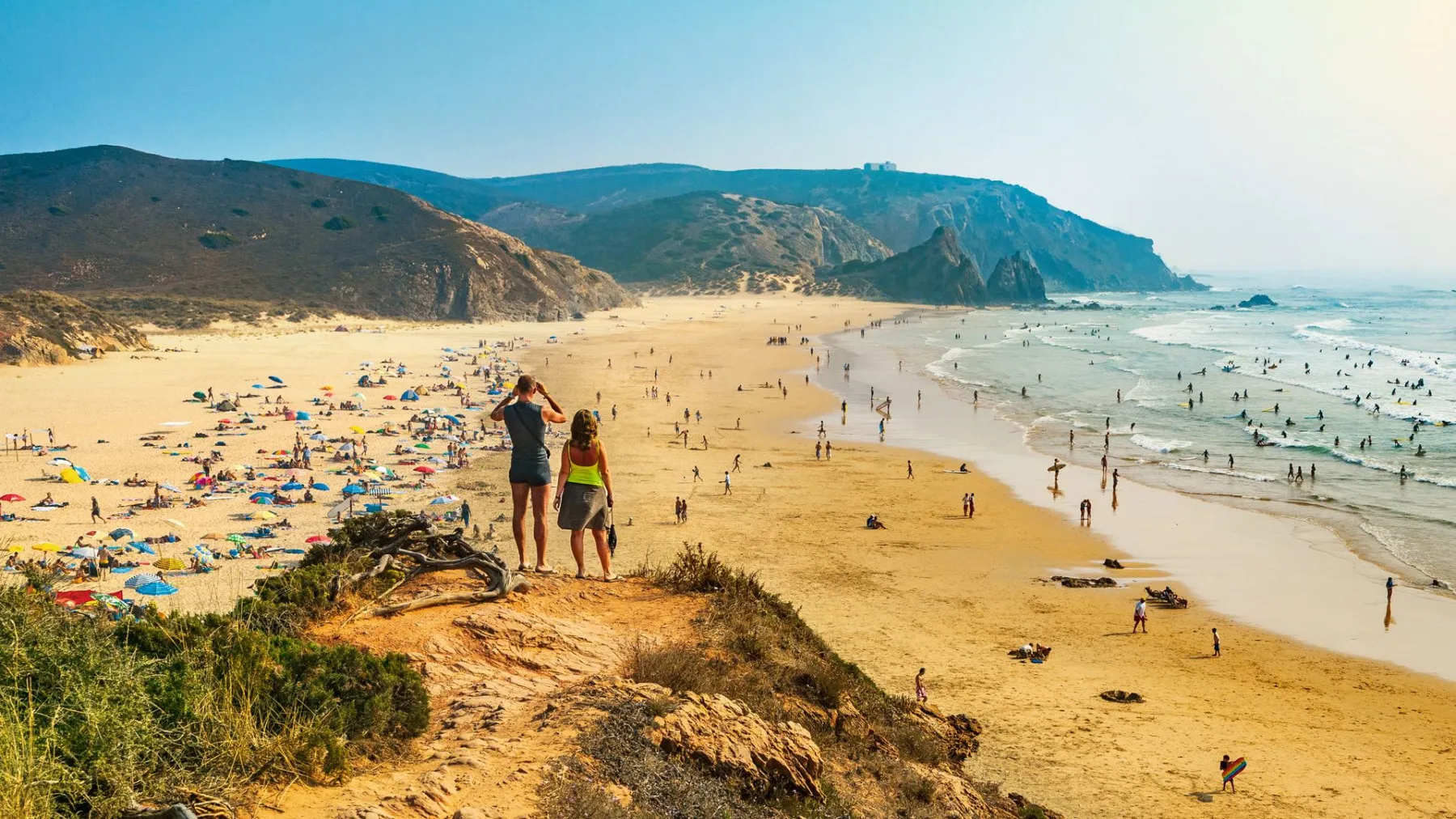
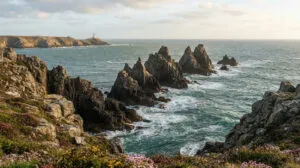
There is a stretch of the Portuguese Atlantic that tourists only ever see from the plane on their way to Albufeira - and that is exactly why it is still unspoiled. From Setubal to Cape St. Vincent, more than 140 kilometres of beaches, whitewashed villages and cliffs drop straight into the ocean. This is not the postcard Portugal. This is the wild one.
The trip starts in Setubal, just 45 minutes by car from Lisbon. You rent a car here and set off along the coast, but before that it is worth getting out on the water: in the mouth of the Sado river lives one of the few permanent dolphin colonies in Europe. The emerald-green colour of the water is not Photoshop - it comes from the high concentration of phytoplankton.
The Troia peninsula offers over 45 kilometres of beaches. At Praia da Torre you can ride a horse through the sand and rice fields full of storks. A little further down is Porto Covo, a charming village of whitewashed houses rebuilt after the great earthquake of 1755. From here the Costa Vicentina nature park begins - 110 kilometres of protected coastline, one of the best-preserved in Europe.
Vila Nova de Milfontes greets you with white houses and blue trim where the Mira river flows into the sea. The abandoned island of Pessegueiro once hid Carthaginians, Romans and pirates, and still guards a 17th-century fort. Zambujeira do Mar hangs dramatically over the cliffs, and at Odeceixe the Algarve begins - the place where you can swim in a river and the ocean on the same day.
Among the beaches worth remembering are Morgavel, Samoqueira, Bordeira, Amado - a surfers' favourite - and Almograve, famous for its sunsets. And the end of the road is Cape St. Vincent, the westernmost point of mainland Europe, where the sun sinks into the wild Atlantic off enormous cliffs with an old lighthouse on top.
Why did this coast stay this empty, while neighbouring Algarve drowns in concrete and hotel complexes? Maybe because someone decided in time to protect it rather than sell it off. A lesson the Balkans still stubbornly refuse to learn, as they turn their last wild beaches into car parks.
The latest 10 news from this category

Of twenty-five new inscriptions, five are natural - and only one is in Europe. For the richest of them, the...
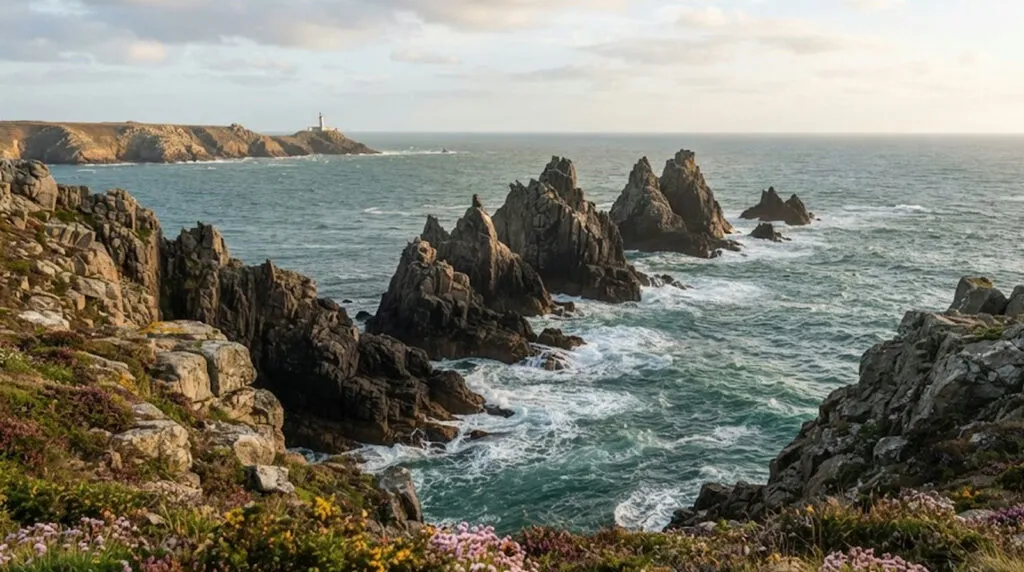
Fifty beaches, more than 120 villages and a trail France voted its favourite. Monet came for a few days and...
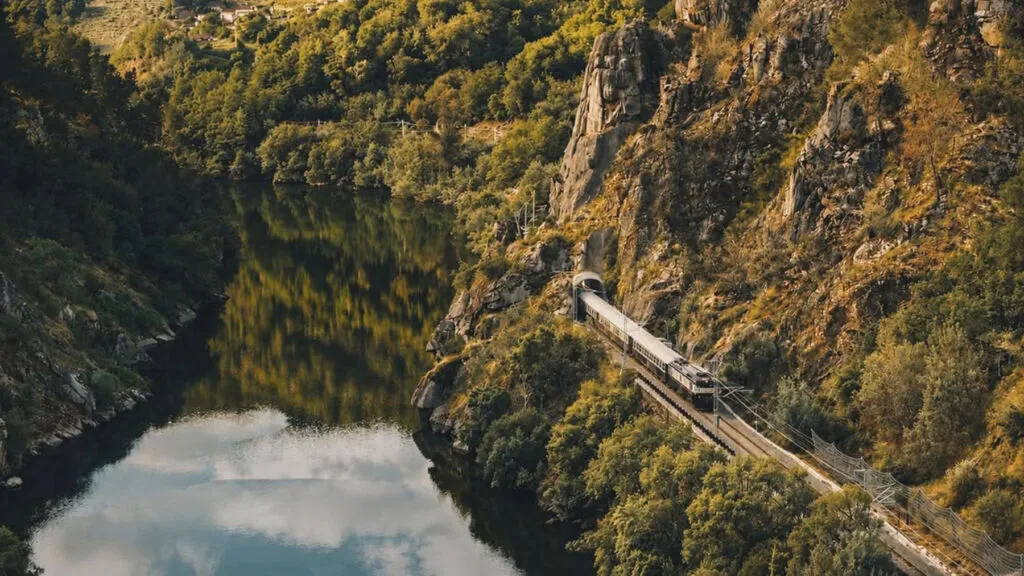
Restored carriages, a locomotive they call the Japanese Woman and a 28.95 euro return ticket. What it sells is not...
Two hundred and fifty tree species from every corner of the world, a monastery from 1628 and a palace that...
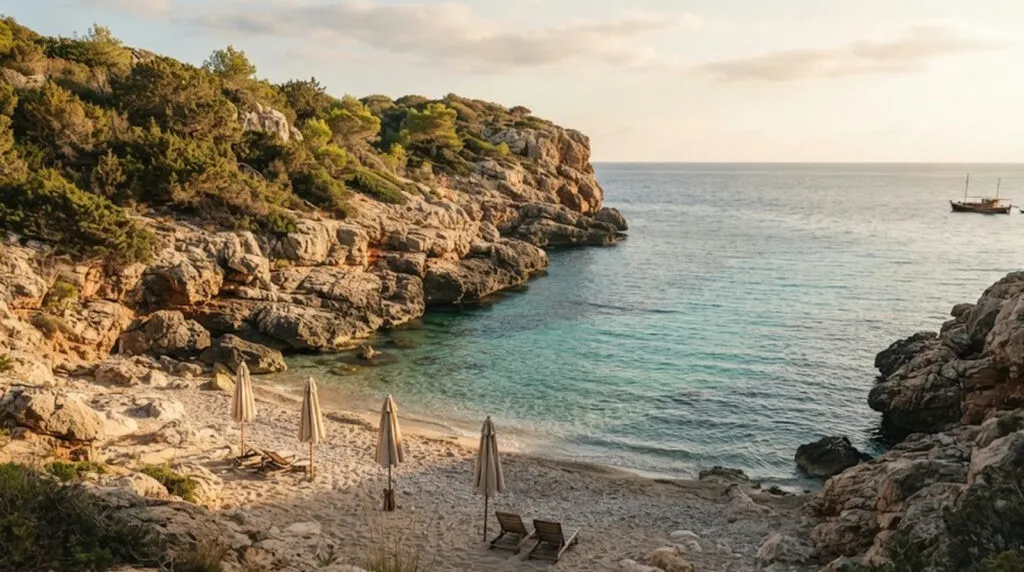
The same places cost more in August, look crowded and are experienced at half strength. The difference is made by...
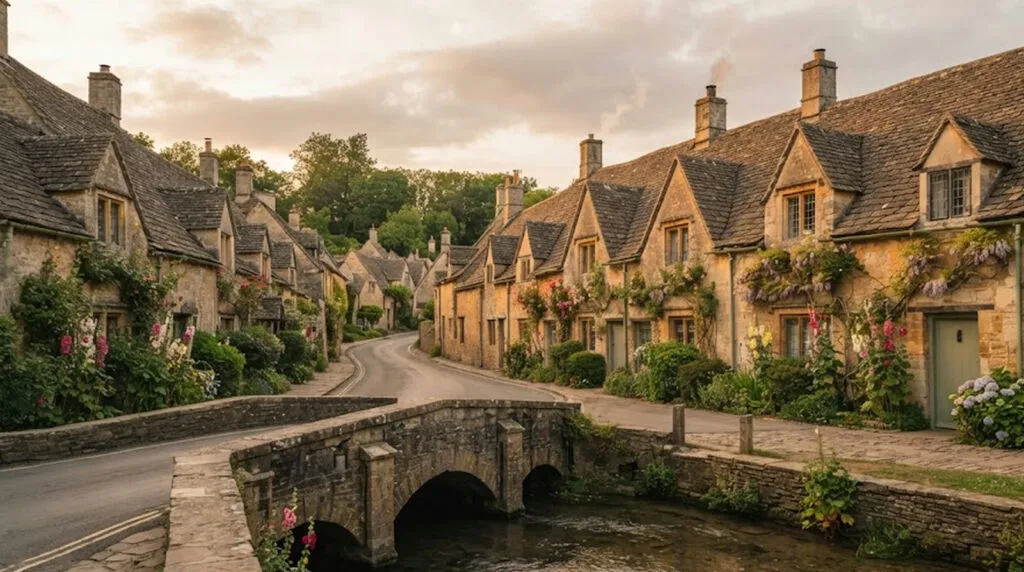
The Beckhams have a place there, so do Kate Moss and Ellen DeGeneres. But the Cotswolds needs none of those...

Down on the coast the buses pass each other with centimetres to spare and all you see is people. Up...
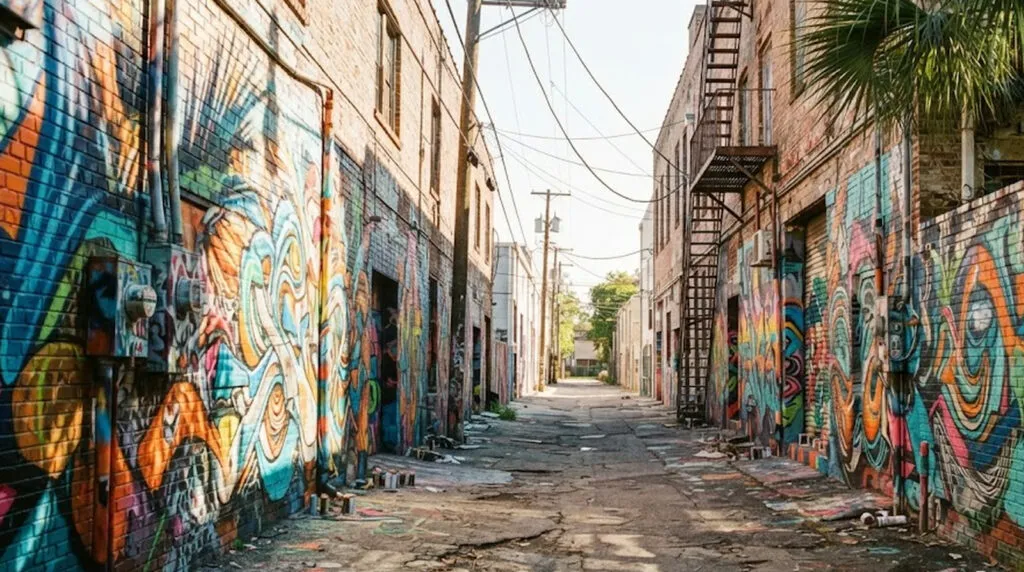
Empty warehouses, low rents and one real estate developer. A model we know without flying to Florida.
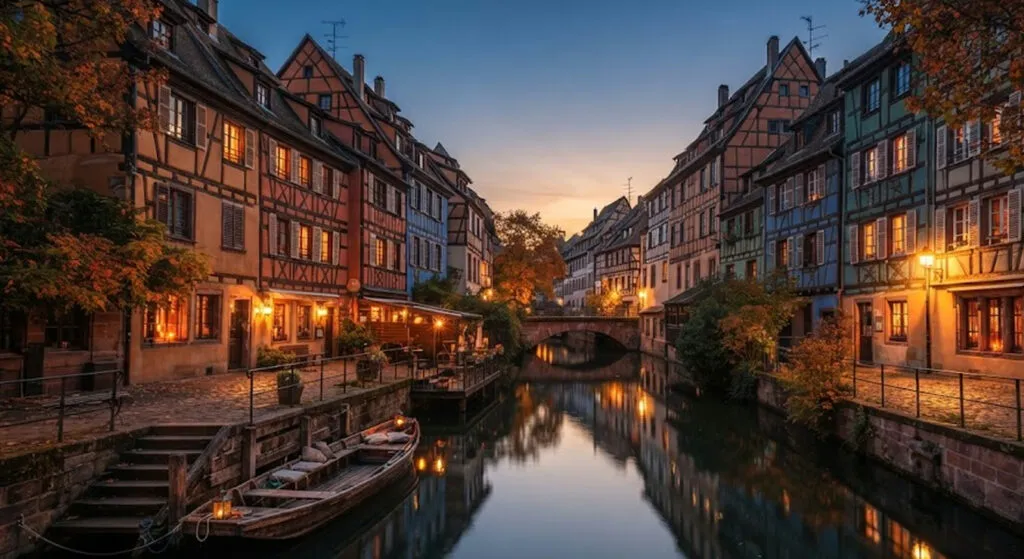
Old tanners' and dyers' workshops, built directly over the river. From 10 to 13 September the town puts boats and...
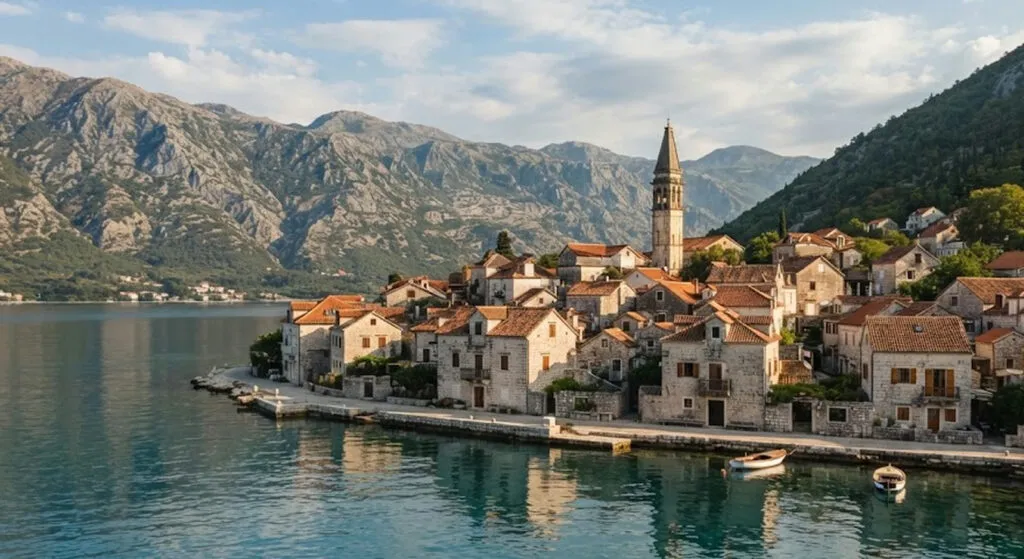
The Albanian Riviera, Montenegro, Sardinia, Lyon and the Algarve. The same weather as August, fewer people, and a bill that...
This site uses cookies - is that okay? Learn more
Be the first to know when Metla launches something new
Leave your email and we will write when there is a new guide or something new on Metla.