Four Families, One Morning: Domestic Violence Has Become a Daily Number
21.07.2026


21.07.2026
21.07.2026
21.07.2026

21.07.2026

21.07.2026

20.07.2026
21.07.2026

20.07.2026
19.07.2026

21.07.2026

21.07.2026
20.07.2026

09.03.2026

27.02.2026

19.02.2026
21.07.2026

20.07.2026
20.07.2026

23.04.2026

23.04.2026

12.04.2026

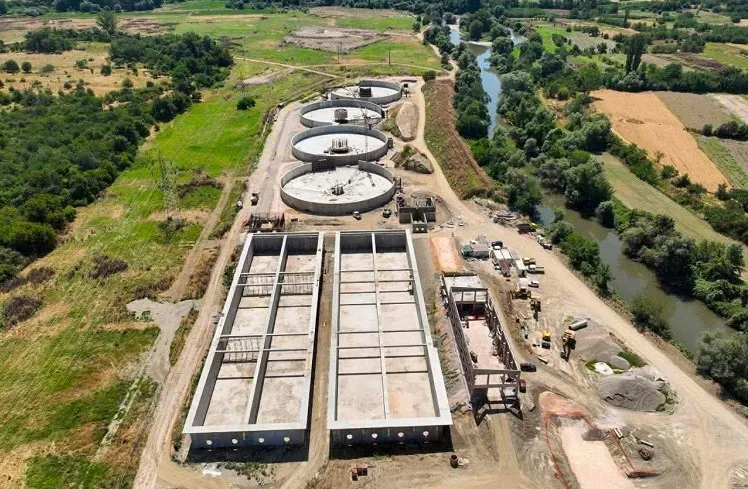
„The biggest ecological shield.“ „A historic change.“ „A cleaner Vardar for the generations to come.“ Skopje mayor Orce Gjorgjievski lined up all the right words yesterday for the wastewater treatment plant - a project that, to be fair, is genuinely needed. There's only one question, and it gets awkward once you read the number at the end: when?
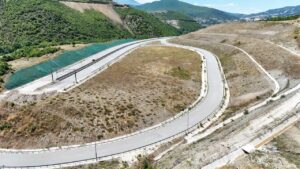
The answer is 2030. Construction is about 40 percent complete, the full build is planned for the first half of 2028, and then come two years of trial operation - which means the plant will only actually start working in the first half of 2030. In other words, the Vardar will keep swallowing Skopje's wastewater for at least four more summers.
What's telling is that even the mayor openly admits the delay. „After the initial standstill, caused by unfinished administrative procedures, unadopted detailed urban plans, land expropriation and late payments to the contractor“ - he says - „today the construction is proceeding at an accelerated pace.“ So: an admission that the project already ran late because of administration, plans that were never adopted, and bills that weren't paid on time. A classic Macedonian infrastructure story, wrapped in the language of success.
The project covers around 60 structures and really is the largest of its kind in the country. Once it's up and running, the effect on the Vardar and on the health of Skopje's residents will be real - that's not in dispute. What is in dispute is whether the „accelerated pace“ will survive the test of time, or whether 2030 turns into 2032, the way these things tend to go.
A treatment plant that actually works is worth more than every press conference held about it. That's why the only indicator that matters isn't the percentage today, but the date when the city's wastewater stops flowing straight into the river. Until then, the „biggest ecological shield“ is concrete under construction - a worthwhile project, but still only a promise.
The latest 10 news from this category
UKLO offers 2,115 places, UGD as many as 3,341. The deadlines are clear, the choice is wide. The hard question...
The beaches of Lake Ohrid, Prespa and Dojran pass the test. But the Institute of Public Health's report points to...
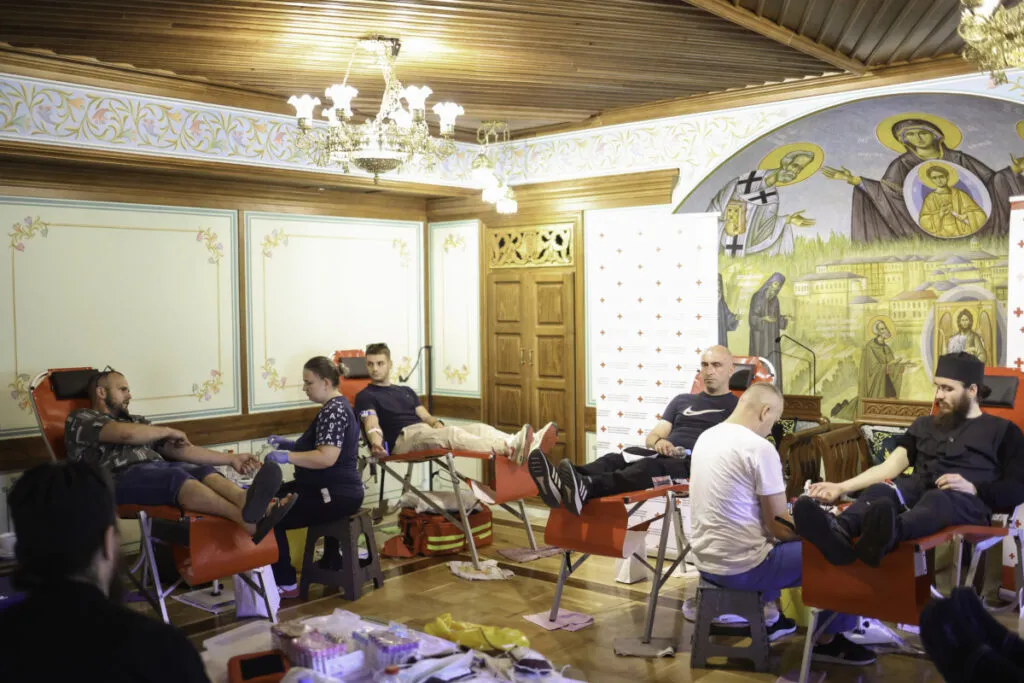
A dozen people, half an hour, 66 units of blood for someone they will never meet. Among the donors, people...
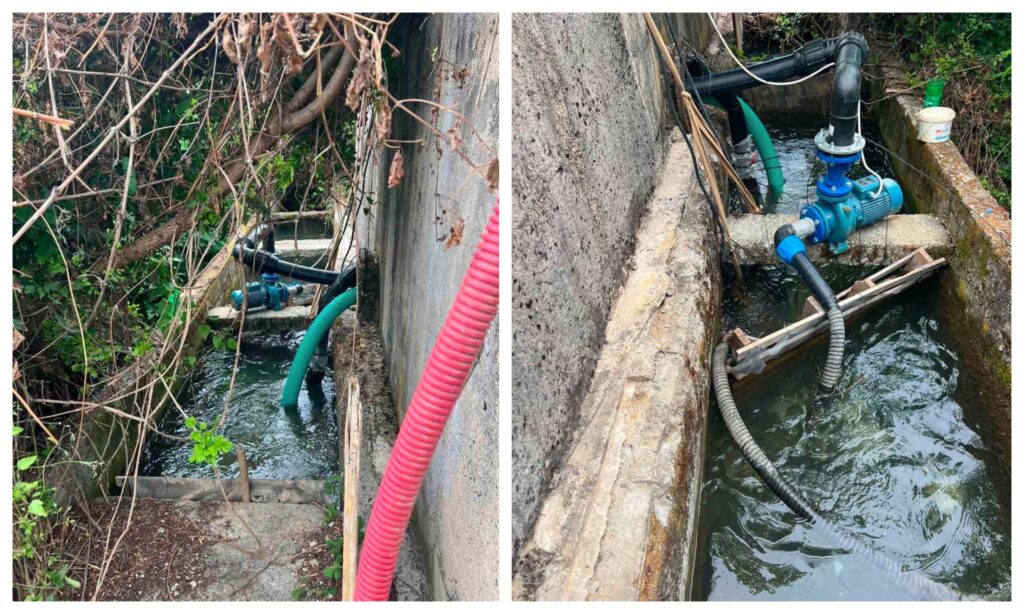
2,419.6 coliform bacteria per 100 ml against a limit of 50. Over 1,200 sick. And the most disturbing part -...

The president of the world's most populous country is on a two-day visit to Macedonia. Full state honours, flowers at...
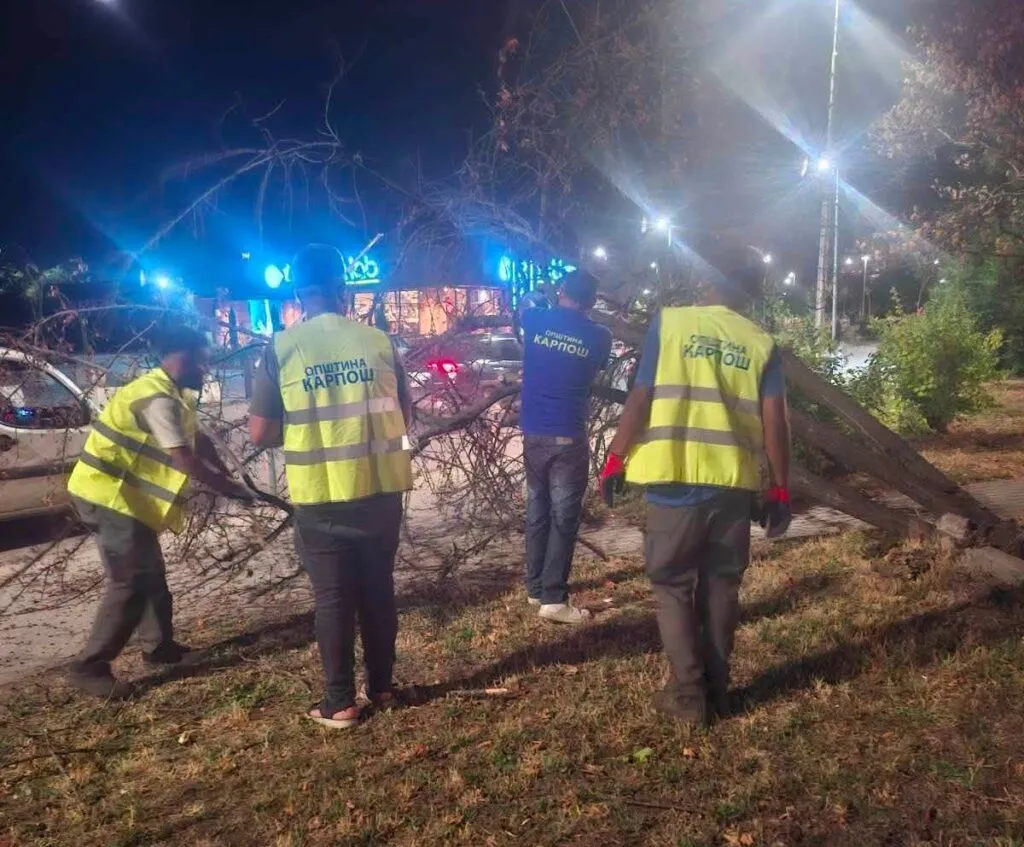
The wind brought down trees and cables, and in a park in Kozle a tree collapsed onto an 88-year-old woman...
Planned outages from 9 a.m. to 2 p.m. on several streets and villages. Maintenance is unavoidable - but when „planned“...
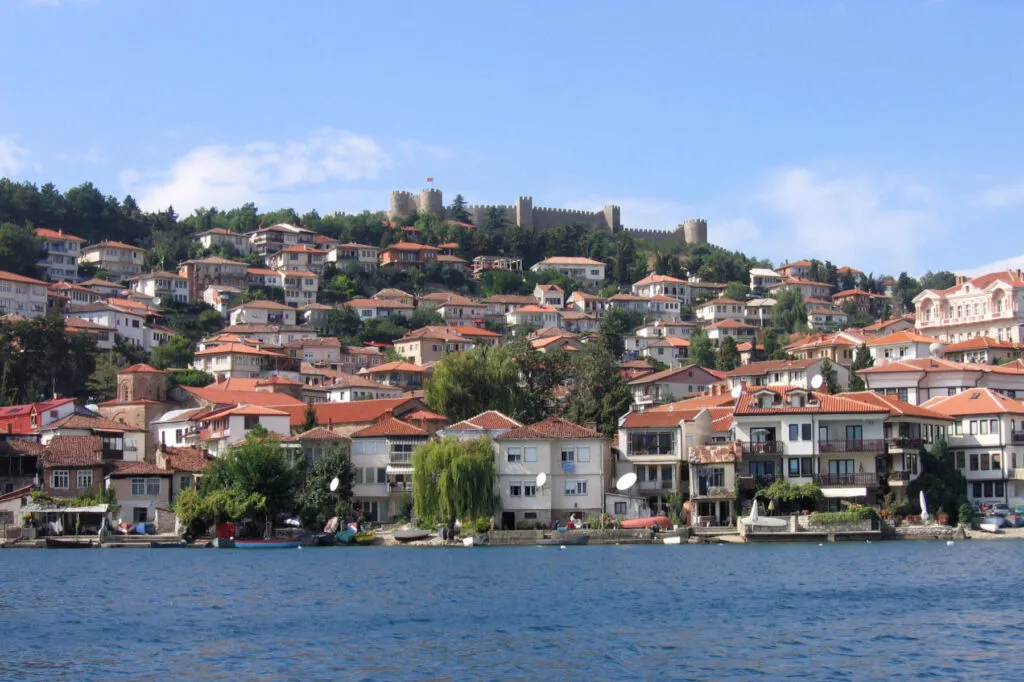
A draft decision to list Ohrid as World Heritage in Danger. SDSM blames the government, the Municipality throws the ball...
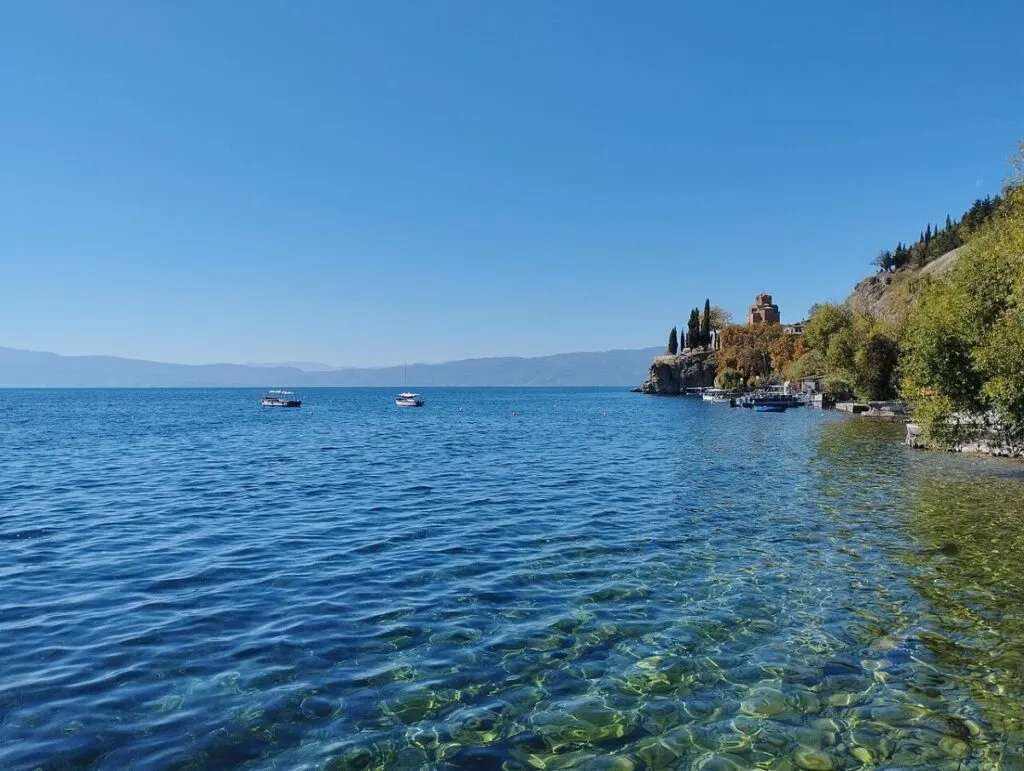
The water is safe for swimming, for now. But the fecal waters, the septic tanks at Radožda and the class-five...
The call is out - 4,395 places for full-time students, first round on August 18. For the generation that just...
This site uses cookies - is that okay? Learn more