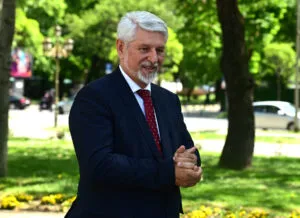
A New Criminal Complaint Against Jakimovski: A Building Permit Based on a Plan Struck Down Back in 2018
16.09.2026


16.09.2026

16.09.2026

16.09.2026
16.09.2026
16.09.2026

16.09.2026
16.09.2026
15.09.2026
14.09.2026

16.09.2026

16.09.2026

15.09.2026

16.09.2026

15.09.2026

14.09.2026

16.09.2026

16.09.2026

16.09.2026

16.09.2026

15.09.2026
15.09.2026

09.03.2026

27.02.2026

19.02.2026

16.09.2026

15.09.2026

14.09.2026

23.04.2026

23.04.2026

12.04.2026

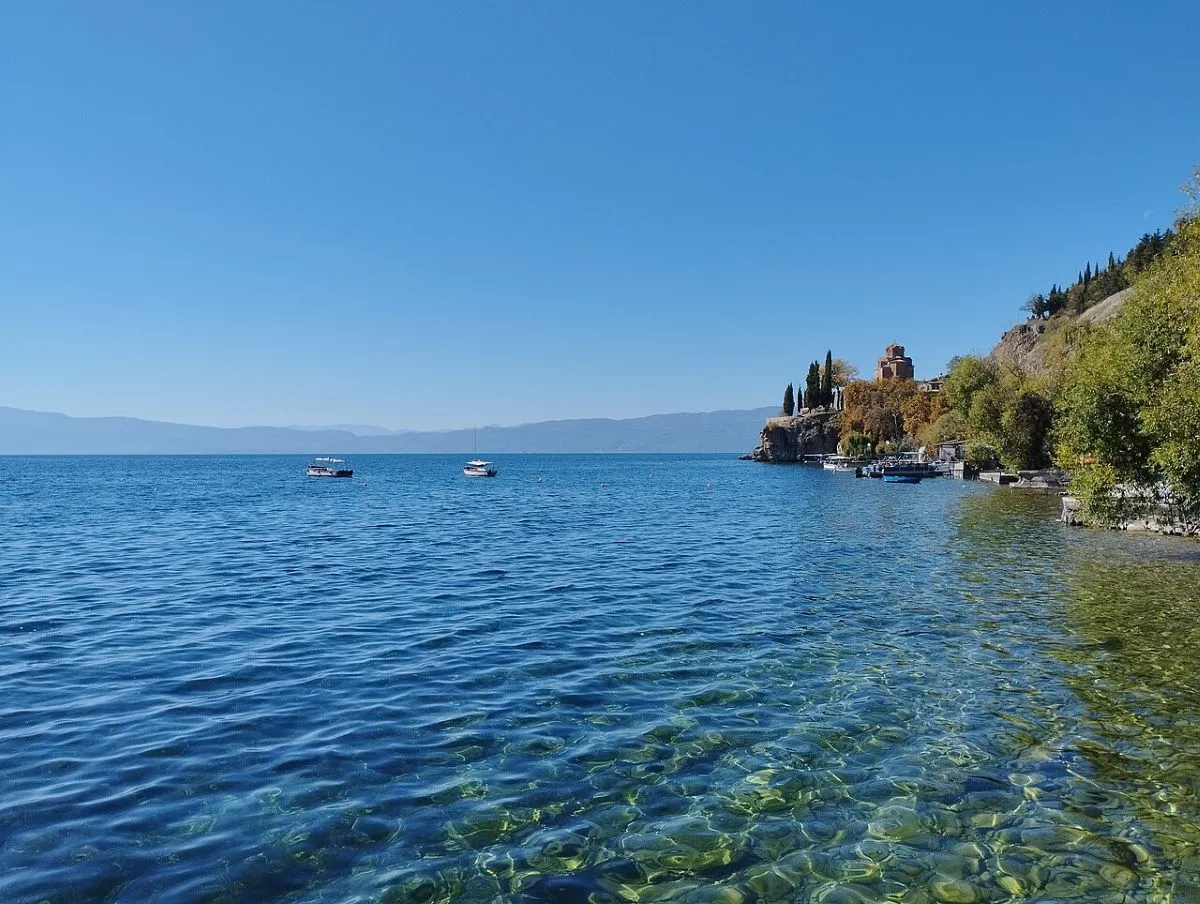
The good news first: most of the beaches on Lake Ohrid, Prespa and Dojran are safe for swimming this season. The latest report by the Institute of Public Health finds no mass poisoning and no pesticides above permitted levels in the analysed samples. So - you can go for a swim.
The bad news comes right after, and it's older than any single summer: the old pollution problems are not only unsolved but, in some places, remain a serious threat. Fecal waters, septic tanks, faulty sewage, pesticides. The same words, the same report, nearly the same content - year after year.
Radožda - where the septic tanks empty into the lake
The worst picture comes from Lake Ohrid, even though the water generally meets the legal criteria. The IJZ notes that a large number of hotels, restaurants, tourist settlements and private houses along the shoreline are still not connected to the collector system. Instead of going to treatment, the wastewater ends up in septic tanks - and in some places directly in the lake. At Sveti Naum, a sewage system built more than ten years ago has only a grinder for fecal matter - no filters, no chlorination before discharge.
Radožda is especially worrying, where part of the septic tanks empty directly into the lake water, or sit so close to the shore that their contents seep into the lake. At Sveti Naum, the same system has been running for years without any real protection.
The rivers are class five
Far worse is the state of the rivers flowing into the lake. The Čerava, Sateska, Koselska and Velgoška are classified as class five - the worst - on both physico-chemical and microbiological parameters, a decline compared with last year. For now the lake holds on only thanks to its enormous body of water and its capacity for self-purification. But nature is no substitute for a sewage system.
And here comes the timing that says it all. The report was published just a few days before the UNESCO World Heritage Committee decides once again whether the Ohrid Region will end up on the Danger List. The IJZ's recommendations - to put the collector fully into operation, to connect all facilities, to monitor the water constantly - have been repeated for years. Which means the problem isn't that the solution is unknown. The problem is that, for years, nobody carries it out.
The latest 10 news from this category

The World Bank dropped out over misalignment with EU requirements. Construction will take two and a half years, and the...
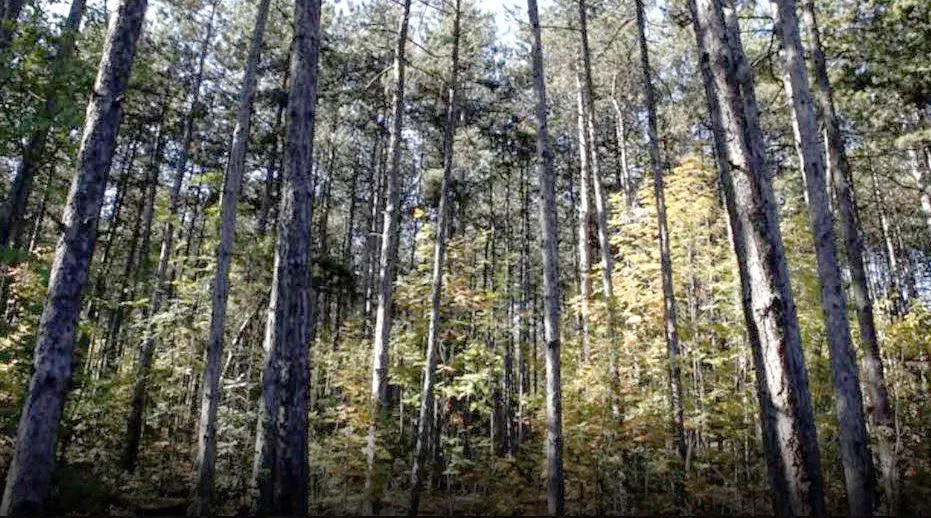
Of 9,500 square metres of greenery, 268 remain. Terrain with an 80-metre height difference, no erosion study and no opinion...

Gjorgjievski says the system should be ready by the middle of next year. The BRT tender is announced for the...
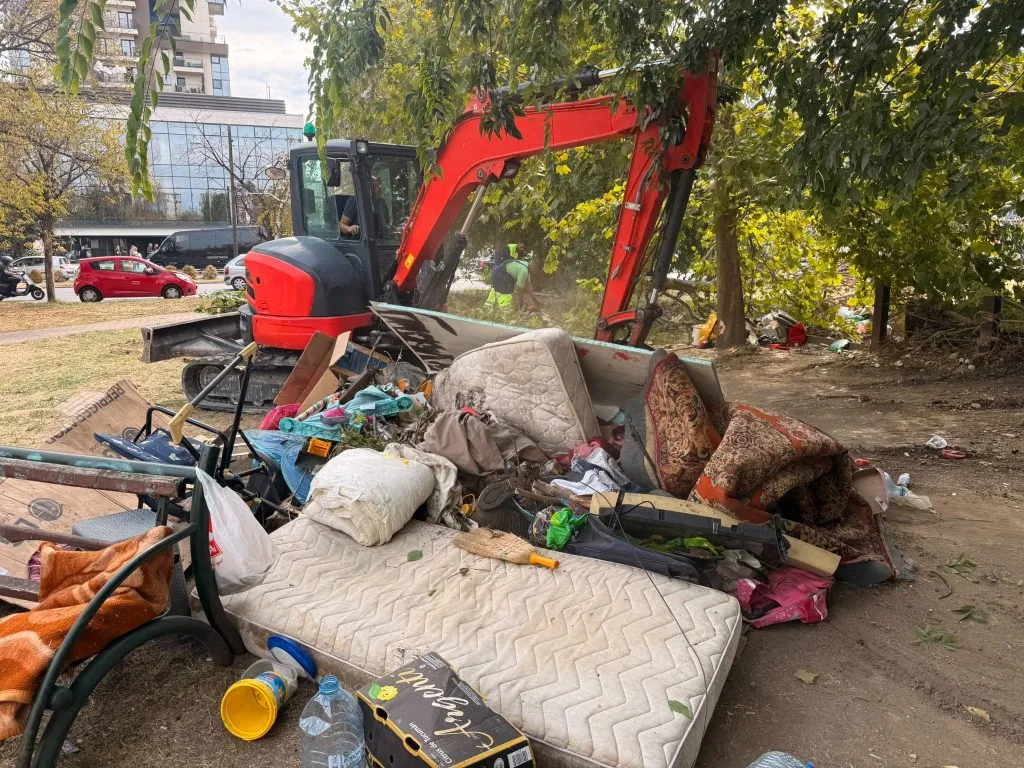
The second operation at the same site within a year. Gerasimovski himself is appealing to the Labour Ministry - because...
A prosumer scheme, a solar oven and electricity generated by bicycle on Magnolija square. The city that has paid the...
Stefanija Dimovska won two medals at IESO 2026, working in mixed international teams. Before that she was also national champion...
Out of nearly 4.7 million denars, the municipality is putting in around 180,000. The rest comes through the Bureau for...

Ten years working inside the health system - and she still had to pull strings to be admitted. The clinic...
Appeals run from 15 to 25 September. There is not enough space at Goce Delčev, so students go to Stiv...
From 23:00 to 05:00 there is no getting through towards Evzoni. Towards Halkidiki - business as usual. Those heading on...
This site uses cookies - is that okay? Learn more
Be the first to know when Metla launches something new
Leave your email and we will write when there is a new guide or something new on Metla.