

Expert witness at the Puls trial: the change-of-use application had to come from the owner, not the tenant
26.08.2026


26.08.2026

26.08.2026

26.08.2026

26.08.2026

26.08.2026

26.08.2026

26.08.2026

25.08.2026

24.08.2026

26.08.2026
26.08.2026

25.08.2026

26.08.2026

26.08.2026

26.08.2026

26.08.2026

25.08.2026

24.08.2026

26.08.2026

26.08.2026

26.08.2026
26.08.2026

26.08.2026

25.08.2026

09.03.2026

27.02.2026

19.02.2026

26.08.2026

25.08.2026

24.08.2026

23.04.2026

23.04.2026

12.04.2026
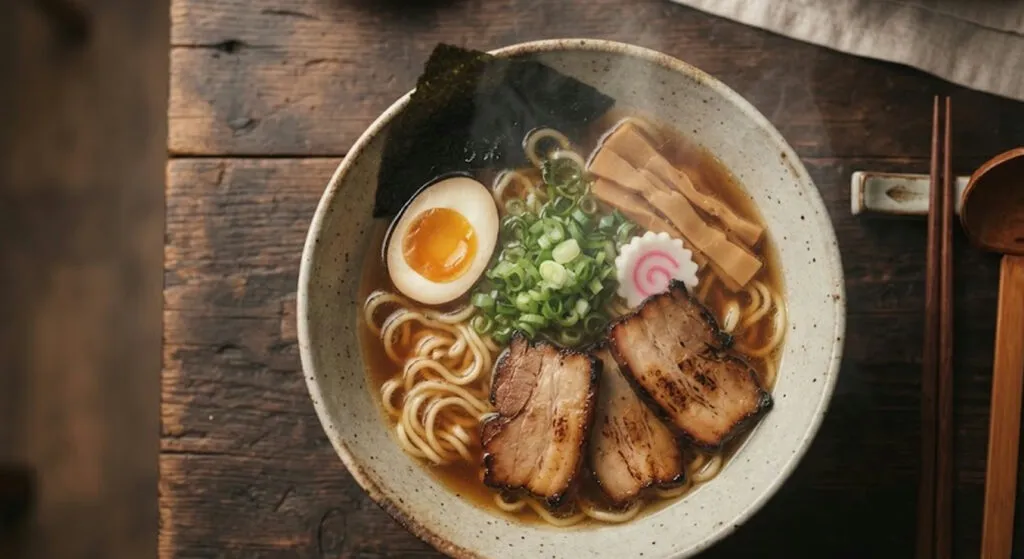
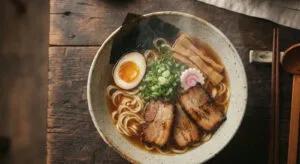
Ramen is eaten fast and cooked slowly. That is the entire story of a dish that celebrates its international day every 25 August, and it is the exact opposite of what most people assume when they see a noodle soup. Japanese master Tatsuya Nakamura puts it most directly: "The broth is 80 percent of ramen." The remaining 20 percent is everything you can see in the bowl.
Eight hours minimum, up to 36 if you have the time
That is the number separating the real thing from the imitation. The broth should simmer for at least 8 to 12 hours, and depending on the type and on whoever is cooking it - up to 36 hours. Thicker, stronger broths are called kotteri, like tonkotsu ramen; the lighter, clear ones are assari, like dashi broth made from kombu seaweed and katsuobushi.
The word itself comes from two Chinese characters combined: "ra" means to stretch, "men" means noodle. The exact origin of the dish is unknown, and the most accepted theory places it in 1660, when a Chinese refugee prepared ramen for Tokugawa Mitsukuni, a legendary Japanese feudal lord. It peaked in Japan toward the end of the 19th century, and became popular after the Second World War - as affordable, cheap food made in ordinary homes from whatever was to hand. A very Balkan story, if you think about it: the dish people now seek out in restaurants came about because there was nothing else.
The four main types
The base is usually a meat broth with pork or chicken bones, or a mix of the two, though vegan and vegetarian versions exist. Some call it "Japanese hotpot". The noodles are specific to ramen, boil for only a few minutes and are added at the moment of serving, along with egg (tamago), pork belly (chashu), fish surimi (naruto), bean sprouts, tofu, mushrooms, spring onion and seaweed.
Shio is the simplest and the most Chinese-influenced, with a broth usually of chicken and pork. Miso has the same base but with miso paste added. Shoyu is the most Japanese of them all - chicken, pork, dashi and vegetables, with soy sauce added at the end. Tonkotsu is made from pork bones, with the strongest flavour and the fattiest, most gelatinous texture.
Regional variants go further: yasai is entirely plant-based, tsukemen is served with the broth separate as a dipping sauce, hiyashi chuka is eaten cold like a salad, ebi is made exclusively from prawn broth, and tantanmen is spicy, with Sichuan noodles and minced pork.
Home ramen, without the 12-hour wait
For a quick home version you need: 1 litre of ready-made meat, chicken and vegetable stock, 250g ramen noodles, 400g pork belly, 300g shiitake mushrooms, 2 eggs, 1 onion, 2 carrots, 2 pak choi, a handful of spinach and a piece of cabbage. For the marinade: 1 clove of garlic, a piece of fresh ginger, 80ml soy sauce and 30ml mirin or rice vinegar.
Slice the pork belly and fry it with a few drops of oil for about 10 minutes until browned on all sides, then remove. In the same pan fry the sliced shiitake mushrooms and set aside. Boil the eggs for 6 minutes in boiling water with salt and vinegar, then transfer them straight into a bowl of iced water to stop the cooking, peel and halve them. Simmer the marinade in a separate pan with the garlic, ginger, soy sauce and mirin - once it boils, take it off the heat. Cook the noodles per the packet instructions and drain. In a pot with a little oil fry the onion, carrot, pak choi, cabbage and spinach, add the heated stock and the marinade, and let it all simmer for a few minutes. Into each bowl go mushrooms, noodles, vegetables, sliced pork and half a boiled egg - then the broth is poured in.
It is eaten with slurping, and that is the point
In Japan ramen is eaten slurping, even noisily, and eaten fast - before the noodles soak up the broth, swell and lose their characteristic taste. The broth is taken with a wooden spoon, the noodles and the rest with chopsticks. Whoever eats ramen slowly and nicely is, in fact, eating it wrong.
The latest 10 news from this category
It is still too hot for the oven and already too late for the same salad a fourth time. Not...

You do not need a three-hundred-euro machine for a dessert that costs about as much as a kilo of fruit....
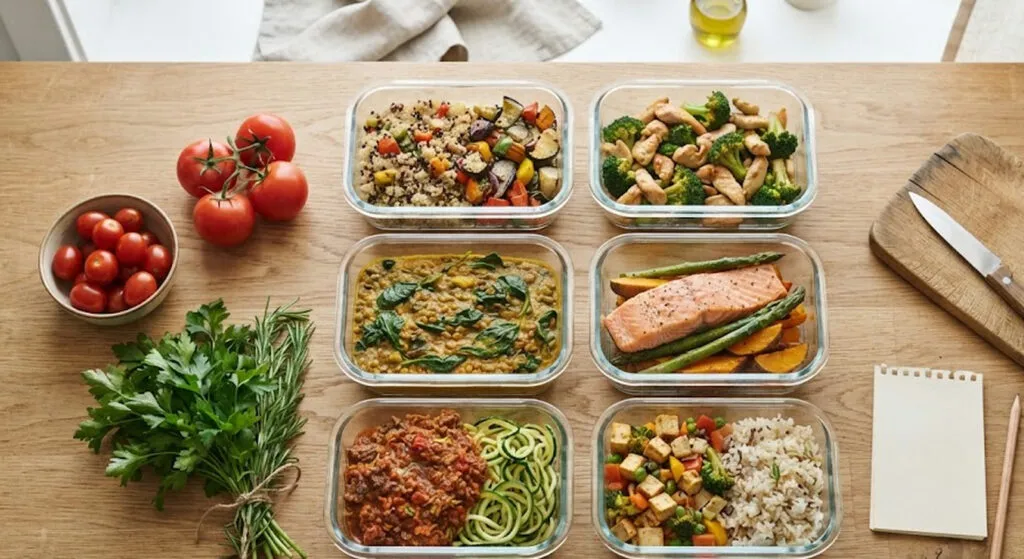
Fourteen dishes, none longer than thirty minutes, and vegetables as the base rather than a side. This is also the...

The batter is mildly sweet, the filling salty, and that contrast is exactly what holds the dish together. Two recipes...
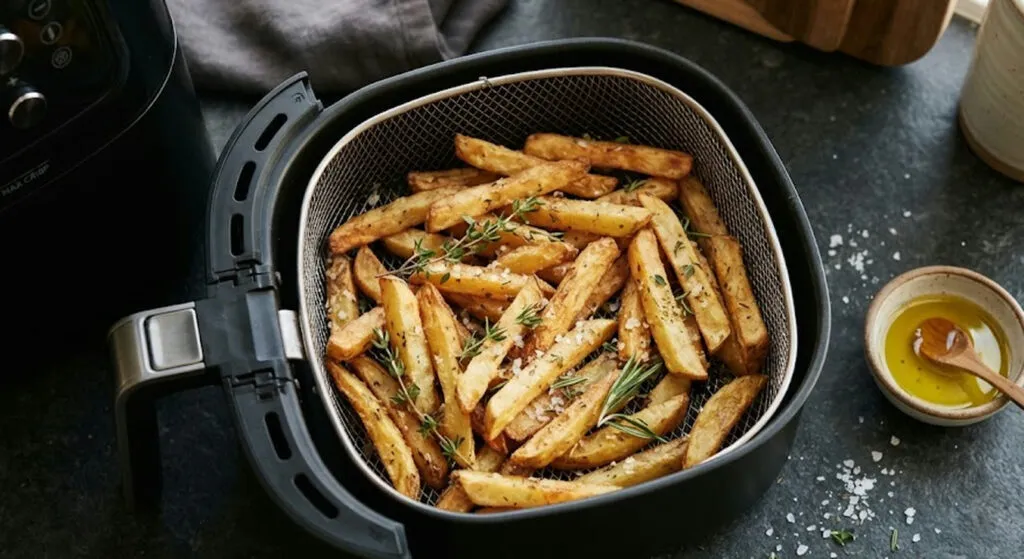
The first pass at 800 watts confits the potato from the inside. The starch comes out with water, the salt...

A dish born because a boat ran out of rice. Ready in under twenty-five minutes - as long as you...

The whole flan breaks in three places - hot milk, vigorous whisking and turning it out before the fridge. Not...
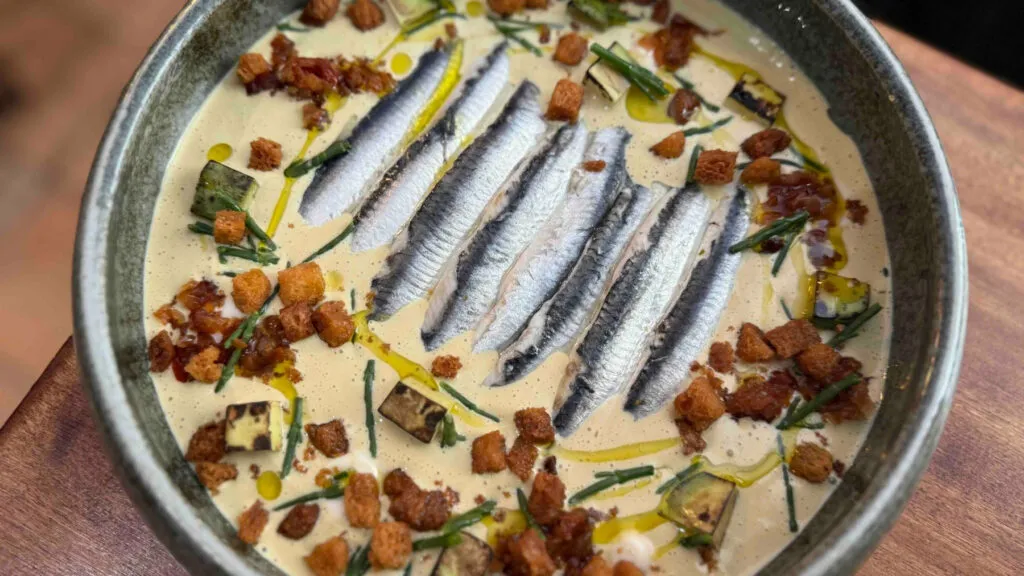
A Madrid chef adds a Peruvian sauce to a dish every Mediterranean coast has its own version of. The full...
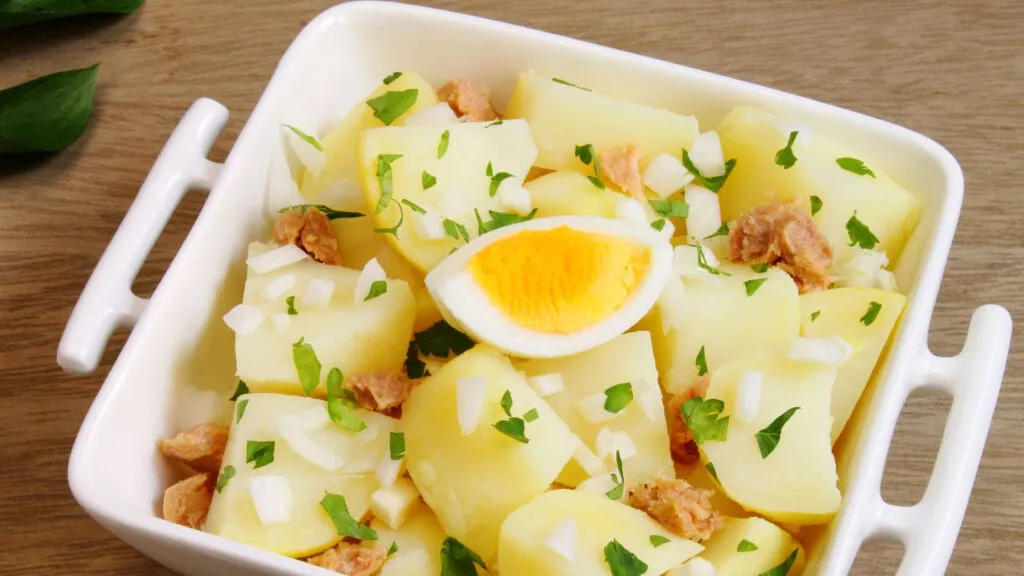
A dish with nowhere to hide - boiled potato, egg, onion, parsley, vinegar and oil. The entire difference between good...
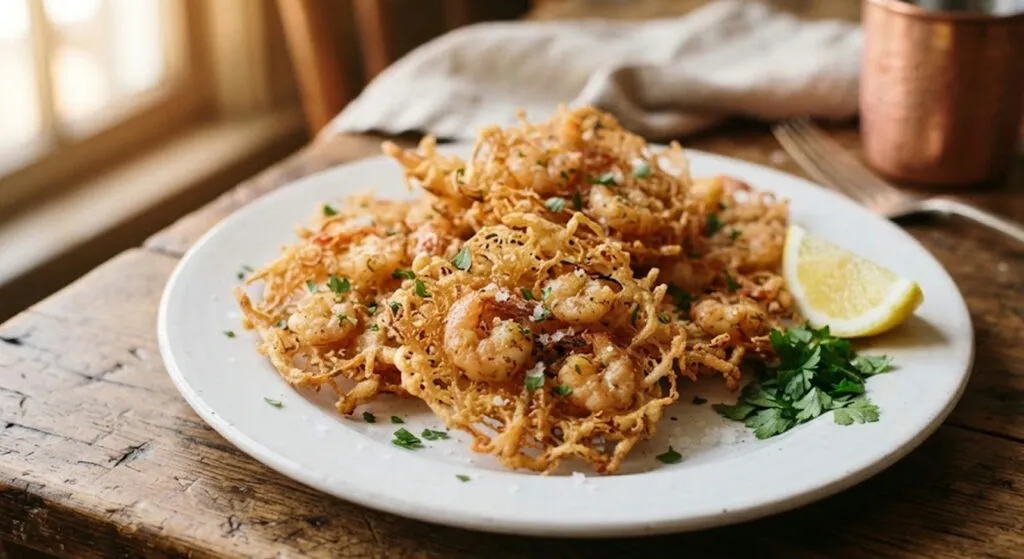
No egg, no thick batter. The result is either a transparent lace or an oil-soaked fritter - and there is...
This site uses cookies - is that okay? Learn more
Be the first to know when Metla launches something new
Leave your email and we will write when there is a new guide or something new on Metla.
