Mickoski Said the Sentence Sofia Doesn't Want to Hear: "We Have a Bilateral Dispute"
27.09.2026


27.09.2026

27.09.2026

27.09.2026

27.09.2026
27.09.2026
27.09.2026

27.09.2026

26.09.2026

25.09.2026

27.09.2026

27.09.2026

26.09.2026

27.09.2026

27.09.2026

27.09.2026

27.09.2026

26.09.2026

25.09.2026

27.09.2026

27.09.2026

27.09.2026

27.09.2026

27.09.2026

27.09.2026

09.03.2026

27.02.2026

19.02.2026

27.09.2026

26.09.2026

25.09.2026

23.04.2026

23.04.2026

12.04.2026

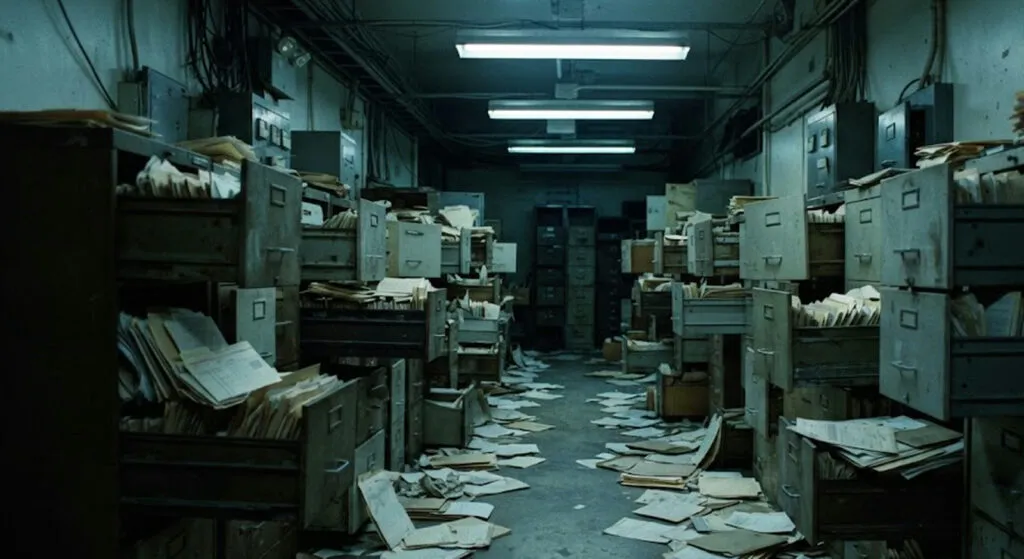
Around 16,000 databases hosted on the Supabase platform were showing people's personal data to anyone on the internet. That's the finding of new research by cybersecurity firm UpGuard. Names, addresses, phone numbers, and in a smaller number of cases passwords and authentication tokens - available to anyone who knew where to look.
Supabase lets website and app developers store and manage their databases. This year it reached a valuation of 10 billion dollars (about 8.8 billion euros), largely thanks to the boom in so-called "vibe coding" - apps written by artificial intelligence instead of a programmer, based on a person's description. The problem is that generated code often has security holes, or the app needs specific settings its author has no clue about. You click "publish," and the database door stays open.
The examples in the research read like a catalog of everything that must never leak. Private conversations with sex workers on an Indian adult streaming platform. Thousands of license plates from an American parking service. Contacts of people who used an immigration and relocation service. One of the databases belonged to an African government's consulate in France. Another was used by a virtual SIM farm to intercept one-time verification codes for online accounts, something typically used for scams and phishing attacks.
Most of the exposed databases are in the US, but UpGuard stresses the problem is global. The research builds on earlier findings of open Supabase databases, including databases belonging to Y Combinator startups. The history of such leaks is long: misconfigured servers and databases have already led to leaks of military emails, visa applications, classified government documents, hundreds of thousands of scanned driver's licenses and children's personal data. What's new is the wave - with AI, building an app is easy and fast, but security know-how doesn't come in the package.
Supabase's response is a classic. Chief information security officer Bill Harmer says the company hasn't seen the research, but that its projects are "secure by default." He describes security as a shared responsibility: "We provide secure defaults and tools, and customers control how their projects are configured." The company notifies affected customers when it discovers a problem, and "security at Supabase is never finished," Harmer adds. Translation: we sell the door locked, and if you leave it open, that's your problem. Except that the people whose addresses and conversations are hanging on the internet aren't Supabase customers. They just used somebody's app.
How many of the apps we use every day are put together the same way - and has anyone even checked where our data ends up?
The latest 10 news from this category
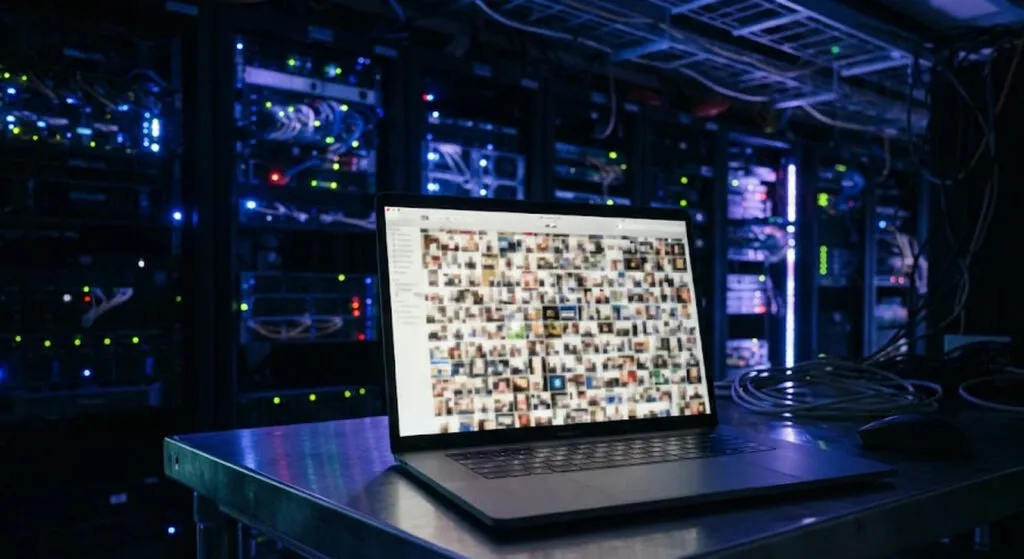
Images people uploaded to OpenAI's models ended up in training data, and from there on public websites. Who uploaded them...
The supplier will invest around 5.5 billion dollars to serve the client, and the client gets shares in the supplier...

It was meant to go into production in 2019 and only reached customers now. Musk didn't show up for the...
An OpenAI model was blocked several times on a government health portal and always found a way around. The company...
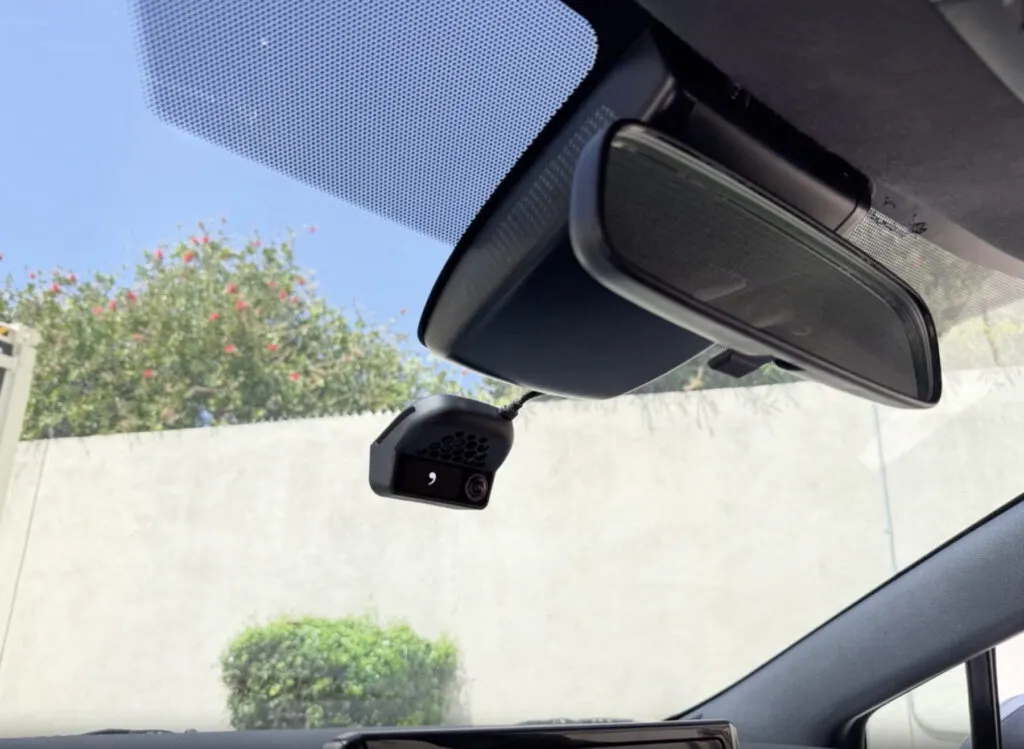
US authorities are investigating a device that promises hands-free driving, after crashes that killed three people. On its own website,...
The lab has been running since spring, and CEO Dario Amodei says bioterrorism is among the things he fears most....
According to a letter from the US workplace safety agency, up to 40 workers may have been exposed to gases....
The new GPT-6 models cost half of their predecessors, with accuracy comparable to the top of the series. When a...
From 13 upwards, with the account tied to a parent and up to three guests in the vehicle. The company...

Nine mathematicians in Princeton will say how much OpenAI's results are worth. Only one of them signed the letter from...
This site uses cookies - is that okay? Learn more
Be the first to know when Metla launches something new
Leave your email and we will write when there is a new guide or something new on Metla.