
Black Smoke Over Skopje: A Paint and Varnish Warehouse Burned Inside the Old Steelworks
23.09.2026


23.09.2026

23.09.2026

23.09.2026

23.09.2026

23.09.2026

23.09.2026

23.09.2026

22.09.2026

21.09.2026

23.09.2026

23.09.2026

22.09.2026

23.09.2026

23.09.2026

23.09.2026

23.09.2026

22.09.2026

21.09.2026

23.09.2026

23.09.2026

23.09.2026

23.09.2026

23.09.2026

23.09.2026

09.03.2026

27.02.2026

19.02.2026

23.09.2026

22.09.2026

21.09.2026

23.04.2026

23.04.2026

12.04.2026

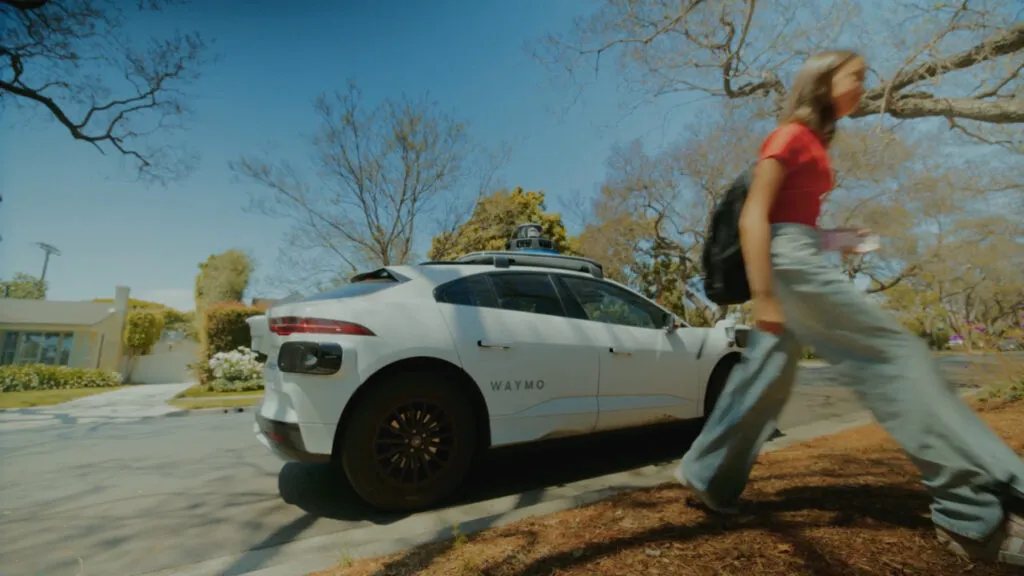
Waymo has opened its autonomous taxi service to teenagers aged 13 to 17 in Nashville. That is the second city after Phoenix, where minors got their own accounts last year. A company representative says this is the "first of many" such rollouts, expanding into more markets over the coming months - depending on how mature operations are on the ground and what the local regulator will allow.
The mechanics are simple. The teenager's account must be linked to a parent's or guardian's account. Once approved, the minor can order a ride across Waymo's entire service area in Nashville and bring up to three guests aged 13 to 17. One thing the company does not say: exactly how the age gets verified.
That is not a trivial detail. The entire structure rests on the assumption that the person on the other side of the app really is who they say they are. The company building trust in a driverless vehicle stays silent on precisely the part where trust begins - who gets in.
The numbers behind this show why Waymo is in a hurry. Weekly paid rides jumped tenfold - from 50,000 in May 2024 to over half a million earlier this year. The service runs in a dozen cities, and in the last month alone Denver, Las Vegas, San Diego and Tampa opened. Nashville became a market in April this year with a zone of 50 square miles (about 130 square kilometres), and this month Waymo's vehicles also became available through the Lyft app in the city.
The logic of the move is pure arithmetic. A teenager is a customer currently dependent entirely on a parent or on public transport - meaning an untapped market. And a parent, faced with the choice of whether a seventeen-year-old drives the car themselves or software drives it, may well pick the software. The question is whether the choice is really between those two things, or between them and a bus that turns up on time.
Here, the conversation about autonomous vehicles is still theoretical, but the second part is not: what does a city get when young people's transport is solved by a private app instead of a line with a timetable. The answer in Nashville is still being written.
The latest 10 news from this category

The new GPT-6 models cost half of their predecessors, with accuracy comparable to the top of the series. When a...

Nine mathematicians in Princeton will say how much OpenAI's results are worth. Only one of them signed the letter from...

Until now the post existed, but nobody saw it and nobody knew why. Now comes a file with the names...
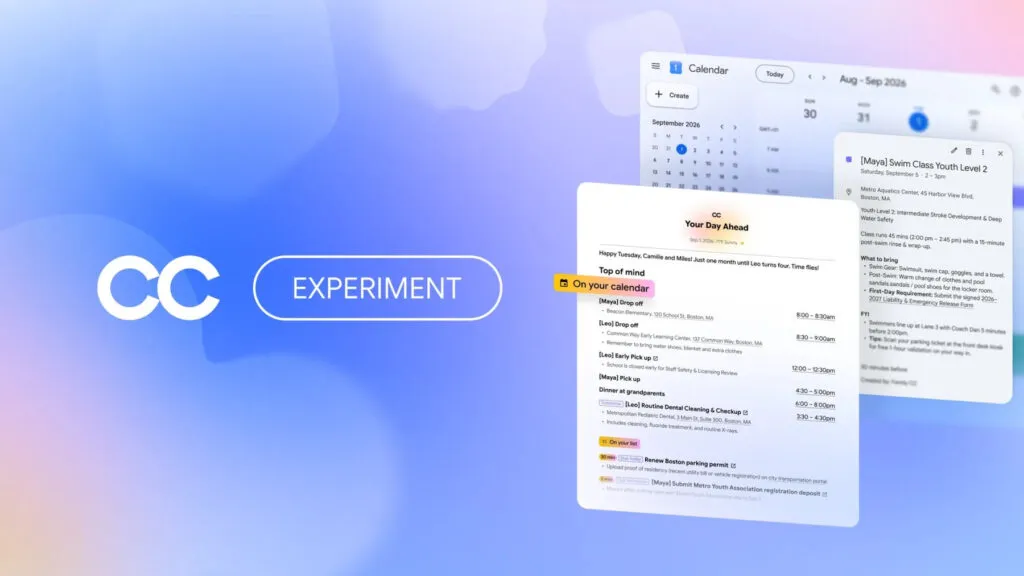
Six family members, one agent with its own Gmail and access to everything you forward it. Google says people asked...

A married pair of students woke up unhappy with their late-night scrolling and decided the problem was not the scrolling...

A new federal body, an official already being called the AI czar, and one condition for applying - a high...

Diogo Almeida helped build ChatGPT, then concluded the whole industry is optimising for the wrong thing. His new model does...

No living actor can give 75 interviews at once - which is exactly why the number was the advertisement. But...

Dario Amodei spent months arguing for independent evaluators inside AI labs. The choice landed on the world's largest consultancy rather...

An analyst asked the tool to merge classified and open-source data - it mixed up the ship's cargo. Then the...
This site uses cookies - is that okay? Learn more
Be the first to know when Metla launches something new
Leave your email and we will write when there is a new guide or something new on Metla.