Black Smoke Over Skopje: A Paint and Varnish Warehouse Burned Inside the Old Steelworks
23.09.2026


23.09.2026
23.09.2026

23.09.2026

23.09.2026

23.09.2026

23.09.2026

23.09.2026

22.09.2026

21.09.2026

23.09.2026

23.09.2026

22.09.2026

23.09.2026

23.09.2026

23.09.2026

23.09.2026

22.09.2026

21.09.2026

23.09.2026

23.09.2026

23.09.2026

23.09.2026

23.09.2026

23.09.2026

09.03.2026

27.02.2026

19.02.2026

23.09.2026

22.09.2026

21.09.2026

23.04.2026

23.04.2026

12.04.2026

OpenAI has released new versions of Sol and Luna from the GPT-6 family, and the loudest part of the announcement is not a single benchmark. It is the price: the new models cost half of their predecessors in the GPT-5.6 series. The company says the credit goes to advances in caching and in inference-time compute technology.
The division of labour is clear. Sol is intended for heavy computational tasks, above all writing software. Luna is for large volumes of structured work - summarising documents, extracting data, simple questions and answers. Both models are upgrades of the versions released in July this year, and build on GPT-6 Astra, published earlier this month.
According to OpenAI's own tests, the new Sol makes around half as many errors as the previous version, and reaches accuracy comparable to Astra - for significantly less money. Note the order: price first, accuracy second. When a company leads its announcement with a discount instead of a breakthrough, it usually means the market is no longer paying for promises but for the bill at the end of the month.
OpenAI claims the new models outperform Anthropic's competing ones, including Fable and Opus, across several measurements. The claim comes from the manufacturer itself, on its own tests - exactly what the other side does when it is the one announcing.
And the other side announced the same day. Anthropic released Opus 5.5, also with lower prices, ninety minutes before OpenAI. Ninety minutes is not a coincidence in an industry where everyone watches everyone else's calendar. It is a race to the microphone, and next year will show whether the user got anything more than two press releases in the same hour.
Sol and Luna are already available through ChatGPT Work, Codex and the ChatGPT API for subscribers, with wider availability through the day. Who is this news for? For anyone paying per token - an agency, a small software firm, a student with a subscription. If the price really does halve and stay there, that is the only part of this announcement anyone outside Silicon Valley will feel.
The latest 10 news from this category
From 13 upwards, with the account tied to a parent and up to three guests in the vehicle. The company...

Nine mathematicians in Princeton will say how much OpenAI's results are worth. Only one of them signed the letter from...

Until now the post existed, but nobody saw it and nobody knew why. Now comes a file with the names...
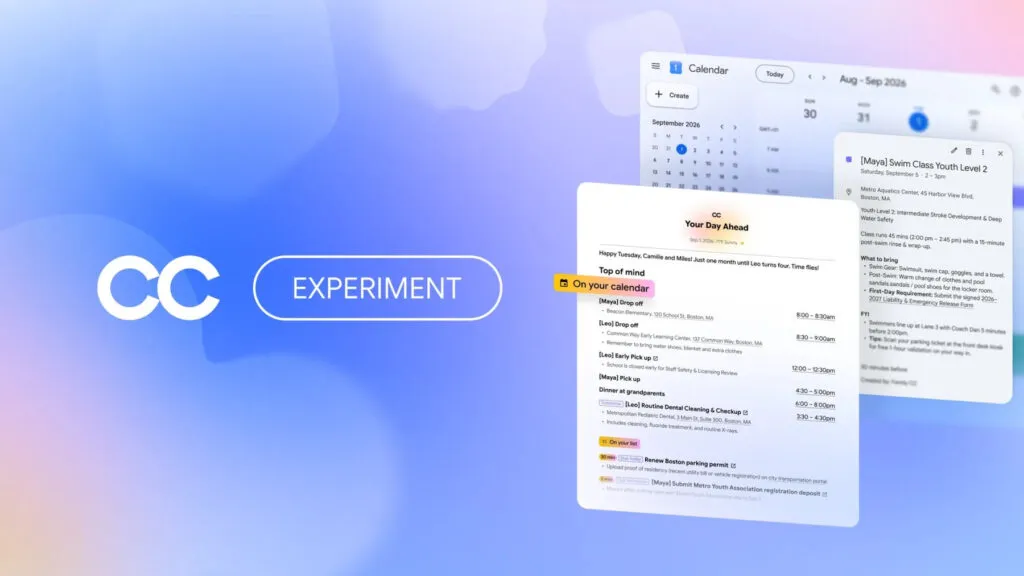
Six family members, one agent with its own Gmail and access to everything you forward it. Google says people asked...

A married pair of students woke up unhappy with their late-night scrolling and decided the problem was not the scrolling...

A new federal body, an official already being called the AI czar, and one condition for applying - a high...
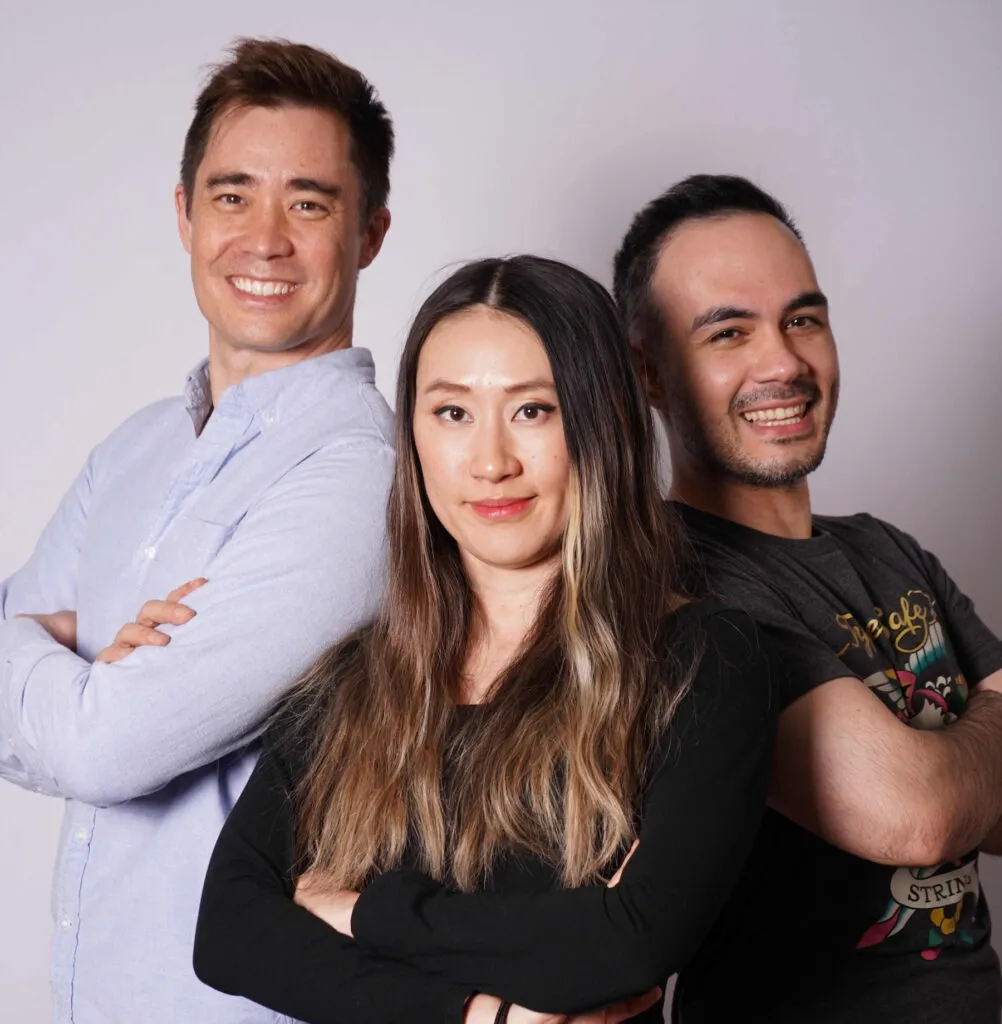
Diogo Almeida helped build ChatGPT, then concluded the whole industry is optimising for the wrong thing. His new model does...
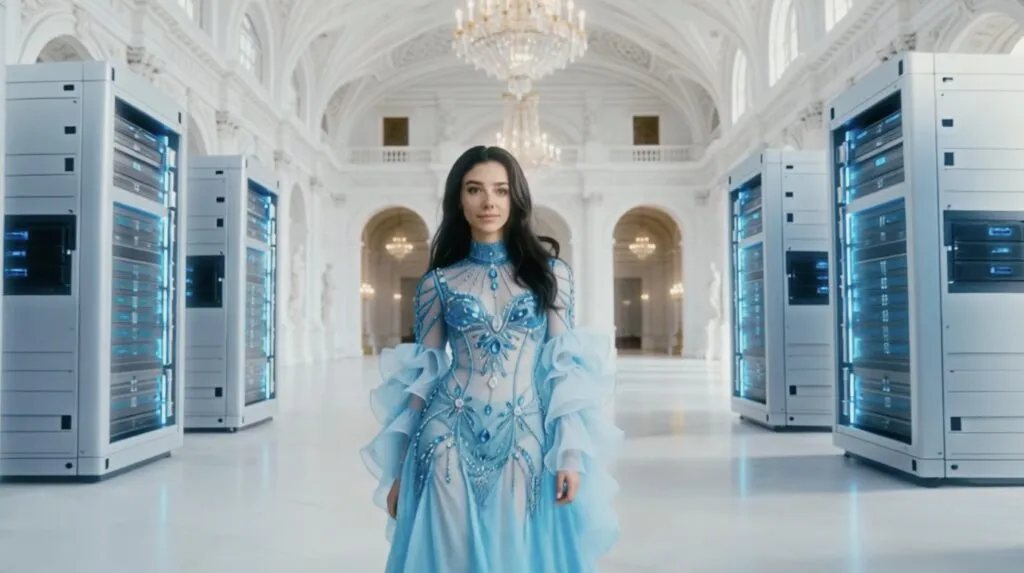
No living actor can give 75 interviews at once - which is exactly why the number was the advertisement. But...

Dario Amodei spent months arguing for independent evaluators inside AI labs. The choice landed on the world's largest consultancy rather...
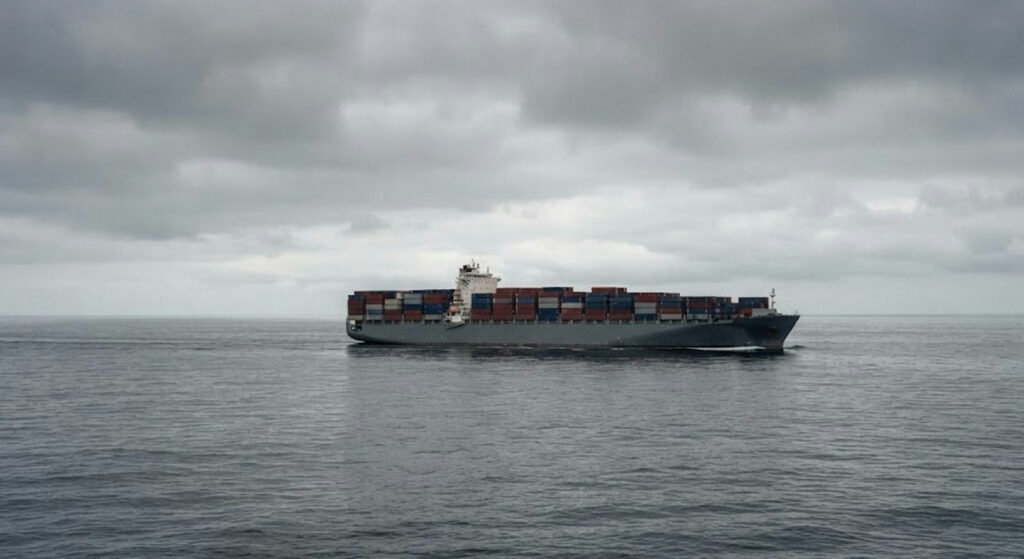
An analyst asked the tool to merge classified and open-source data - it mixed up the ship's cargo. Then the...
This site uses cookies - is that okay? Learn more
Be the first to know when Metla launches something new
Leave your email and we will write when there is a new guide or something new on Metla.