Three of Four Sensors Were Dead: Skopje's Vodno Cable Car Ran Fifteen Years Without a Real Service
17.09.2026


17.09.2026

17.09.2026
17.09.2026

17.09.2026
17.09.2026
17.09.2026

17.09.2026

16.09.2026

15.09.2026

17.09.2026

17.09.2026

16.09.2026
17.09.2026

17.09.2026

17.09.2026

17.09.2026

16.09.2026

15.09.2026

17.09.2026

17.09.2026

17.09.2026

17.09.2026

17.09.2026

17.09.2026

09.03.2026

27.02.2026

19.02.2026

23.04.2026

23.04.2026

12.04.2026


The fuel oil case at TEC Negotino began as the „crime of the century" - with press conferences, photographs of the accused, statements from the authorities at the time describing it as „the biggest energy crime in history". It ended with „no abuses established". 167 million euros. Thirteen individuals and one legal entity. Case closed.
Between „crime of the century" and „nothing there" lies a hole - and that hole is what the prosecution in Macedonia has been routinely leaving open in recent years. There's no explanation for what evidence was gathered, what couldn't be confirmed, and why the initial suspicions were so dramatic in the media while the final conclusion is this quiet.
From the prosecution they say: the fuel was delivered during an energy crisis, there was a statutory exemption from regular procedures, no damage was caused to the state, and the operations of the power plant were not compromised. Those are the technical grounds for closure. But the question is - if all of that was true in 2022, why was the case opened in the first place?
The point of this „start with spectacle, close in silence" pattern is obvious. It's an institutional cycle that serves the political needs of the moment, not real oversight. When one government wants to settle scores with the previous one, a case is built. When a new procedure has to be „closed so the current personnel aren't compromised", a closure is engineered.
The result - trust in the justice system collapses with every such cycle. „Crime of the century" becomes „there was a statutory exemption" inside of a year. Citizens don't remember the details; they remember the impression. And the impression is that justice is something bought, selected or postponed according to political will.
What's the fix? Experts name it: specialised financial investigation teams, real accountability mechanisms, and institutional transparency. That means when the Public Prosecutor's Office concludes „no evidence", it must publish a written 30-page rationale that explains every potential criminal angle in detail and why it could not be confirmed. That would not be hard. It wouldn't even be expensive.
But it isn't done. And so one by one, case by case, the „crimes of the century" end with „no abuses". And citizens - more and more - conclude there's no point believing anything publicly declared. That's the quiet, larger damage. Bigger than 167 million euros.
The latest 10 news from this category

Of 340 million denars, only 40 million came from private money - the rest came from the State Lottery. Prosecutors...
The State Audit Office already warned that withholding the points makes favouritism possible. The rulebook requiring them to be published...
Two senior officials announced progress, the two largest parties denied it the same day. The amendments sit blocked behind 13,500...
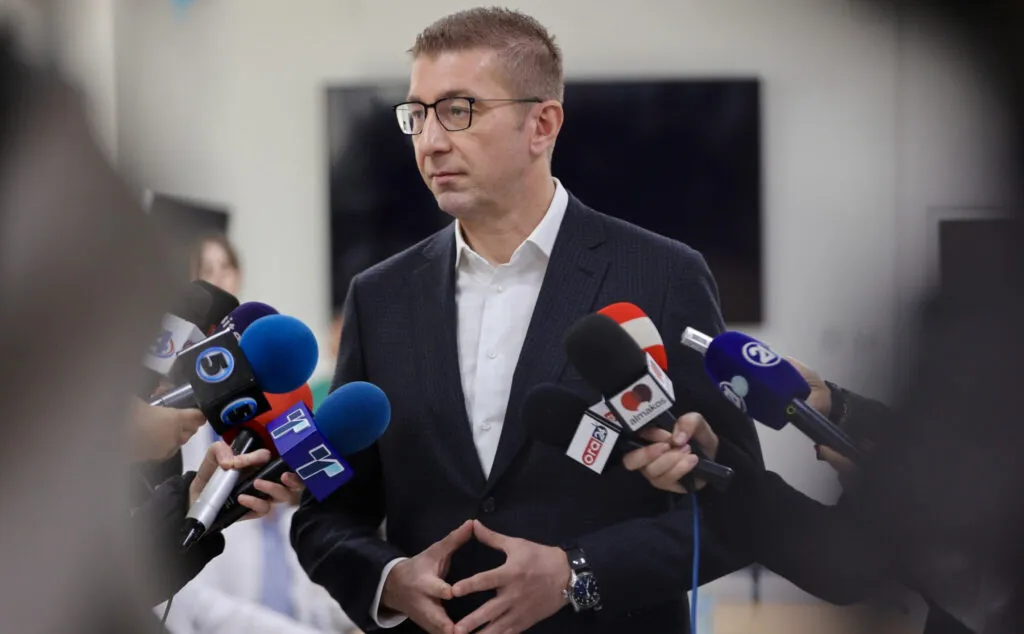
The police acted on their own knowledge, without the PM filing anything at all. The same mechanism exists for every...
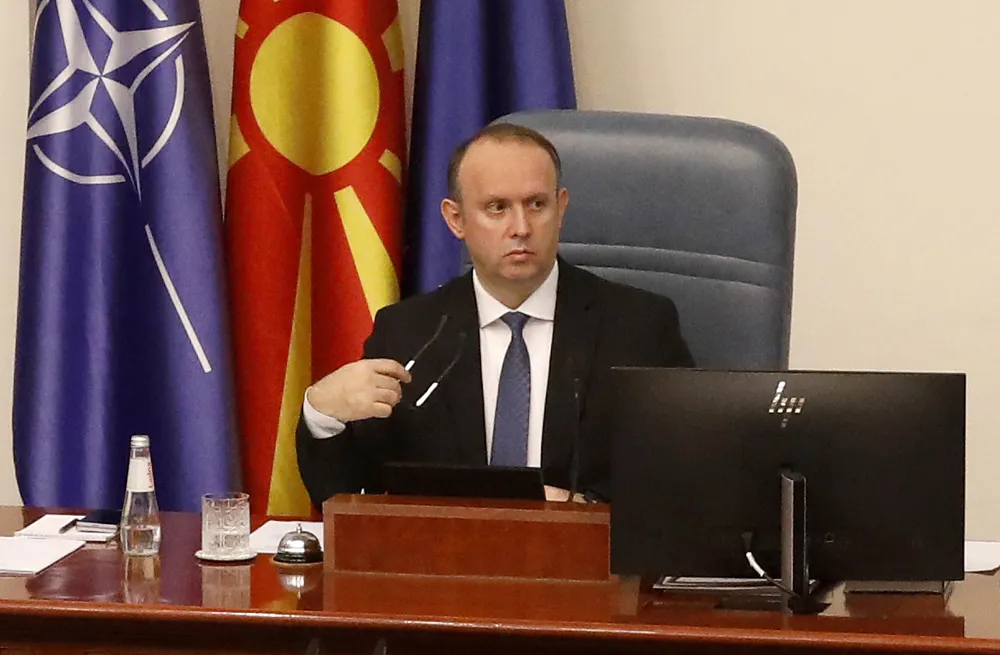
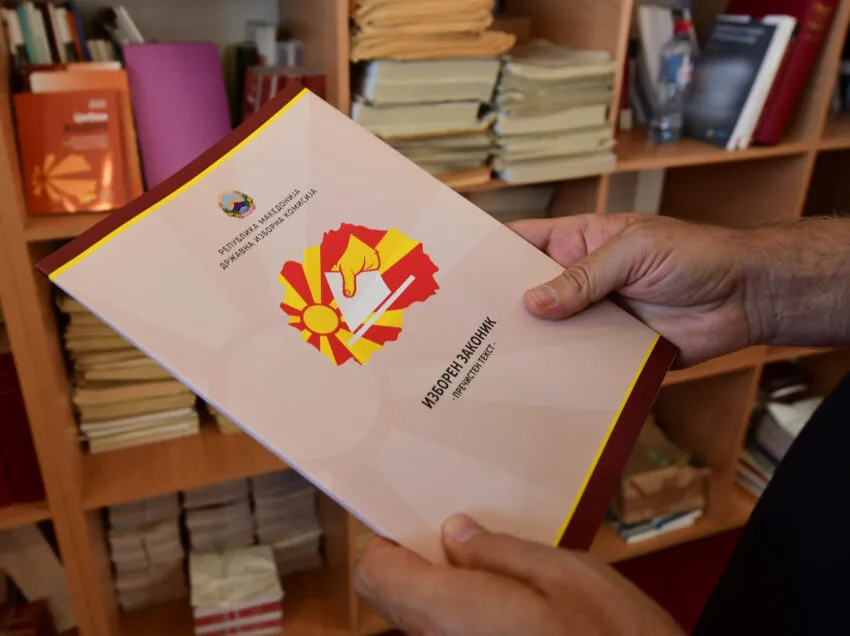
The Electoral Code is the one unfulfilled reform obligation, and the working group does not even know when it will...
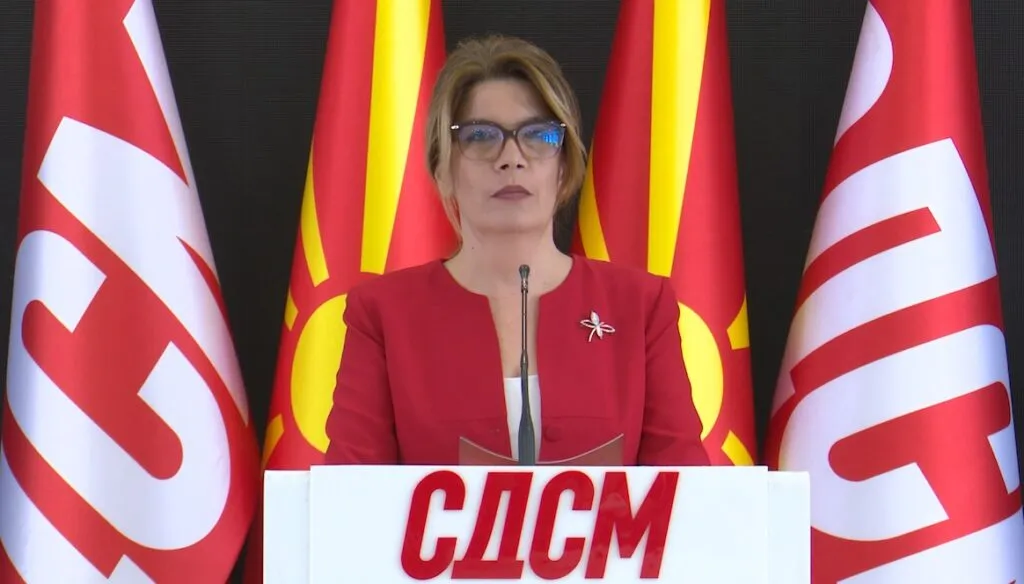
It was supposed to cost "zero denars". Now the opposition wants an investigation, and the timeline - David Guetta announced...

Five negations in one sentence, pension growth "16 times higher" with not a single figure beside it, and a third...
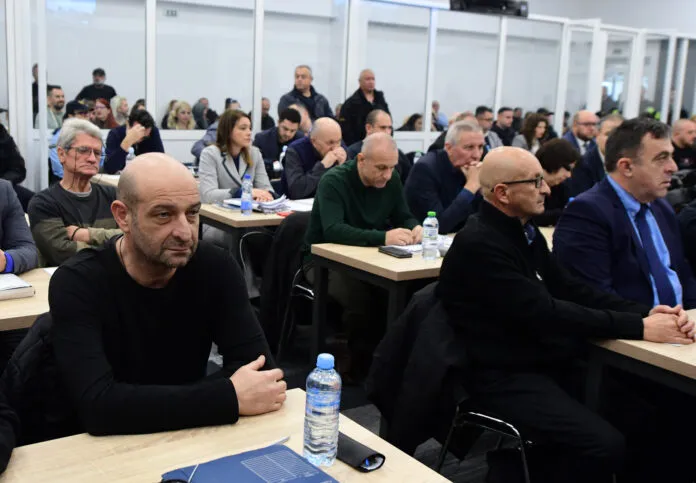
One side waits for a letter, another waits for a different commission, a third waits for consent. In those same...
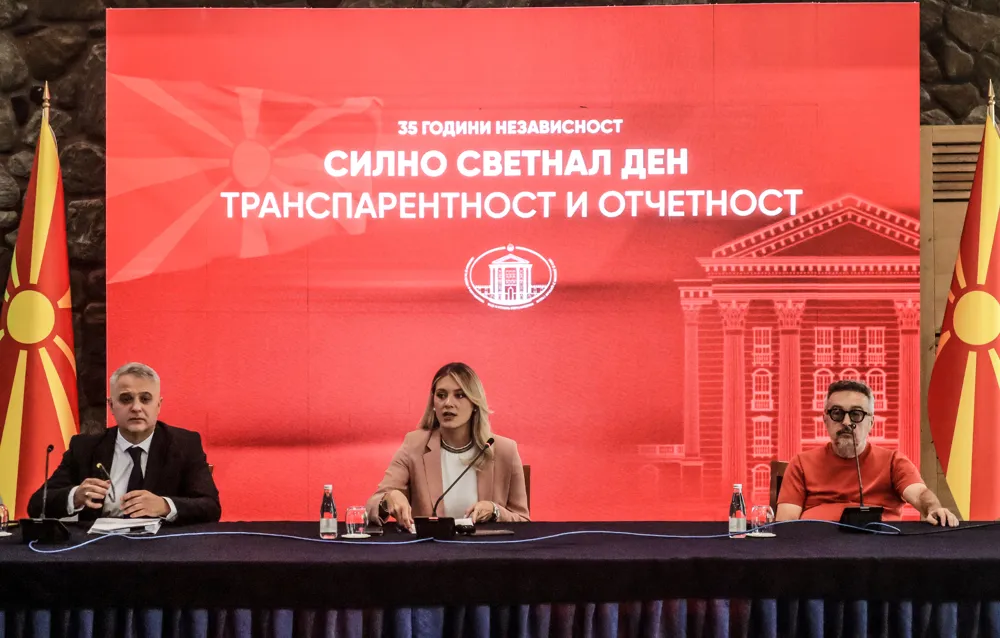
The commission's chairman says it only checked whether the documents were complete. The public call says something else entirely -...
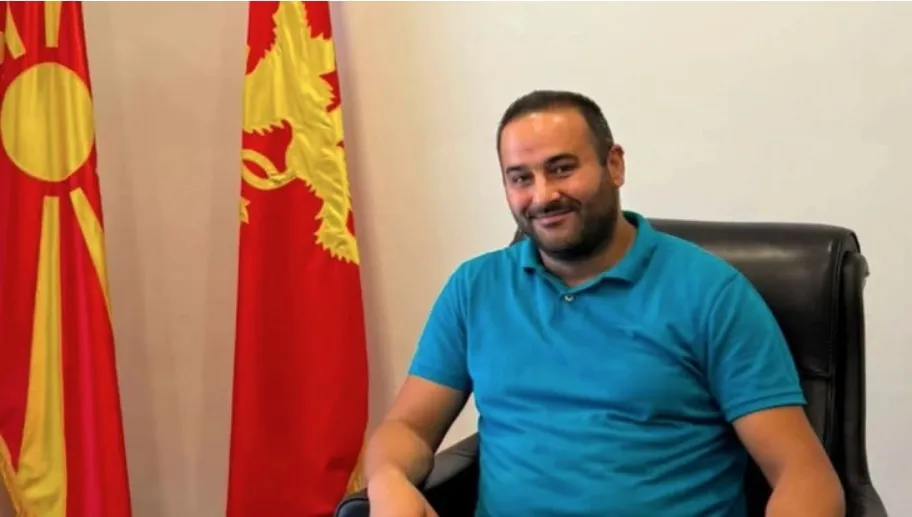
Three candidates, two of them lawyers, one of them employed by the very municipality he is running for. The line...
This site uses cookies - is that okay? Learn more
Be the first to know when Metla launches something new
Leave your email and we will write when there is a new guide or something new on Metla.