


Police officer from Drachevo drove without ever passing a driving test: Who checks the people who check everyone else?
18.10.2026


18.10.2026
18.10.2026
18.10.2026
18.10.2026
18.10.2026

18.10.2026

18.10.2026

18.10.2026

18.10.2026

18.10.2026

18.10.2026

17.10.2026
18.10.2026

18.10.2026

18.10.2026

18.10.2026

17.10.2026

16.10.2026

18.10.2026

18.10.2026

18.10.2026
18.10.2026

18.10.2026

18.10.2026
18.10.2026

18.10.2026

17.10.2026

17.10.2026

15.10.2026

13.10.2026

23.04.2026

23.04.2026

12.04.2026

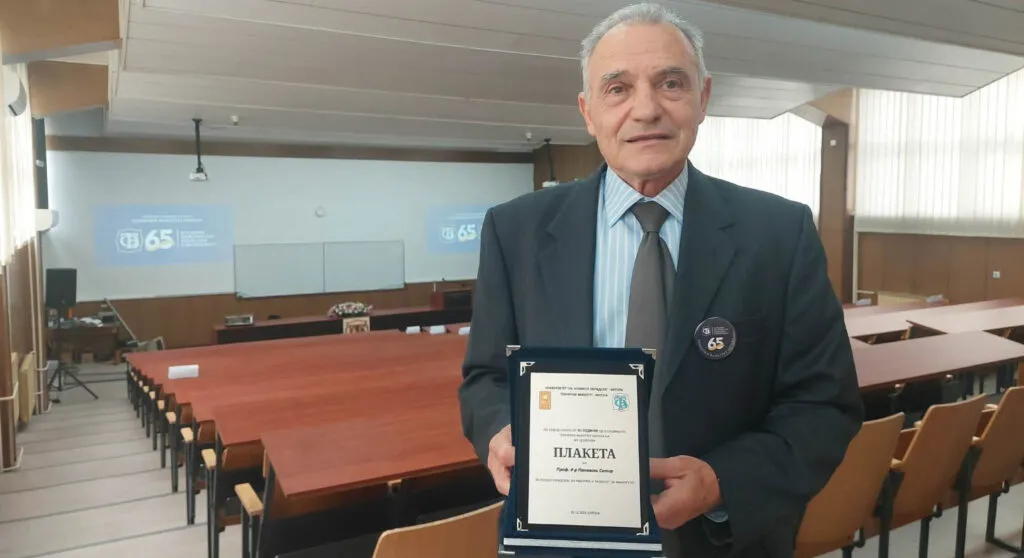
When Sotir Panovski arrived at the Technical Faculty in Bitola and suggested to an older colleague that they start publishing papers in scientific journals, the colleague looked up and asked: "And what's that?" Panovski tells the anecdote with a smile today - but it shows how long a road the institution has travelled; on 16 October it marked 65 years since the beginnings of engineering education in Bitola.
The story begins in 1961, with the Higher Technical School - 18 years before St. Clement of Ohrid University was founded. In 1977 the school grew into the Technical Faculty, and in 1979 it became a member of the newly formed university. The faculty is, as dean Mitko Kostov reminded the audience, older than the university it is part of today.
"A temple of engineering"
Panovski, a mechanical engineer, was the first professor hired at the faculty after it grew from a higher school into a university-level institution. He started in 1979, spent 37 years as a professor and retired in 2018. He leaves behind more than 250 graduation theses, over 35 master's theses and four doctoral dissertations supervised by him, along with more than 435 references. "I taught the future generations to love what they would be doing. To create, not just to calculate," he says. Today he meets his former students as company owners, directors and engineers.
Rector Igor Nedelkovski, who started his academic career right here and shared an office with Panovski, called the faculty "a temple of engineering". "All the major facilities around us, starting with REK, Strezhevo and the many factories, were built or run by engineers from this faculty," he said. The faculty is also where the Bitola university's first and so far only academician, Gligor Kanevche, comes from.
Growth in a time of outflow
Today the faculty offers seven first-cycle study programmes, with about 40 professors, 10 laboratories and six computer classrooms. The most interesting number came from the dean: in the last four or five years enrolment has grown by 10 percent - at a time when there are fewer and fewer secondary school graduates and many leave to study abroad.
That's rare good news. The question is whether Bitola and Pelagonia will have the industry to keep the engineers the faculty produces - or whether it will be training them for other people's markets.
The latest 10 news from this category
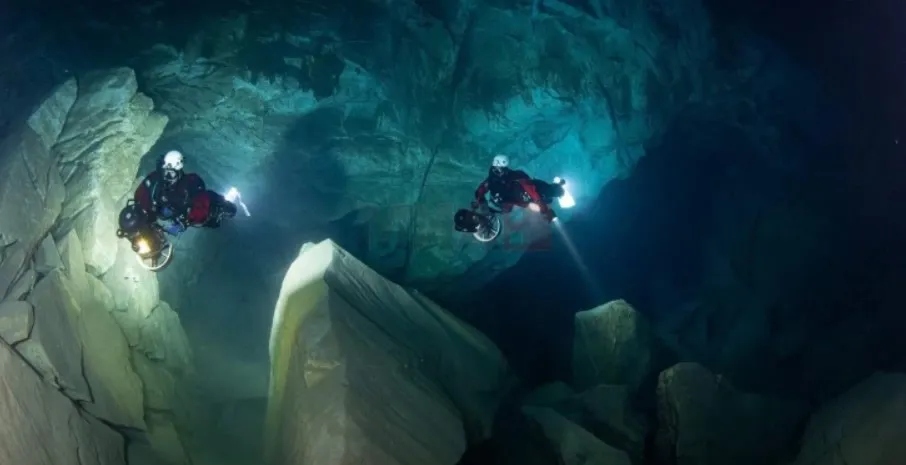
An international team of divers explored the cave to 338 metres and lifted Matka from third to first place on...
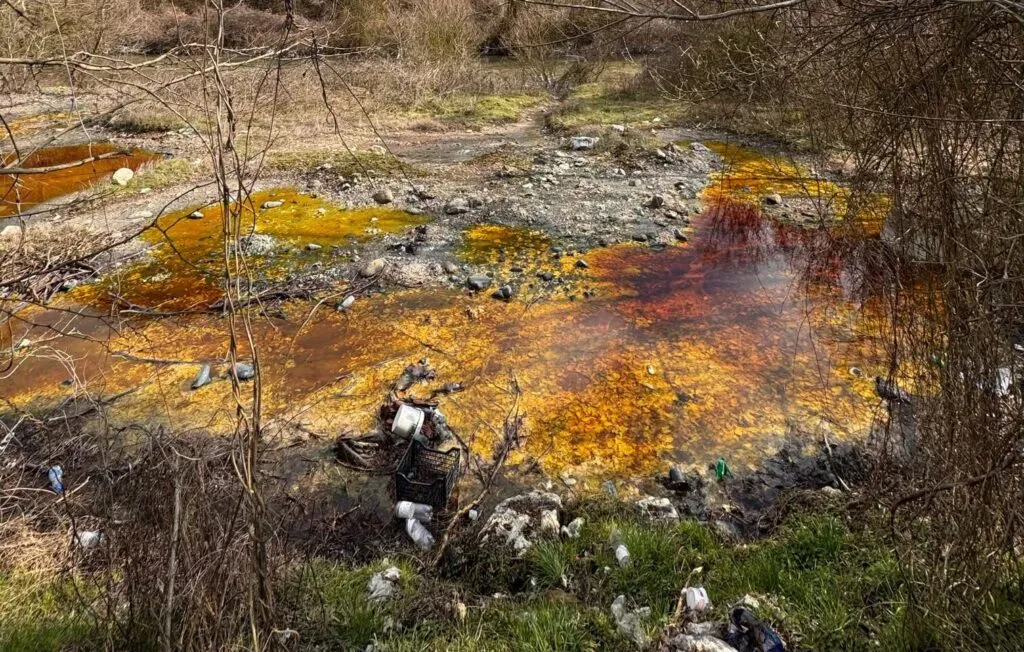
Amendments to the Environment Law deleted the provisions on contaminated areas, and the new soil law, although drafted, still hasn't...

The city says it cancelled the contract with Mastef to avoid a double procurement after a ruling in favour of...
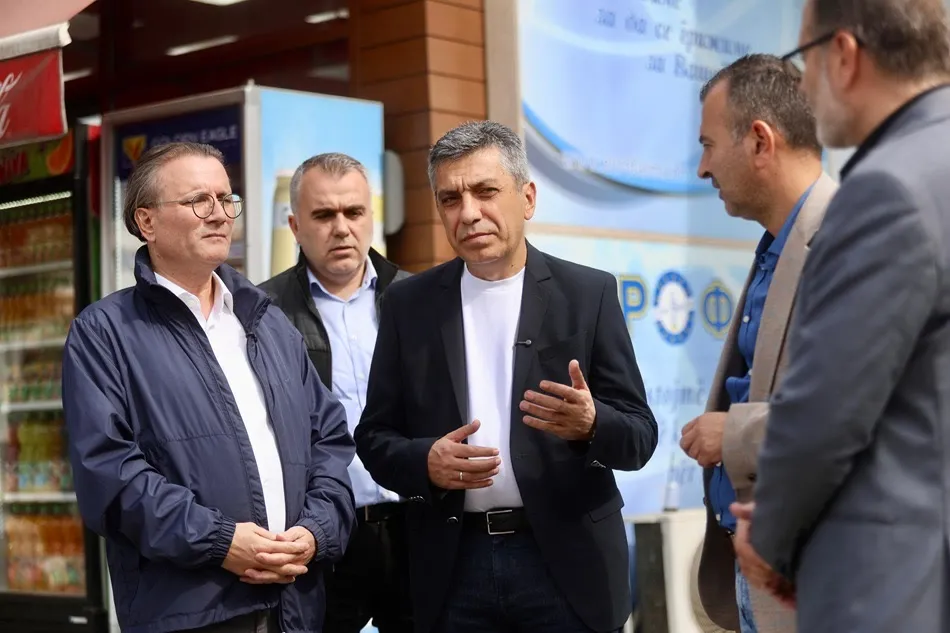
The mayor of Chair praised the heritage of Skopje's Old Bazaar and inspected the master plan projects with Turkish urban...
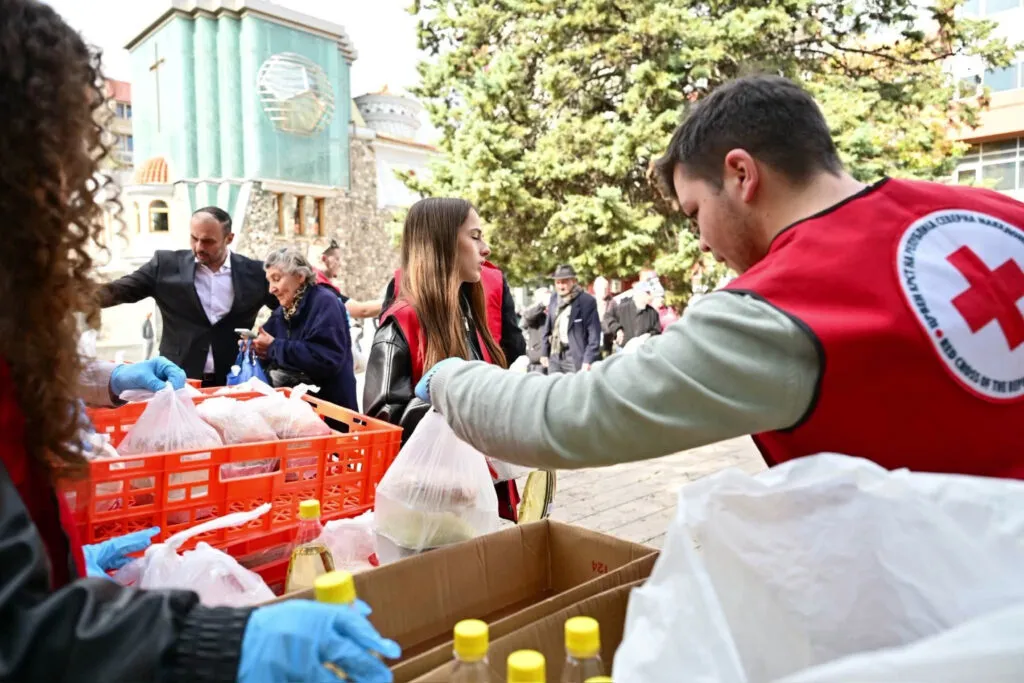
Mayor Orce Gjorgjievski said solidarity should be an everyday obligation. The heavy part of that obligation is already being carried...
Mayor Dejan Prodanoski announced the works with a video on social media. The price, the contractor and the deadline weren't...
A completely new road surface, retaining walls and pavements on part of the street, and asphalt on Jakim Stojkovski street...
Zoladex is missing again, Phesgo arrived late, and breast cancer patients went home without their therapy. The clinic points to...
The 10-million-euro contract gave the contractor 36 months, longer than the mayor's own promise. Skopje has had no amusement park...
The October runs are gloomier than September's, especially for southern Europe and the Balkans. That doesn't mean a winter without...
This site uses cookies - is that okay? Learn more
Be the first to know when Metla launches something new
Leave your email and we will write when there is a new guide or something new on Metla.


