


Police officer from Drachevo drove without ever passing a driving test: Who checks the people who check everyone else?
18.10.2026


18.10.2026

18.10.2026

18.10.2026
18.10.2026
18.10.2026

18.10.2026

18.10.2026

18.10.2026

18.10.2026

18.10.2026

18.10.2026

17.10.2026

18.10.2026
18.10.2026

18.10.2026

18.10.2026

17.10.2026

16.10.2026

18.10.2026

18.10.2026

18.10.2026

18.10.2026

18.10.2026

18.10.2026
18.10.2026

18.10.2026

17.10.2026

17.10.2026

15.10.2026

13.10.2026

23.04.2026

23.04.2026

12.04.2026

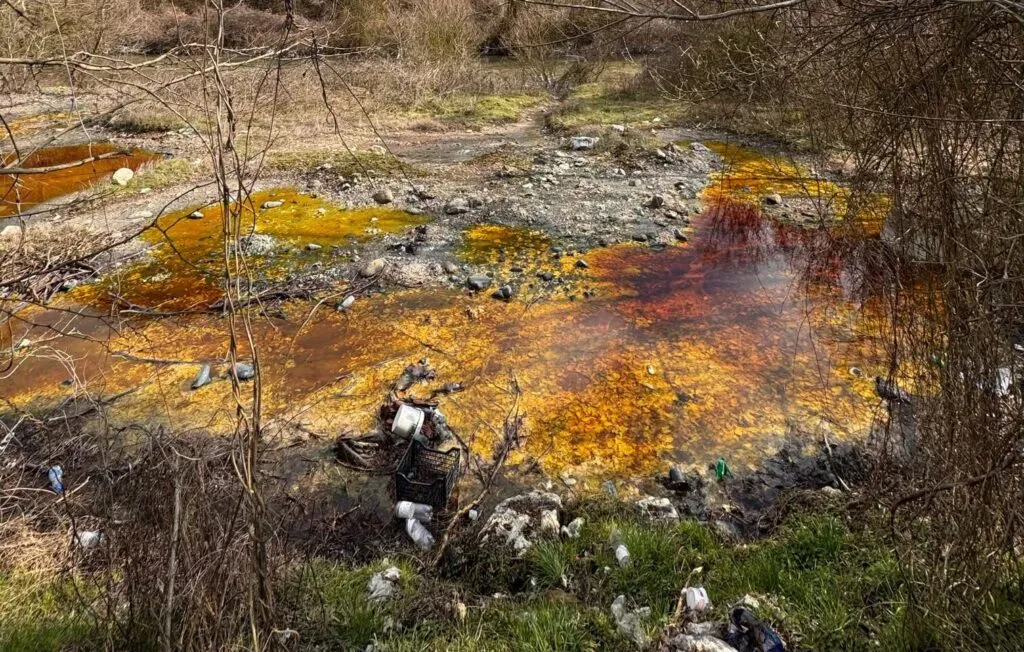
Macedonia has at least 13 sites with historic soil pollution - from OHIS in Skopje, through the smelter in Veles and the Lojane mine, to Jugohrom in Jegunovce. And since recently there's no law governing what is done with them. The latest amendments to the Environment Law deleted the provisions on managing contaminated areas, while the new Soil Protection Law is still sitting in a drawer.
That's the warning from the organisation Eko-svest, which on 16 October asked the Ministry of Environment and Physical Planning to urgently publish the draft law on ENER, the national register of draft legislation, and open a public consultation. According to them, the text has already been drafted by external experts and submitted to the ministry. The next step is simply to publish it - a step that, so far, isn't happening.
What lies in the soil
The list of hotspots is long and well known. At OHIS, the problem is waste contaminated with lindane, an insecticide from the HCH group; the ministry and international partners are working on removing waste from the small landfill, while the large one remains a separate challenge. Around the former lead and zinc smelter in Veles, scientific studies have found elevated concentrations of lead, cadmium, zinc, arsenic and mercury - at some of the sites tested, cadmium was three times and lead and zinc twice the reference intervention values under the Dutch standards used in the study.
At Lojane, the former arsenic and antimony mine, research has documented pollution of the soil, sediments and groundwater, and scientists warn that the residues are a potential source of pollution for the area between Lojane, Vaksince and Tabanovce. Also on the list are the Sasa, Zletovo, Toranica and Buchim mines, as well as Jugohrom. Older state documents, meanwhile, recorded as many as 16 industrially contaminated sites, depending on the scope of the inventory.
Polluted, but unprovable
This is the heart of the problem. As Professor Stafilov warns, Macedonia has limits for metals in vegetables, but no standard for permitted levels in soil. Without a law with limit values, polluted land can't legally be treated as a hotspot, the polluter can't be sanctioned, and an environmental lawsuit has nothing to stand on. The soil can be full of arsenic - and the state has no instrument to formally establish it.
Lead that damages the brain and nervous system in children, cadmium classified as a carcinogen, arsenic linked to several types of cancer - these aren't abstract terms, but substances that can escape industrial complexes through dust, irrigation water and food. The World Health Organization states that no level of lead exposure has been identified as completely safe.
The law is written. The experts have done their job. The question remains: why is the ministry waiting, and how many more years do the people of Veles, Lojane and Jegunovce have to live next to hotspots for which the state officially doesn't even have rules?
The latest 10 news from this category

An international team of divers explored the cave to 338 metres and lifted Matka from third to first place on...

The city says it cancelled the contract with Mastef to avoid a double procurement after a ruling in favour of...
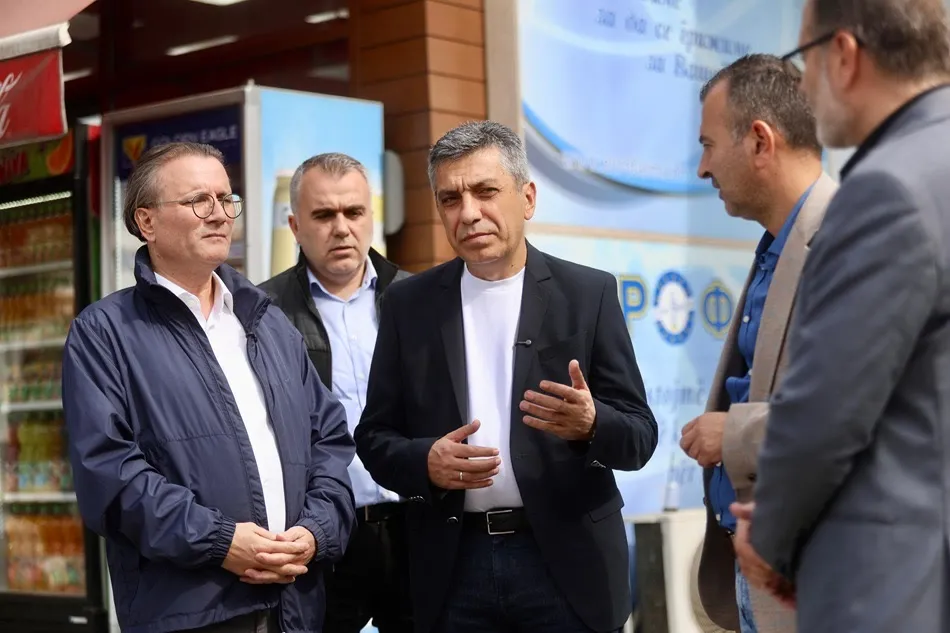
The mayor of Chair praised the heritage of Skopje's Old Bazaar and inspected the master plan projects with Turkish urban...
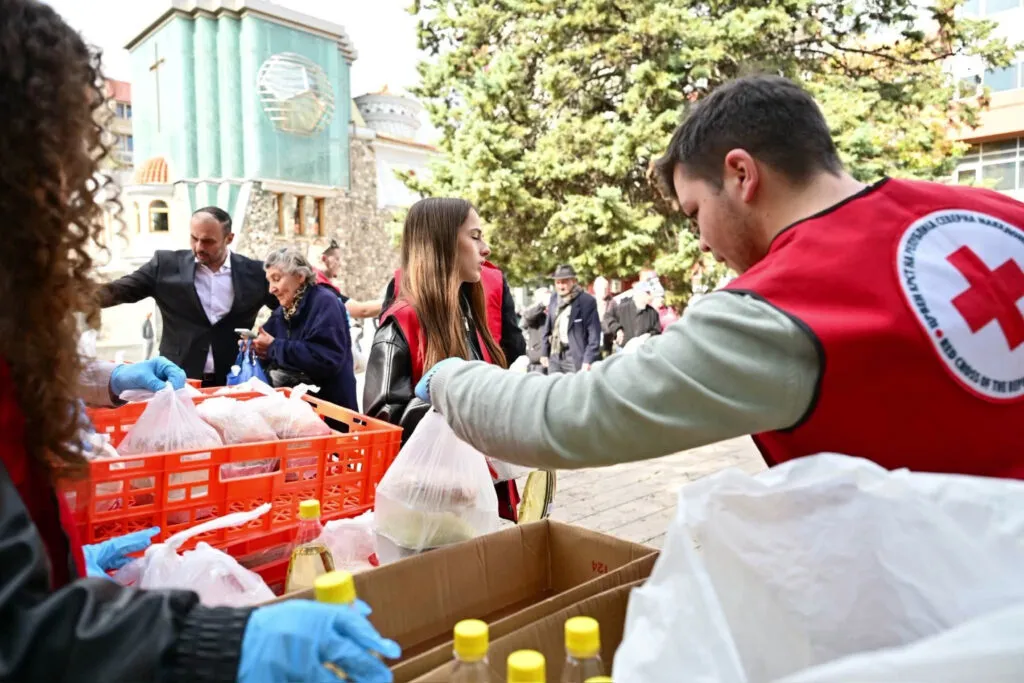
Mayor Orce Gjorgjievski said solidarity should be an everyday obligation. The heavy part of that obligation is already being carried...
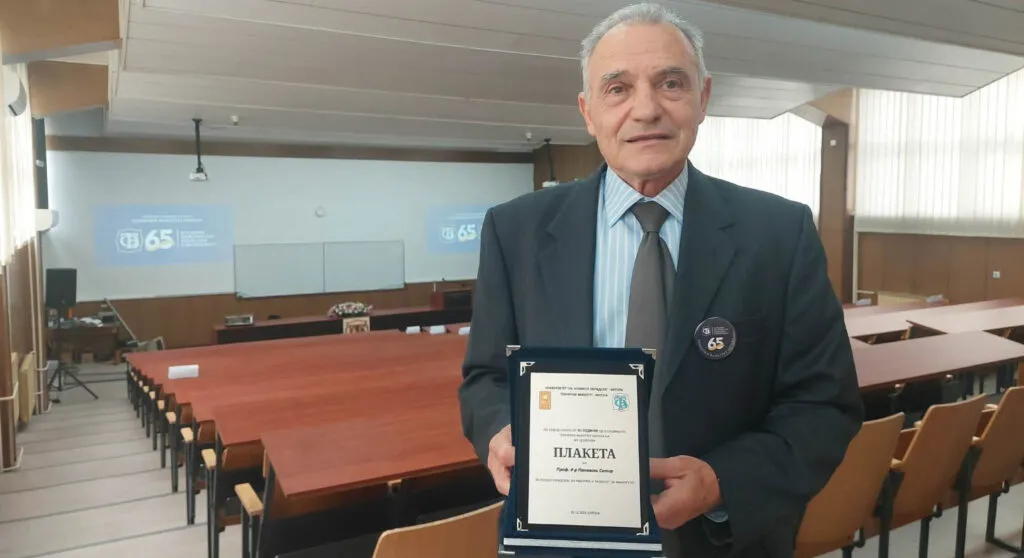
Sotir Panovski, the faculty's first professor, supervised over 250 graduation theses. The faculty, older than the university itself, is seeing...
Mayor Dejan Prodanoski announced the works with a video on social media. The price, the contractor and the deadline weren't...
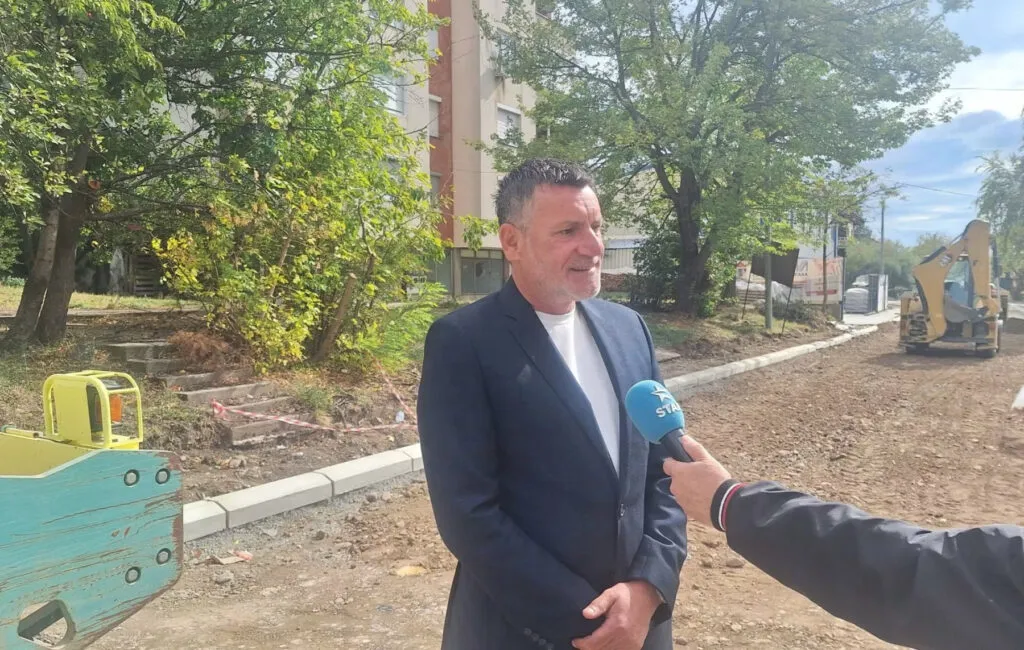
A completely new road surface, retaining walls and pavements on part of the street, and asphalt on Jakim Stojkovski street...
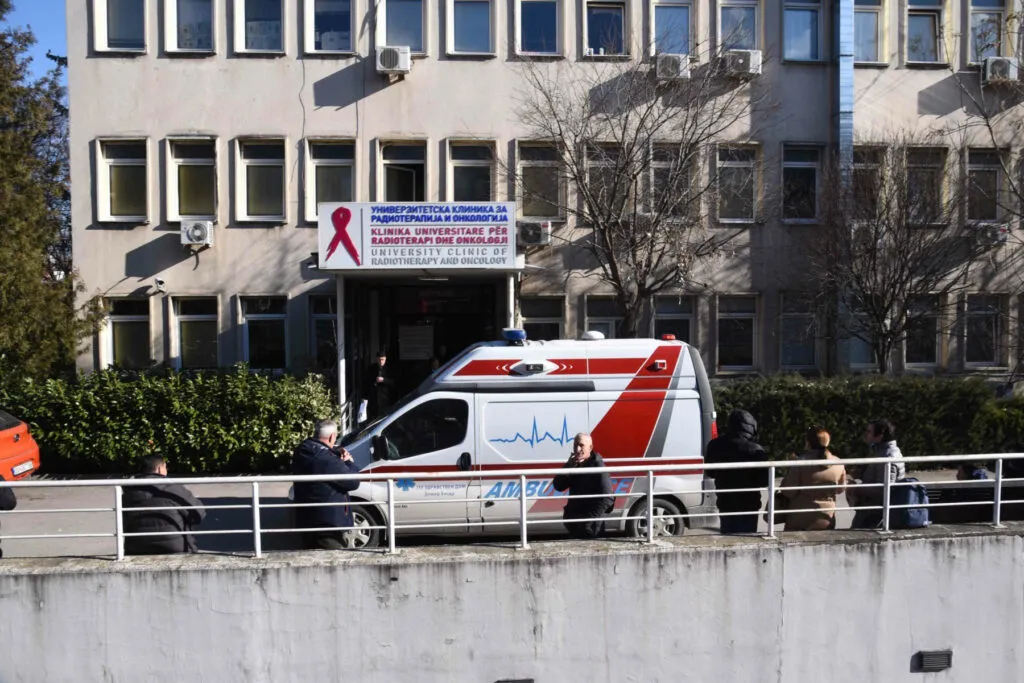
Zoladex is missing again, Phesgo arrived late, and breast cancer patients went home without their therapy. The clinic points to...
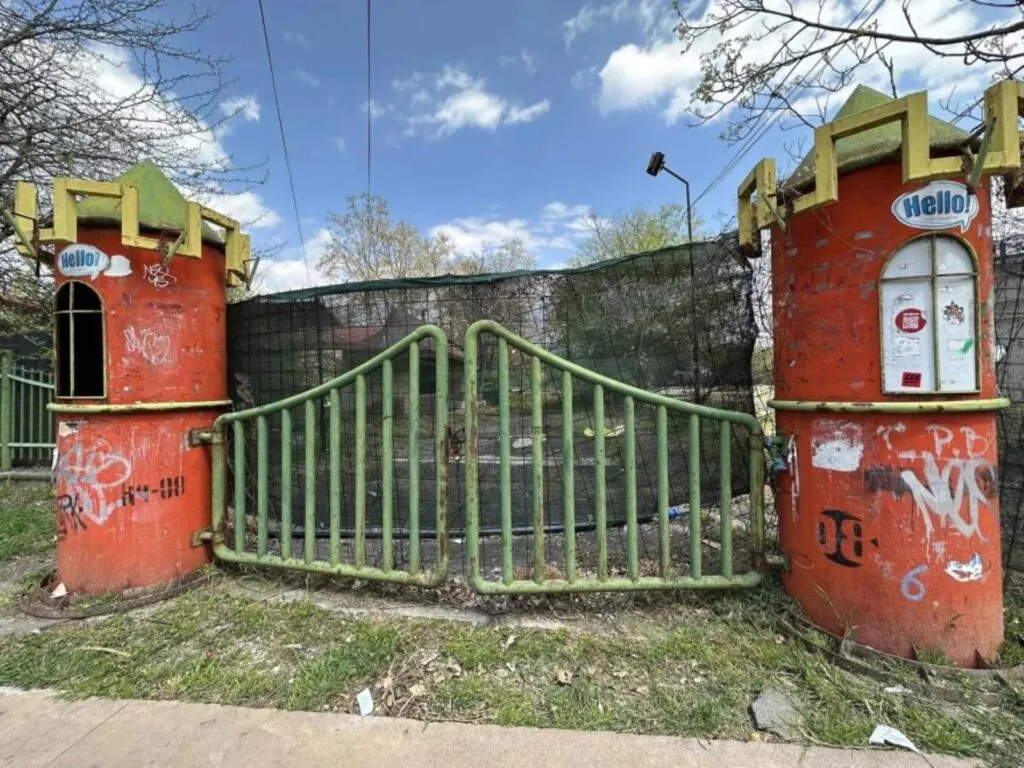
The 10-million-euro contract gave the contractor 36 months, longer than the mayor's own promise. Skopje has had no amusement park...
The October runs are gloomier than September's, especially for southern Europe and the Balkans. That doesn't mean a winter without...
This site uses cookies - is that okay? Learn more
Be the first to know when Metla launches something new
Leave your email and we will write when there is a new guide or something new on Metla.


