
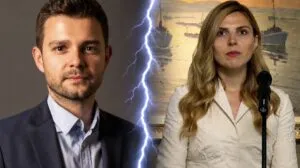
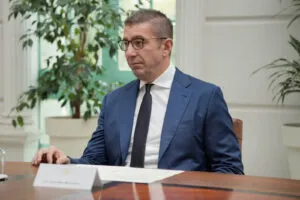
The Mihailova Case Goes to NATO: Mickoski Blames Sofia, and the Interior Ministry Still Hasn't Explained How She Crossed the Border
17.10.2026


17.10.2026
17.10.2026
17.10.2026
17.10.2026
17.10.2026
17.10.2026

17.10.2026

16.10.2026

15.10.2026

17.10.2026

17.10.2026

16.10.2026

17.10.2026

17.10.2026

17.10.2026

17.10.2026

16.10.2026

15.10.2026

17.10.2026

17.10.2026

17.10.2026

17.10.2026

17.10.2026

17.10.2026

17.10.2026

16.10.2026

15.10.2026
15.10.2026

13.10.2026

12.10.2026

23.04.2026

23.04.2026

12.04.2026

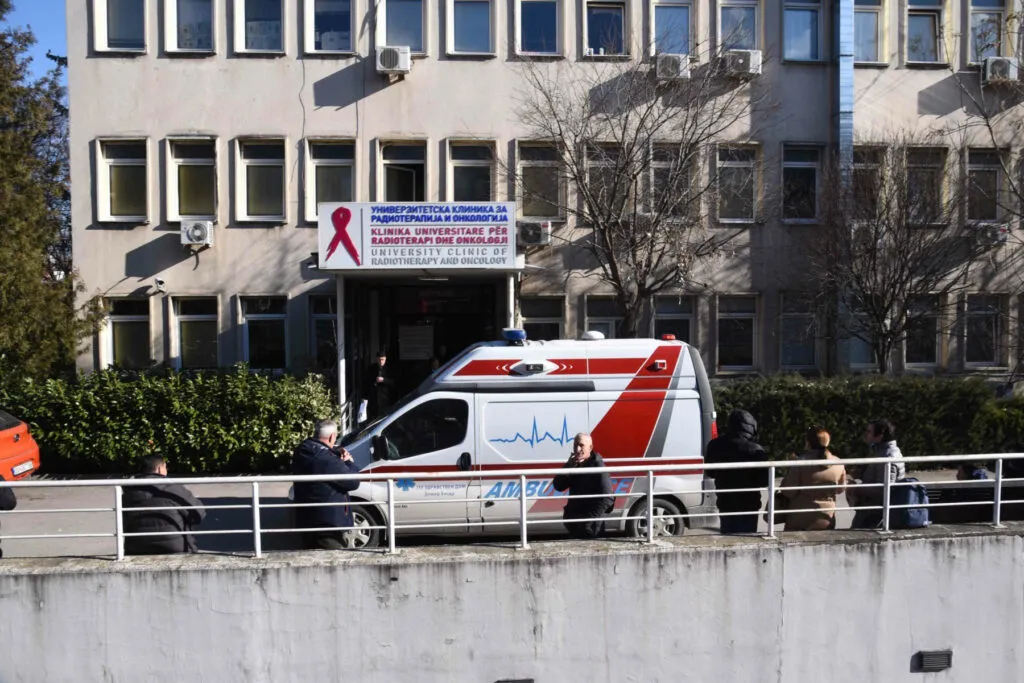
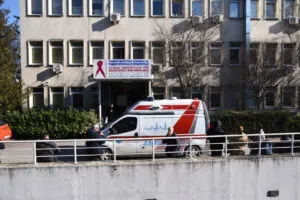
The University Clinic of Radiotherapy and Oncology has once again run short of the drug Zoladex, and some patients left without receiving their therapy. The clinic's director explains that the distributor is delivering the drug in small quantities and expects it to be available from Monday.
At the same time, a second delay happened. Patients who were due to receive Phesgo, a therapy used for certain forms of HER2-positive breast cancer, were sent back because the drug wasn't delivered on time. The clinic issued a public apology. "We want to clarify that the delay is the result of problems in the distribution and delivery of the drug, which are outside the clinic's direct control," the statement says.
The statement on Phesgo doesn't say how many patients are affected, when the drug will arrive or when regular therapy will resume. That's no small thing. For cancer patients, regularity isn't an administrative matter, it's part of the treatment itself, which the clinic admits when it writes that it is aware of "how important timely and continuous therapy is."
"Outside our direct control" is a phrase that sounds reasonable until you ask whose control it is, then. Procuring and distributing medicines isn't bad weather. Someone signed the contracts, someone tracks the deliveries, and someone ought to know the drug won't arrive before the patient shows up for therapy.
The shortage comes just as the Ministry of Health announces that cancer care has been put on the table at the highest level for the first time, at a Government meeting held at the initiative of the patients' association Hema-Onko. The minister says there has been improvement in securing therapy, but admits weaknesses in other areas, such as radiotherapy, whose availability, according to him, is about three times lower than the European average.
Decentralising cancer therapy has been announced by several ministers for years, and there's still no firm date. Until then, the patients keep getting one explanation: the problem is distribution. How many times does that explanation have to be repeated before someone finally answers for it?
The latest 10 news from this category
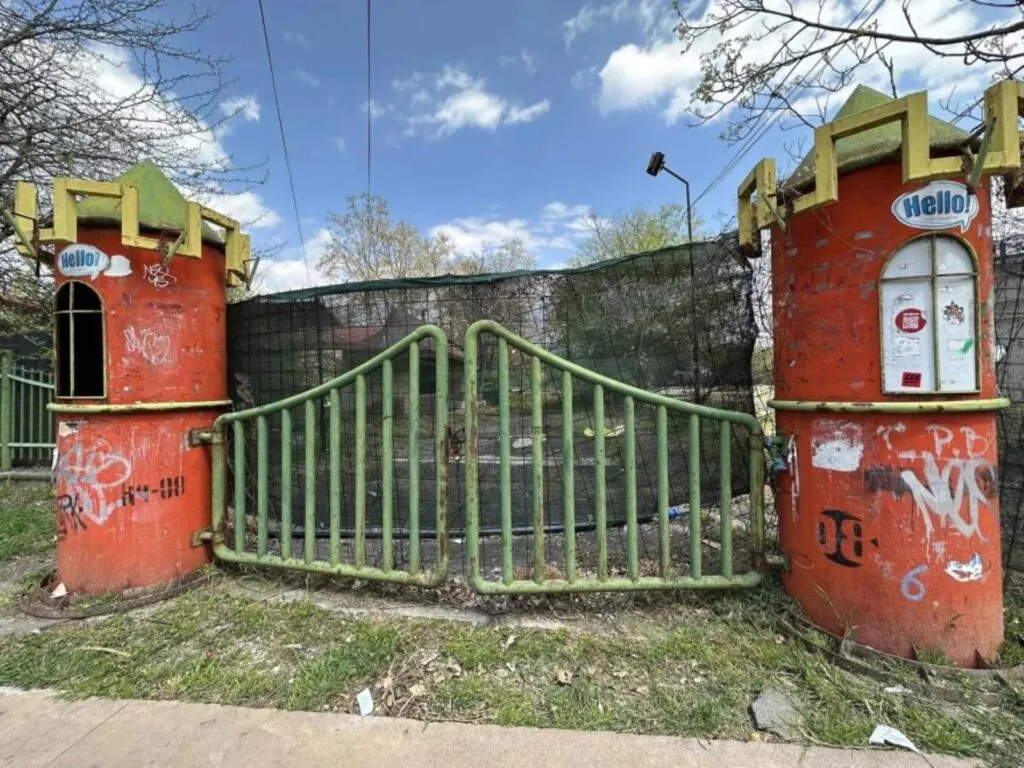
The 10-million-euro contract gave the contractor 36 months, longer than the mayor's own promise. Skopje has had no amusement park...
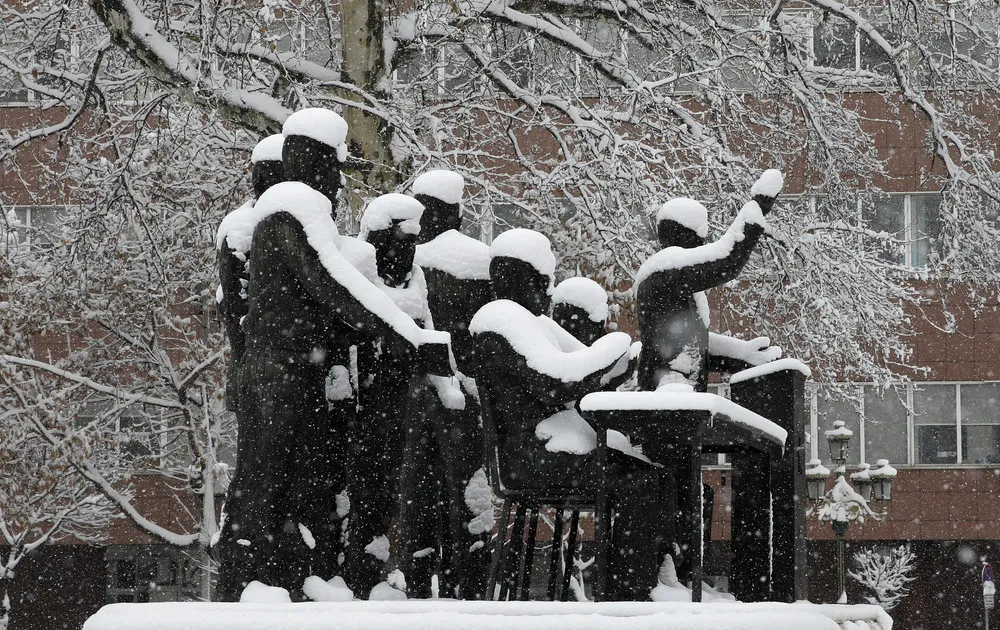
The October runs are gloomier than September's, especially for southern Europe and the Balkans. That doesn't mean a winter without...
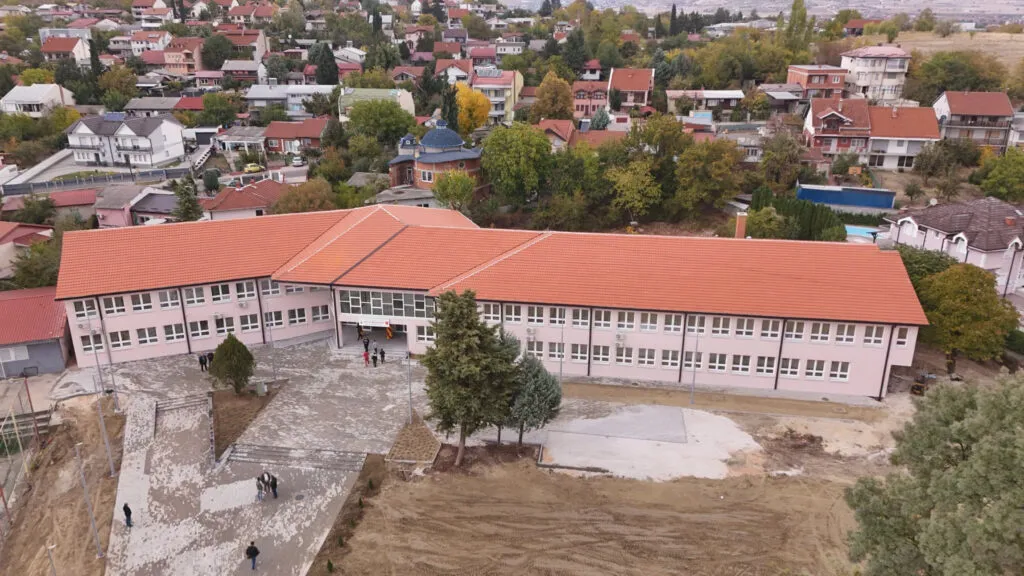
For decades, children in Chento studied in barracks, in conditions the PM himself calls substandard. The new building opened with...
Rebuilt local roads, new car parks and 650,000 denars less spent on an outside lawyer. The biggest number in the...
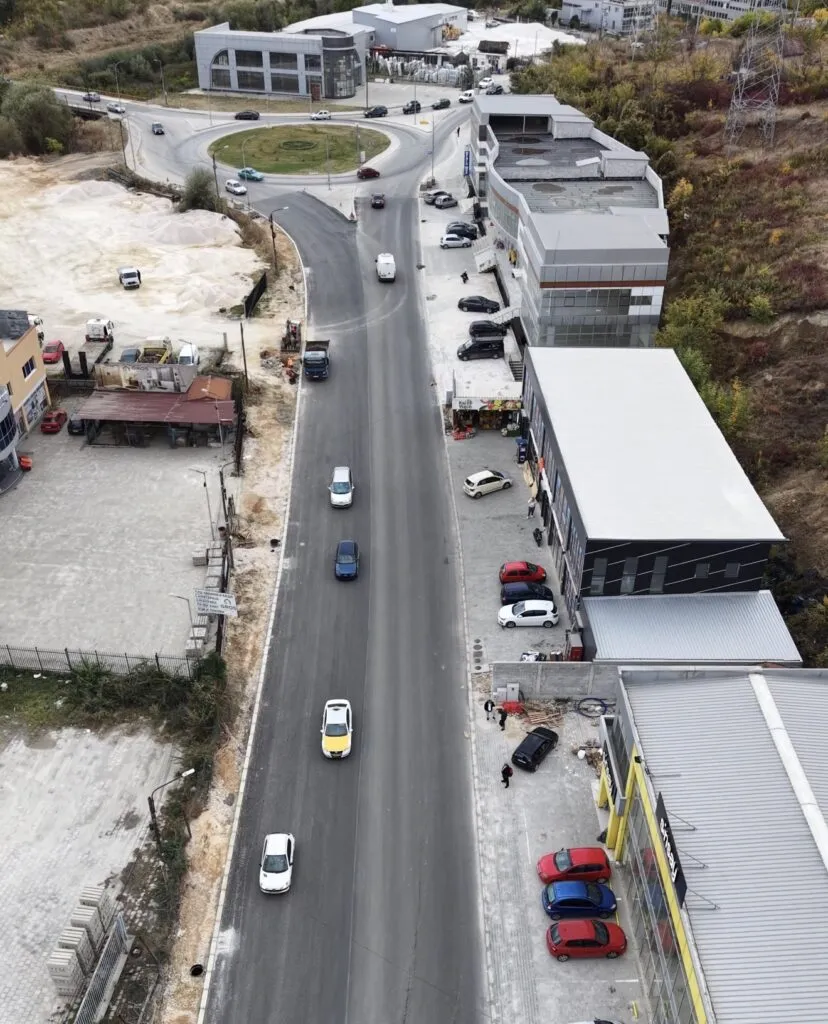
The mayor says works are ahead of schedule and that over 100,000 residents will get a modern boulevard. The real...
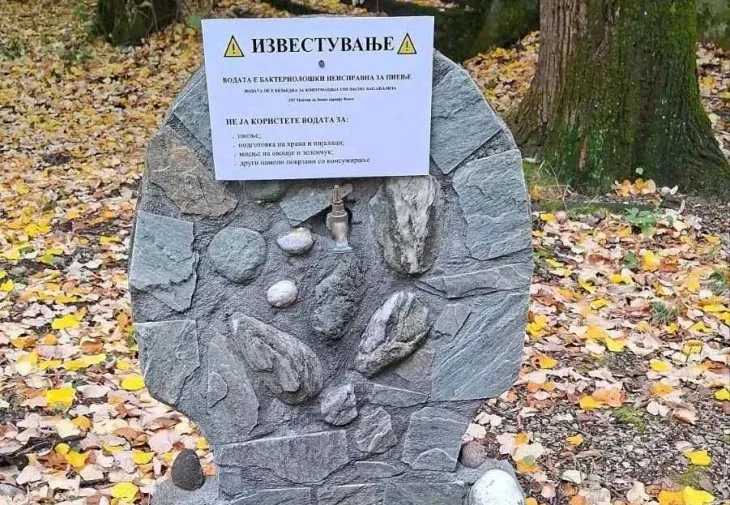
Signs on stone and an appeal not to drink. But what about the water supply in Smrdliva Voda - the...
Mayor Jovanovski is boasting about savings. But if school transport suddenly costs half as much, someone needs to explain why...
Somewhere between four and ten thousand blind and partially sighted people - that's how precisely the state counts them. On...
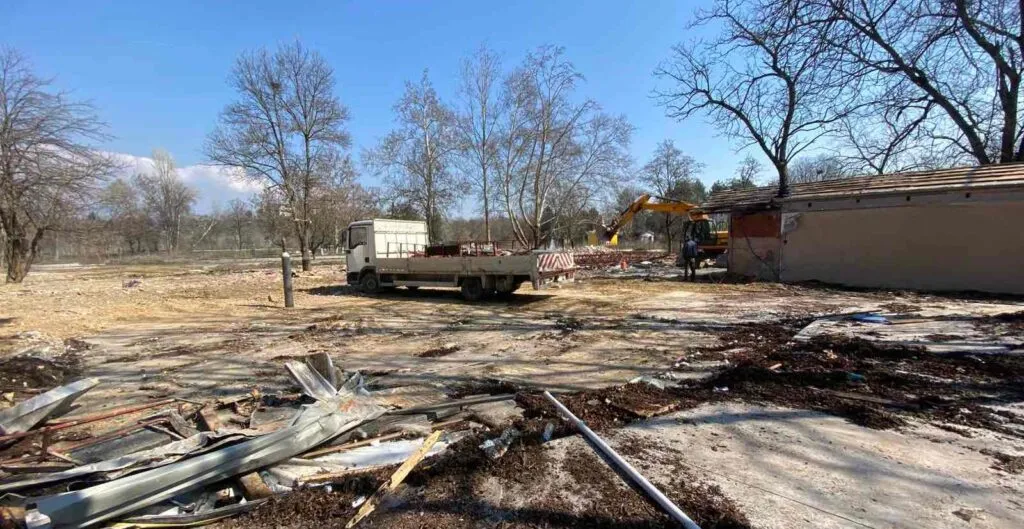
December: "one of the best in the region". May: a 10-million-euro contract. By August: cancelled, over a court case about...
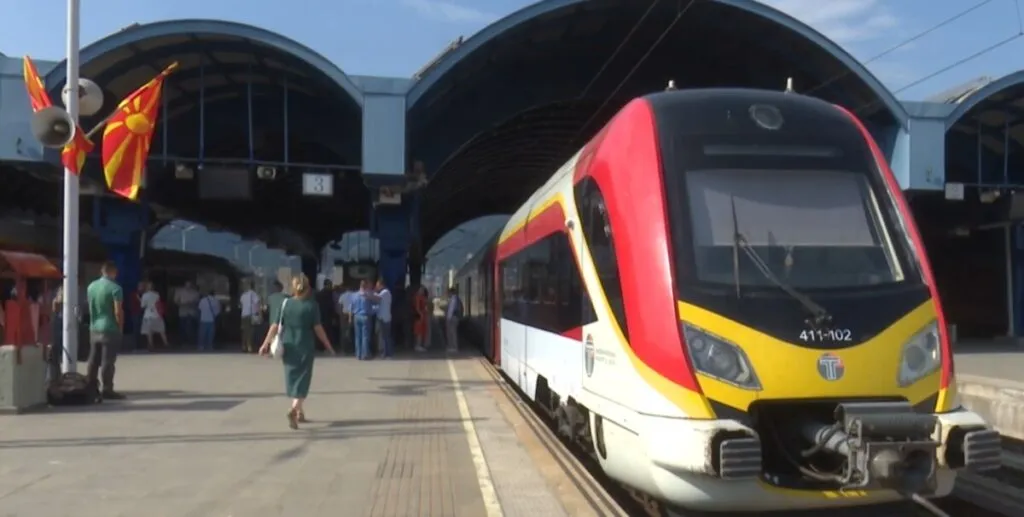
A passenger isn't a car, and 150 electric buses aren't the 250 Skopje asked for. The minister calls criticism of...
This site uses cookies - is that okay? Learn more
Be the first to know when Metla launches something new
Leave your email and we will write when there is a new guide or something new on Metla.


