
Six Years of Fake Licence Categories Issued From an Interior Ministry Desk: Six Charged, 21 More Under Investigation
21.09.2026


21.09.2026

21.09.2026

21.09.2026

21.09.2026

21.09.2026

21.09.2026

21.09.2026

20.09.2026

20.09.2026

21.09.2026
21.09.2026

20.09.2026

21.09.2026

21.09.2026

21.09.2026

21.09.2026

20.09.2026

19.09.2026

21.09.2026

21.09.2026
21.09.2026

21.09.2026

21.09.2026

21.09.2026

09.03.2026

27.02.2026

19.02.2026

21.09.2026

21.09.2026

20.09.2026

23.04.2026

23.04.2026

12.04.2026

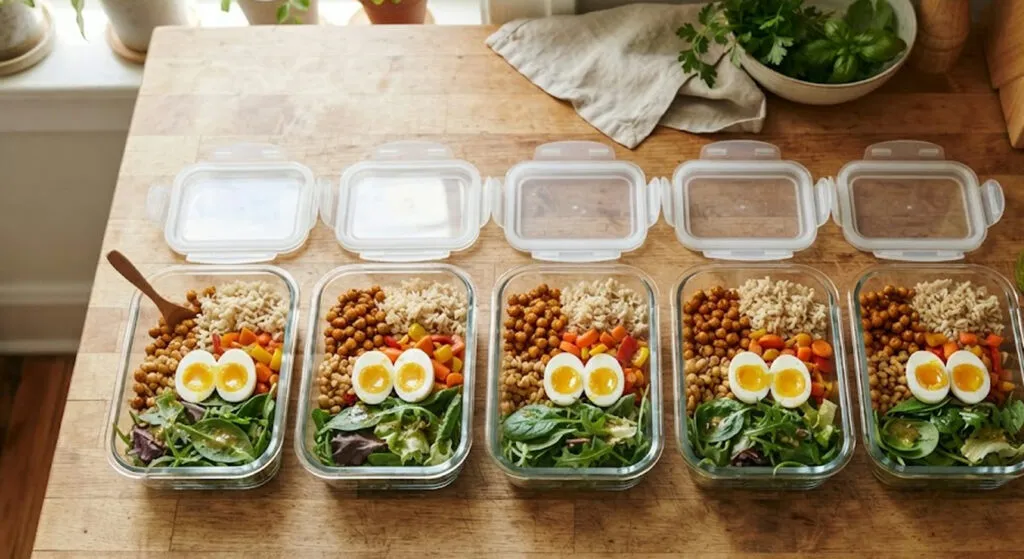
Yes, we know. The weekend arrives and the last thing anyone wants is to spend several hours in the kitchen cooking for the entire week ahead. There are people for whom that is rest, a way to switch off. For many others it is one more obligation. But this is like the gym: nobody is mad about it, and the benefits afterwards are so obvious that the effort pays for itself. Cooking ahead for the week - what the world calls batch cooking - saves time every day and, more importantly, decides what you will eat before hunger decides for you. Eating well is a question of planning: without a plan you improvise, and improvisation rarely ends in lentils.
September is the month the habit comes back, so the basics are worth repeating. There are two schools, and they do not exclude each other. The first: cook components separately, then combine them in a few minutes on the day you eat. The second: cook complete dishes, store them in boxes in the fridge or freezer, and simply reheat. The first gives far more variety - two or three components make a dozen different meals. The second is "heat and done". Whoever picks the second should know that not every dish survives several days in the fridge, and even fewer survive freezing.
Whichever school, everything starts before the apron goes on. Decide exactly what you are cooking, write the shopping list from that, but first look at what you already have at home. Then cook efficiently: while the chicken roasts in the oven, eggs boil on one ring and vegetables blanch on another. Three things at once, and the afternoon gets shorter.
The components for the first school are simple. Grains of your choice - quinoa, rice, pasta, wholegrain where possible - cooked and put away in boxes. Boiled or roasted potatoes, or sweet potato for whoever prefers it. Proteins: chicken roasted with herbs, boiled turkey, minced meat cooked with spices, steamed salmon, all cut up and stored. Boiled eggs in the fridge, always. Legumes - chickpeas, lentils, beans - cooked or bought ready, and if you want flavour, roast the chickpeas with a little oil and paprika and you already have a salad topping. Tofu marinated in soy, oil and garlic. Fresh vegetables washed, peeled and cut: carrots, peppers, cucumber, celery, plus bags of lettuce and rocket for quick assembly.
And here is the step everyone skips: blanching. Drop the vegetables into boiling water for one to two minutes, cool them in iced water, then freeze. That way you have vegetables on hand for a quick stir-fry with rice, no defrosting. Or make a pepper-and-aubergine base with courgette and tomato that lasts the whole week.
What saves you from monotony is the dressing. The same components with a vinaigrette, with a yoghurt-and-herb sauce, with pesto or with hummus are four different lunches. Components can be stored already combined, but the lettuce and the dressing go in on the day you eat. For the second school, the full boxes, dishes with sauce work well - legume and vegetable stews, curries, even cream soups, though those are better in the fridge, since freezing ruins the texture. The boxes should be transparent, airtight and stackable, divided into single portions, with a label and a date stuck on. It sounds like a warehouse. But on a Thursday evening, when you open the fridge and lunch is already there, the warehouse is the best idea of the week.
The latest 10 news from this category
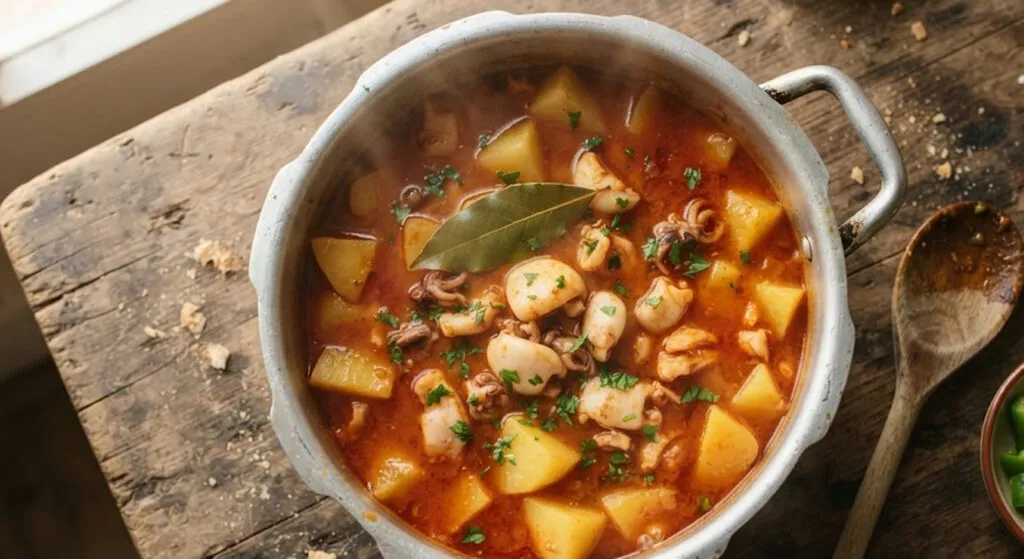
The cuttlefish goes in before the potatoes - the other way round and you get potato in water with pieces...
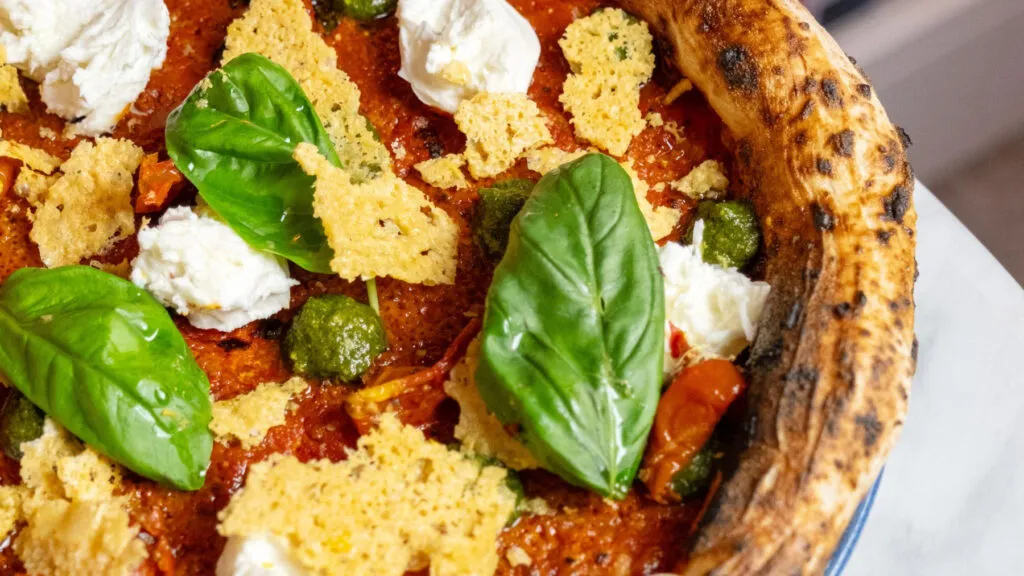
An Italian guide, a gala in Naples, first place for a London restaurant. Spain gets six entries - but only...
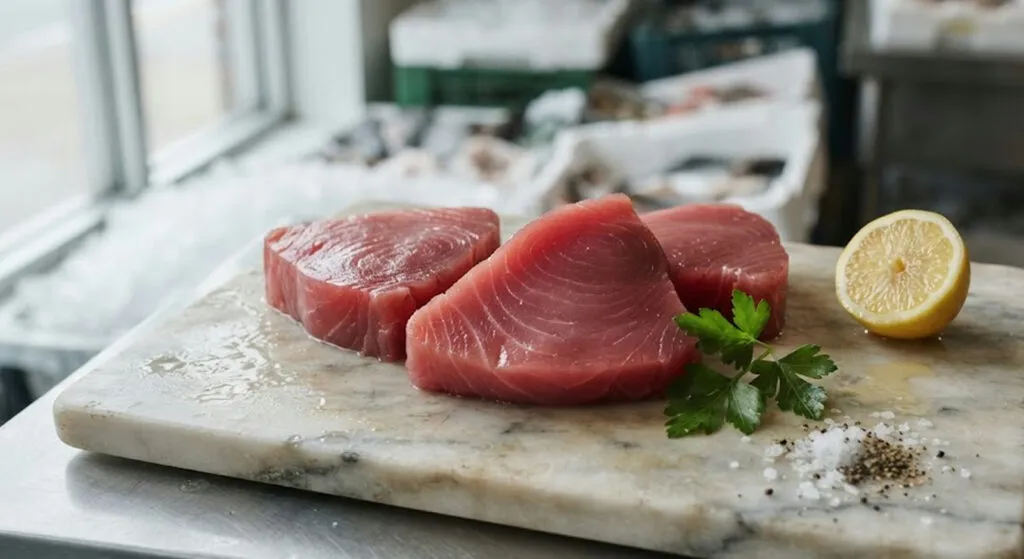
It is caught with hook and line, not with nets, and you can taste that on the plate. The three...
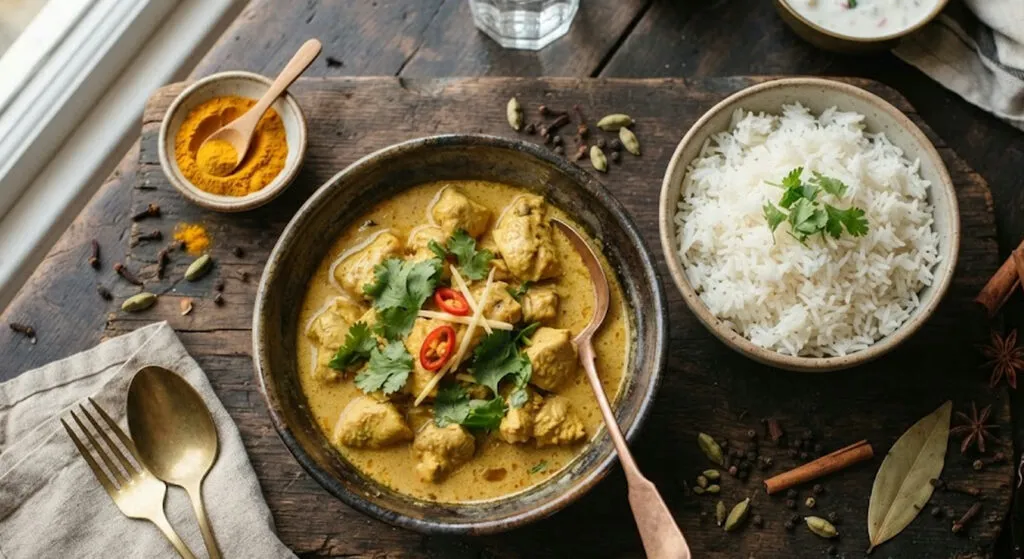
Home-made chicken curry fails at the same point for everyone. The difference is made by one step that has nothing...
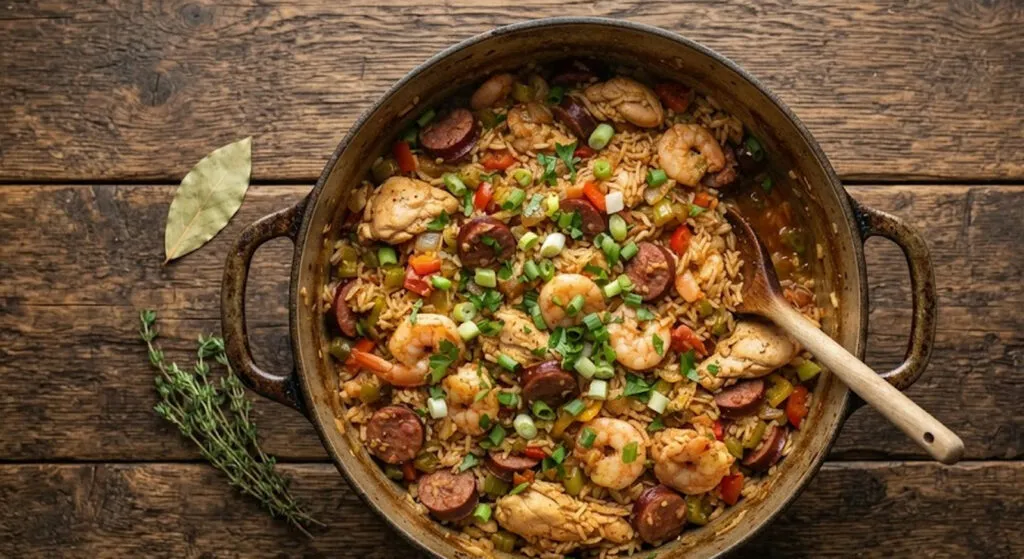
Jose Andres has lived in America for over thirty years, and when asked for his favourite American dish he named...
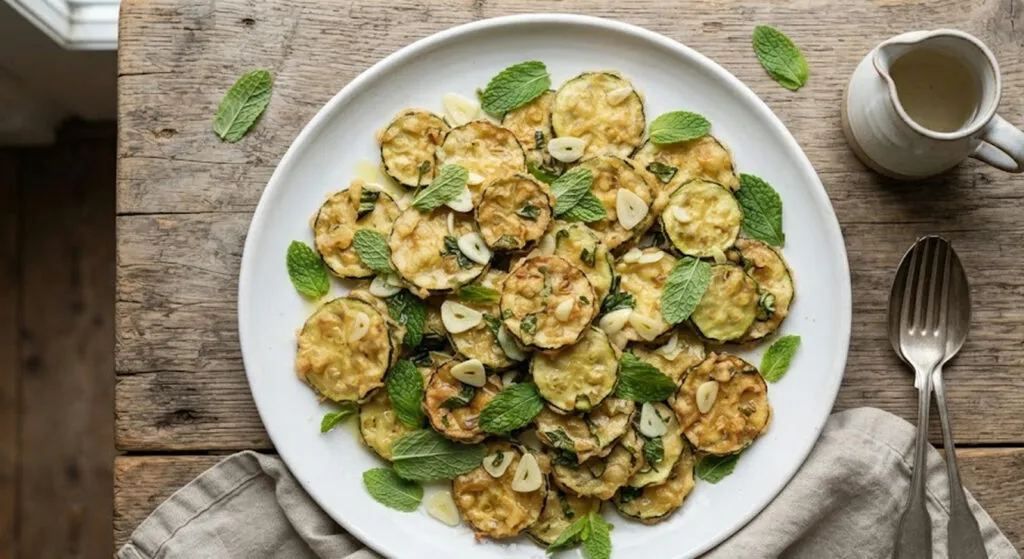
A kilo of courgettes, mint, garlic and eighty millilitres of vinegar. Not one expensive ingredient - and the water you...
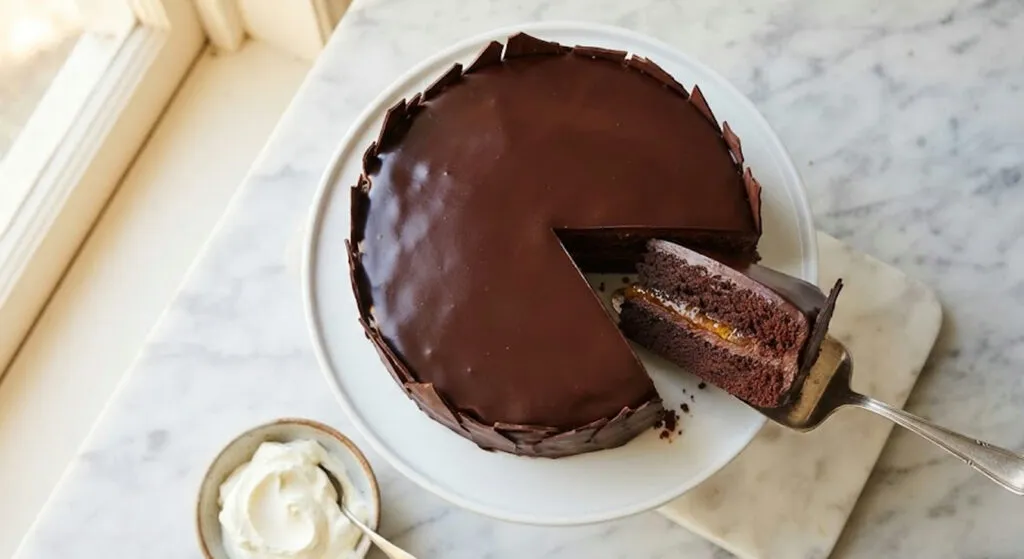
Whoever beat all the eggs together made a different cake. And the glaze must not pass 45 degrees, or the...
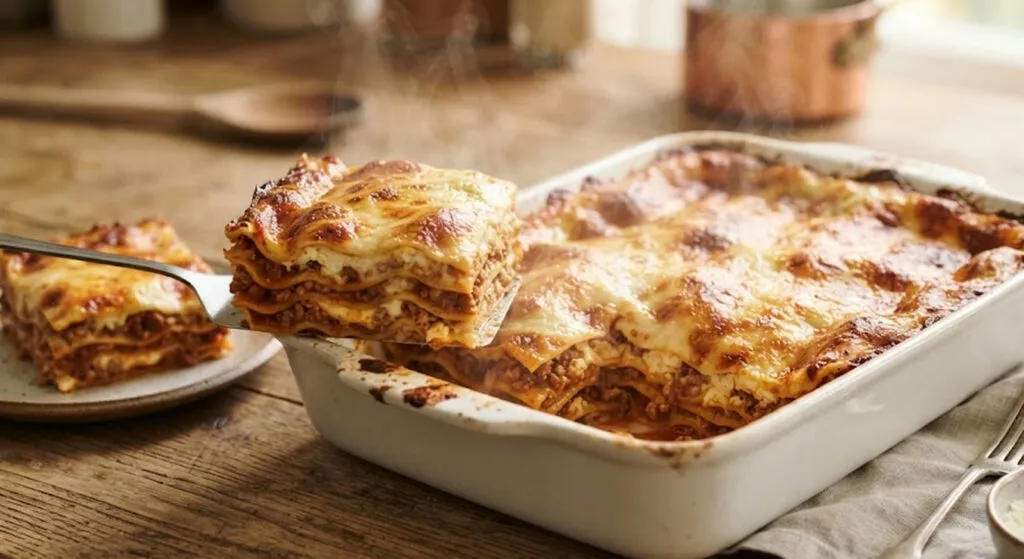
One rule applies to all three and it is the one most often skipped. It is not a recommendation to...
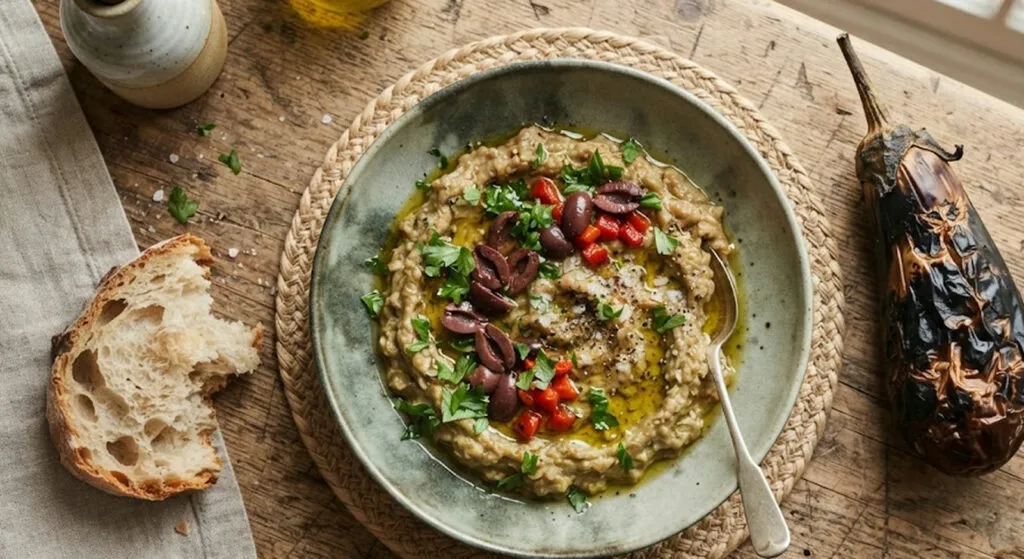
One single ingredient separates melitzanosalata from mutabal - tahini. Three aubergines, one clove of garlic, and an oven at 220...

The chicken ends up in the pan anyway. The salad that was sitting half a metre away does not.
This site uses cookies - is that okay? Learn more
Be the first to know when Metla launches something new
Leave your email and we will write when there is a new guide or something new on Metla.