

НАУЧНИЦИТЕ ОТКРИЈА: ТАЈНАТА НА ПОБАВНОТО СТАРЕЕЊЕ МОЖЕ ДА СЕ КРИЕ ВО НАШИТЕ ЦРЕВА!
27.10.2026


27.10.2026

27.10.2026

27.10.2026

27.10.2026
27.10.2026

27.10.2026

27.10.2026

27.10.2026

26.10.2026

27.10.2026

27.10.2026

26.10.2026

27.10.2026

27.10.2026

27.10.2026

27.10.2026

26.10.2026

25.10.2026

27.10.2026

27.10.2026

27.10.2026

27.10.2026

26.10.2026
26.10.2026
27.10.2026
26.10.2026

24.10.2026

23.04.2026

23.04.2026

12.04.2026

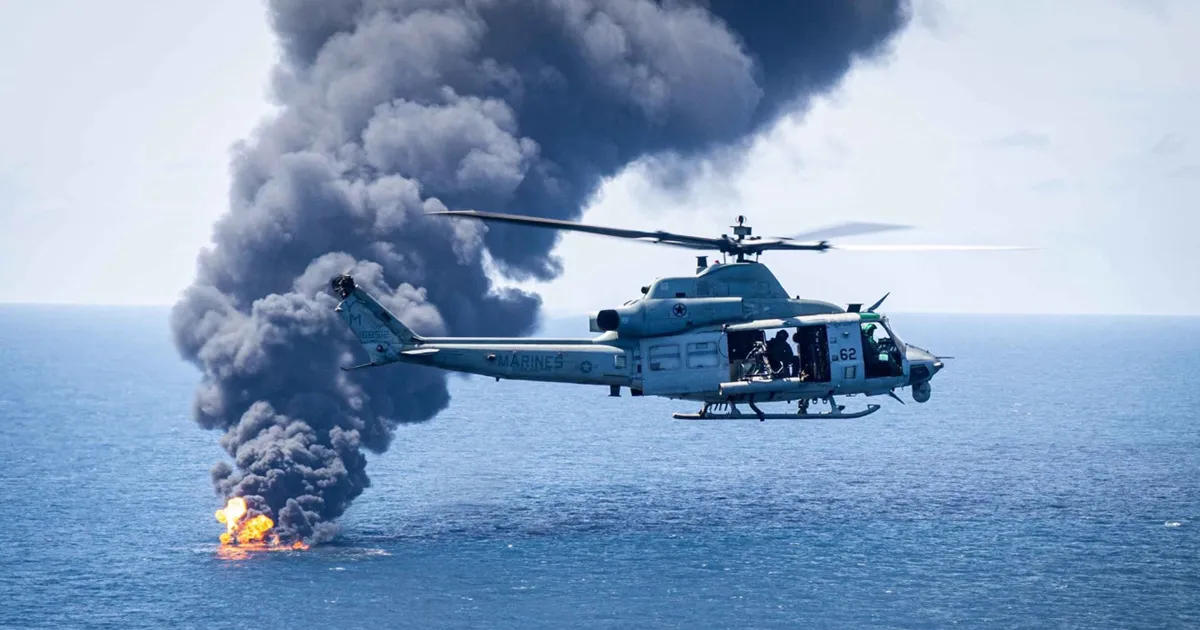
The US military announced that three people were killed in a new strike on a vessel in the Caribbean Sea. US Southern Command posted on X that it had carried out a "lethal kinetic strike" against a fast vessel operating along established drug smuggling routes.
The wording is technical enough not to sound like what it is. Three men on a boat, killed without a single trial, a single charge, a single name. The command cited "confirmed intelligence" on the vessel's active involvement in drug smuggling, but offered no other details.
The figure that rarely gets quoted
This is not an incident, it is a system. Donald Trump's administration claims the vessels in the Caribbean, targeted since September 2025, are carrying narcotics. In those US military strikes on such vessels in the Caribbean and the eastern Pacific, more than 220 people have died so far.
Two hundred and twenty souls in one year. Not one name published, not one piece of evidence presented in court, not one of the dead ever stood before a judge. Instead - a social media post with the word "narcoterrorists", put in quotation marks even by those relaying it.
Who is pushing back
Experts and human rights advocates, in the US and around the world, are questioning the legality of the strikes. Human Rights Watch and Amnesty International, together with independent United Nations experts, have described them as "unlawful extrajudicial killings". The American Civil Liberties Union called the administration's claims about the targets unfounded, judging that their purpose is to spread fear.
None of those bodies has a mechanism to stop it. They write reports, the strikes continue, the number grows. International law works here exactly as far as the stronger side allows - a lesson the Balkans learned long ago, only from the other side of the screen.
What is worth remembering is the precedent. If "confirmed intelligence" is sufficient grounds for a lethal strike on a civilian vessel in international waters, then the question is not whether somebody else will use the same argument, but when and against whom.
The latest 10 news from this category

Дали двајца луѓе на иста возраст можат да стареат со различна брзина? Научниците открија дека дел од одговорот можеби се...

Демократска Република Конго се соочува со најтешката епидемија на ебола во својата историја. Според најновите податоци од 27 октомври 2026...

Флавиу Болсонару, син на поранешниот бразилски претседател Жаир Болсонару, според медиумските информации, го напуштил Бразил по изборниот пораз, во време...

He didn't turn up for Sunday family lunch, and that evening he was found dead behind Villa Sauber. The palace...

Brazil's first-ever fourth term, and the first win for a candidate who came second in the first round. The Bolsonaro...

Henry VIII broke with Rome over one divorce. Five centuries later, Charles III and the Pope are exchanging honours -...

One joke about the gilding, then the serious message: while the powerful admire themselves in the mirror, voters pay the...

Over 400,000 people on the streets of France, Molotov cocktails in Tirana, water cannon in Rome, tear gas in Brussels....

One dead, five wounded, among them a 12-year-old girl. The attack came just days after parts of the far right...

France is shutting the metro and museums, Italy is counting arrests, and the government in Tirana is considering a blacklist...
This site uses cookies - is that okay? Learn more
Be the first to know when Metla launches something new
Leave your email and we will write when there is a new guide or something new on Metla.