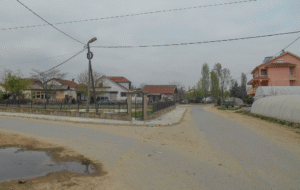
Six men stormed a house near Strumica and beat a family with children: the father fired into the air so someone would come
28.07.2026


28.07.2026
28.07.2026
28.07.2026

28.07.2026

28.07.2026
28.07.2026
28.07.2026
27.07.2026
27.07.2026
28.07.2026

28.07.2026
27.07.2026
28.07.2026

28.07.2026
28.07.2026
28.07.2026
27.07.2026
26.07.2026

28.07.2026

28.07.2026

28.07.2026

28.07.2026
27.07.2026

27.07.2026

09.03.2026

27.02.2026

19.02.2026
27.07.2026
26.07.2026
25.07.2026

23.04.2026

23.04.2026

12.04.2026
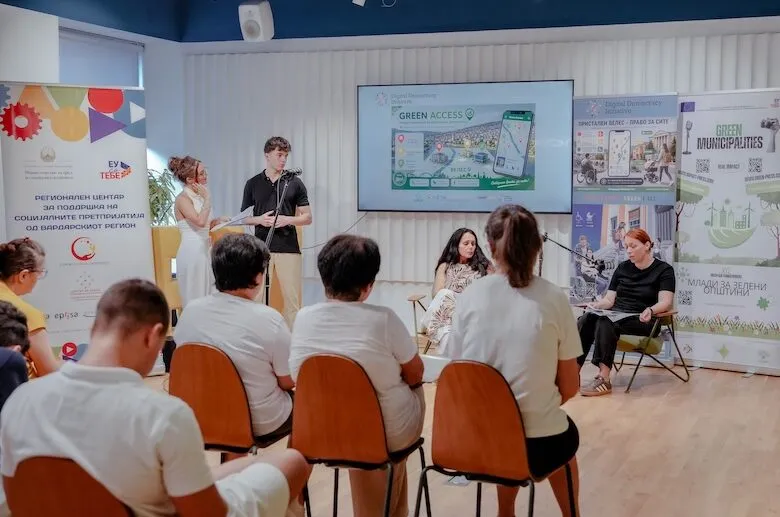
Pupils from all four secondary schools in Veles will spend the next six months using a digital tool to map the institutions in their town that are not accessible to people with disabilities, to parents with prams, or to anyone who uses a mobility aid.
The project is called „Digital Green Access”, it is youth-led, and it is funded by the European Union. The motto is blunt: access to institutions is not a privilege, it is a basic human and civic right.
Now read the list of institutions that the Association of People with Cerebral Palsy and Other Disabilities names as inaccessible in Veles. The health insurance fund. The pension and disability insurance fund. The preventive pre-school health service. The Post Office. The Public Revenue Office. The Central Registry. The electronic hall and the ceremonial hall of the Municipality of Veles itself. The employment agency. The centre for social work.
That is not a list of private shops. That is literally the list of places a citizen goes to for a pension, a health card, social assistance, a job. Every one of them exists because the state has an obligation to the citizen - and every one of them, according to this association, is closed to a portion of those citizens.
The barriers are not only stairs
Daliborka Zlateva from the association puts it plainly: members say that if they set out through town in a wheelchair, there is almost nowhere they can actually reach. Traffic lights with no audio signal. Not a single public health facility has a sign language interpreter - which means a person with hearing loss has to bring a family member along in order to talk to their own doctor. No bank offers that service either, and plenty of disabled people are employed and need a bank. Institutions carry no information in Braille. Public transport is not accessible, and the kerbs at pedestrian crossings need lowering.
There is a positive example too - the public utility Derven, which moved its payment desk to the ground floor and provided accessible parking. So it can be done. It is not a question of technology, and not a question of European millions. One counter moved from an upper floor to the ground floor.
Last month Skopje hosted the „March of the Excluded”, where people with disabilities, parents with prams and cyclists demanded a more inclusive city. Gere Tripkov, head of the Equality association, said then that they hope to finally be met with a smile from the other side rather than with rejection.
There is something painful in this story that has nothing to do with stairs. The mapping of the barriers is being done by high school students, with European money, as a project. And every employee in every one of those institutions already knows the list they will produce, because they look at it every day on their way in. Knowing was never the problem.
The latest 10 news from this category

200 litres a second are flowing into the lake. The level is 145.26 metres; the agreed minimum is 146.13. The...
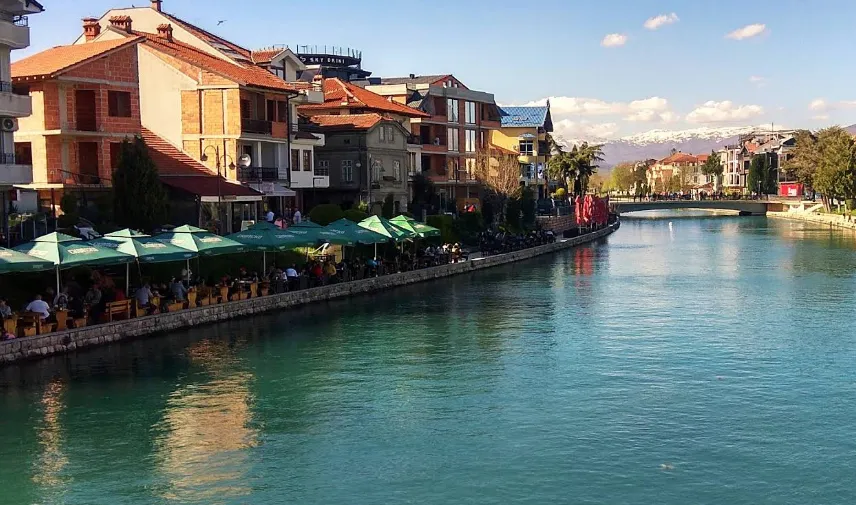
The council voted through extended hours for the tourist season. The bar owners' interest is obvious. The question is whether...

Two hundred kilometres of road ahead of them, ending at Mečkin Kamen. Ilinden is the holiday we talk about most...
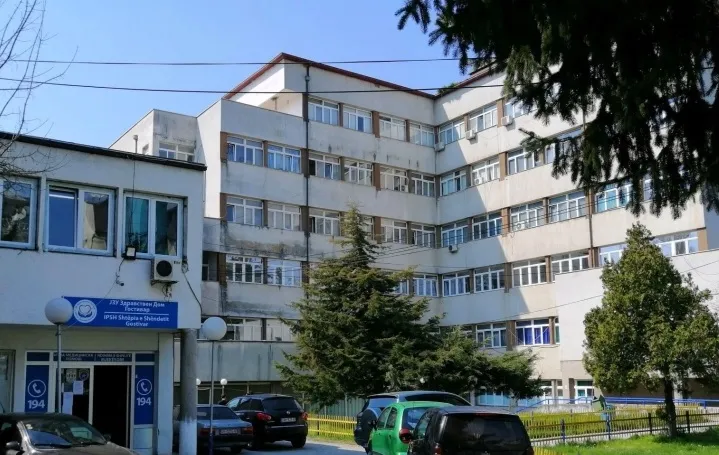
4,197 first examinations in thirteen days, 833 formal case reports. Two weeks after the contamination, the tap water still cannot...
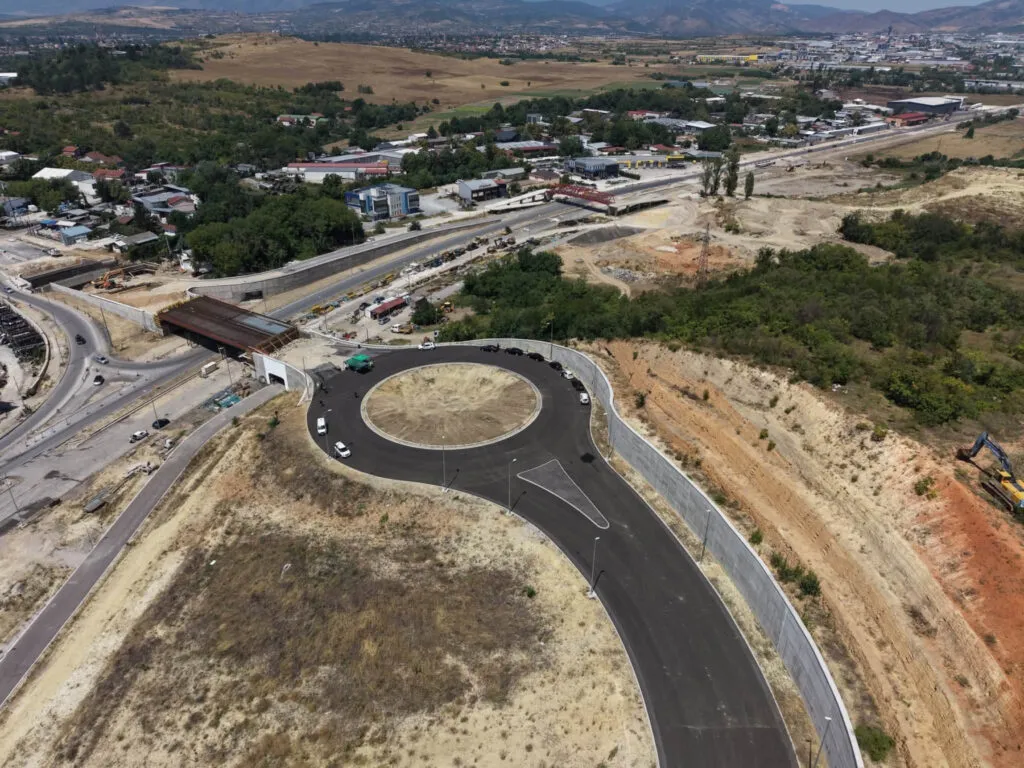
Two kilometres of retaining walls, five bridges, 60 million denars. Expropriation jumped from ten percent to a hundred in seven...
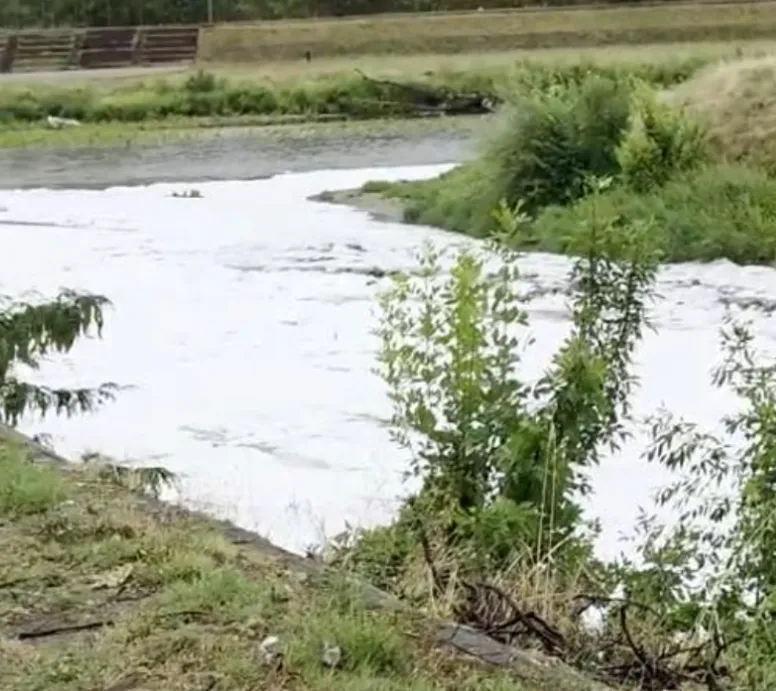
Environmentalists want the plant shut down and a public register of past fines. The river cleaned itself, as it always...
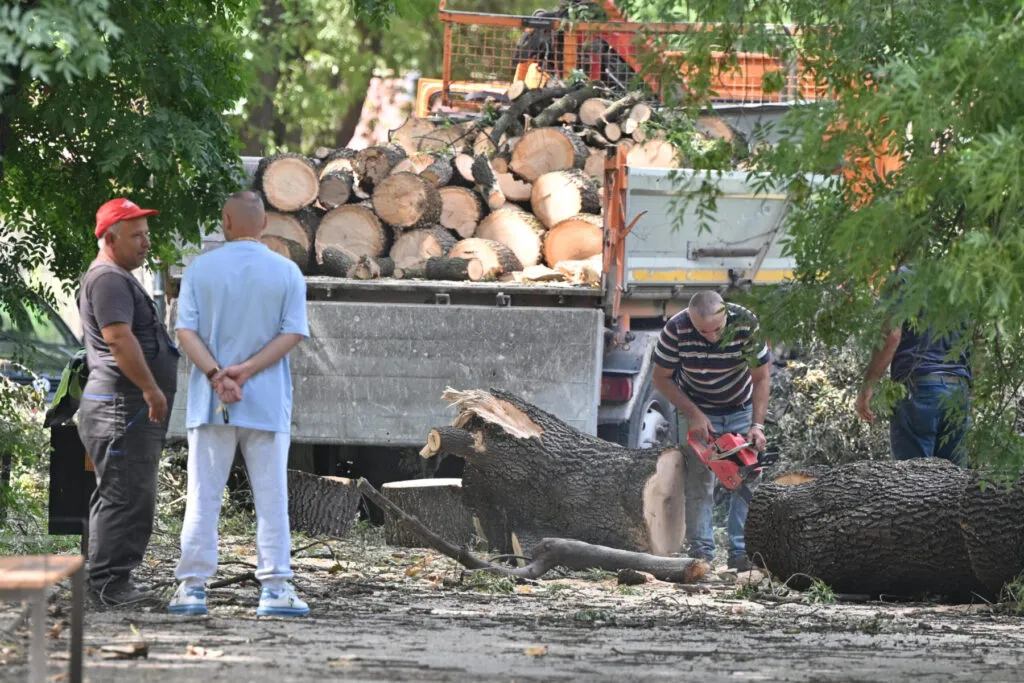
The City of Skopje has a plan for where the timber goes - pavilions for Vodno, benches, firewood for vulnerable...
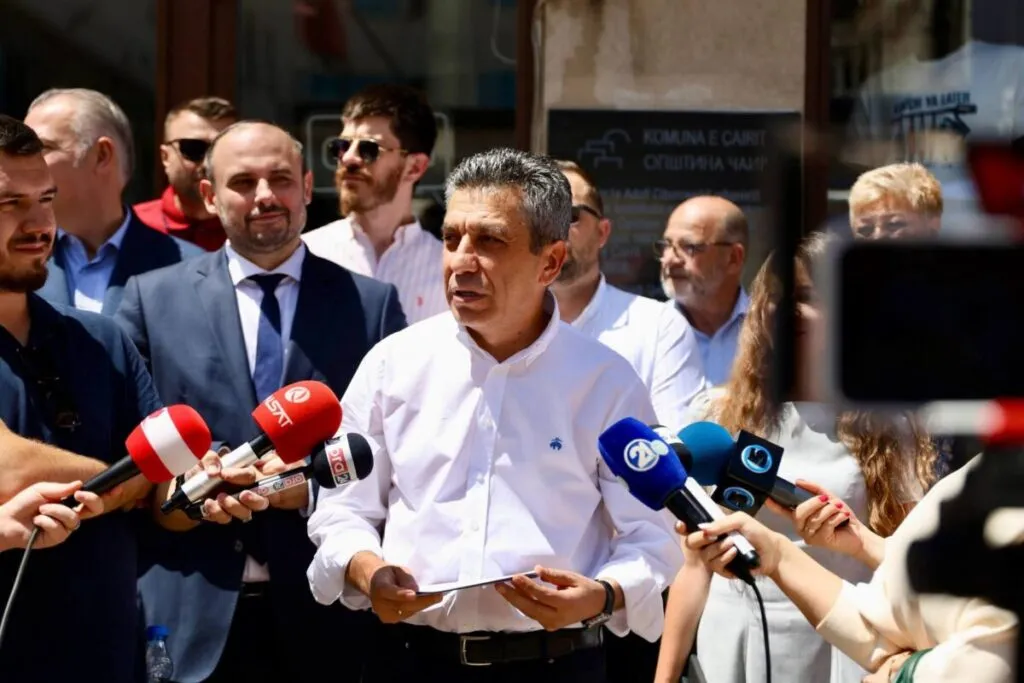
63 years after the earthquake, Skopje thanked the Polish urban planner who fought to keep the Old Bazaar standing. Had...

New municipal equipment is promised for the end of August, while the buses are still waiting on legal proceedings. The...
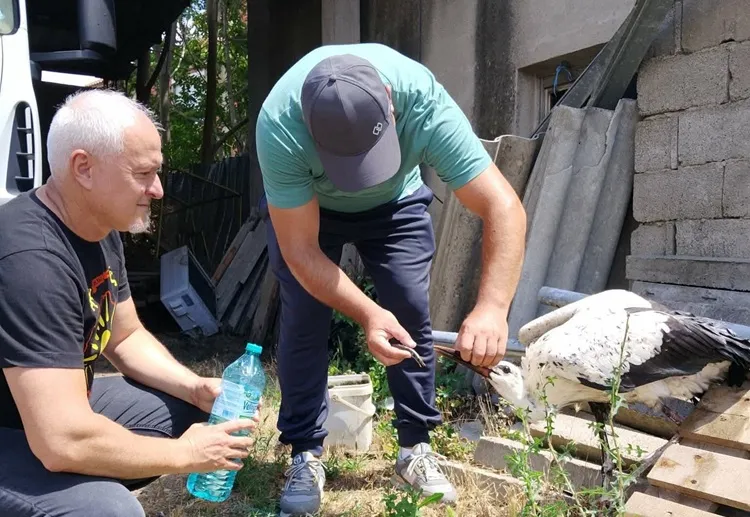
The storm knocked young storks out of their nests, and municipal staff bring them water and food every day. A...
This site uses cookies - is that okay? Learn more
Be the first to know when Metla launches something new
Leave your email and we will write when there is a new guide or something new on Metla.