

They Rode In on Scooters, Torched the Shops and Left: The Fire in Shuto Orizari Burned for Three Hours, Setting It Took Fifty Seconds
13.09.2026


13.09.2026

13.09.2026

13.09.2026

13.09.2026

13.09.2026

13.09.2026
13.09.2026

12.09.2026

11.09.2026

13.09.2026

13.09.2026

12.09.2026

13.09.2026

13.09.2026

13.09.2026
13.09.2026

12.09.2026

11.09.2026

13.09.2026

13.09.2026
13.09.2026
13.09.2026

13.09.2026

12.09.2026

09.03.2026

27.02.2026

19.02.2026
13.09.2026

12.09.2026

11.09.2026

23.04.2026

23.04.2026

12.04.2026

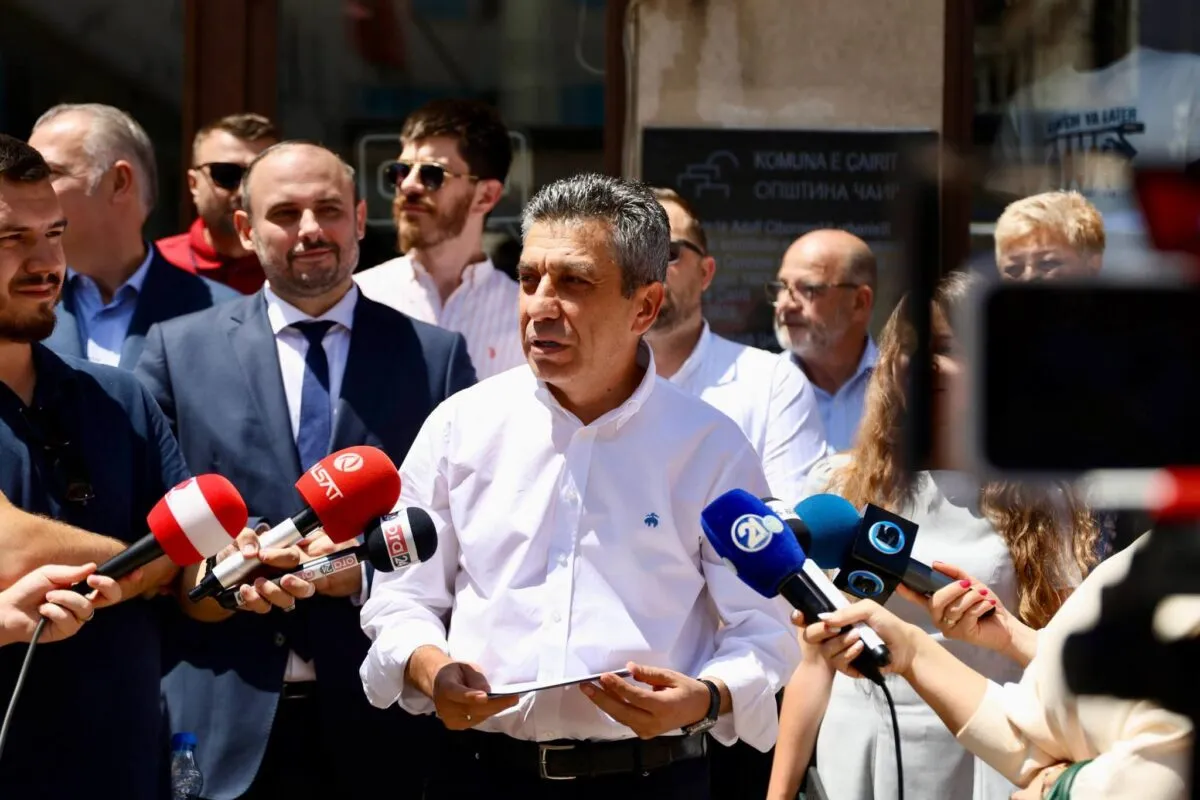
At 5:17 in the morning on 26 July 1963. In twenty seconds Skopje stopped existing in the form people knew. An earthquake measuring 6.1 on the Richter scale, 1,070 dead, around 3,000 injured, more than 200,000 citizens left without a home. Sixty-three years later, a memorial plaque has been unveiled in the Old Skopje Bazaar for a man who fought to keep that bazaar standing.
The Polish urban planner Adolf Ciborowski was among the international experts working on the city's reconstruction plan. He led the United Nations project work on rebuilding Skopje, on the strategic and social development plans. The Japanese architect Kenzo Tange designed the recognisable „City Wall” and the central city area.
The man who said no to erasure
This is the part that rarely gets told. At the point when some of the proposals called for replacing the historic city core with entirely modern urban solutions, Ciborowski argued that the historical heritage should be built into the city's new vision.
The mayor of Čair, Izet Mexhiti, said the plaque is an expression of gratitude for that vision and for the contribution to preserving the Old Skopje Bazaar, which remains one of Skopje's most important historical, cultural and identity assets. Skopje mayor Orce Gjorgjievski called the plaque a small but significant act of gratitude to a man who helped preserve the spirit of the bazaar. Ciborowski's granddaughter Julia also attended, saying that history should serve to create a modern future.
Sixty-three years later
It is worth pausing on what this plaque means today. A foreigner, in a city levelled to the ground, fought to stop its oldest part from being erased - at a time when „modern” was the most powerful argument in any discussion about building. Had he lost that argument, the bazaar today would be a car park or an administrative block.
Since 1963, Skopje has been a global symbol of solidarity - help arrived from all over the world and the city got back on its feet. To mark the anniversary there is an exhibition, „63 Years - Skopje '63”, at the City Museum, and a concert, „Skopje, My Joy”, in the City Park.
The date of 26 July stays carved into the city's collective memory. Not because of the number of dead, but because of what came after - and because of people who, like Ciborowski, insisted that rebuilding must not mean erasing. That is a lesson every future city administration can read off the plaque in the bazaar, if it wants to.
The latest 10 news from this category
Ivanovska recalls why Vodno was forested in the first place. Gerasimovski says the court annulled the old plan and a...
Three Bulgarian ministries, MPs from different parties and flags inside the medical centre. MAEI asks why a check-up in a...
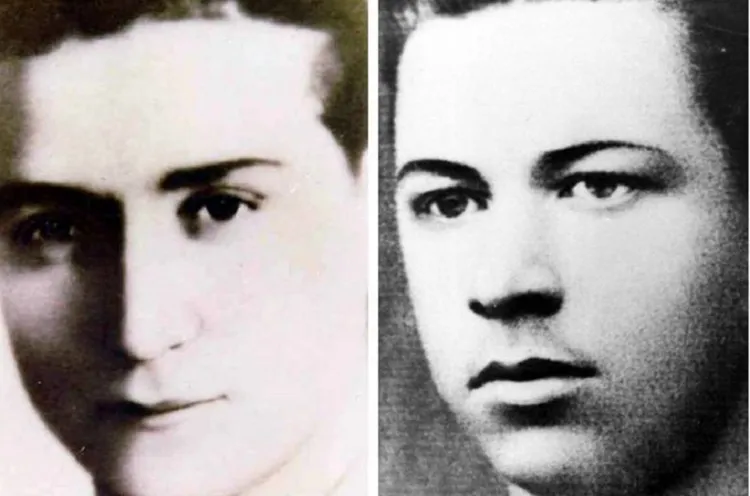
Flowers were laid in Bitola for Stefan Naumov and Dimitar Bogoevski. Behind the anniversary stand two biographies that ended at...
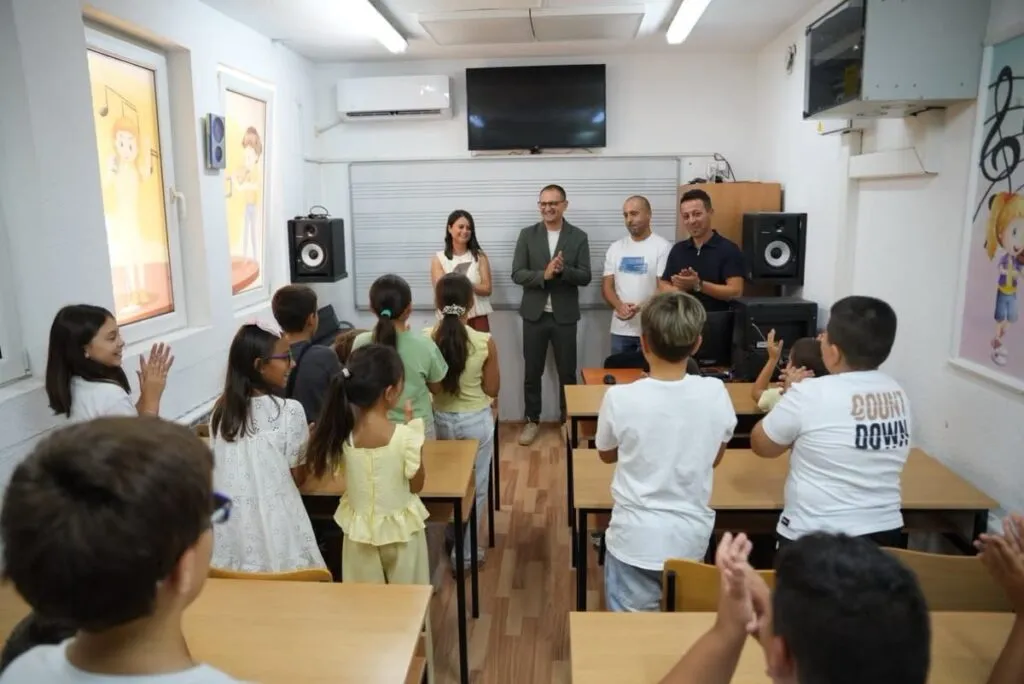
Eighty children do not simply appear out of nowhere. The question no ceremony answers is whether there are enough instruments...
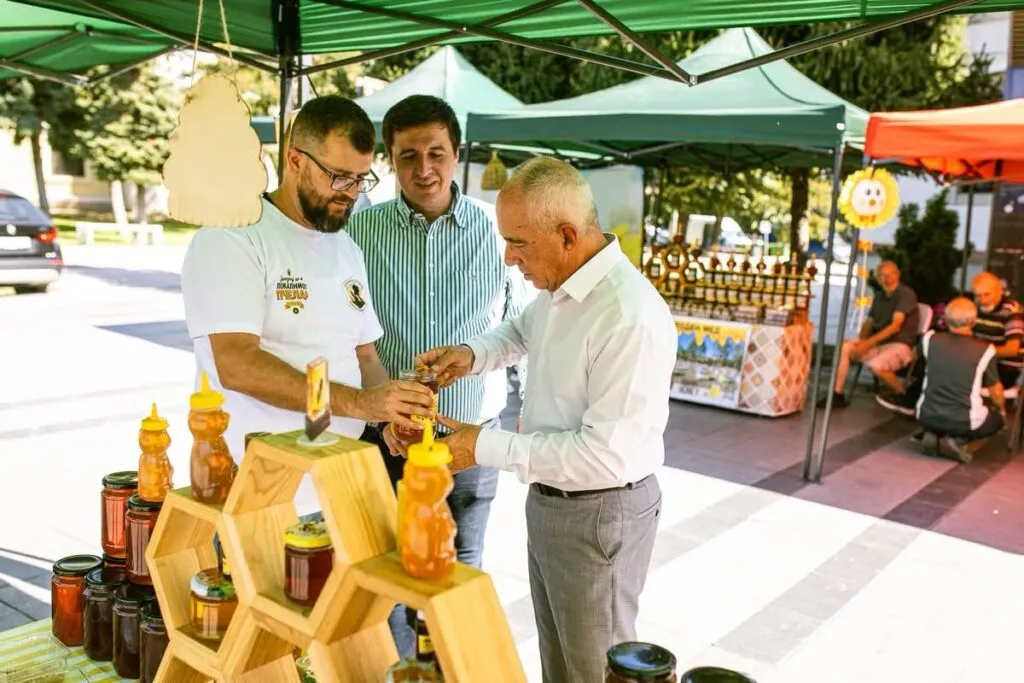
When you buy honey from the man who tells you which village it came from, you bypass the entire trade...
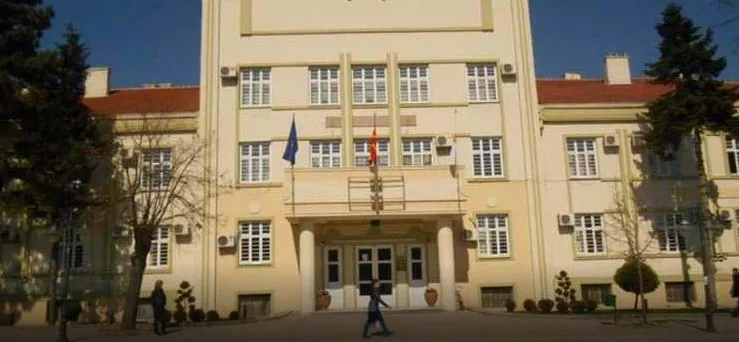
Any citizen can submit a nomination. That is exactly where these competitions either come alive or become an internal affair...
The minister answered that pupils are not a risk group because the youngest patient was 25. The MP had asked...
For five years after the promise, the dump stayed a dump. The two neighbouring parks tell the story that comes...
The most visited historic space in Skopje waited fifty years for someone to replace the pipe under the cobblestones. The...
There is a route, there is a presentation and there is agreement that the road is needed. There is no...
This site uses cookies - is that okay? Learn more
Be the first to know when Metla launches something new
Leave your email and we will write when there is a new guide or something new on Metla.
