

They Rode In on Scooters, Torched the Shops and Left: The Fire in Shuto Orizari Burned for Three Hours, Setting It Took Fifty Seconds
13.09.2026


13.09.2026

13.09.2026

13.09.2026

13.09.2026

13.09.2026
13.09.2026
13.09.2026

12.09.2026

11.09.2026

13.09.2026

13.09.2026

12.09.2026

13.09.2026

13.09.2026

13.09.2026
13.09.2026

12.09.2026

11.09.2026

13.09.2026

13.09.2026

13.09.2026

13.09.2026

13.09.2026

12.09.2026

09.03.2026

27.02.2026

19.02.2026

13.09.2026

12.09.2026

11.09.2026

23.04.2026

23.04.2026

12.04.2026

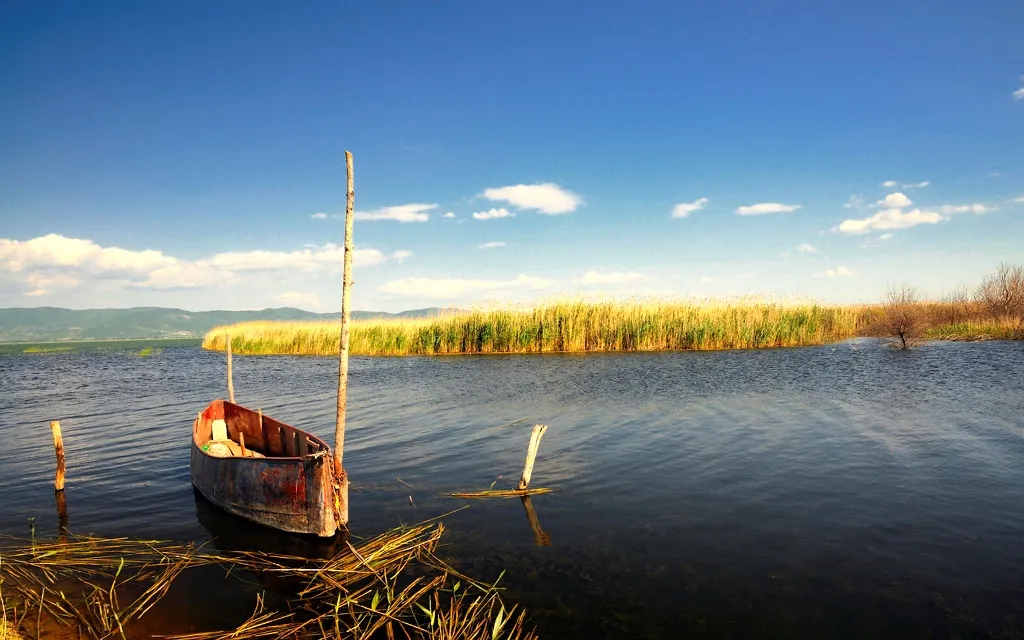
The Gjavato hydro system in Bogdanci is pumping water into Lake Dojran again. Around 200 litres per second are currently flowing in, and an additional volume is expected to be released later in the day or tomorrow.
It sounds like good news, and in part it is. But one detail in the system's own statement is worth more than the whole announcement: it took them twenty hours to fill the pipeline, because it was empty - the system had not run for six months. Six months. Normally, they say, after a break of ten to fifteen days the pipeline fills far faster.
So the infrastructure built precisely to stop Lake Dojran from drying out stood idle for half a year, and the water came back two or three days before August.
Why does that matter? Because the hydro system itself admits that August and September have historically been the most critical months for the lake, since that is when evaporation peaks under high temperatures and no rainfall. In other words: the system was off through the entire winter and spring, and switches on right before the most dangerous stretch of the year.
The number that tells the truth
According to the latest figures from the Hydrometeorological Administration, the lake currently sits at 145.26 metres above sea level. The agreed minimum is 146.13 metres. The gap is almost a full metre - and it is not a metre above the line, it is a metre below the line it is not supposed to drop under.
Lake Dojran is not a reservoir you top up to the desired mark and then forget. It is a living ecosystem, a place of traditional fishing and one of the most important tourism assets in the south-east of the country. Every prolonged shutdown means the shoreline retreating, water quality shifting, and fresh pressure on plant and animal life.
The pumps are running and the Paljurci dam is full. That is today's fact. Tomorrow's question is who answers if the system goes quiet for another six months - and whether anyone is even tracking how long it stays off, or whether we only remember Gjavato when we notice the shore has pulled back.
The latest 10 news from this category
Ivanovska recalls why Vodno was forested in the first place. Gerasimovski says the court annulled the old plan and a...

Three Bulgarian ministries, MPs from different parties and flags inside the medical centre. MAEI asks why a check-up in a...

Flowers were laid in Bitola for Stefan Naumov and Dimitar Bogoevski. Behind the anniversary stand two biographies that ended at...

Eighty children do not simply appear out of nowhere. The question no ceremony answers is whether there are enough instruments...
When you buy honey from the man who tells you which village it came from, you bypass the entire trade...
Any citizen can submit a nomination. That is exactly where these competitions either come alive or become an internal affair...
The minister answered that pupils are not a risk group because the youngest patient was 25. The MP had asked...
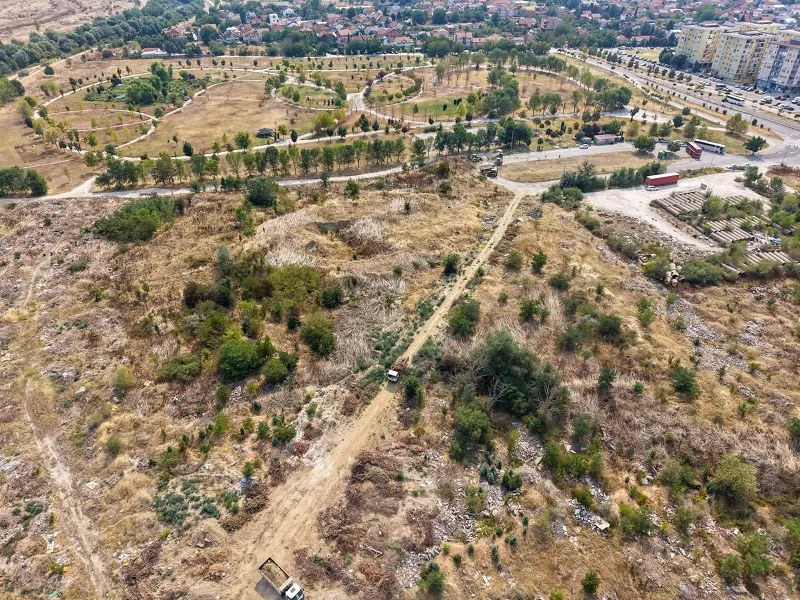
For five years after the promise, the dump stayed a dump. The two neighbouring parks tell the story that comes...
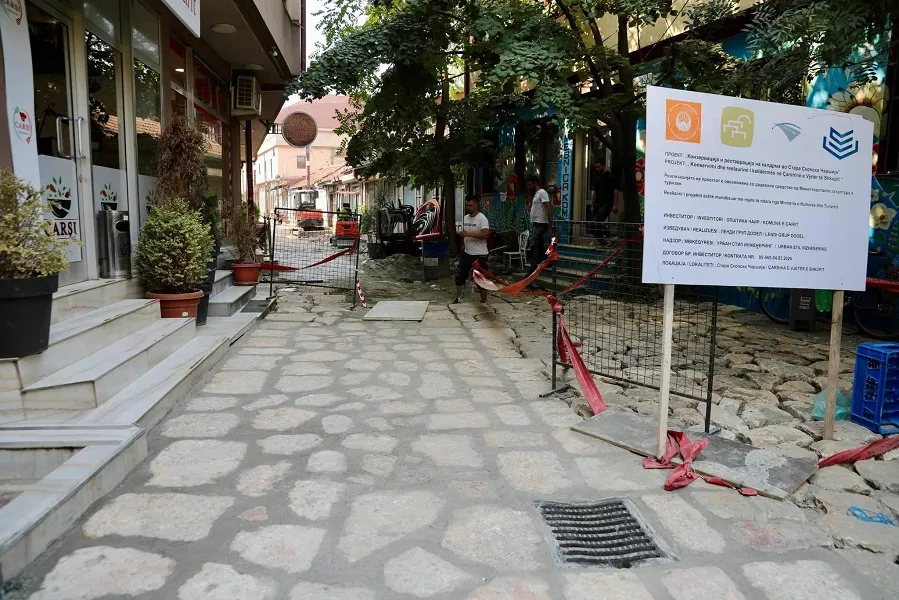
The most visited historic space in Skopje waited fifty years for someone to replace the pipe under the cobblestones. The...

There is a route, there is a presentation and there is agreement that the road is needed. There is no...
This site uses cookies - is that okay? Learn more
Be the first to know when Metla launches something new
Leave your email and we will write when there is a new guide or something new on Metla.
