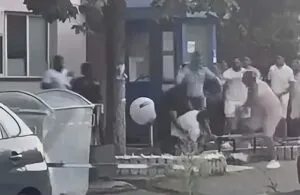
Six Men Brawled Outside the Police Station in Kočani: Now They'll Also Check What the Officers Were Doing
17.08.2026


17.08.2026

17.08.2026

17.08.2026

17.08.2026

17.08.2026

17.08.2026

17.08.2026

16.08.2026

15.08.2026

17.08.2026
17.08.2026

16.08.2026
17.08.2026
17.08.2026
17.08.2026
17.08.2026
16.08.2026
15.08.2026

17.08.2026

17.08.2026
17.08.2026

17.08.2026

17.08.2026
16.08.2026

09.03.2026

27.02.2026

19.02.2026
16.08.2026
15.08.2026

14.08.2026

23.04.2026

23.04.2026

12.04.2026
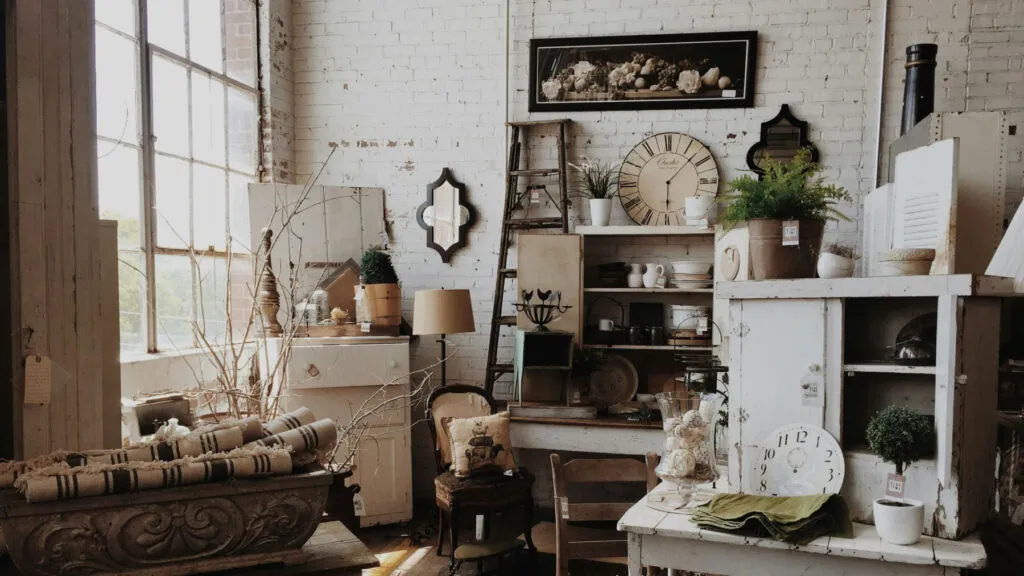
Furniture from the seventies and eighties is coming back, and not as nostalgia but as arithmetic. A round oil-yellow side table for sixty euros at a flea market will outlive any chain-store set bought for three times as much. That is the entire maths behind the trend.
The term vintage is broad and does not mean antique - most often it covers objects from those two decades. The point is not to build a museum of one period, but to mix it with what you already have. One old display cabinet next to a contemporary sofa works; an entire room from the seventies looks like a stage set.
The second, less-mentioned justification
Buying second-hand furniture is also the most direct way to spend less. These pieces were made to last - many of them are solid wood, not chipboard with foil. When an object has survived forty years, the chance it survives another twenty is far higher than for new furniture assembled with nails and glue.
Do not buy it because you liked it
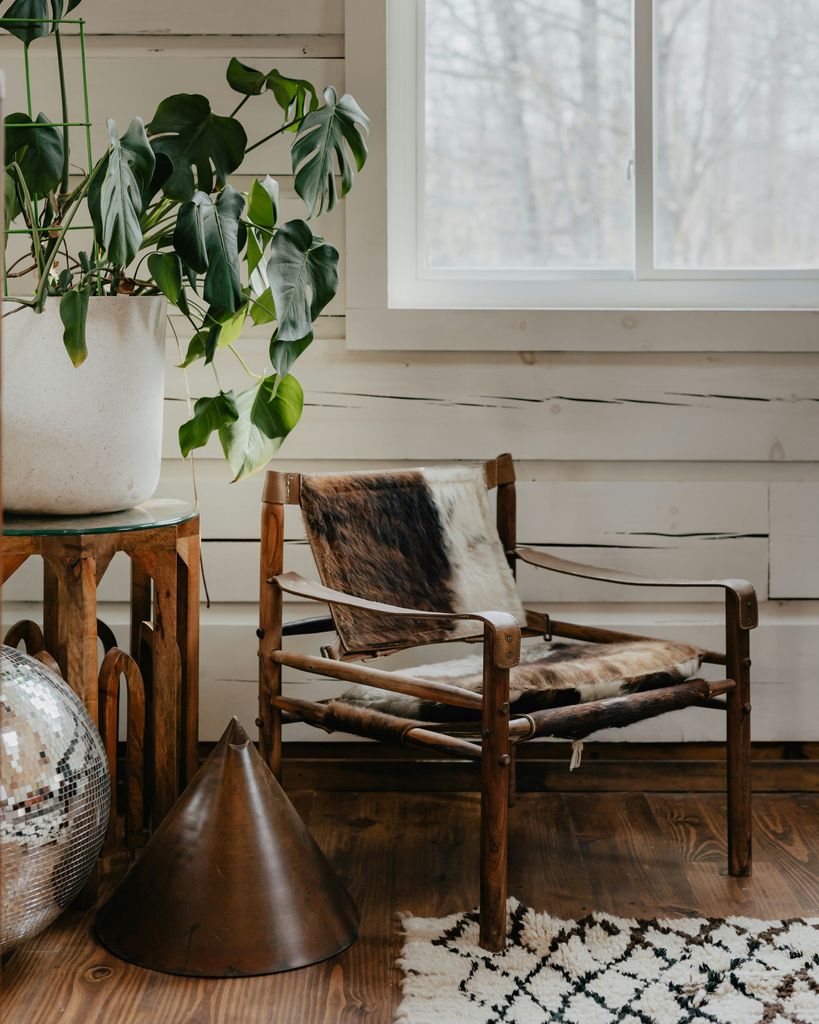
This is the advice that saves the most money. Before you pay for anything at a market, answer three questions: where exactly will it stand, what function will it serve, and what condition is it in. Emotion at the moment of purchase is the worst adviser, because the object then sits in the hallway for years getting in your way.
The three things to look at are: dimensions, material and colour. Dimensions are measured at home before you set off, not by eye in front of the stall. The material - wood, metal, linen or another fabric - determines how it will be maintained. The colour of the wood is what rarely gets checked: warm tones and cool tones do not sit well beside each other, and you only see that once the piece is in the room.
Check the condition, not the look
Open every drawer. Does the table wobble. Do the joints hold. Does the structure have real stability or does it just look good from a metre away. This inspection takes two minutes and is the difference between a find and a waste - because repairing a wobbly frame easily exceeds the price of the piece itself.
What is worth looking for
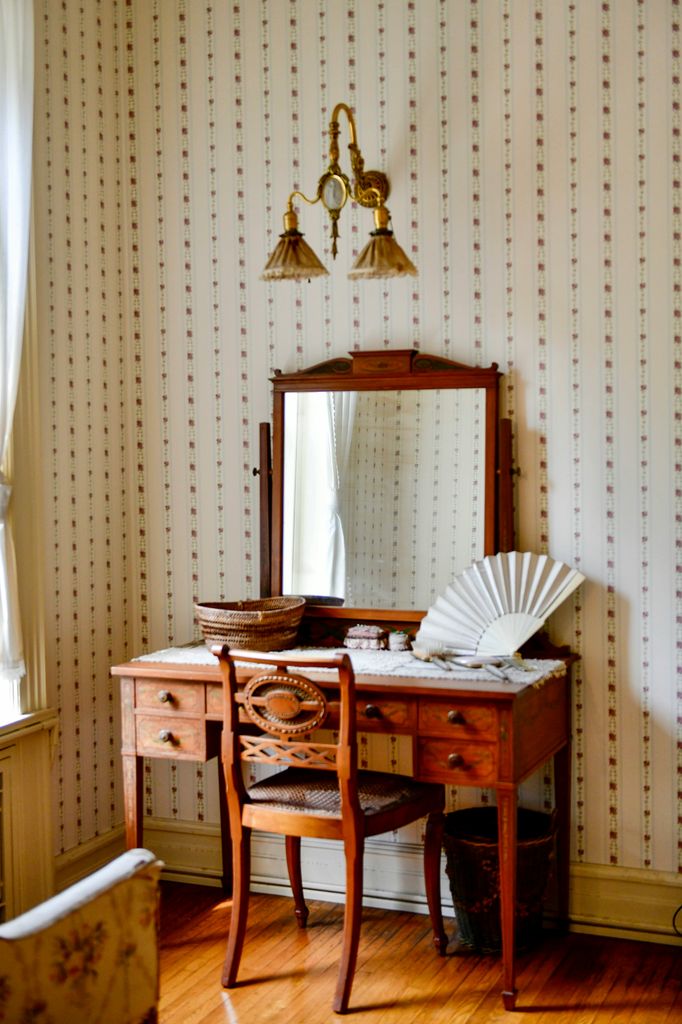
In furniture: dining tables, chairs, chests of drawers, trunks and side tables. These are the pieces that fit most easily into an existing room and are hardest to fake.
Mirrors are a category of their own - almost any old mirror works in almost any space, regardless of the style around it. Few objects have such a high success rate.
Textiles are the third group: old rugs, sheets, throws and curtains. Here the difference in weaving quality is most obvious, and the price is lowest.
If you want to change it - change it
There is a view that old furniture must stay untouched. It does not. Sanding, repainting, swapping handles and trims are entirely legitimate. There are quicker options too, with decorative paper or vinyl.
Both preservation and modernisation are valid approaches - it depends on whether the object has value as it is, or just a good frame to build on. A chest of drawers from the eighties with new handles and one coat of paint becomes a new piece, and still stays better built than anything you would buy for the same money.
Where to find them
Antique shops have the highest prices, but also the best-quality and rarest pieces. Second-hand shops are the middle ground. The cheapest is at demolition salvage yards, where doors, trims and parts of old houses end up. The most fun are antique fairs and markets.
One rule applies to all of them: the stock changes constantly, so whoever passes through regularly finds things, and whoever waits for the perfect object on the first attempt does not. Patience is the only currency here that is not paid in money.
The latest 10 news from this category
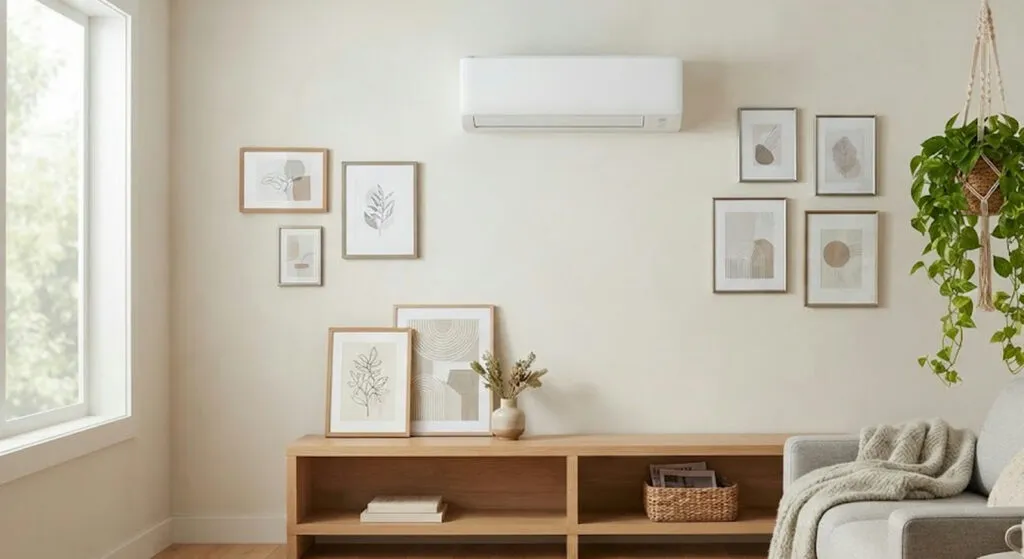
The object bought to hide one white rectangle ends up taking more space than it does. And it makes the...
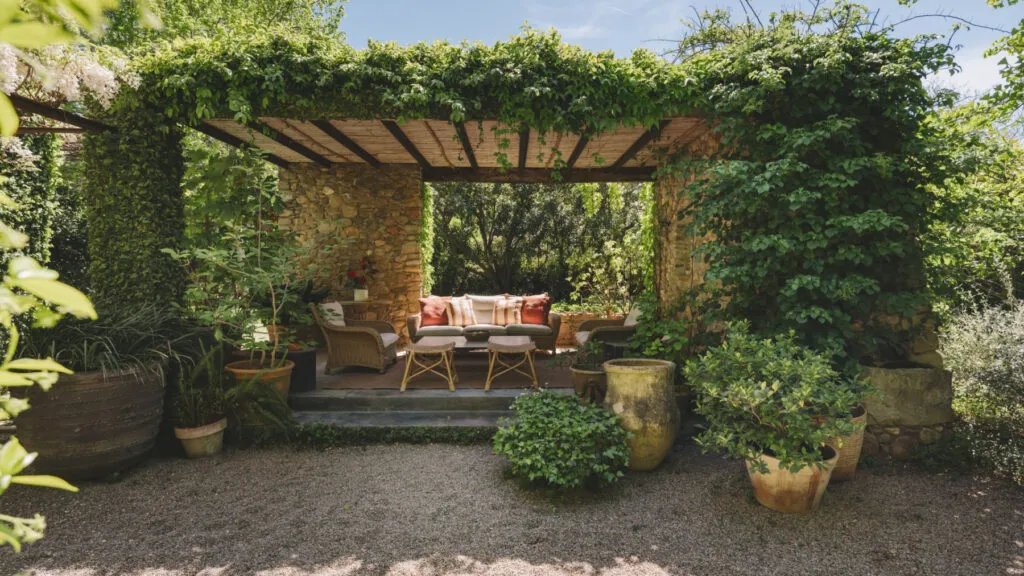
350 square metres without a single corridor, five bedrooms and a pool that does not beg for a photograph. Not...
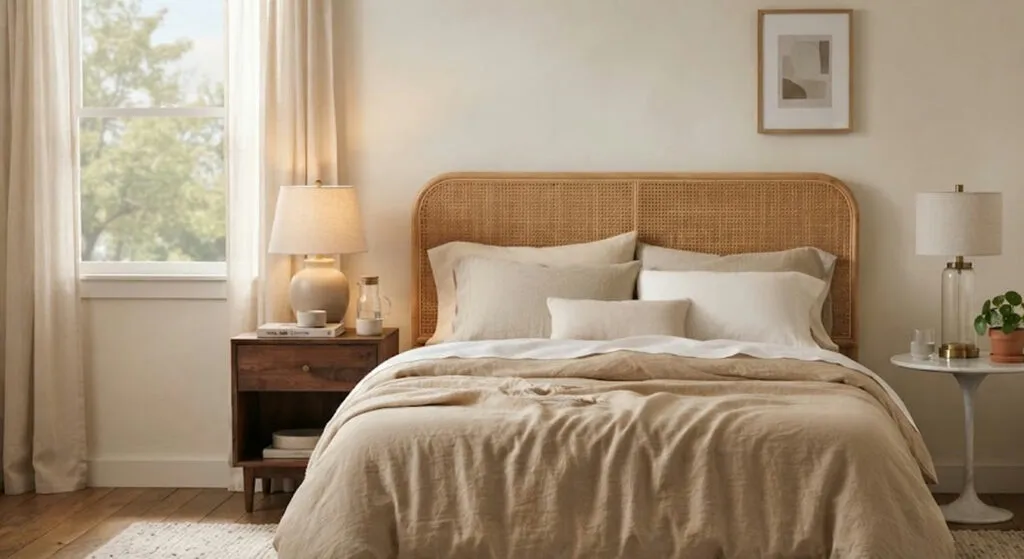
Mixing materials and shapes gives you more than repeating the same model twice. Here it also means the inherited nightstand...
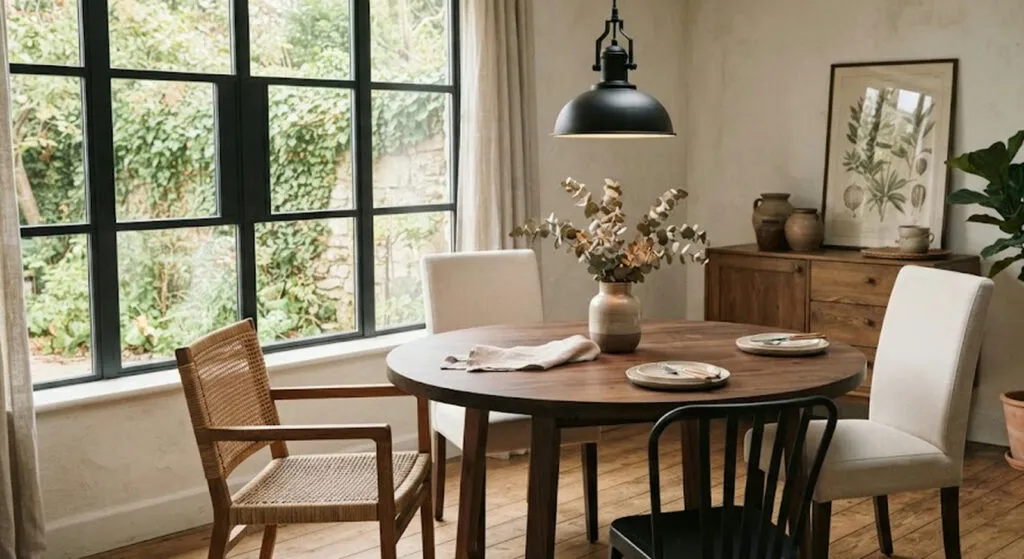
If you like the table but the chairs have fallen apart, you do not have to throw everything out. The...
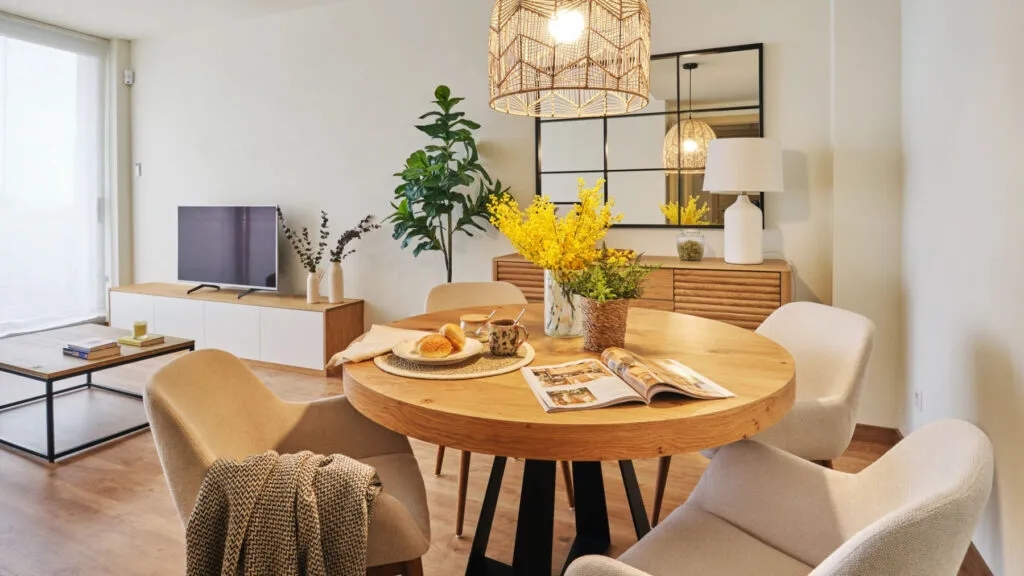
White walls, low furniture and lots of mirrors produce flats that photograph well and live badly. Ten pieces of advice...
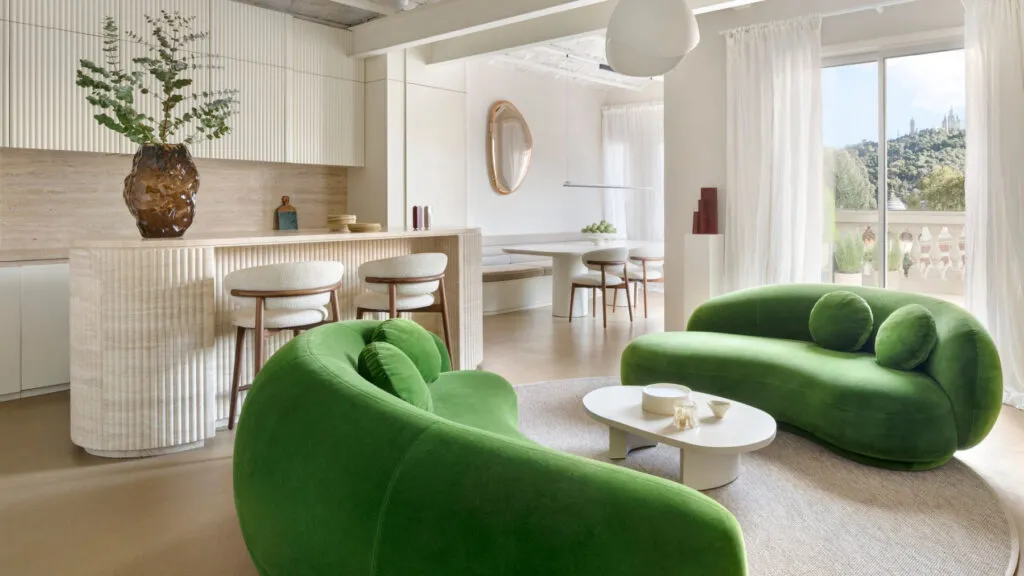
The Catalan vaults stayed, the walnut joinery stayed, and on top of it came an intervention that deliberately does not...
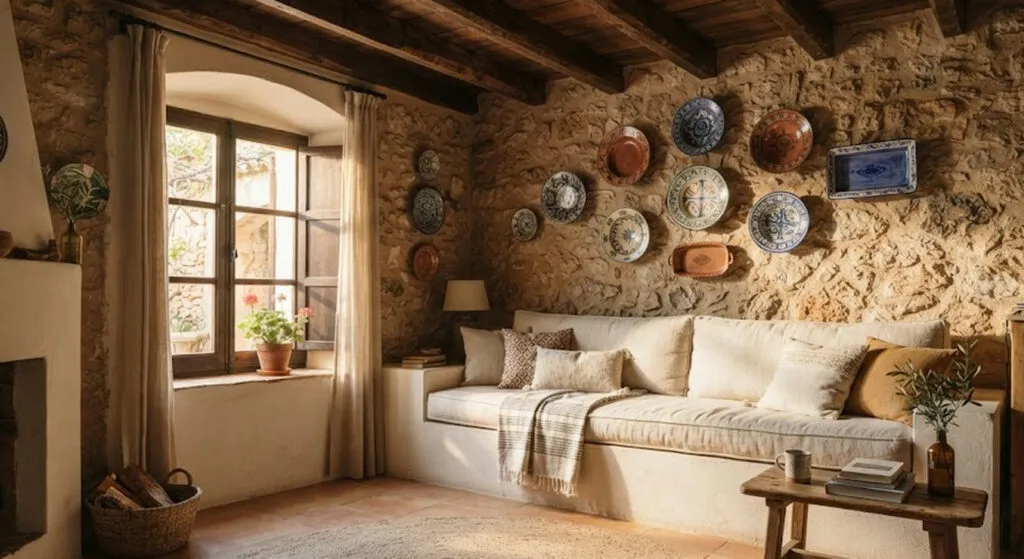
Everyone who walks into an inherited house tells you what should come down. The architect here did the opposite, and...
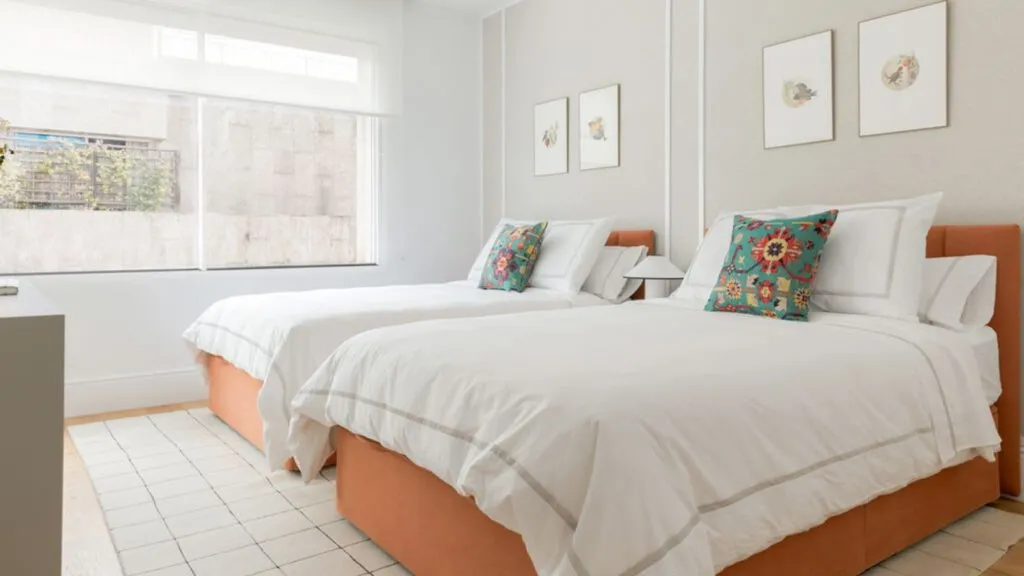
A family that sleeps badly for fifteen years is normal. A family that puts in two beds becomes neighbourhood gossip....
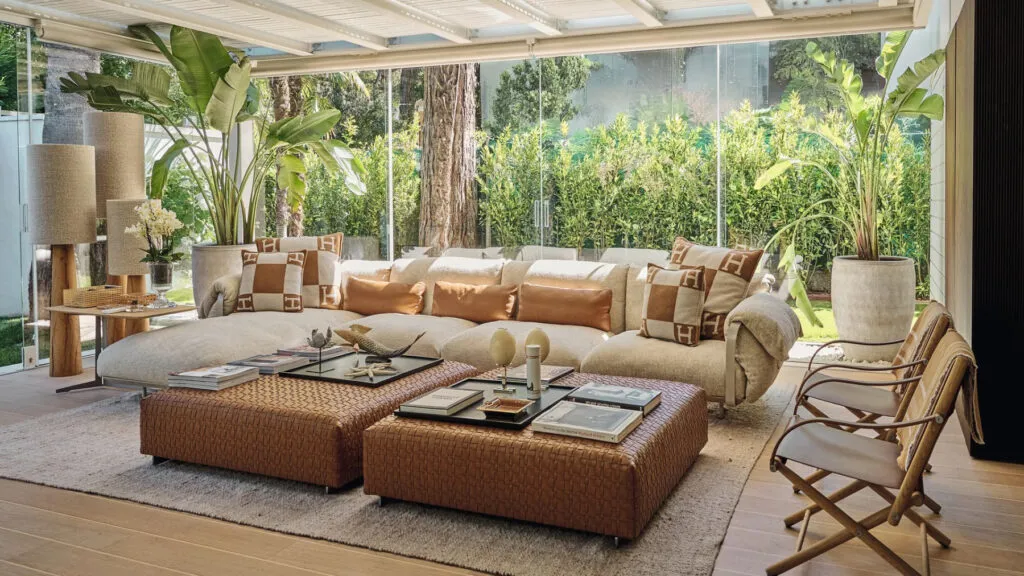
Three floors, each with a clear function, and one black kitchen that deliberately breaks the harmony. The most treasured object...
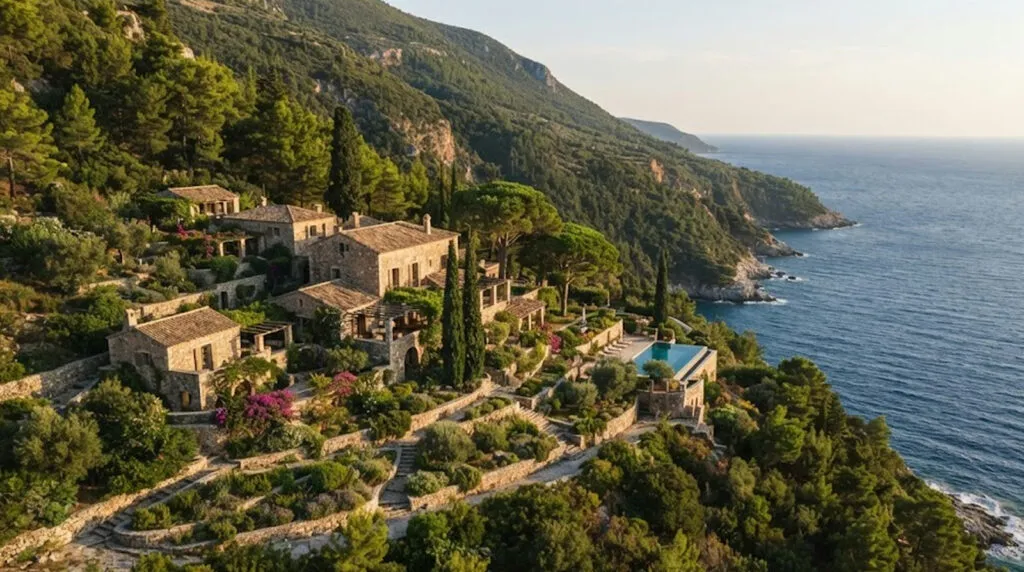
Seven buildings, a private harbour and vineyards - none of it is applicable. But the principle behind the interior costs...
This site uses cookies - is that okay? Learn more
Be the first to know when Metla launches something new
Leave your email and we will write when there is a new guide or something new on Metla.