
Two Schoolyard Assaults Reported in a Single Day: the Police Promised Measures, the Education System Said Nothing
19.09.2026


19.09.2026
19.09.2026
19.09.2026

19.09.2026
19.09.2026
19.09.2026
19.09.2026
18.09.2026
17.09.2026
19.09.2026
19.09.2026
18.09.2026
19.09.2026
19.09.2026
19.09.2026
19.09.2026
18.09.2026
17.09.2026
19.09.2026

19.09.2026
19.09.2026
19.09.2026

19.09.2026
18.09.2026

09.03.2026

27.02.2026

19.02.2026
19.09.2026
18.09.2026
17.09.2026

23.04.2026

23.04.2026

12.04.2026

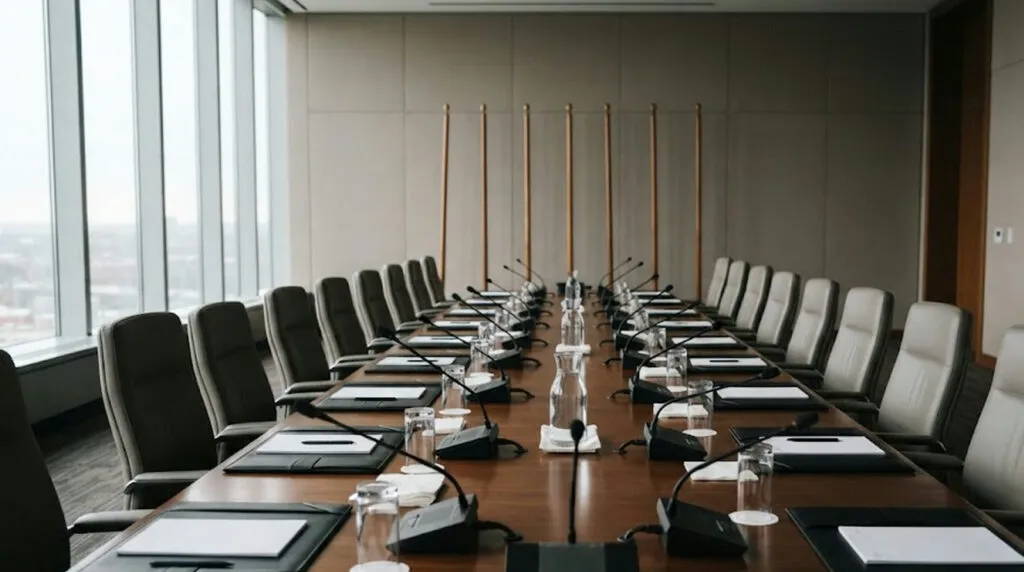
Serbian President Aleksandar Vučić spoke from Ukraine, where he took part in a meeting of the Carpathian Initiative. The image is worth a second look: a man Brussels regularly criticises for not imposing sanctions on Russia is sitting at a summit in Ukraine, talking to the Polish prime minister and the Romanian president.
The numbers he is offering
Vučić announced that trade with Ukraine had grown by 42 per cent, mostly in consumer goods. He also stressed that the summit brought together representatives of states with a combined population of about 120 million, with Ukraine, Romania and Poland alone accounting for some 90 million. Serbia's development agency was present too, tasked with presenting to investors what the country has to offer.
Of the eight countries in the initiative, he said, only Hungary was absent. That is a detail worth remembering better than any statement made at the summit.
Serbia's president also rated his bilateral meeting with Polish Prime Minister Donald Tusk as good, and said Romanian President Nicușor Dan had moved things along considerably on building the motorway to Timisoara. They also discussed energy connections and tourism. A bilateral meeting with Volodymyr Zelensky was, he said, still to come.
What was not on the agenda
The most interesting thing about this appearance is not what happened at the summit, but what did not happen in Belgrade. Asked about Ursula von der Leyen cancelling her visit to Serbia and Bosnia and Herzegovina, Vučić judged that they had found an "elegant way" of saying it was because of the elections - in both Bosnia and Herzegovina and Serbia - and that she knows perfectly well what public opinion in Serbia looks like.
Translation: the top of the European Commission did not want a photograph with the host a few weeks before a vote. That is political calculation, not protocol.
This is where the story becomes Balkan rather than merely Serbian. A regional connectivity initiative - roads, energy, tourism - looks like something almost nobody could object to, while a visit by a senior European official is measured against an electoral calendar. Infrastructure is built over decades; political goodwill lasts until the next vote. How many times in the last thirty years has the region seen precisely that difference?
The road to Timisoara or an energy interconnector do not stop being useful depending on who won an election. The question is whether in Belgrade, in Skopje and in Sarajevo those projects get the same careful attention as the summit photographs - or whether they too serve mainly as a backdrop.
The latest 10 news from this category
The call was about damaged furniture on a terrace. Armin Dzutovic died three days later. The internal investigation found first...
Four KLA leaders received 81 years in prison, and Albania's parliament immediately adopted a declaration calling the verdict unjust. The...
The court established responsibility for 96 killed, 303 tortured and 385 unlawfully detained. The prosecution asked for 45 years. Serbia...
Thaci and Krasniqi got 25 years each, Veseli 18, Selimi 13. The court established 385 unlawfully detained, 303 tortured and...
"If it is acceptable to the participants" - that is the entire offer. What gets negotiated is the format, not...
Thousands walked from the Rectorate to the electoral commission, and the signatures had to be queued for all weekend because...
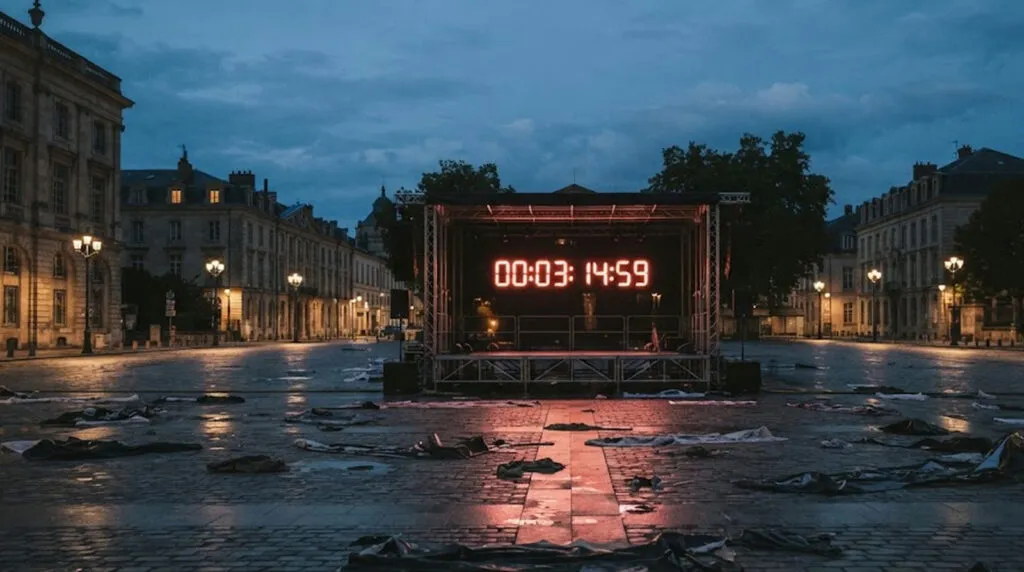
Thousands of people under a digital clock and a banner asking for them to be found innocent. On Wednesday The...
The ruling list sailed through without a single problem, the student list was left waiting in line. Nobody banned anything...
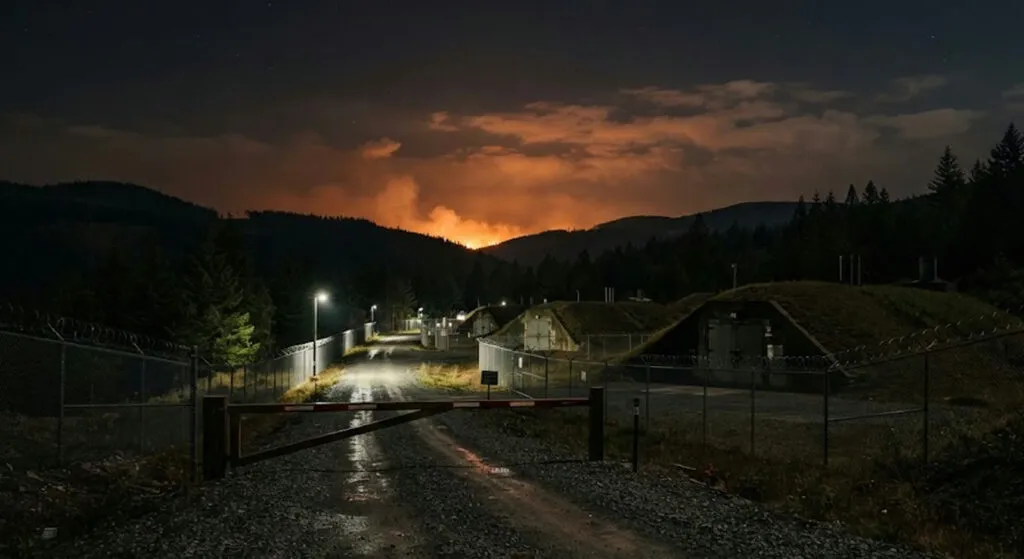
The same firm that supplied ammunition to Ukraine for years is burning for the second time in a month. Seven...
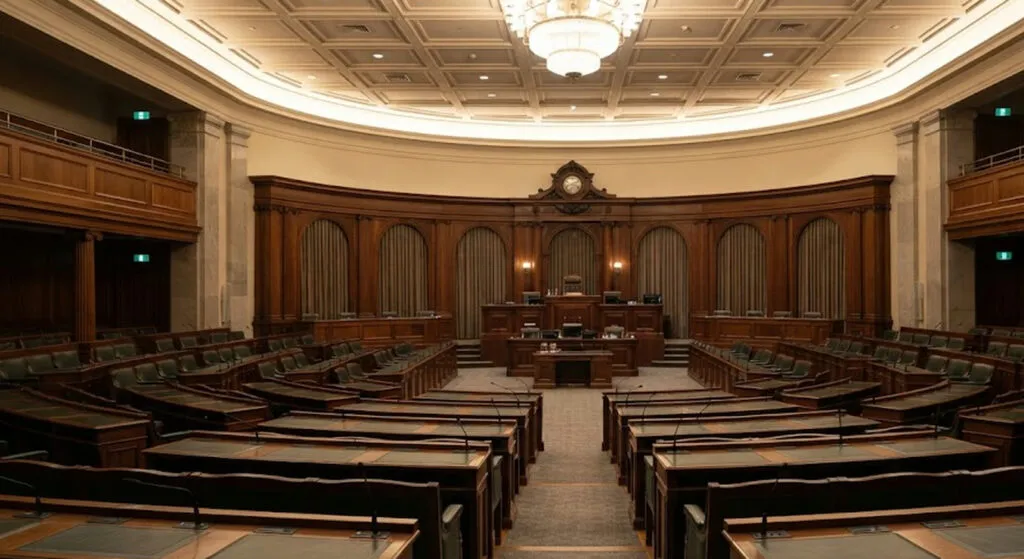
A third attempt in three years, but this time the signatures came from the government benches too. Six MPs from...
This site uses cookies - is that okay? Learn more
Be the first to know when Metla launches something new
Leave your email and we will write when there is a new guide or something new on Metla.
