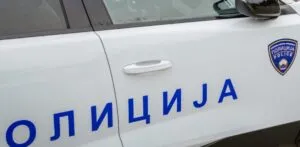
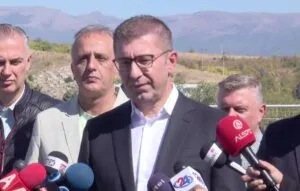
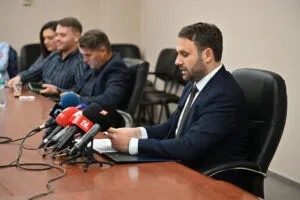
The Young Men From Saraj Say They Were Beaten After Being Subdued, the Union Claims They Tried to Run Police Over: The Interior Ministry Is Still Just Investigating
11.10.2026


11.10.2026
11.10.2026
11.10.2026
11.10.2026
11.10.2026
11.10.2026

11.10.2026

11.10.2026

11.10.2026

11.10.2026

11.10.2026

10.10.2026

11.10.2026

11.10.2026

11.10.2026

11.10.2026
10.10.2026

09.10.2026

11.10.2026

11.10.2026

11.10.2026

11.10.2026

11.10.2026

10.10.2026

11.10.2026
11.10.2026
09.10.2026

10.10.2026

08.10.2026

06.10.2026

23.04.2026

23.04.2026

12.04.2026

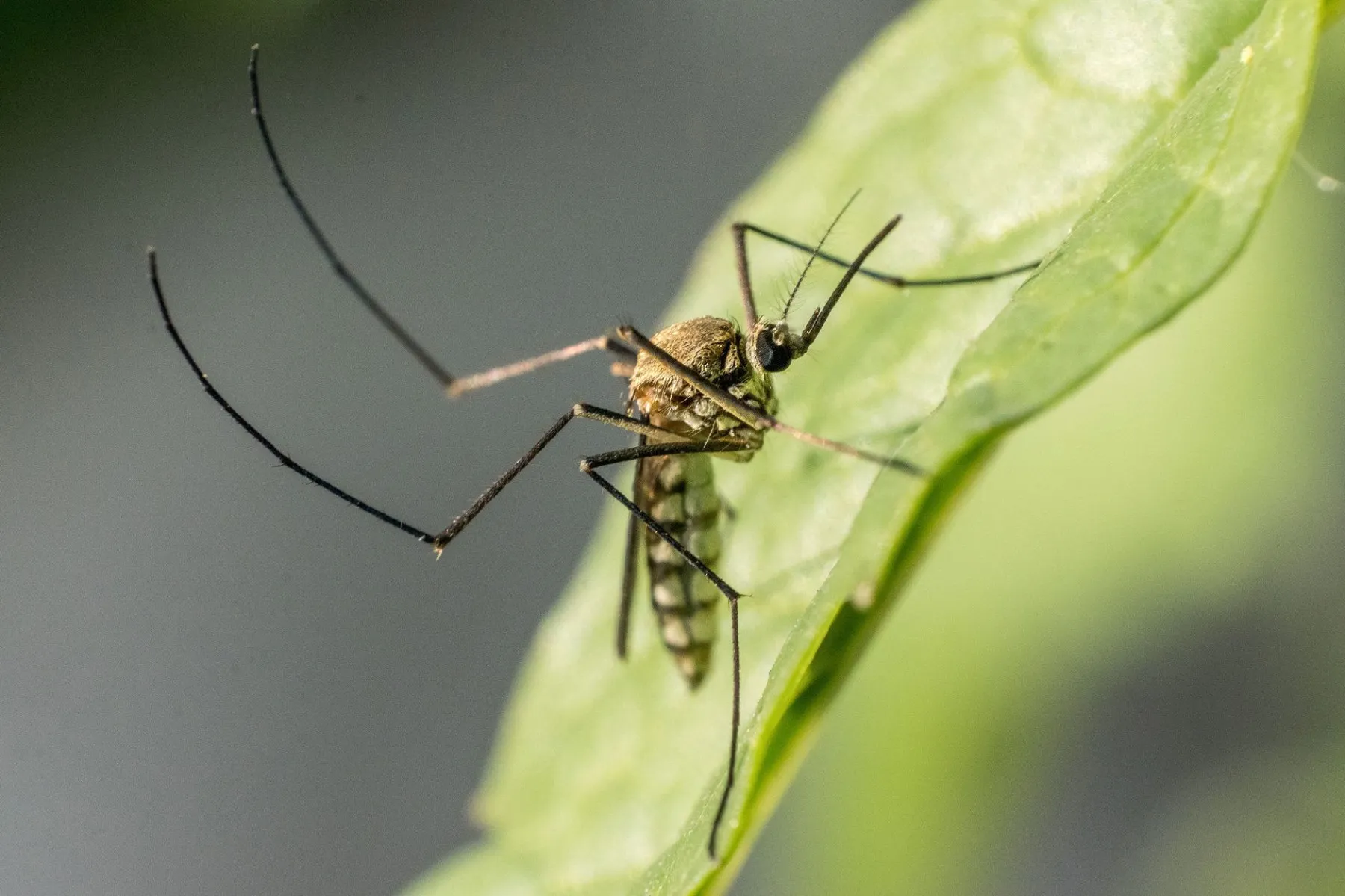
Four dead, 38 confirmed cases since the start of the year. Three of the dead went in the last week alone. The Health Ministry released the figures on Wednesday, and they are clear enough to need no further explanation: the West Nile virus is here, it is spreading, and it is no longer an exotic textbook diagnosis.
Twelve new cases in seven days. Every patient ended up in hospital, and most of them are from the Skopje region. Among the infected there are 28 men and 10 women, and as many as 33 are over 60 - which means the blow is landing on exactly those whose bodies forgive the least.
The number that tells the whole story
From 2011 to 2025, at the peak of mosquito season, this country recorded fewer than one case a week. Now there are twelve. That is not a statistical deviation, that is a change in order of magnitude. And while that change was happening, nobody raised their voice.
The virus is carried by mosquitoes, and the World Health Organization recalls that around one in 150 infected people develops severe complications that can be fatal. The rest pass through with symptoms resembling an ordinary summer bug - which is precisely why the real number of infections is almost certainly higher than the one on paper.
We are not alone, but that is no comfort
The new cases come after WHO warnings that warmer temperatures suit both the mosquitoes and the virus across Europe. Numbers are rising in Greece and Italy this summer too. Neighbouring Serbia, according to epidemiological data carried in its press, has up to six cases this year.
So: Macedonia with 38 cases and four dead, Serbia with six. The gap is too big to be explained by climate alone. Somebody counts the mosquitoes, somebody sprays the marshes, somebody raises the alarm in time - or does not.
The ministry announced it has stepped up information and protection measures in the affected areas and that mosquito eradication operations are under way. The question that remains is not whether there will be spraying, but why the spraying and the warning arrive after we already have four coffins, and not in May when the season was just beginning.
The latest 10 news from this category
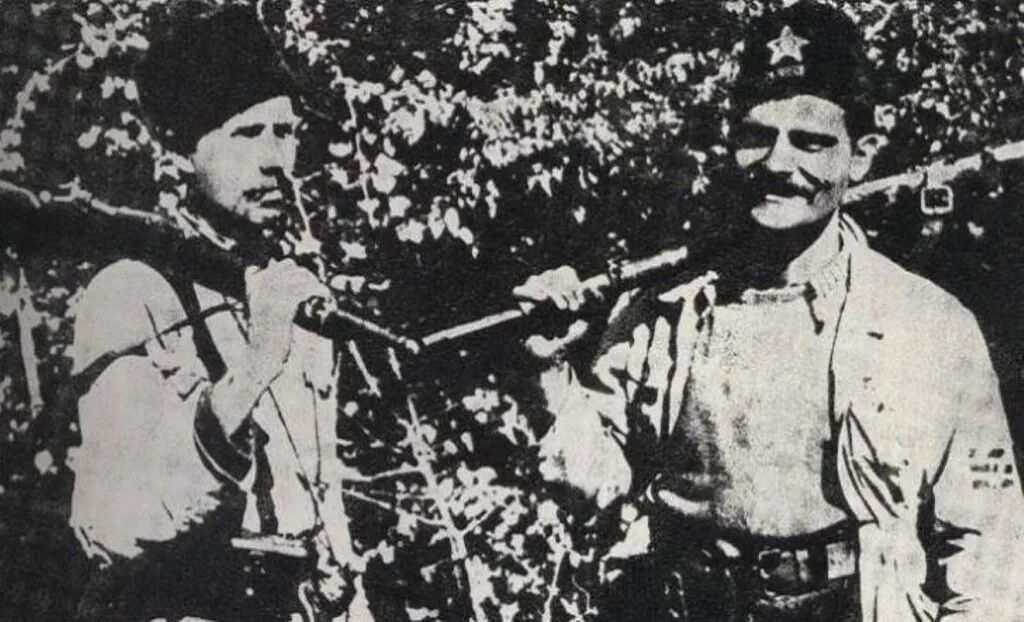
Sixteen partisans in three groups attacked the Bulgarian occupation police station and the prison in Prilep and marked the start...
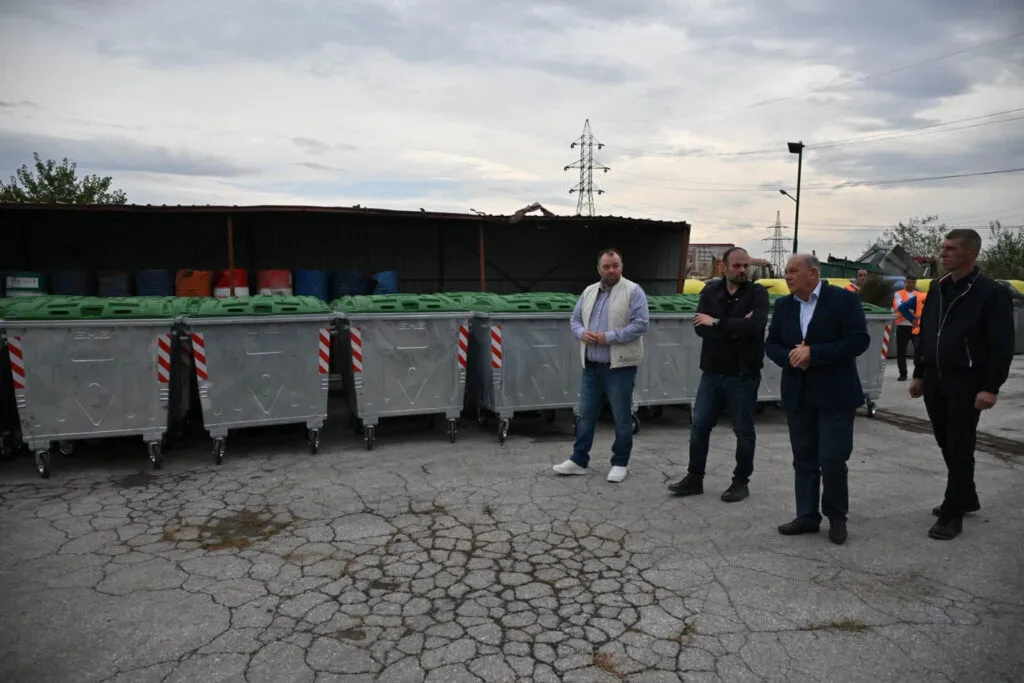
The new 1,100-liter bins are meant to replace the big ones, for which the utility had only one working truck...
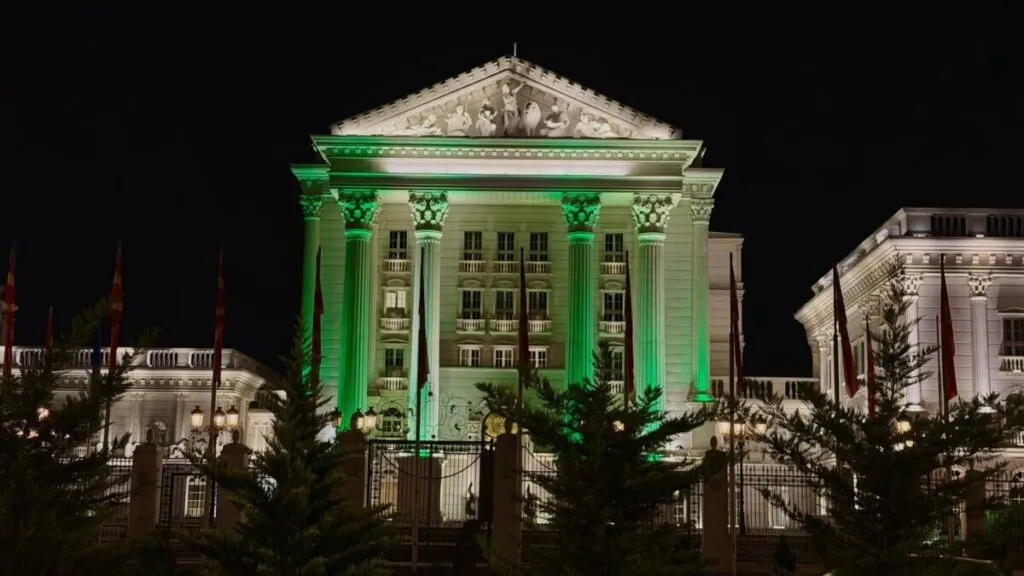
Facades across Macedonia glowed green for European Organ Donation Day. The minister said the most important sentence: say your decision...
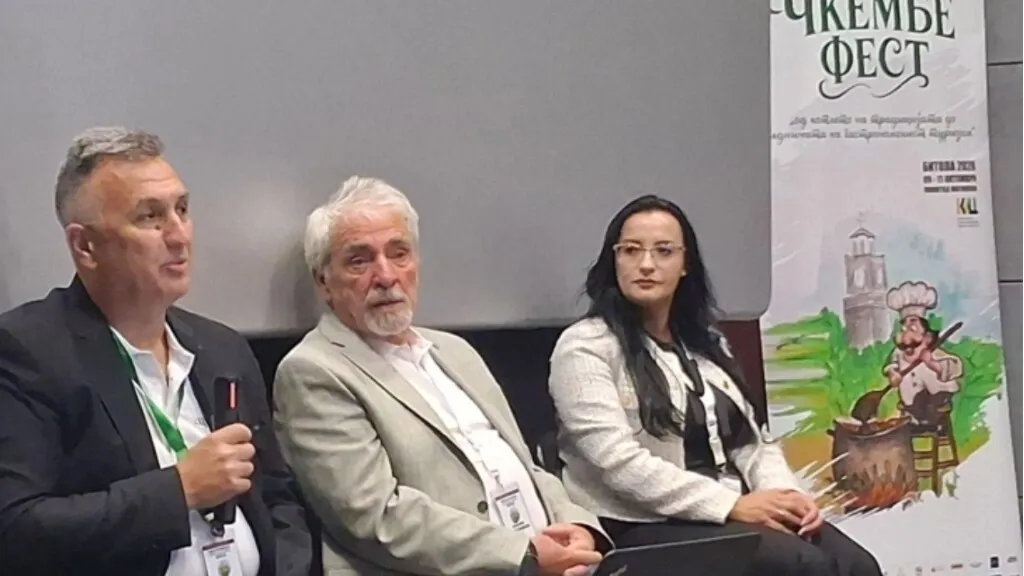
Bitola finally got a festival for the dish that earned its people the nickname "chkembari". The restaurant "Korzo" took the...
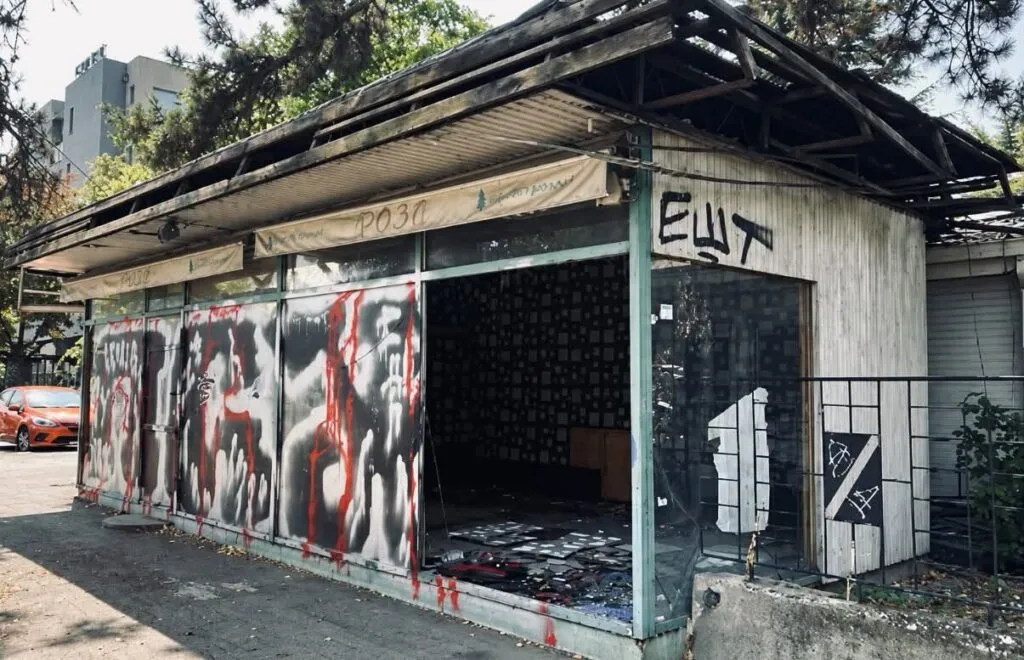
Skopje is bringing back the city flower shops by the "Lotus" fountain and the Ministry of Economy. Good that someone...
Grading and gravel so the road to Jamište is passable "again". When the news is that a road can be...
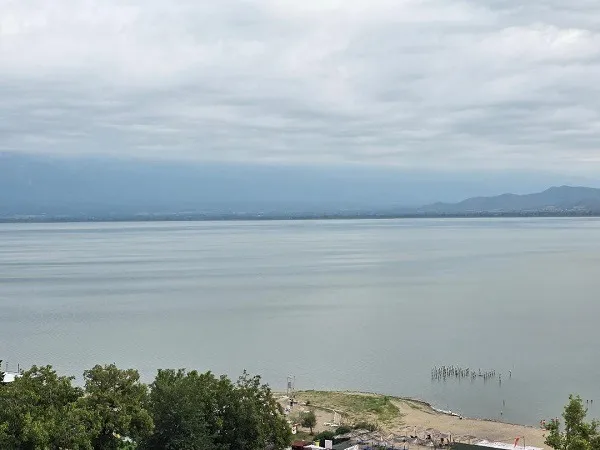
The fifty or so centimetres the lake won back last winter, the dry summer took away. The rescue system is...
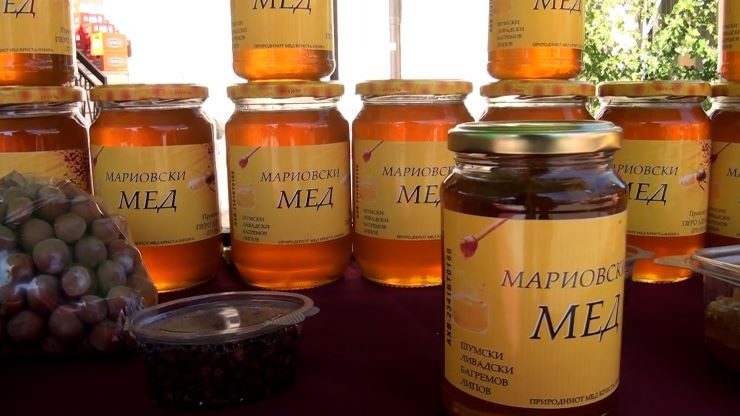
Eight beekeepers have won the right to the "Mariovo honey" label. Who will check on them and how much they...
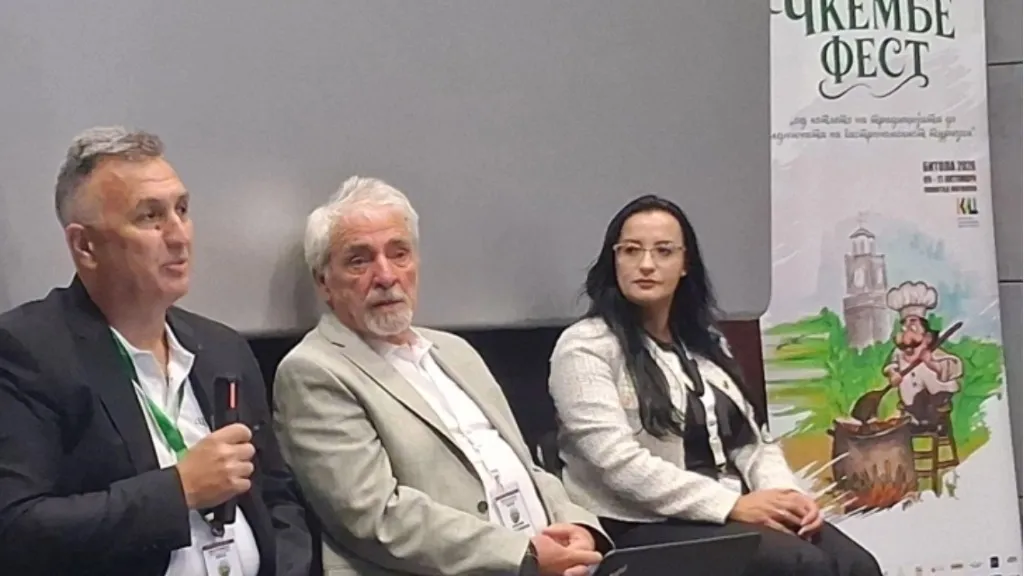
Ten teams from Macedonia, Turkey and Hungary are competing for the tastiest tripe soup. The city whose nickname comes from...
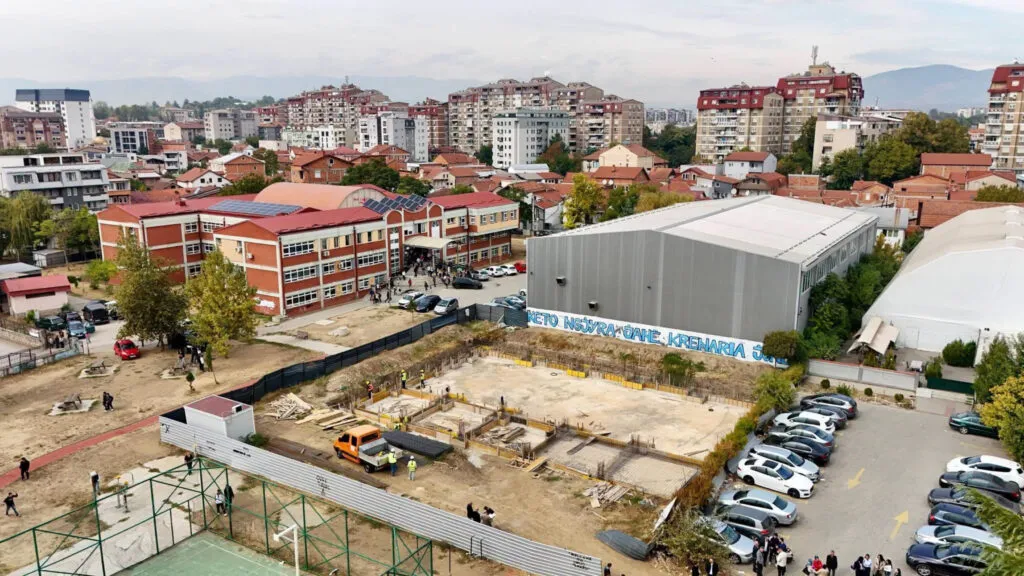
The pool at the "7 Mart" school is in its final phase and is a genuine gain for the children....
This site uses cookies - is that okay? Learn more
Be the first to know when Metla launches something new
Leave your email and we will write when there is a new guide or something new on Metla.