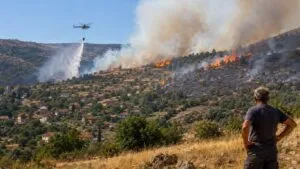
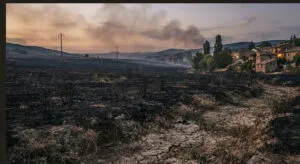
Three planes over Studeničani, crews staying all night: „No danger" is an assessment, not the end of the fire
20.08.2026


20.08.2026

20.08.2026
20.08.2026

20.08.2026

20.08.2026

20.08.2026
20.08.2026

19.08.2026
18.08.2026

20.08.2026

20.08.2026

19.08.2026

20.08.2026

20.08.2026

20.08.2026

20.08.2026
19.08.2026
18.08.2026
20.08.2026

20.08.2026

20.08.2026

20.08.2026

20.08.2026
19.08.2026

09.03.2026

27.02.2026

19.02.2026
20.08.2026
19.08.2026
18.08.2026

23.04.2026

23.04.2026

12.04.2026
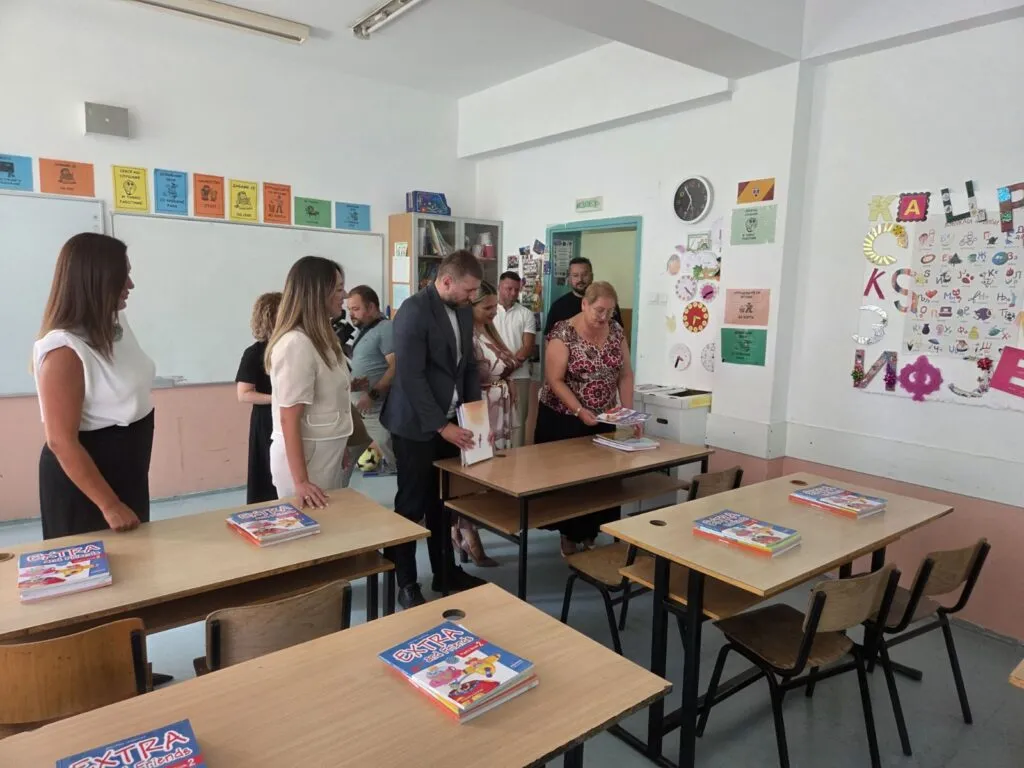
On 1 September every child from first to fourth grade will have a textbook. Education and Science Minister Vesna Janevska announced that the free textbooks have already been delivered to schools and that the new school year will start with no distribution problems.
Almost. The same statement contains the caveat that changes the whole sentence: schools that failed to report the quantity they need in time will have to secure textbooks themselves, because the ministry delivers according to what was ordered.
The promise and the caveat are not about the same child
„Every child will have a textbook\" and „we deliver according to what was ordered\" cannot both be true if some school got its numbers wrong. In that case, the child left without a textbook will not be left without one because of a lack of funds, but because of a figure reported late.
The administrative responsibility is clear and it sits with the school. The question is who bears the consequence - and the answer, as usual, is the first-grader who will sit down at an empty desk. If the ministry already knows which schools missed the deadline, that is a list you can start from now, in August, not in September.
Single-shift teaching - the real story
A bigger undertaking is running in parallel. Primary schools across the country are being renovated so that conditions for single-shift teaching are in place from September. At the „Aleksandar Makedonski\" primary school in Aerodrom, three new classrooms are being added, with an investment of 2.2 million denars supported by the ministry, while the municipality funds the equipment. From 1 September the „Dimitar Makedonski\" school in Lisiče also switches to single-shift teaching for grades six to nine.
Janevska stated that over 200 schools already work on this model, arguing that children start lessons in the morning when they are more focused, that socialisation is better, especially in multi-ethnic environments, and that it saves resources.
The mayor of Aerodrom, Dejan Miteski, described the benefit differently: „Single-shift teaching means better organisation of the teaching process, more time for pupils, teachers and families, and more opportunities for schools to host additional activities, sport, culture and skills development.\"
Three classrooms are a real measure
Two-shift teaching is one of those things that have been treated as a given for decades. A child who enters school at 1pm has a different day, a different level of concentration and a different afternoon from a child who leaves at 1pm - and within the same generation, in the same school, that came down to a timetable.
That is why building three classrooms is a more concrete measure than any reform strategy. The question that remains is whether the pace will hold and whether it will reach the schools whose municipality has no budget to co-finance the equipment - because in the model we see in Aerodrom, the ministry builds and the municipality equips.
Fourth-grade pupils will also receive tablets this year, funded from the municipal budget. One more item that depends on which municipality the child lives in.
The latest 10 news from this category
A foreign licence plate is no longer a way out of the system. Day one brought queues, arguments and a...
A company bought the land at public auction for 333,000 euros, a law stopped it from building, and now a...
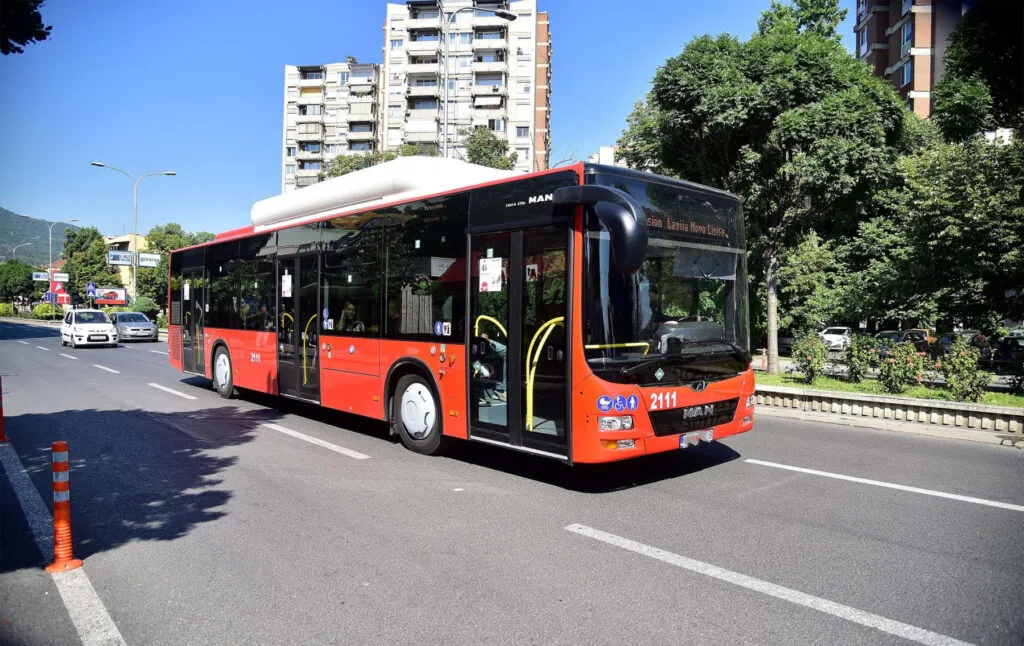
The city transport company is activating „Slovenija" boulevard for the first time and linking Radišani and Butel with Karpoš 3....
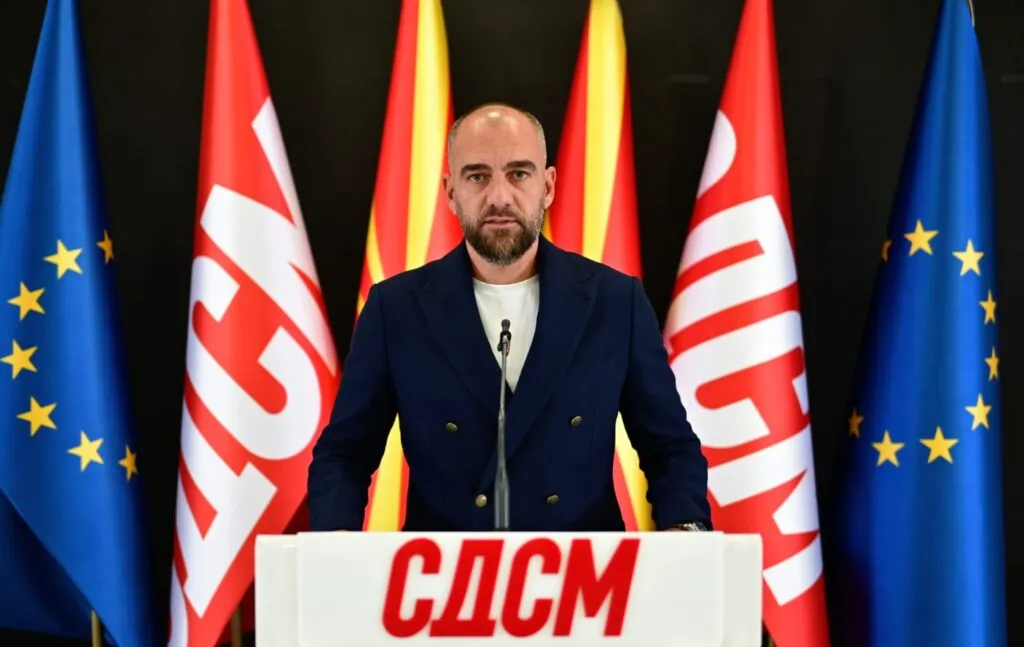
The mayor defends dates, the opposition counts victims. A calendar shows something was done - it does not show whether...
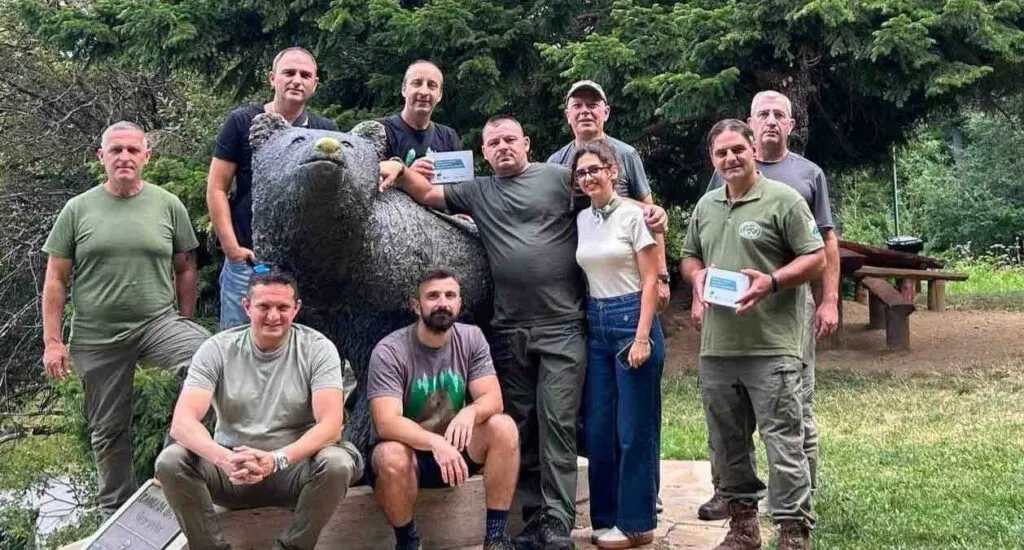
The figure so far was „around 160 to 200" - a range of forty bears. The first genetic monitoring has...
The advice residents got is correct and worth repeating. The problem is that it arrived because somebody remembered to write...
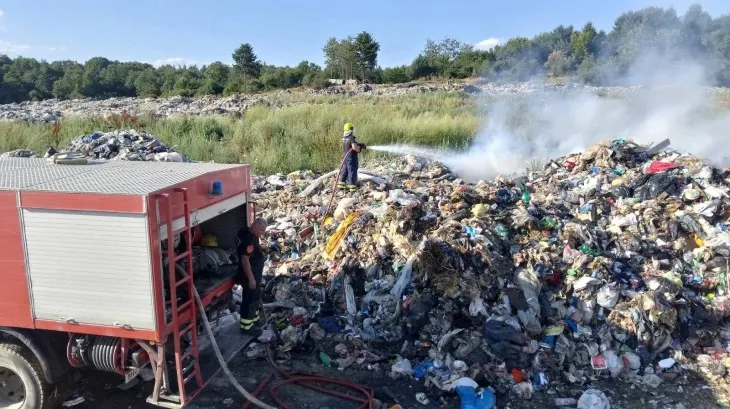
The anti-fire measure was carried out on a serious scale - and the landfill is burning anyway. Arson is not...
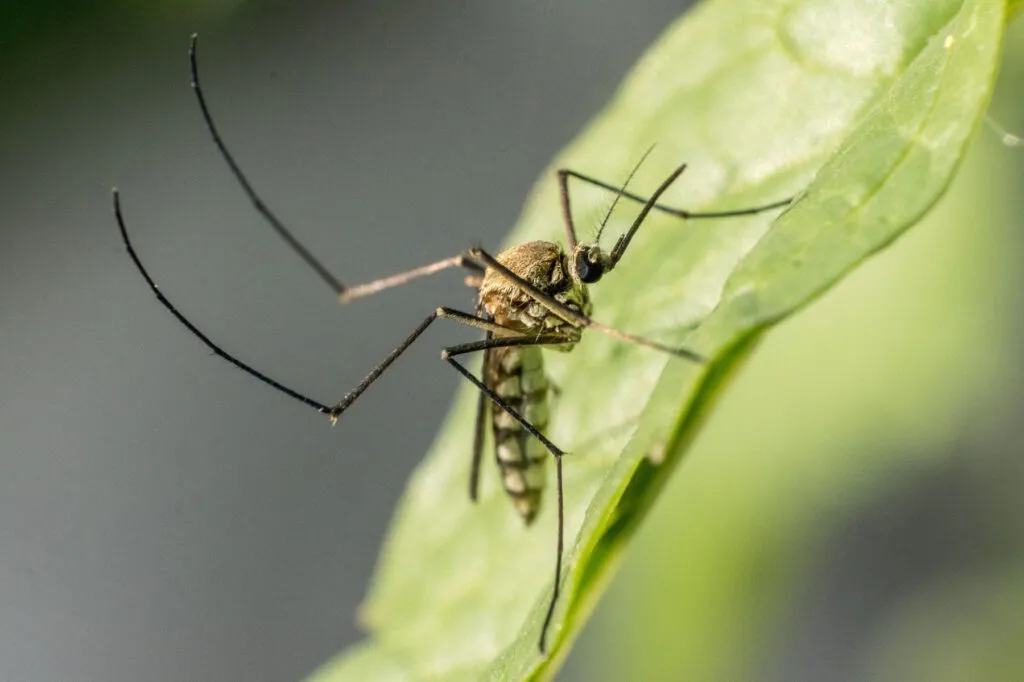
Twelve new cases in seven days, when until yesterday we had fewer than one a week. The figure in Serbia...
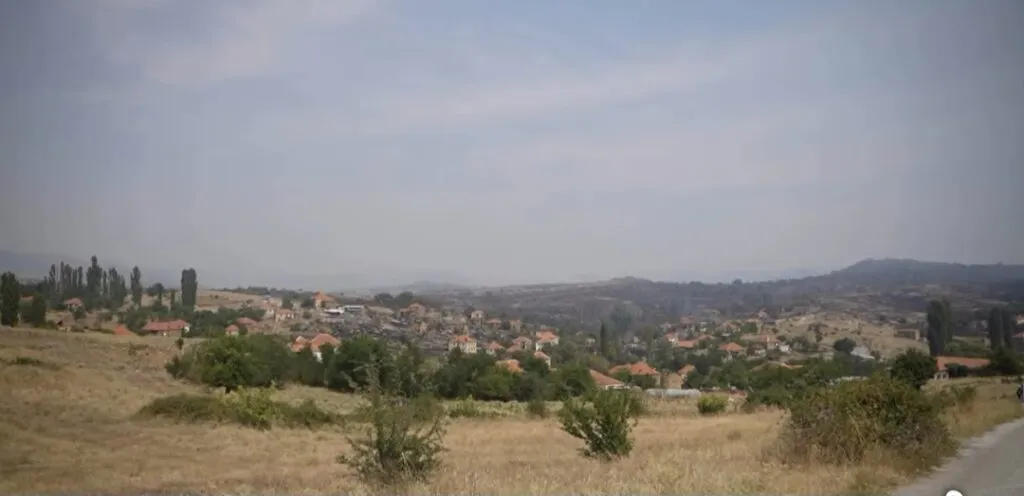
The country's largest active fire is being held back by volunteers from three towns, air tractors and local residents. Unexploded...
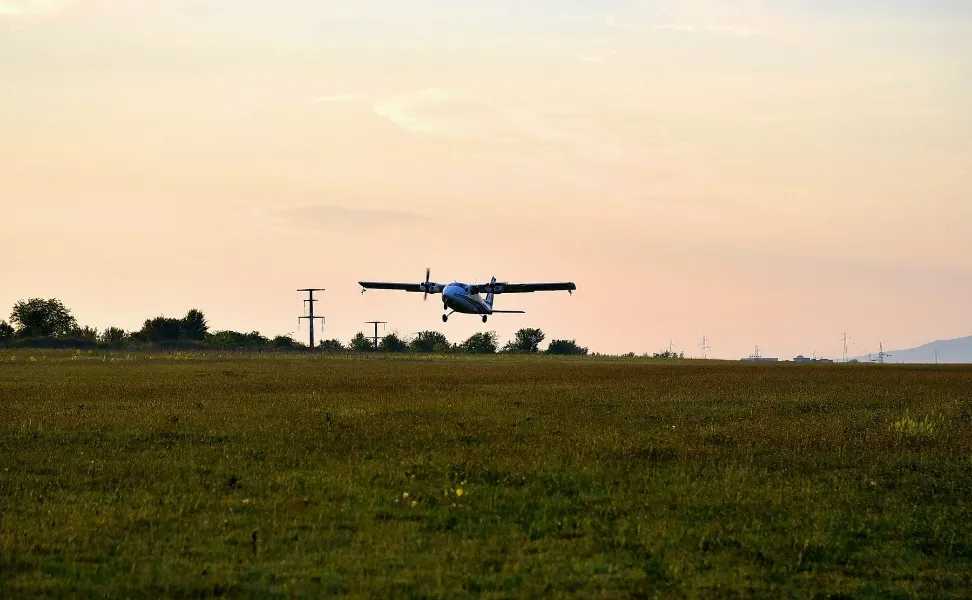
Twenty sprayings are planned by the end of the season. Effectiveness is not measured in treatments but in cases -...
This site uses cookies - is that okay? Learn more
Be the first to know when Metla launches something new
Leave your email and we will write when there is a new guide or something new on Metla.